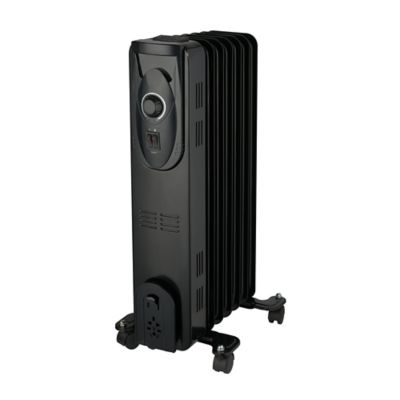
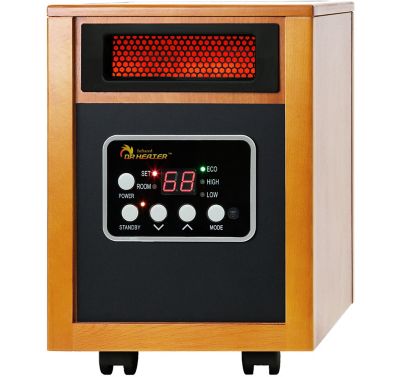
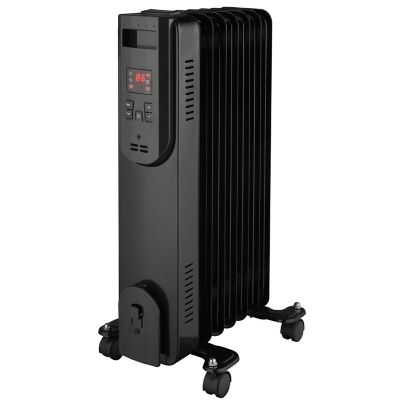
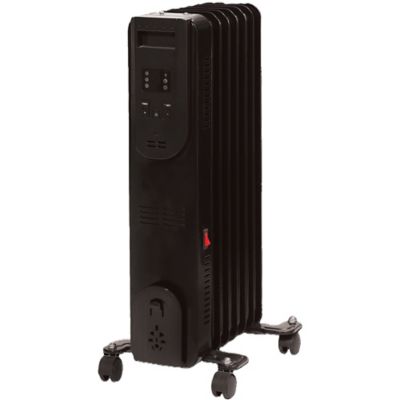
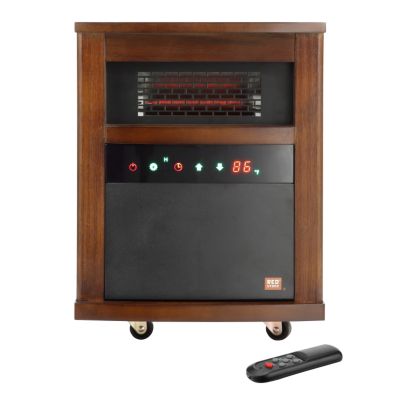
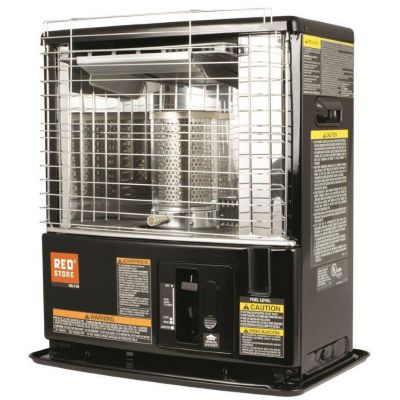
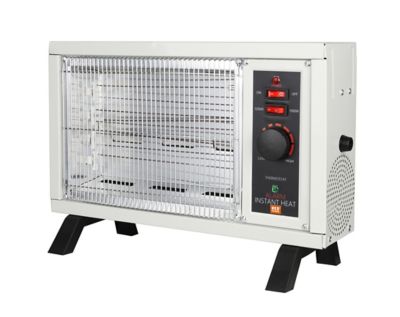
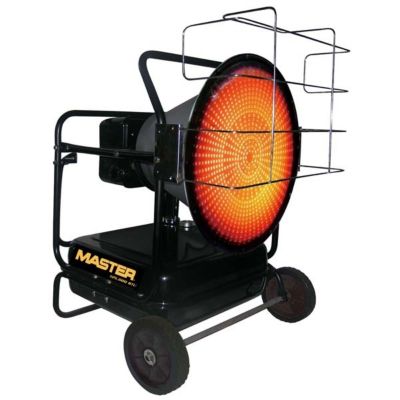
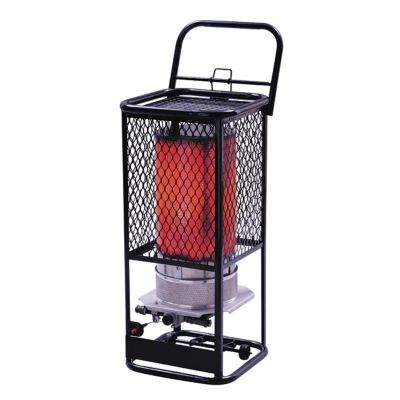
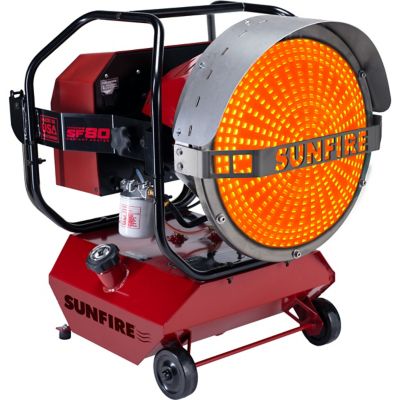
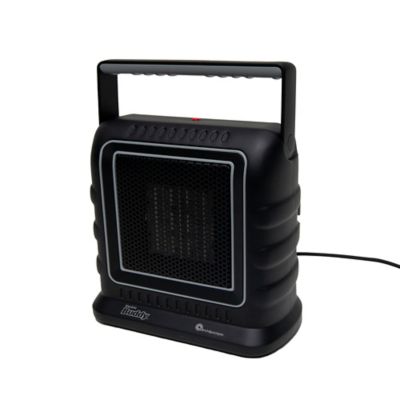
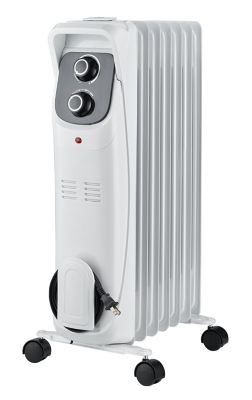
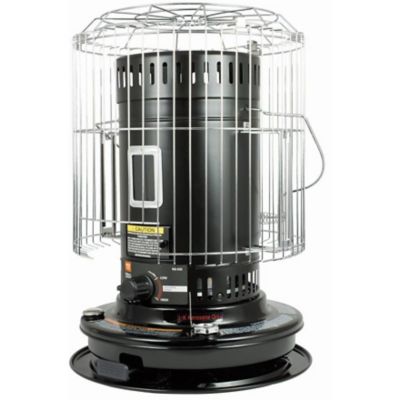
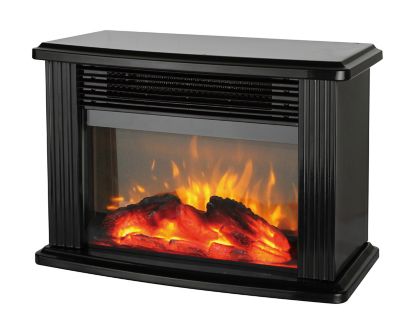
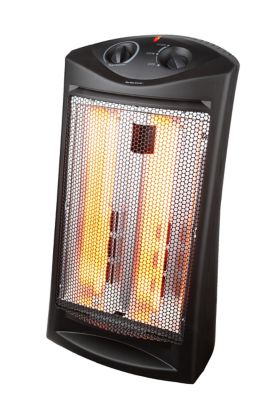
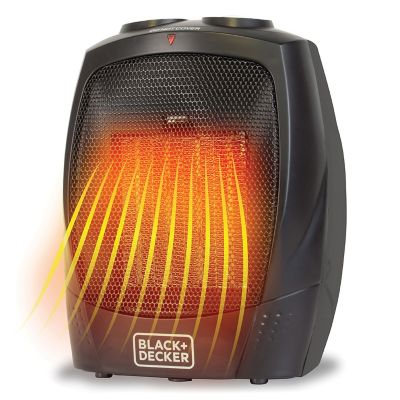
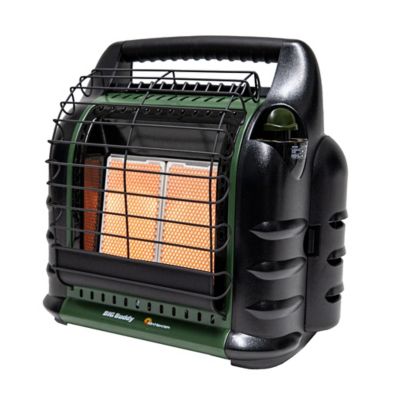
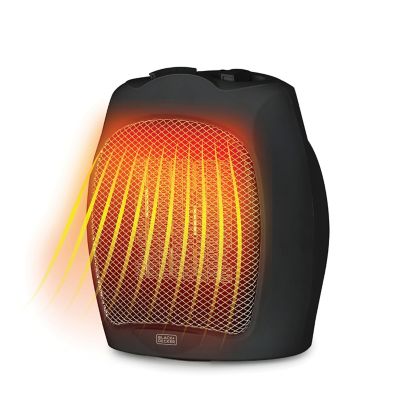
Portable radiators are movable space heaters that provide steady supplemental warmth, most often through an electric heating element sealed inside an oil-filled metal body. The element warms the oil, which carries heat through the radiator’s fins and into the surrounding room through radiant heat and natural air circulation. The oil stays inside the unit and does not burn off or need routine refilling. That makes an oil-filled portable radiator a practical fit for everyday indoor comfort during the cooler months, whether it’s taking the chill out of a home office or making a sitting room more comfortable after outdoor chores. Most operate without a fan, so there’s no constant rush of air competing with conversation, television, or a quiet afternoon at the kitchen table. A thermostat may click as it cycles, and the metal housing can make occasional sounds as it warms and cools. These heaters take longer to get going than many fan-driven space heaters, but the heated oil continues releasing warmth for a while after the element switches off. That lingering warmth comes from stored heat, not additional energy being created. Portable radiators generally suit people who want a comfortable occupied room over a stretch of time rather than a quick blast of hot air at the door. They’re supplemental heaters, not a replacement for a properly sized central heating system or protection for an entire building during freezing weather. Electric versions also need a working electrical supply, so they won’t provide heat through a power outage. Propane and kerosene radiant heaters belong to a different heater category, with fuel, ventilation, and carbon monoxide considerations that do not apply in the same way to electric oil-filled radiators. For shoppers comparing movable heaters with other indoor radiator styles,
Room Radiators offers a related category to explore. The best fit comes down to the room, the electrical setup, and how that space feels on a cold day.
Room size matters, but square footage alone doesn’t tell the whole story. A small room with snug windows and a closed door holds heat differently than an open living area with tall ceilings, drafty floorboards, and a stairwell carrying warm air upstairs. Insulation, outdoor temperatures, ceiling height, and air leaks all affect how much comfort a portable electric radiator can deliver. Manufacturer heating-area estimates are a starting point rather than a promise for every farmhouse, apartment, or cabin. Many household electric radiators offer a maximum setting of 1,500 watts, although ratings vary, and a different fin shape does not automatically mean greater heating output at the same wattage. Multiple heat settings let the heater run at a lower output when the room needs less warmth, while an adjustable thermostat cycles the element to maintain the selected temperature. A digital display can make settings easier to read; simple dial controls may appeal to someone who prefers a straightforward turn-and-set approach. Timers and remote controls can add convenience, but they don’t make unattended operation safe. For day-to-day handling, the details are easy to appreciate: a handle that’s comfortable to grip, wheels that roll smoothly, and a stable base that sits securely on the floor. A tall, narrow body may fit alongside a home office layout, but its footprint still needs enough open space for safe clearance and air circulation. Check overall dimensions with the wheels or feet attached, and leave room for the cord to reach a suitable wall outlet without stretching across a walkway. Fin spacing, housing shape, and control placement also affect how easy the heater is to wipe down and operate. Metal construction helps transfer heat, while a sound finish and secure wheel mounts support regular household handling. The exterior can become hot, so a carrying handle is for moving a cooled heater—not for shifting it around while it’s running. For someone working at a desk, reading after chores, or spending an evening in a chilly den, those everyday details matter as much as the controls.
Safe placement and basic care are part of owning any portable radiator. Set the heater upright on a firm, level surface approved by the manufacturer, where a passing boot, playful pet, or opening door won’t knock it over. Keep at least three feet between the heater and combustible materials such as curtains, bedding, furniture, clothing, and paper, and follow any greater clearances stated in the instructions. A radiator is not a drying rack for damp gloves, coats, or towels; covering the fins can trap heat and create a fire hazard. Plug an electric portable radiator directly into a suitable wall outlet, never into an extension cord or power strip. A high-wattage heater puts a substantial load on a circuit, especially when other appliances share it. A loose plug, discolored outlet, or cord that becomes unusually hot calls for stopping operation and having the problem checked, not simply moving the cord out of sight. Built-in tip-over shutoff and overheat protection are worthwhile features, but neither takes the place of clear space, sound wiring, and adult supervision. Turn the heater off when leaving the room or going to sleep, and keep children and pets away from hot surfaces. Ordinary household radiators belong in the indoor conditions listed by their manufacturer, not automatically in a damp mudroom, dusty barn, feed storage area, or workshop with flammable vapors. Before cleaning or moving the heater, switch it off, unplug it, and let it cool completely. Dust between the fins can be removed with a soft brush or vacuum attachment when the care instructions allow, and the housing generally needs only a gentle wipe rather than soaking or spraying. The sealed oil system should stay sealed; leaks, damaged wiring, or a bent housing need attention before further operation. Store the cooled radiator upright in a dry spot, with the cord arranged as directed and protected from pinching. With a sensible match between heater size, room conditions, and intended use, a portable radiator can bring a steady measure of comfort to the places where the day’s indoor work and downtime happen.