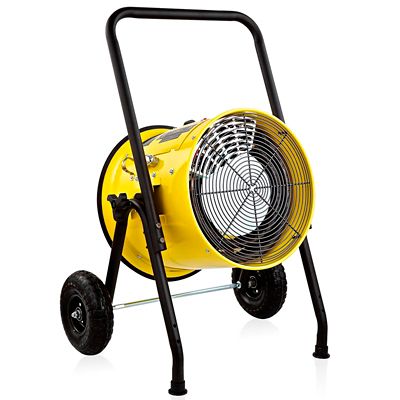
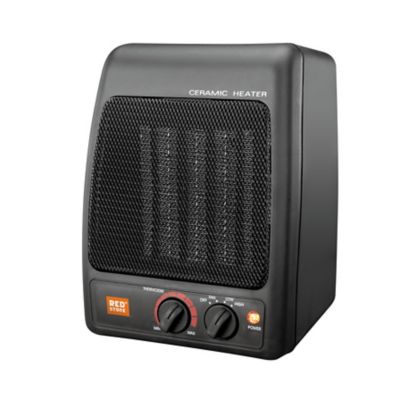
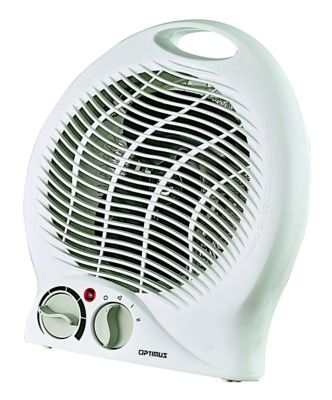
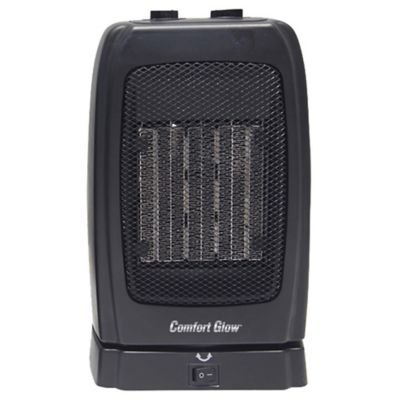
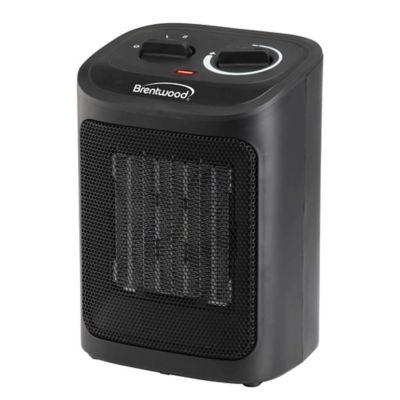
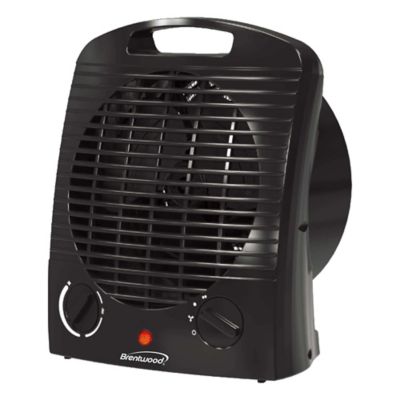
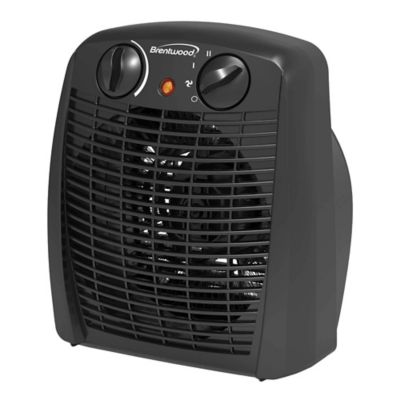
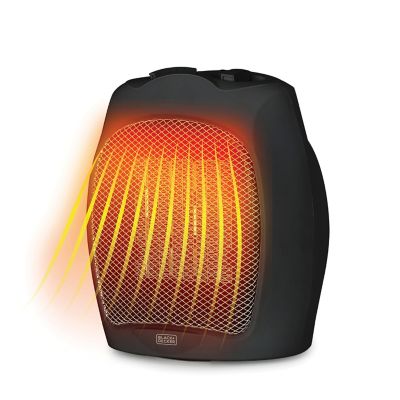
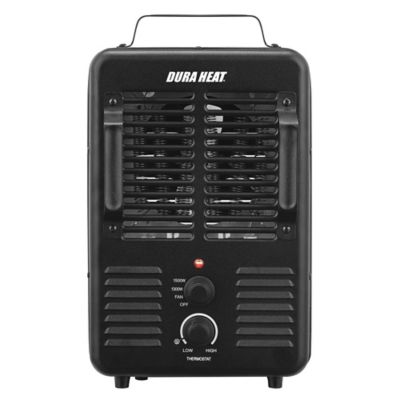
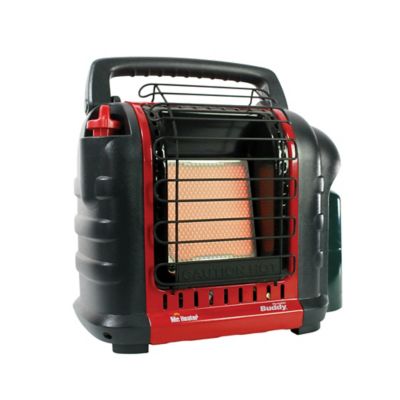
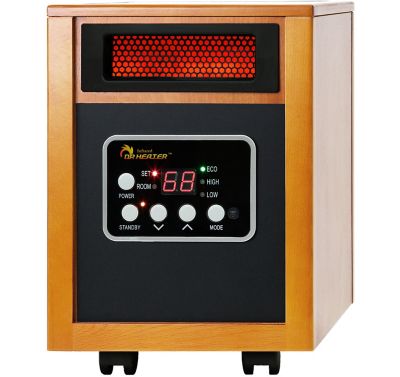
Portable fan heaters are compact electric space heaters that push air across a heating element and send warm air into the surrounding space. They provide supplemental heat for small rooms and occupied areas, making them a practical option for a chilly home office, a reading chair in the den, or a kitchen table where paperwork needs finishing. Unlike a heater that relies mainly on radiant warmth, a fan heater moves heated air outward, helping distribute warmth beyond the spot directly in front of it. Most household models plug into a standard electrical outlet, though power requirements and intended locations vary. Their portability comes from features such as a compact housing, manageable weight, and a carrying handle that makes moving the heater between suitable rooms less of a chore. Ceramic heating elements and metal resistance coils are common designs, and either can provide focused warmth when paired with a fan. Ceramic models often have a compact shape, while other designs may feature a broader housing or a different airflow pattern. The element type alone does not tell the whole story: wattage, airflow, room layout, insulation, and placement all affect how a heater feels in everyday use. A drafty room with tall ceilings asks more of a small heater than an enclosed office with a shut door. Many household portable fan heaters have a maximum output of 1,500 watts, equivalent to about 5,100 BTUs per hour, but the rating on the individual heater is what matters. These heaters are meant to supplement a home's heating system rather than heat an entire house, thaw plumbing, or warm an open outbuilding. For someone handling farm records at a desk or settling into a favorite chair after chores, the appeal is straightforward: extra warmth near the person who needs it, without moving a large appliance or installing permanent heating equipment.
Size and controls make a noticeable difference in how a portable fan heater fits into a room. A small footprint can help in tight quarters, but the heater still needs all the clearance specified in its instructions; a compact cabinet is not permission to tuck it beneath furniture or crowd it against a wall. Floor-standing designs need a firm, level surface, and any model intended for a tabletop needs a stable surface approved by its manufacturer. Broad bases help with stability, while recessed handles and neatly arranged controls can make everyday handling simpler. Housings may combine molded plastic, metal grilles, and internal metal components. A plastic exterior does not mean every surface stays cool, and a metal grille can become hot enough to cause a burn. Keep handles, cord placement, and access to the controls in mind, especially in a room where people regularly walk past the heater. Adjustable thermostats help maintain a selected comfort level by cycling heat as needed, while multiple heat settings provide a choice of output. A lower setting draws less power while operating, but total electricity consumption also depends on how long the heater runs. Digital displays can make settings easy to read, and simple dial controls may suit someone who prefers fewer buttons. Timers and oscillation are other features worth considering: a timer can limit a heating session, while oscillation sweeps airflow across a wider area. Neither replaces safe placement or supervision. Fan sound matters, too, particularly beside a desk where phone calls happen or near a chair where someone watches television. Sound levels vary with fan speed and construction, so a quiet room may make airflow more noticeable than a busy household does. The broader selection of
Electric Fan Heaters includes designs with different shapes, controls, and heating capacities. Matching those characteristics to the room and the task is more helpful than judging a heater by cabinet size alone.
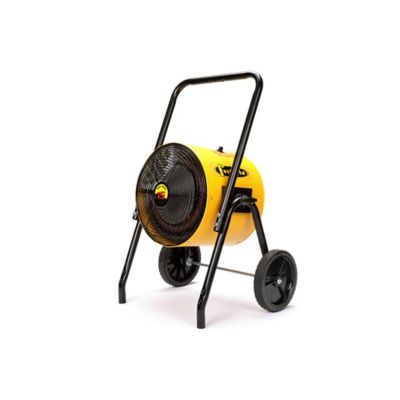
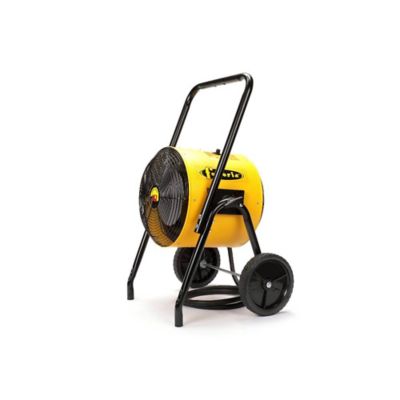
Safe operation and regular care are part of getting steady service from a portable fan heater. Look for an independent safety certification and check for features such as overheat protection and a tip-over shutoff, recognizing that these safeguards do not eliminate fire or burn hazards. Place the heater at least three feet from curtains, bedding, paper, clothing, and other combustible materials, or farther away when its instructions require it. A stack of feed receipts, a jacket draped over a chair, or a throw hanging off the couch can all get closer to a heater than intended. Keep air inlets and outlets clear, never drape anything over the housing, and never point the airflow at clothing or boots to dry them. Plug the heater directly into a suitable wall outlet rather than an extension cord or power strip, and follow its electrical requirements. If the plug or outlet becomes unusually hot, or the heater trips a breaker, stop operation and have the problem checked rather than repeatedly resetting the circuit. Ordinary indoor fan heaters do not belong where rain, splashing water, airborne dust, fuel vapors, or combustible debris create hazards. Garages, barns, livestock areas, and workshops require equipment specifically rated for the conditions present; a household heater is not automatically suitable just because it has a handle. Keep children and pets away from hot surfaces and cords, switch the heater off before leaving the room or going to sleep, and allow it to cool before moving it. For cleaning, disconnect power and follow the manufacturer's directions for removing dust from exterior grilles and accessible vents. Never immerse the housing or let moisture reach electrical parts. Inspect the cord, plug, grille, and case periodically, and stop operation if damage appears. Once heating season ends, a clean, fully cooled heater belongs in a dry storage spot where the cord will not be pinched or pulled. Thoughtful placement, sensible controls, and routine upkeep help make portable fan heaters a useful source of added comfort wherever their ratings and instructions allow.