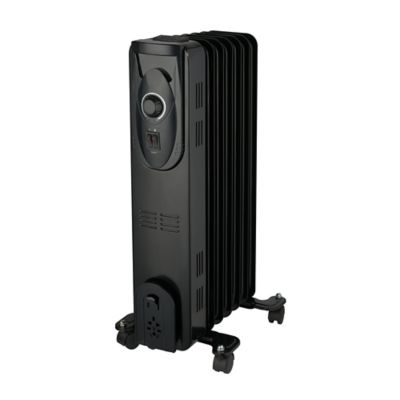
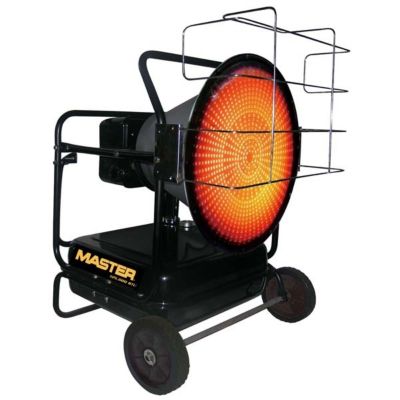
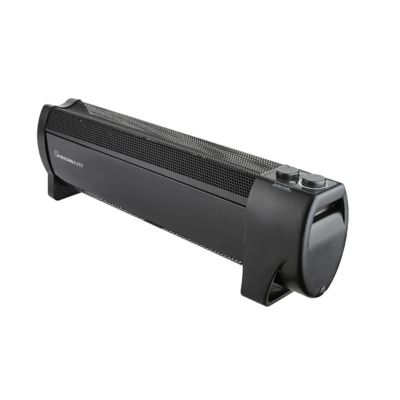
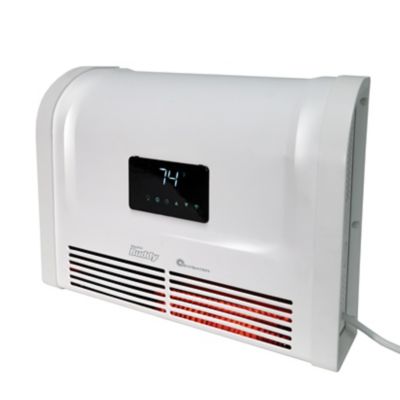
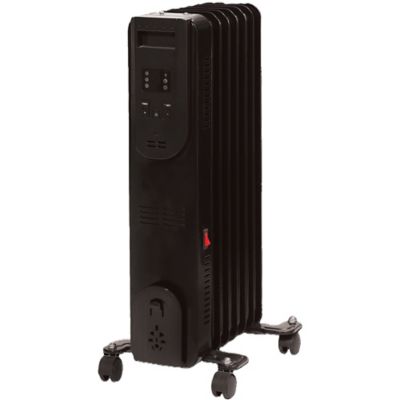
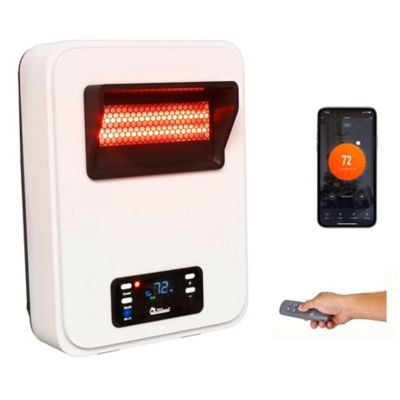
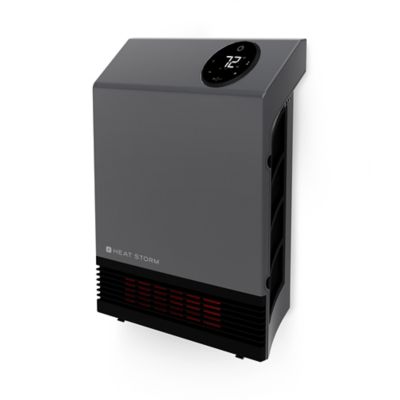
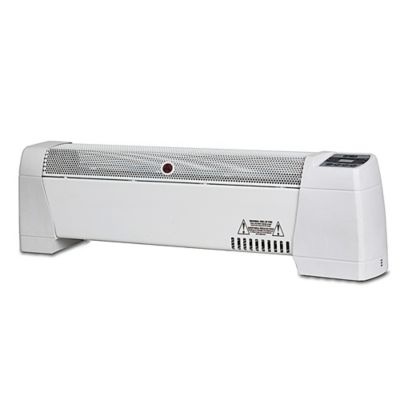
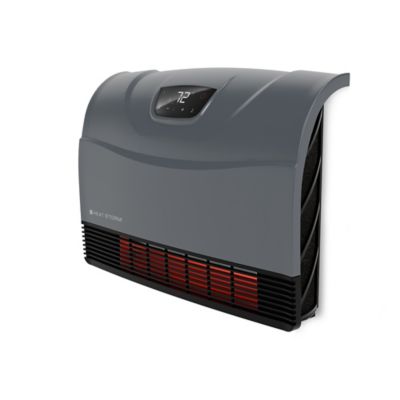
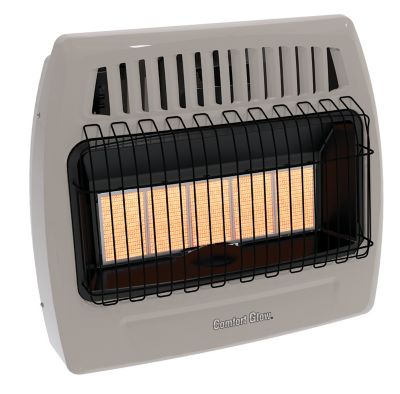
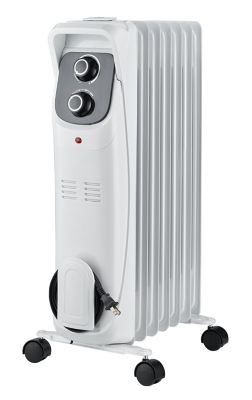
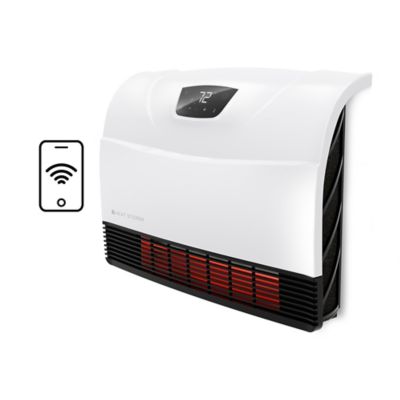
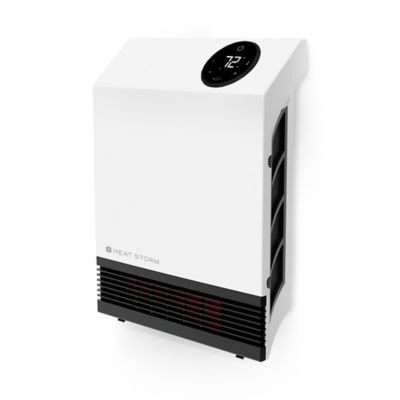
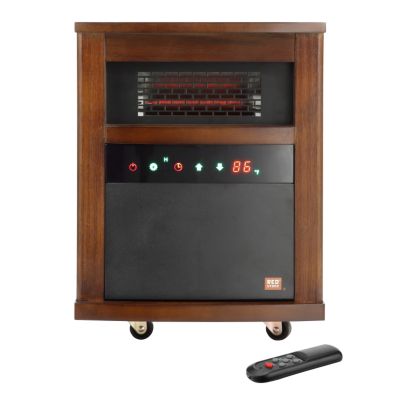
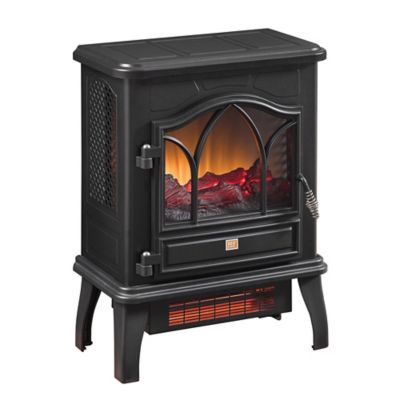
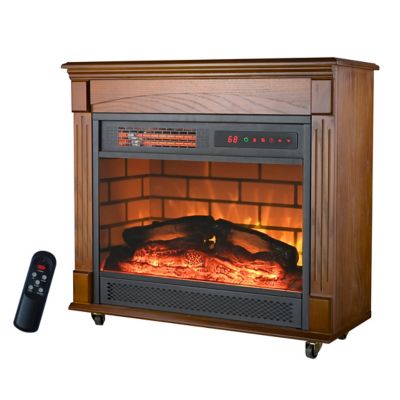
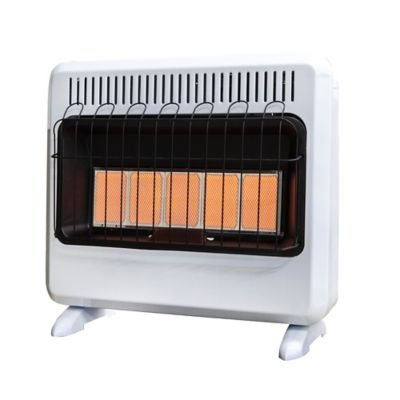
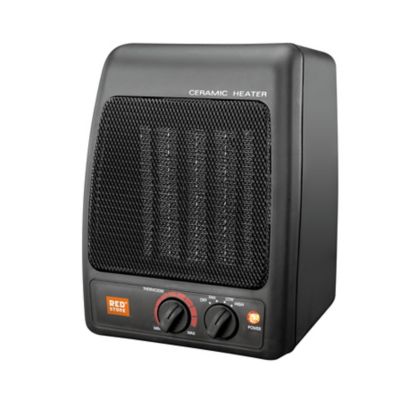
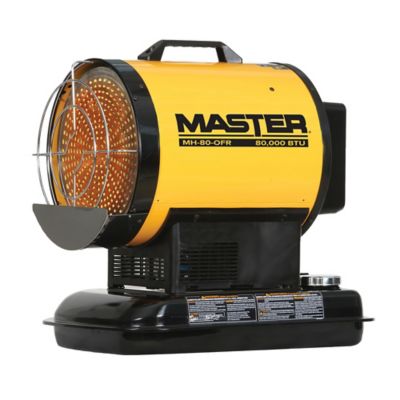
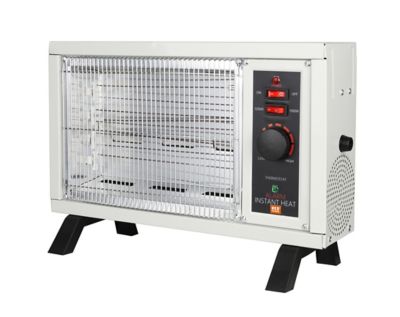
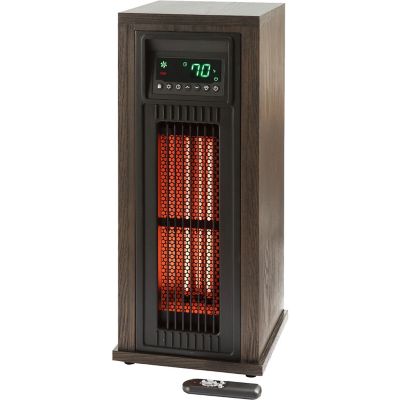
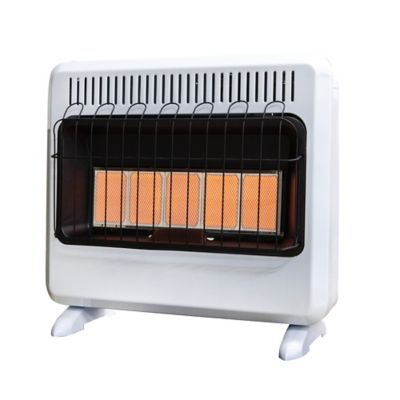
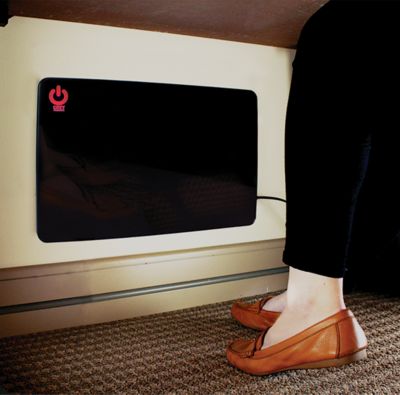
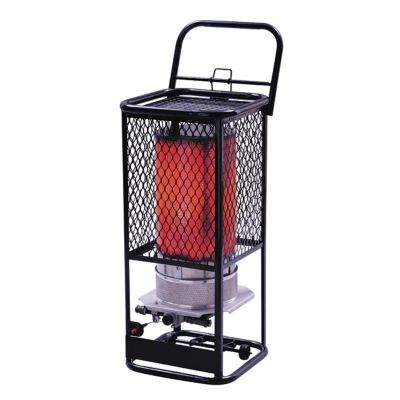
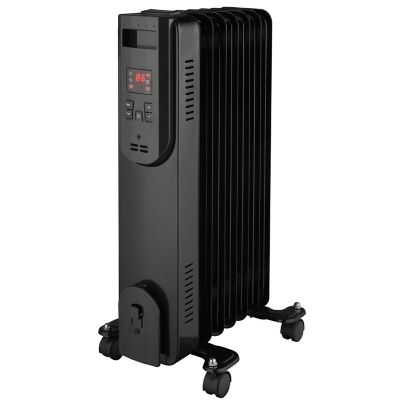
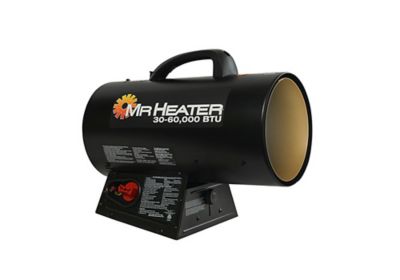
Room radiators help take the bite out of a chilly room by turning heat from hot water, steam, or electricity into steady warmth. They are commonly used in homes with central boiler systems, older houses with existing steam or hot-water lines, finished basements, cabins, workshops, garages, farm offices, and other spaces where dependable heat matters. Some radiators are installed as part of a permanent heating system, while portable electric models can be moved from room to room and plugged into a suitable outlet. That flexibility can be handy in a drafty mudroom during the cooler months, in a home office tucked away from the main living area, or in a guest room that does not need to be heated all day. Many electric units use oil-filled interiors or other heat-retaining designs to provide a gradual, even warmth rather than a quick blast of hot air. Fixed radiators and portable radiators both warm a space through a combination of convection and radiant heat. With convection, cooler air near the floor passes over or through the heated unit, rises as it warms, and cycles back through the room. Radiant heat travels outward to warm nearby furniture, floors, walls, and people directly, much like the comfortable warmth you feel standing near a woodstove. Because every home is built a little differently, room size is only one part of choosing the right radiator. Insulation, ceiling height, window placement, outside temperatures, drafts, and the room’s intended use all affect how much heating power is needed. A compact, well-insulated room may need far less capacity than a larger space with unsealed windows or a concrete floor. As a very general starting point, smaller rooms may work with a lower-wattage unit, while medium or large rooms often call for more heating capacity, sometimes around 1,500 watts, but the manufacturer’s sizing information should always guide the final choice.
When comparing room radiators, start by deciding whether you need a permanent installation or a portable source of supplemental heat. A fixed radiator can be a good fit when a room is already served by a boiler, hydronic heating loop, or steam system, though installation and maintenance should be handled according to the system requirements and, when needed, by a qualified professional. Portable electric radiators are useful for renters, outbuildings, guest spaces, and households that want to warm one occupied room without raising the thermostat throughout the whole house. Browse
Portable Radiators when mobility and simple room-by-room heating are priorities. Look for controls that make it easy to adjust the temperature, such as a thermostat, multiple heat settings, or a timer for scheduled operation. A unit with wheels or a sturdy carry handle may be easier to position, especially when the same heater moves between a bedroom, workshop, and office. Pay attention to cord length, plug requirements, overall footprint, and whether the radiator will fit where you intend to use it without crowding walkways. Heat output is important, but so are the details that make a heater pleasant to live with. A quiet design is helpful in bedrooms and work areas, while an exterior that stays within safe operating limits can be a better choice around busy households. For a room that gets cold near windows, placing the radiator where it can help counter that chill may improve comfort, but it should never be wedged behind furniture or tucked into a tight corner. Keep sofas, bedding, boxes, hay, clothing, curtains, and other combustible materials well away from the heating surface. Leave clear space around the unit so air can move freely, and avoid covering it with blankets or using it to dry clothes. A radiator is also a practical gift for someone settling into a drafty older home, outfitting a garage workbench, finishing a basement room, or creating a warm corner for reading and relaxing during cooler weather.
A little preparation helps room radiators perform better and last longer. Before turning on a unit, check the cord, plug, housing, controls, and surrounding area for damage, dust buildup, or anything that could block airflow. Dust can collect along grilles, fins, and other warm surfaces, so allow the radiator to cool completely and follow the manufacturer’s cleaning directions before using a soft brush or dry cloth to clear it away. Never pour water onto an electric radiator, and do not use one with a damaged cord or loose connection. Portable models should sit on a firm, level surface rather than a bed, couch, rug with a soft or uneven pile, or any place where they could tip over. Plug the heater directly into a properly rated wall outlet instead of an extension cord or power strip unless the instructions specifically allow otherwise. Features such as overheat protection, tip-over shutoff, and automatic temperature control can add an extra layer of convenience, but they do not replace good judgment. Keep children and pets from bumping, climbing on, or playing near the unit, and take extra care with curious puppies, barn cats, and small helpers who may not realize how hot a radiator can become. For fixed hot-water or steam radiators, listen for unusual banging, hissing, or uneven heating and have system concerns checked rather than attempting unfamiliar repairs. Once the radiator is positioned safely, close nearby doors to hold warmth in the room, seal obvious drafts where practical, and keep furniture several inches away so heat can circulate. These simple habits can make a noticeable difference on a frosty morning, when the floor feels cold underfoot and everyone naturally gathers in the warmest part of the house. The right room radiator can make a spare room more welcoming, help a worker stay comfortable at a desk or bench, and add steady supplemental warmth without requiring the entire property to run at the same setting.