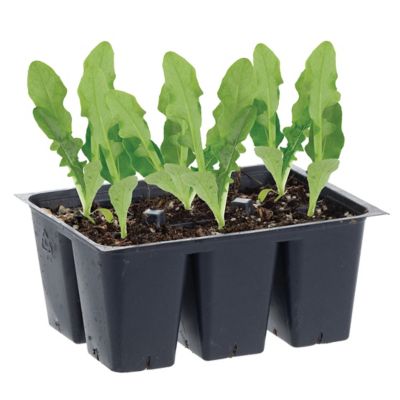
When it comes to planning a winter garden, there’s a lot more to consider than just what’ll survive a cold snap. Folks who want to keep their gardens lively during the cooler months look for hardy plants that can handle a chill and still bring some color or fresh harvest to the table. Whether you’re working a big backyard plot, a cozy raised bed, or just a few sturdy containers on the porch, the right mix of winter greens, root crops, and ornamental shrubs can keep your space looking good and producing all season long. For many, winter sowing seeds is a tried-and-true way to get a jump on spring, using the natural freeze-and-thaw cycle to toughen up young plants before the weather turns. It’s a smart move for anyone who likes to see those first shoots pop up as soon as the ground starts to warm—perfect for gardeners who want to get ahead or those teaching kids about the rhythms of the seasons.
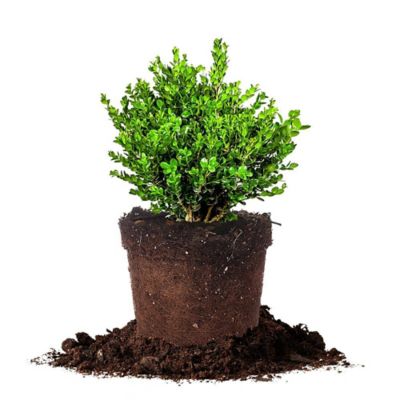
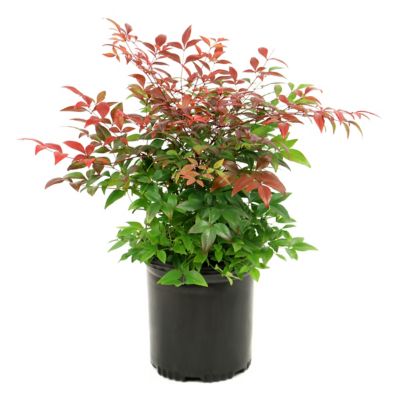
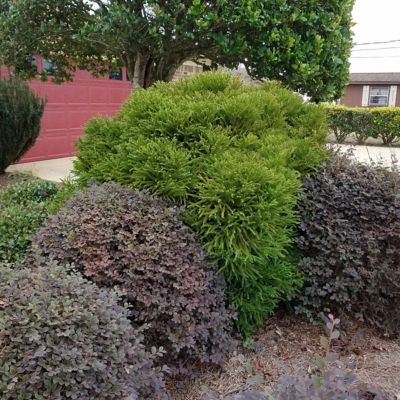
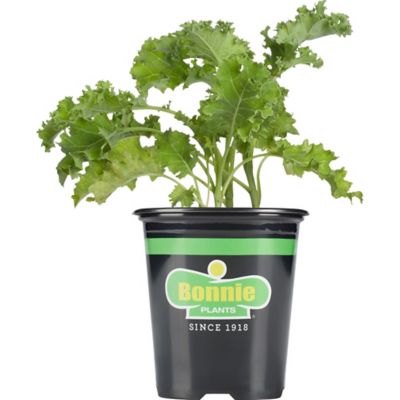
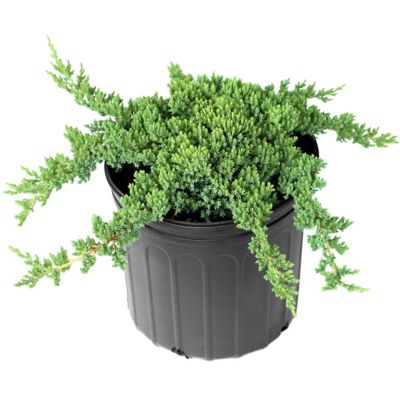
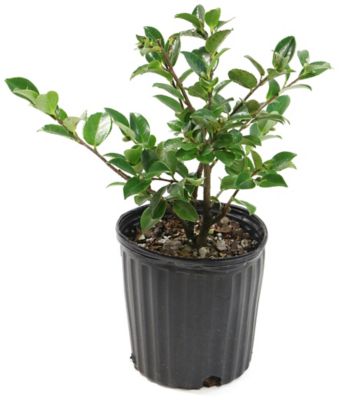
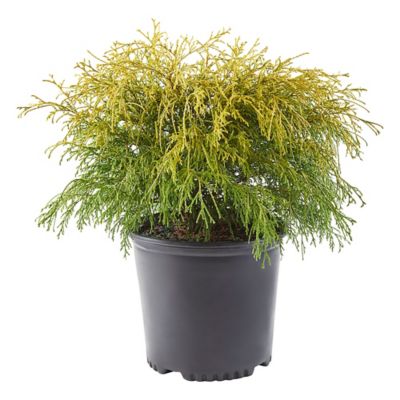
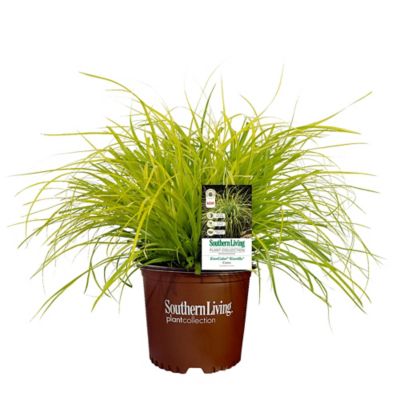
Winter gardens aren’t just for the seasoned grower, either. They make great projects for families, first-timers, or anyone who enjoys a bit of fresh air and dirt under their nails. Cold-hardy leafy greens like kale, spinach, and Swiss chard are a favorite for folks who want to keep picking fresh salads or hearty greens for stews, even as the days get shorter. Root vegetables such as carrots, beets, and radishes are well-suited for winter gardens, often getting sweeter after a frost. And for those looking to add some texture and color, grass plants, winterberry shrubs, and evergreen ground covers like wintercreeper keep garden beds and borders lively when most other plants are taking a break. These choices aren’t just practical—they make thoughtful gifts for anyone who loves gardening, whether it’s a neighbor, a grandparent, or a friend who could use a little more green in their life during the duller months.
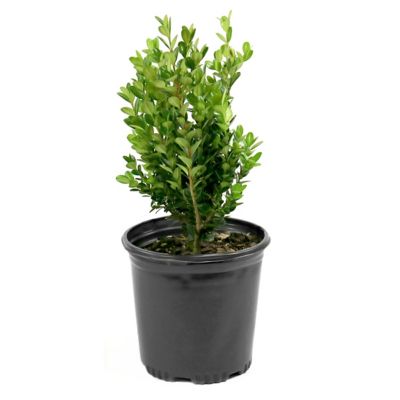
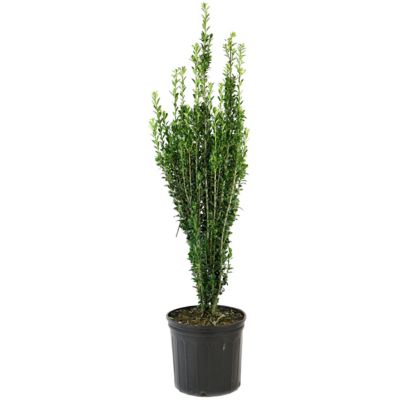
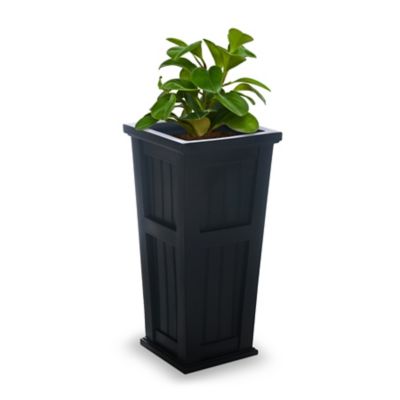
No matter your space or experience, setting up a winter garden is about finding what fits your lifestyle and climate. Some folks like to tuck cold-hardy vegetables into outdoor beds, while others prefer to brighten up entryways and patios with potted evergreens or winter-blooming shrubs. If you’re working with limited space or want to keep things mobile, sturdy containers and planters are a must-have—especially those built to handle freezing temps and heavy soil. For inspiration on how to get started or upgrade your setup, take a look at our selection of
Outdoor Planters for Winter. With the right mix of plants and a little planning, a winter garden can be a source of fresh food, cheerful color, and a welcome bit of outdoor activity as the weather shifts from warm to cool and back again. Whether you’re growing for the kitchen, the view, or just the joy of tending something through the off-season, a winter garden is a tradition worth keeping alive.