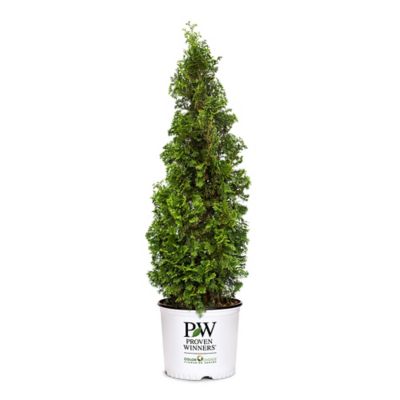
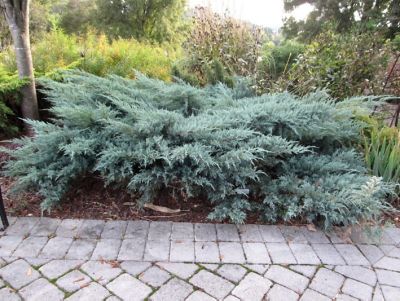
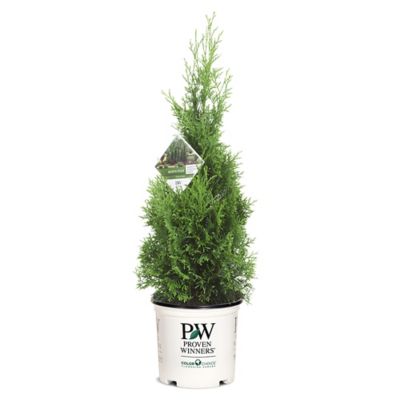
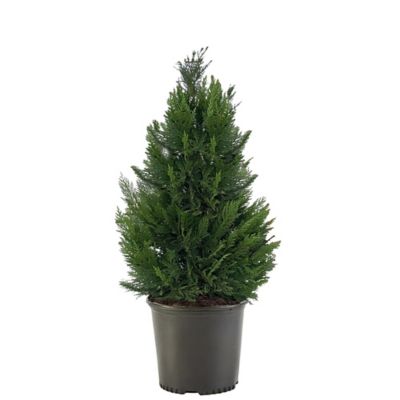
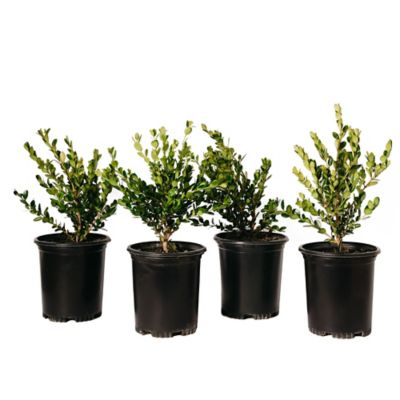
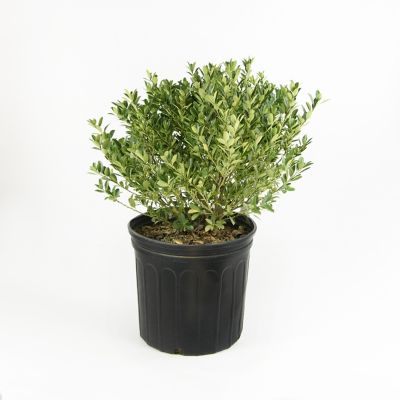
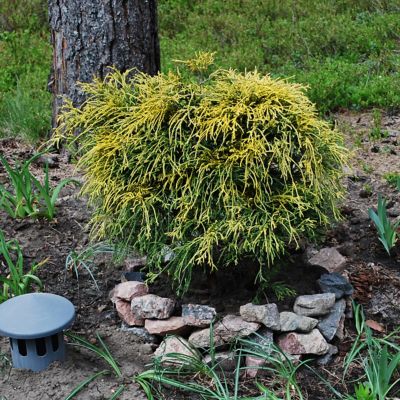
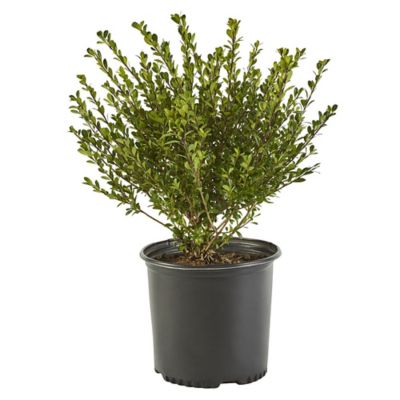
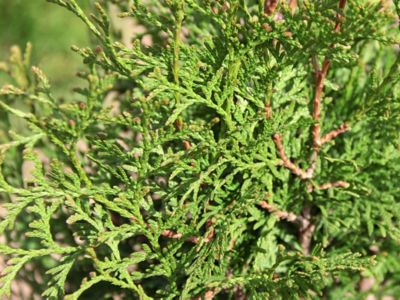
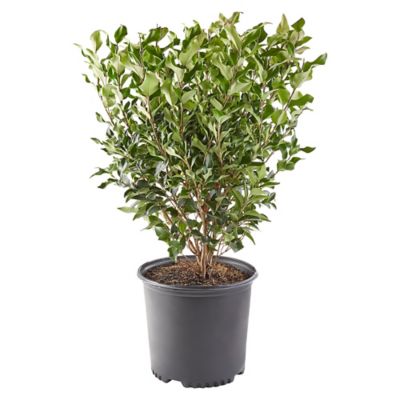
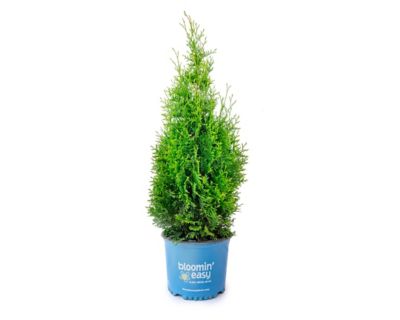
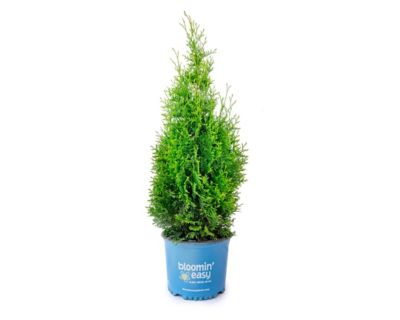
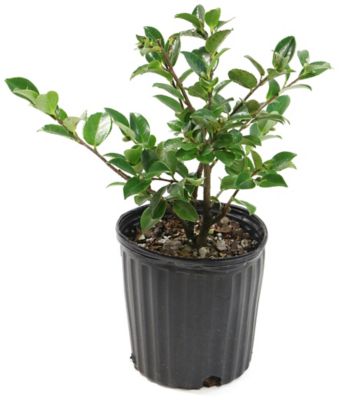
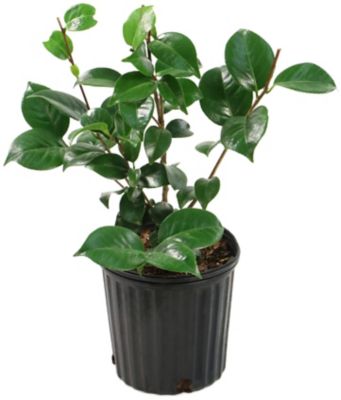
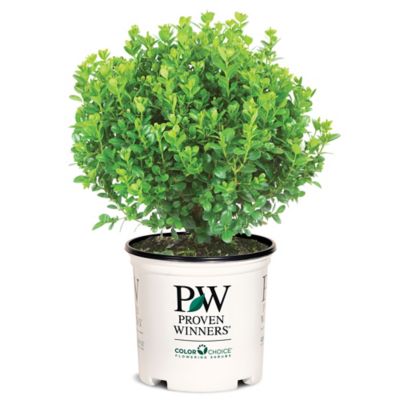
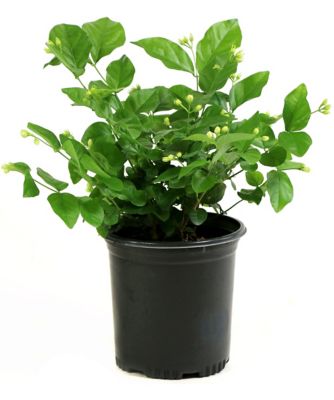
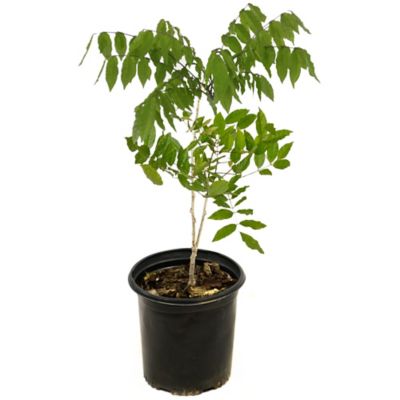
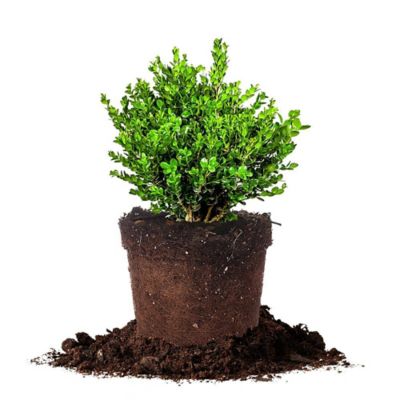
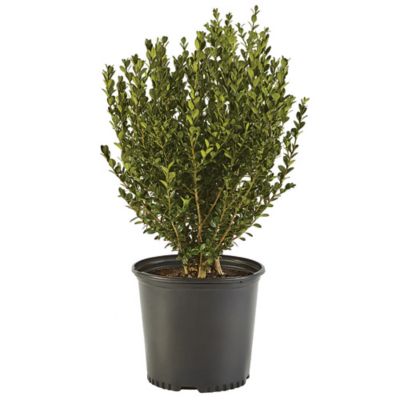
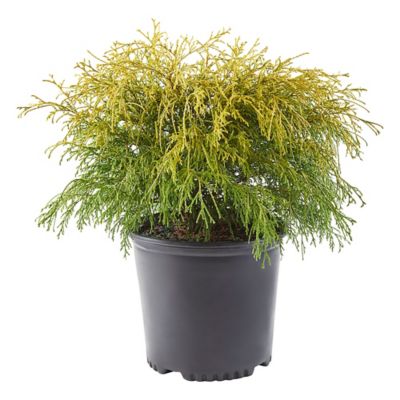
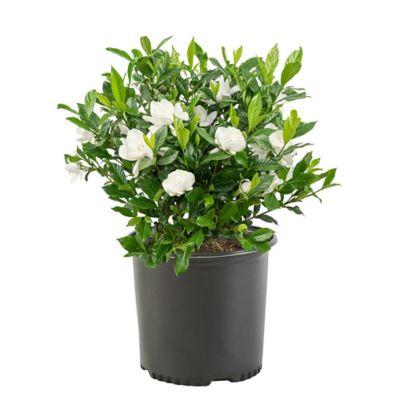
Evergreen hedge plants bring structure, privacy, and a little welcome shelter to a yard in every season. Unlike deciduous hedges that drop their leaves when the weather turns cold, evergreen choices keep their foliage or needles through the year, helping define property lines and soften the view of driveways, roads, neighboring homes, or outbuildings. They can also slow down wind, muffle some outdoor noise, and give birds a place to perch or take cover. The right plant depends on the job at hand. Broadleaf shrubs such as boxwood can be clipped into tidy borders around walkways, gardens, and entry beds, while holly offers glossy foliage and, on some types, bright berries that add color during the cooler months. Laurel grows into a lush, leafy screen, and yew is valued for its deep green needles, tolerance of shade, and ability to handle regular pruning. For taller privacy screens, upright conifers such as arborvitae and cypress can create a dense green wall when given enough room to reach their mature height and width. Before choosing, take a close look at the planting area throughout the day. Full sun, part shade, soil that stays damp, and dry sandy ground each favor different plants. Your USDA hardiness zone, local rainfall, winter exposure, and the amount of space between the hedge and nearby buildings all matter. A plant that stays narrow is often a better fit beside a fence or along a small side yard, while a fast-growing, wide-spreading hedge needs room to breathe and may eventually crowd paths, utility lines, or neighboring beds.
When comparing evergreen hedge plants, pay attention to mature size rather than the small size of a new plant in its container. A young shrub may look easy to tuck into a tight space, but its roots and branches will need room as it fills out. Check the expected height, spread, growth rate, and recommended spacing, then mark the planting line before bringing plants home. For a formal hedge with a smooth, even face, choose plants that respond well to trimming and set them at the recommended distance so the branches knit together without competing too heavily for water and nutrients. For a more natural screen, staggered rows can help close gaps and create a fuller appearance, though they require more room. Fast-growing evergreens can provide privacy sooner, but they may also need more frequent watering, shaping, and cleanup while they establish. Slow-growing selections take patience but are often easier to keep in bounds around foundations and garden borders. Soil drainage is especially important. Most hedge plants appreciate soil that holds moisture without staying soggy, and standing water around the roots can lead to trouble even when the foliage looks healthy. After planting, spread a layer of mulch over the root area while keeping it a few inches away from the trunk or main stems. Water deeply and consistently as the plants settle in, particularly during warm, dry stretches; steady moisture encourages roots to grow outward rather than remaining in a small, watered pocket. If your property tends to dry out quickly, explore
Drought Tolerant Evergreen Shrubs for options that may better match those conditions.
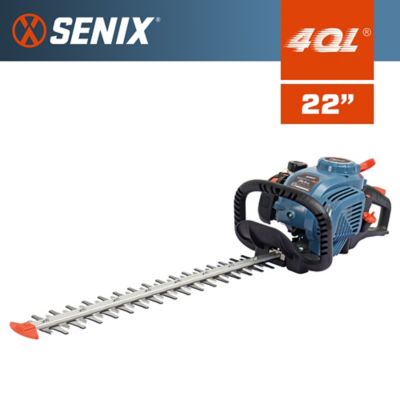
Evergreen hedge plants work for country properties, suburban yards, rental homes, farm lanes, and small urban lots, and they can be useful anywhere a little privacy or wind protection would make outdoor space more comfortable. A row along a back fence can give a patio a tucked-away feel, while a shorter planting can guide foot traffic without blocking the view from a porch. Around a barn, workshop, or garden, evergreens can help frame the space and reduce the bare look of a long fence line. They also make thoughtful gifts for new homeowners, gardeners, and anyone settling into a property that needs living structure; a few well-chosen plants can become part of the landscape for years, especially when matched to the recipient’s sunlight, soil, and available room. During late summer and the cooler months, inspect plants for dry roots, broken branches, winter exposure, and signs of browsing from deer or other wildlife. Some hollies and other selections have prickly leaves that can discourage traffic through a planting, while yew foliage can be harmful if eaten by people or animals, so placement and household safety deserve attention. Keep hedges clear of areas where children or pets regularly play when a plant has thorns, toxic berries, or irritating sap. Prune with a light hand once plants are established, shaping the hedge slightly wider at the base than at the top so sunlight can reach the lower branches. Avoid cutting into old wood unless the plant is known to recover well from hard pruning, and always use clean, sharp tools. With the right match for your space and a little steady care, evergreen hedge plants can turn an open yard into a greener, more comfortable place that looks settled in well beyond the growing season.