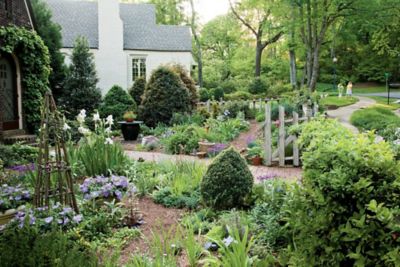
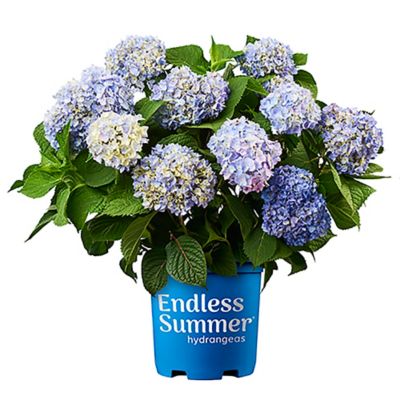
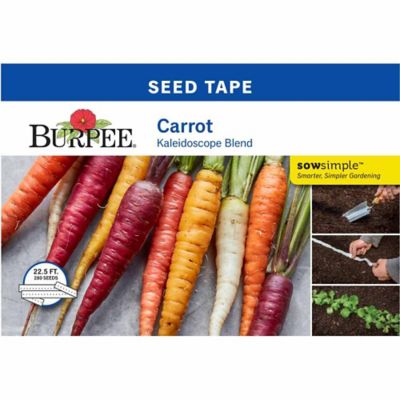
All-season gardening brings together plants, growing supplies, and everyday garden equipment to support a working garden through spring, summer, fall, and winter. The goal is more than a stretch of flowers: it is a space with lasting structure, staggered bloom times, healthy soil, and plantings suited to the land. That might mean a vegetable patch beside the barn, a flower border along the driveway, or a few roomy containers outside the back door. All-season gardening supplies serve different needs across those spaces, from starting seeds and building beds to managing moisture and protecting tender growth. Plant selection starts with the local climate. A USDA Plant Hardiness Zone describes average annual extreme minimum winter temperatures, making it a useful starting point for choosing perennials, shrubs, and trees; sunlight, drainage, summer heat, and exposure to wind matter, too. An open garden near a pasture can have very different growing conditions from a sheltered bed beside the house. Evergreens provide year-round foliage and form, while perennials return for successive growing seasons and annuals fill gaps with seasonal color. Spring flowers, summer blooms, fall foliage, and standing winter seed heads can each contribute something without requiring every part of the garden to flower at once. Mature plant height and spread are just as important as the appearance of a young planting. A shrub that fits beneath a window at planting time still needs room for its eventual size, and a crowded border can make watering, pruning, and checking for pests harder. For food gardens, local frost dates and the length of the growing season help shape planting choices, since a hardiness zone alone does not describe the time a crop needs to mature. Together, those considerations give year-round garden supplies a clear purpose: supporting plants that belong in the space, with enough access to keep up with routine care.
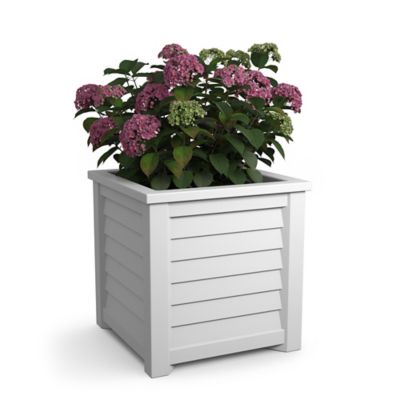
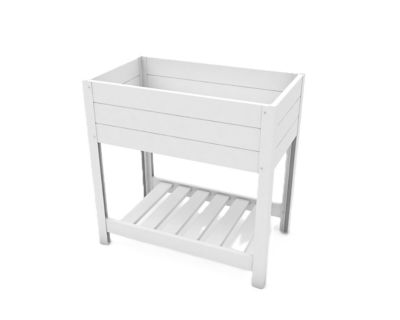
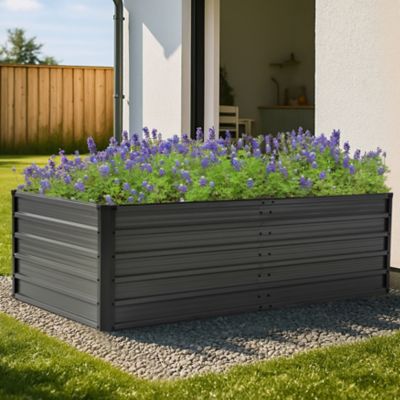
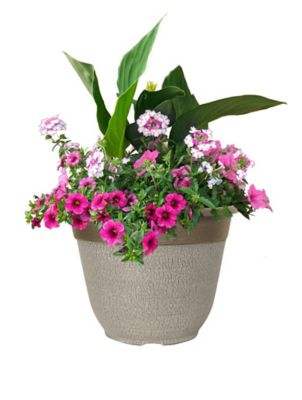
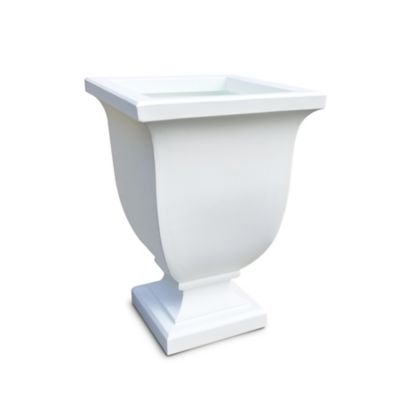
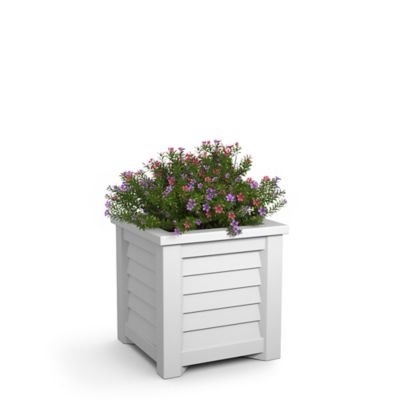
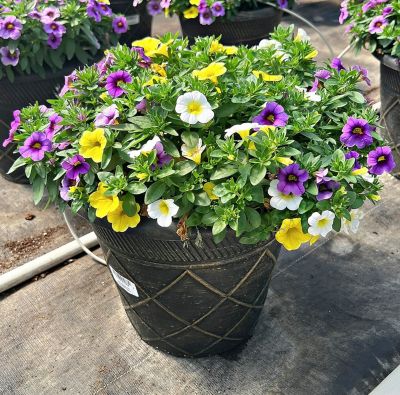
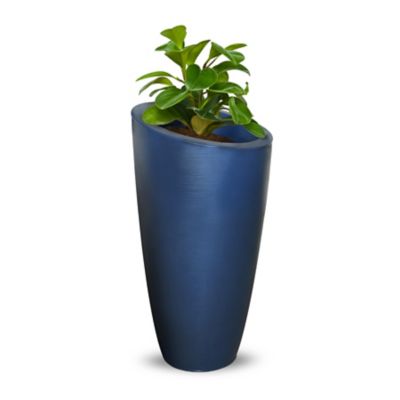
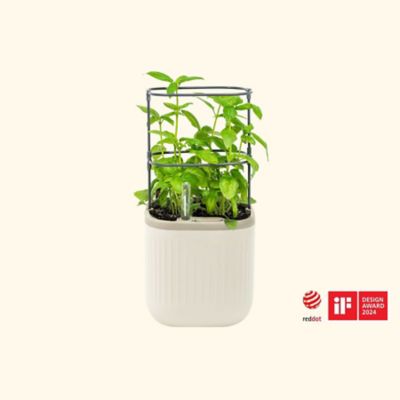
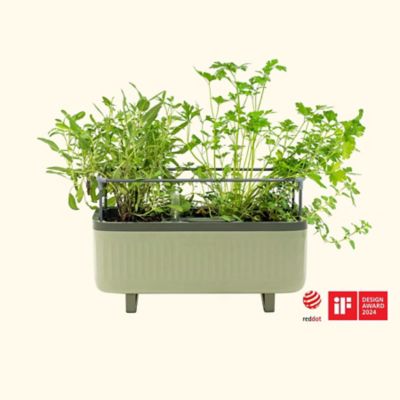
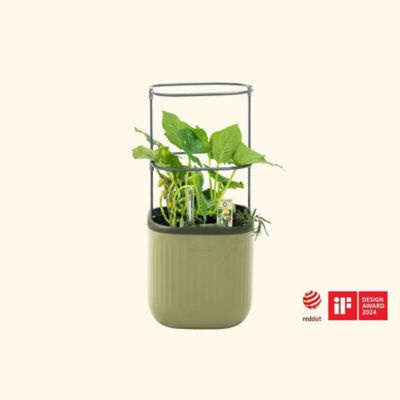
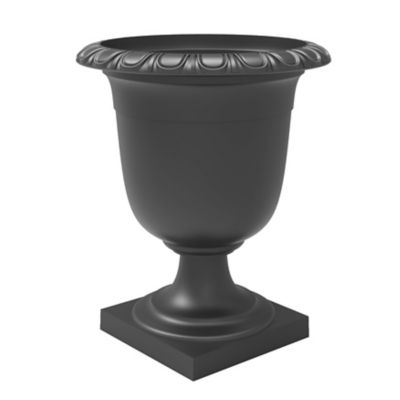
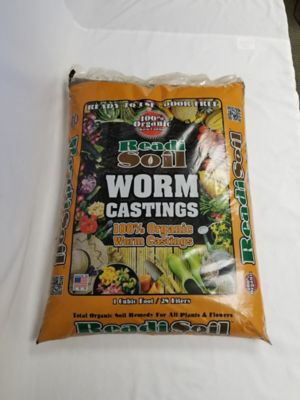
Soil, containers, and watering equipment form the practical backbone of an all-season garden. A planting bed with heavy clay calls for different attention than a sandy patch that dries quickly, and a container on a sunny porch behaves differently from either. Soil testing helps identify pH and nutrient needs before fertilizer becomes part of the routine. Compost and other suitable amendments can improve soil structure, while mulch helps conserve moisture, limit weed growth, and moderate soil temperatures. Mulch belongs over the root area rather than piled against trunks or plant crowns, where trapped moisture can cause trouble. For raised beds and containers, material, depth, and drainage all affect how well the setup suits the planting. Wood offers a familiar look around a farmhouse or kitchen garden, but ground contact and repeated wetting affect its service life. Metal provides firm sides and can heat up in direct sun. Lightweight resin containers are easier to move, while heavier clay or ceramic containers may need more careful handling and protection from freezing when wet. Drainage openings remain important regardless of material, and a container needs enough room for the mature root system, not simply the nursery pot. Potting mixes formulated for containers generally provide better drainage and aeration in pots than soil dug straight from the yard. Watering supplies deserve the same attention to fit. Hose length, connection size, bed layout, and water pressure influence whether a setup reaches the far row without pulling across seedlings. Drip irrigation and soaker hoses can deliver water near the soil surface, while hand watering makes sense for scattered pots or small planting areas. Moisture needs vary with plant type, root depth, rainfall, and exposure, so a fixed schedule is not always the best match. For a household tending both porch flowers and a larger vegetable patch, equipment that suits each space makes regular care less of a chore and helps avoid both dry roots and waterlogged soil.
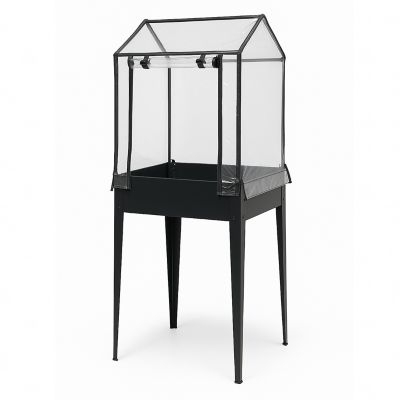
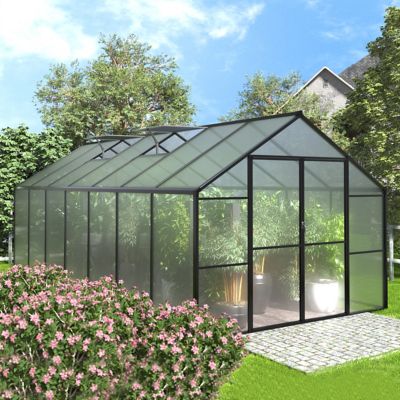
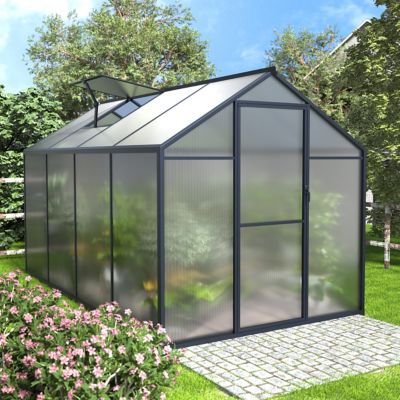
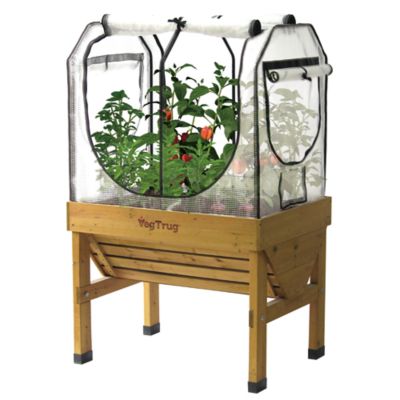
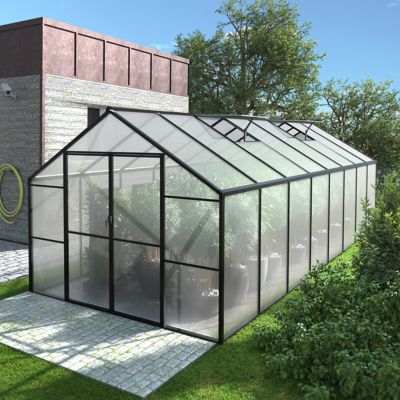
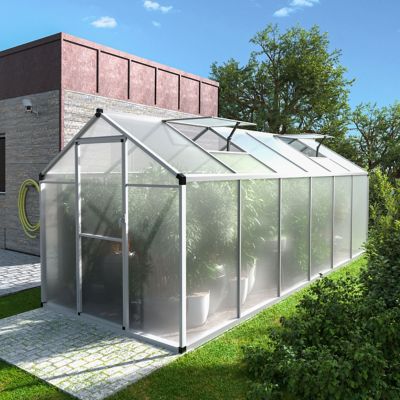
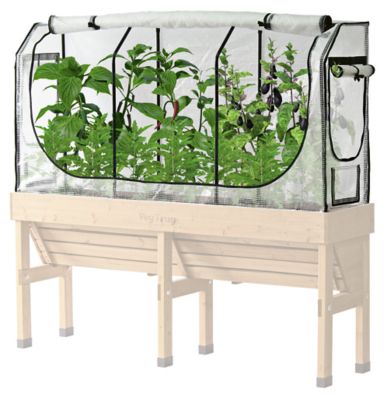
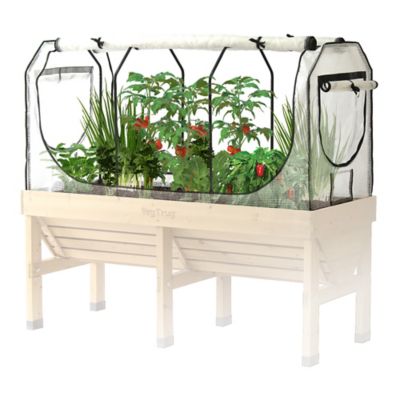
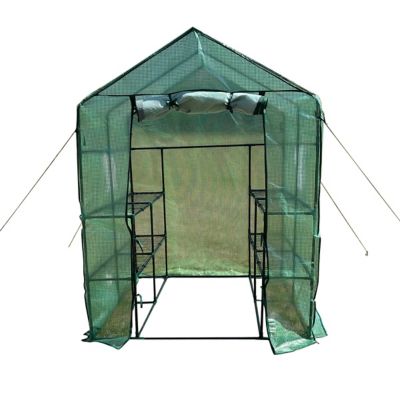
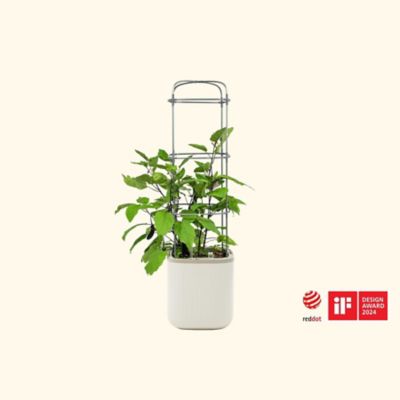
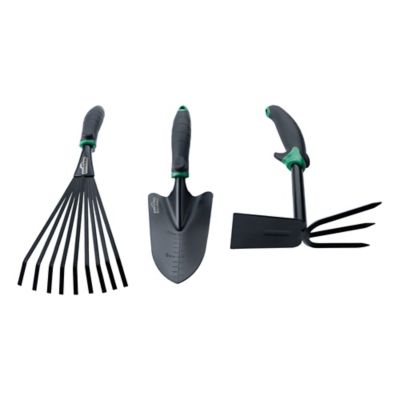
Garden tools, plant supports, and protective coverings round out the supplies that keep a garden workable across the year. Intended use matters more than having a shed full of equipment. A narrow hand tool suits close work between seedlings, while a longer handle can make reaching into a bed easier without stepping on the planting soil. Tool weight, grip shape, and handle length affect comfort, particularly during repeated digging or pruning. Steel working parts can handle demanding soil tasks when matched to the job, but cleaning away damp soil and drying metal before storage help limit rust. Wooden handles benefit from attention to splinters and loose connections, and cutting tools need sharp edges and sound moving parts for clean work. Gloves should fit closely enough to handle small stems without slipping, with materials chosen for the task; thorny brush calls for different hand protection than filling pots. Trellises and other supports need the height and strength to carry mature growth, especially where a loaded vine catches the wind. Frost cloth, row covers, and sheltered growing spaces can extend opportunities for some crops, but their protection depends on the material, installation, weather, and plant involved. A cover does not make a tender plant winter-hardy, and enclosed spaces may need ventilation on bright days to prevent excess heat. Supplies for mulching, clearing spent growth, and shielding vulnerable plantings also overlap with
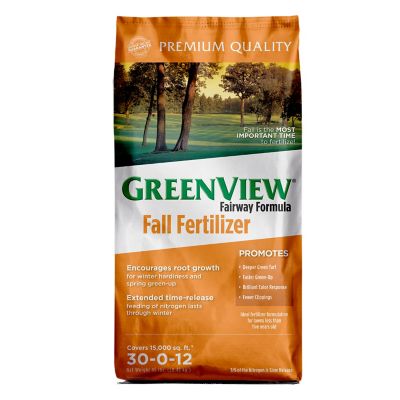
Fall Gardening Supplies, particularly where garden work includes preparing beds before freezing conditions. Regular pest checks and pruning timed to the plant help preserve the growth those supplies support. Storage matters as well: drained watering equipment, clean pots, and tools kept out of standing moisture are better prepared for their next stretch of work. For a first-time gardener, a longtime vegetable grower, or someone choosing a practical gift for a neighbor who always has something growing, useful selections begin with the recipient’s space and habits. The best fit is equipment that earns its place by the garden gate, ready for the actual jobs that keep beds, borders, and containers going.