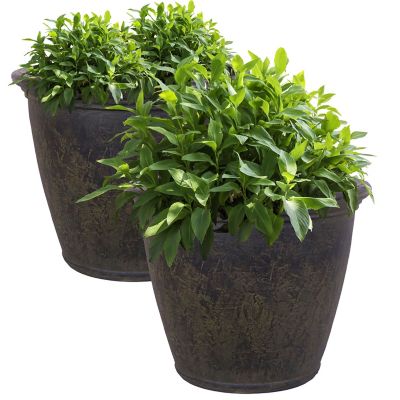
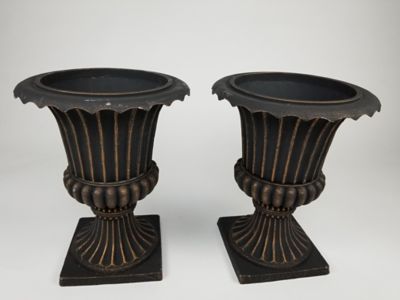
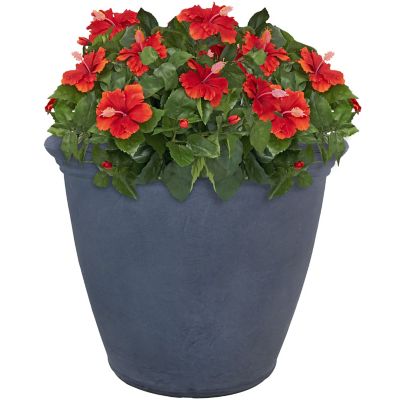
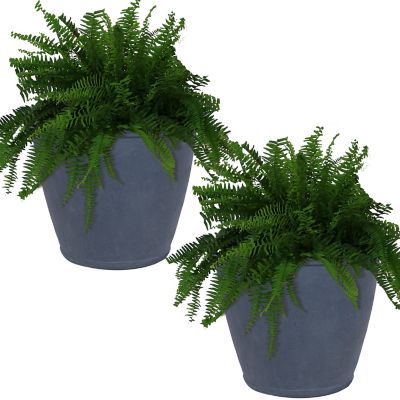
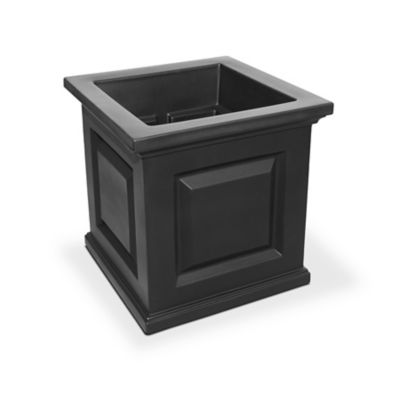
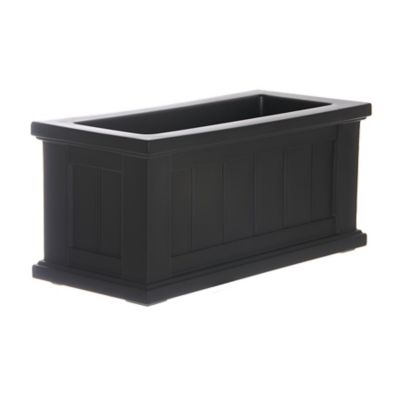
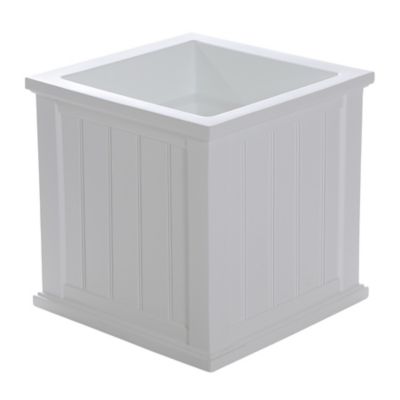
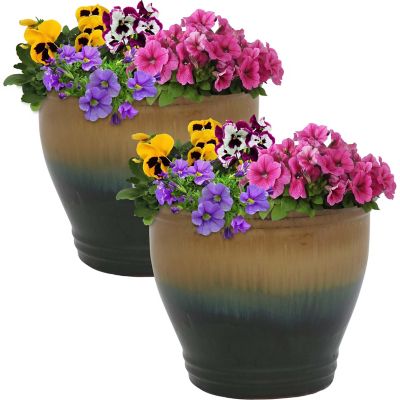
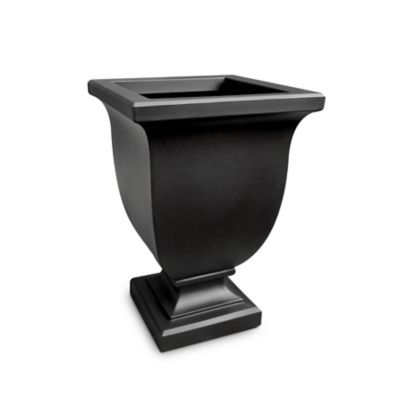
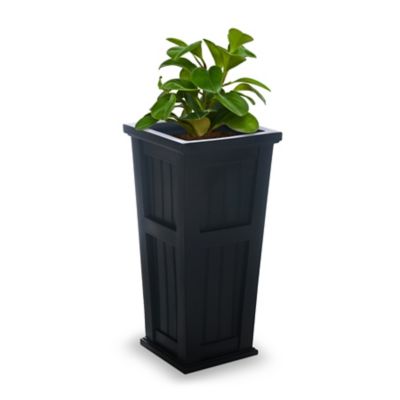
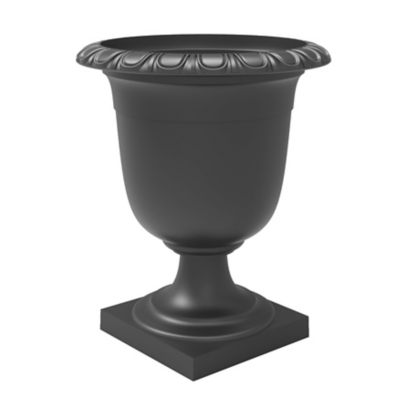
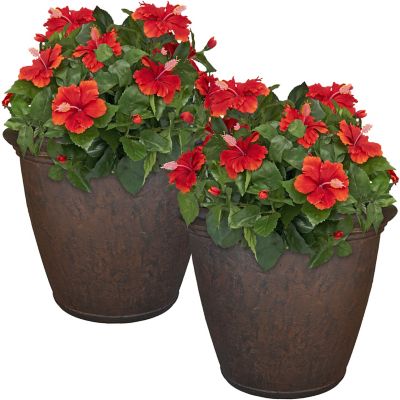
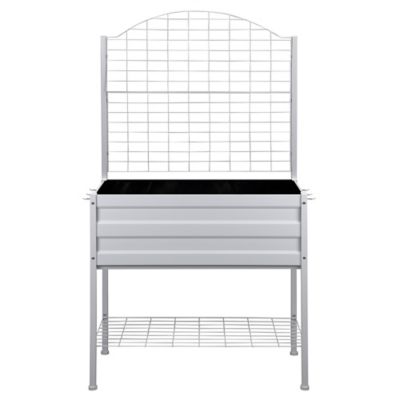
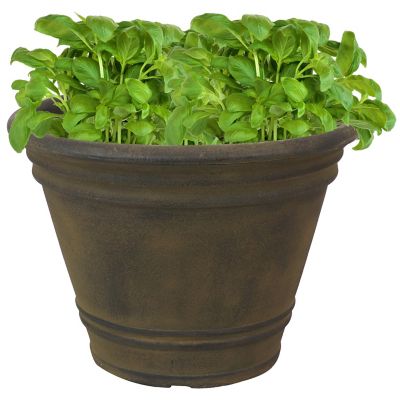
Outdoor planters for winter add structure, color, and a welcoming touch to porches, entryways, patios, and garden paths when flower beds are resting. A container filled with cold-hardy greenery or cut evergreen branches can give the front steps a finished look without taking over the whole porch. Winter containers also help frame a doorway, mark the edge of a sitting area, or bring a little life to the view from the kitchen window. The right fit starts with the space and what the planter needs to hold. A broad opening leaves room for a fuller planting, while a deeper container provides more space for roots and helps anchor taller stems. Generous soil volume can buffer temperature changes better than a small amount of soil, though it does not keep roots from freezing. Tall, narrow shapes offer height beside a door, but their balance matters on a windy porch or along an exposed driveway. A wider base and a lower center of gravity can make a container less likely to tip, especially when the planting rises well above the rim. Outside dimensions tell only part of the story; the inside depth and width determine how much growing room is available. On a working porch, there should still be room for the storm door to swing, muddy boots to land, and a shovel to pass without bumping the arrangement. A planter beside a handrail should not crowd the grip or narrow the steps. Filled weight matters, too, particularly on raised decks, older porches, or spots where containers may need to move under cover. For a farmhouse entry, a small-town front stoop, or a back patio overlooking the pasture, the best match is a container that suits both the planting and the way that space gets walked through every day.
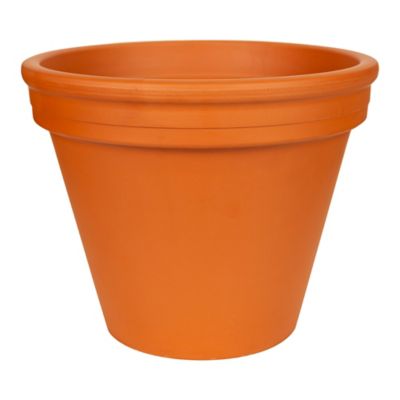
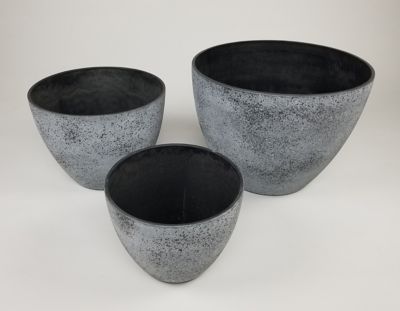
Material makes a big difference in how an outdoor winter planter handles moisture, freezing temperatures, and routine care. Resin and fiberglass containers can offer substantial planting space without the empty weight of stone or concrete, but their suitability for freezing conditions depends on their construction and the maker’s care directions. Some plastics become brittle in severe cold, so an outdoor label alone does not necessarily mean a container can stay exposed through repeated freezes. Concrete and stone bring weight that can help steady a planting, though cracks and absorbed water can cause trouble when temperatures rise and fall. Unglazed terra-cotta is porous and can split when moisture inside the material freezes; glazed pottery also needs a stated frost rating rather than an assumption based on its finish. Wood brings a natural look to porch boards and garden fences, with service life influenced by wood type, construction, drainage, and prolonged contact with wet soil. Metal containers have their own considerations, including corrosion resistance and rapid temperature changes around the root zone. Across materials, drainage deserves close attention. Open drain holes give excess water somewhere to go, while a blocked opening or a saucer full of water can leave roots sitting wet and increase the chance of ice buildup. A layer of gravel at the bottom does not replace drainage holes or a suitable potting mix. Feet or a stable riser may help keep openings clear and separate the base from a damp surface, provided the container remains level and secure. Potting mix made for containers generally drains and holds air better than heavy garden soil. Care instructions may call for shelter, emptying, or storage away from freezing conditions, even for a planter that spends much of its life outdoors. A covered porch can reduce direct rain and snow, but it does not make a container frostproof. Matching the material to the exposure helps keep the focus on the planting rather than preventable cracks, trapped water, or awkward moves after the soil has frozen.
What goes inside a winter planter depends on whether the goal is a living planting or a seasonal arrangement of cut stems. Cold-hardy shrubs, compact evergreens, and suitable perennial grasses can provide lasting shape, but a plant’s hardiness in the ground does not guarantee the same performance in a container. Roots above ground have less insulation, and exposure to drying wind can put extra strain on evergreen foliage. Local winter conditions, sunlight, mature root size, and shelter all matter. A porch tucked against the house presents a different setting from an open gate entrance with wind coming across a field. Living plants still need attention to moisture when the soil is unfrozen, especially beneath a roof where rain cannot reach them. Moist soil is the aim, not a container that stays waterlogged. Cut evergreen boughs, bare branches, and dried seed heads offer another way to fill a planter where maintaining living roots is not the priority. Stems need firm support, and the overall height should suit the weight and width of the container so a gust does not turn the arrangement into a porch cleanup. Natural materials can shed needles or seeds, making placement important around door tracks and frequently swept steps. Homes with curious pets or small children also benefit from careful plant selection, since some foliage and berries are harmful if chewed or swallowed. For someone who enjoys tending the porch or puttering around the yard, a winter-suitable planter can make a thoughtful gift when its weight, planting space, and care needs match the recipient’s home. Pairing outdoor containers with
Indoor Plants for Winter brings a touch of green from the front steps into the house, while keeping tender plants separate from those suited to outdoor cold. Whether the look is simple greenery by the back door or a fuller arrangement at the main entrance, practical proportions, sound drainage, and the right cold-weather rating give winter planters a useful place around the home.