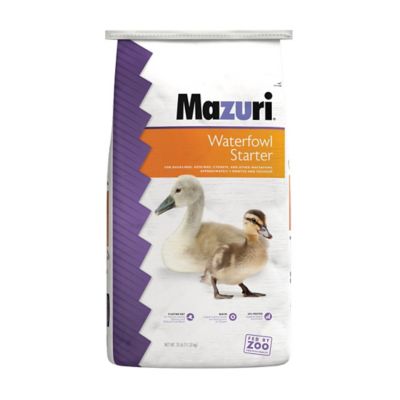
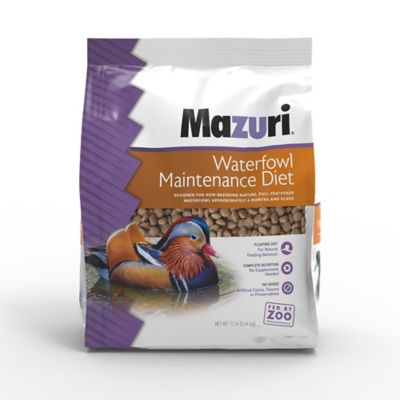
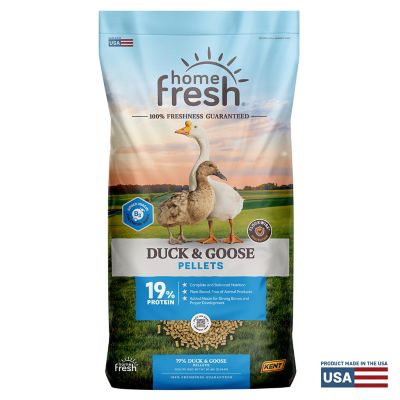
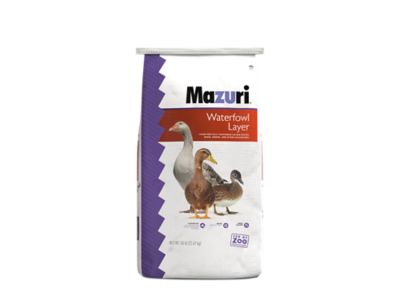
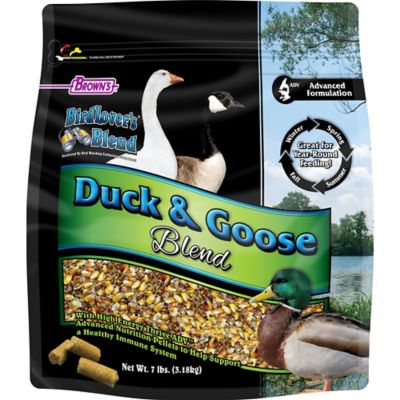
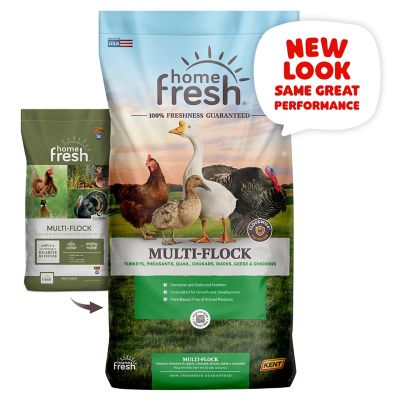
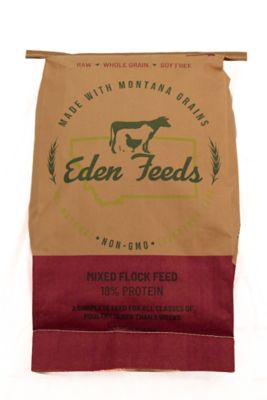
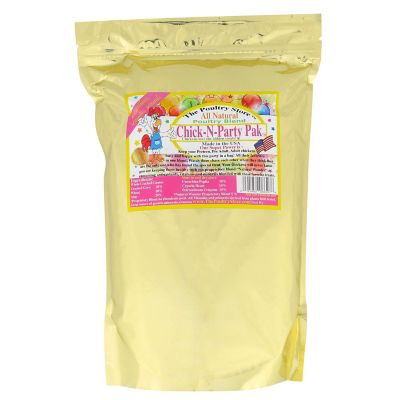
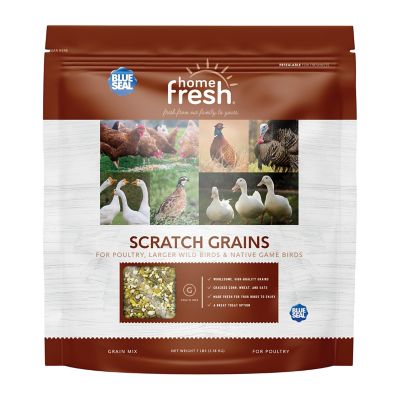
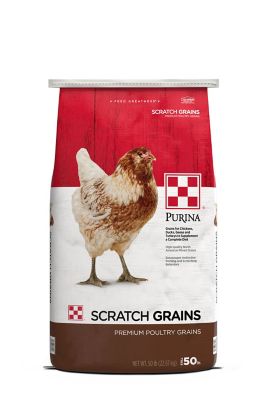
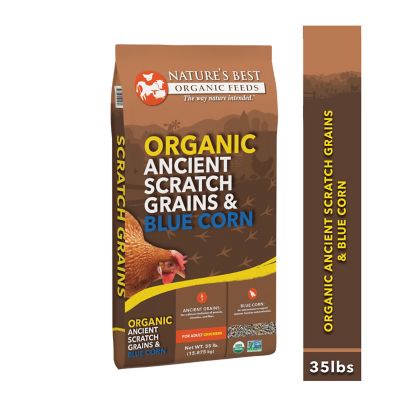
Geese eat mostly grasses and other tender vegetation, along with seeds and grains. For domestic flocks, complete waterfowl feed provides a measured source of nutrients alongside pasture, helping keep the ration balanced beyond whatever the birds find around the yard. Geese food can serve several different needs, from supporting fast-growing goslings to maintaining adult birds or supplying nutrients for egg production. The feed’s intended species and life stage matter more than a picture of a goose on the bag. A complete ration contains protein, fat, fiber, vitamins and minerals in proportions designed for the birds named on its label, while scratch grains and treats generally serve as additions rather than the whole meal. That distinction matters for a small backyard flock just as much as it does for geese roaming a larger farmyard. Tender grass and clover give geese plenty to graze, but pasture intake varies with the plants present, access to grazing and the birds themselves. A fixed scoop of feed will not fit every flock, so package directions, body condition and the amount of forage eaten all help shape the daily ration. For young birds, waterfowl starter or another starter explicitly labeled for goslings supports growth during the stretch from fuzzy hatchling to feathered youngster. Niacin is especially important for normal growth and leg development, and a feed suitable for chicks does not automatically meet a gosling’s needs. Adding supplements without checking the base ration can also upset its balance. A veterinarian or poultry nutrition professional can help when the label leaves questions about suitability or supplementation. Feed texture deserves attention, too: small crumbles are easier for little bills to manage, while appropriately sized pellets suit larger birds. As geese grow, moving between starter, grower and adult rations according to label directions helps match their changing needs without treating every bird in the pen as though it eats the same way.
For adult geese, food choices often center on maintenance, breeding or laying needs, with the flock’s routine helping determine which format works best. Pellets offer a consistent bite and can limit the sorting that happens when birds pick favorite grains from a loose mix. Crumbles provide a smaller texture, though loose particles can scatter when an eager goose sweeps its bill through the trough. Whole and cracked grains bring different textures to supplemental feeding, but corn, wheat or oats alone do not replace a balanced complete ration. A goose that fills up on grain may leave behind feed that supplies needed vitamins and minerals. The same goes for garden extras and treats handed over at the fence: small portions fit more easily into a balanced ration than a bucket of scraps. Fresh leafy greens, such as lettuce or chopped cabbage, can add variety, but fresh food should be clean and free of spoilage. Bread, crackers and salty snack foods are poor substitutes for waterfowl feed and can crowd out more nourishing meals. For laying females, calcium needs differ from those of growing birds and nonlaying adults, so a ration intended for egg production calls for a different look at the label. Separately offered oyster shell may fit a laying flock’s feeding plan, but extra calcium is not a blanket requirement for every goose. Mixed poultry yards need a little extra thought here. A feeder shared by hens, ganders and goslings can make it hard to know which bird is getting which ration. Separate feeding spaces can help when nutritional needs differ. Browsing
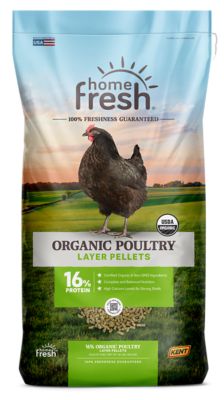
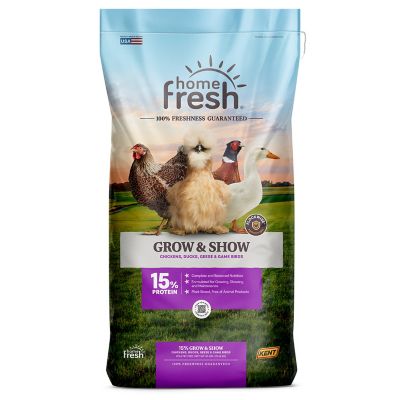
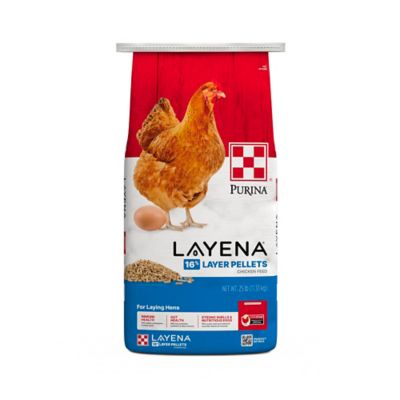
Chicken Food can be useful for households tending both chickens and geese, but chicken feed should not be assumed suitable for waterfowl without checking its labeled purpose and nutrient profile. Even when the birds share a fence line, each group still needs feed suited to its age and role in the flock. Keeping those differences in mind makes a feed choice more useful than simply matching bag size to the number of birds.
Practical details around the feed pan matter just as much as the ingredients inside the bag. Geese need fresh drinking water whenever they eat, with access that lets them dip their bills and clear their nostrils. A swimming pond does not replace a clean drinking source, especially when birds muddy the water around a busy feeding spot. For goslings, water arrangements also need to account for their size and safety, keeping drinking access separate from any risk of becoming trapped or soaked. Feeders that give birds room to reach the ration without standing in it help limit manure and bedding contamination. In a flock with one pushy bird, more than one feeding spot can give quieter geese a fair chance at a meal. When geese eat whole grains or forage, appropriately sized insoluble poultry grit helps the gizzard grind that material; oyster shell supplies calcium and does not take the place of grit. Whether additional grit is needed depends partly on the ration and access to suitable natural grit, so package directions remain helpful. Storage is another consideration when choosing a bag size. Feed keeps best in a clean, dry, pest-resistant container, away from damp floors and spilled water. Saving the label and lot information makes feeding directions easy to find and gives a veterinarian useful details if a flock problem comes up. Rotate bags so older feed goes first, and discard anything moldy, musty, wet or otherwise spoiled rather than mixing it into a fresh batch. Mixing smaller portions of moistened feed can reduce leftovers, but damp feed needs prompt cleanup because it spoils more readily than dry feed. For backyard keepers and farm families alike, the best fit is geese food that matches the birds, works with their grazing access and stays manageable through everyday chores. These feeding considerations apply to domestic geese; feeding wild geese at parks or ponds may be restricted and can contribute to crowding and water contamination.