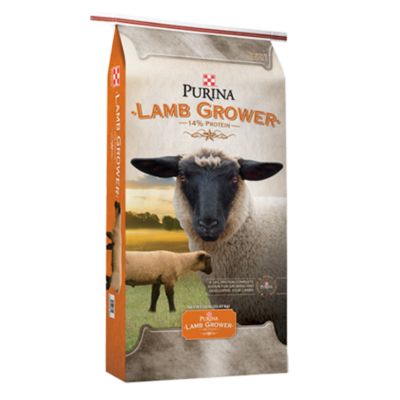
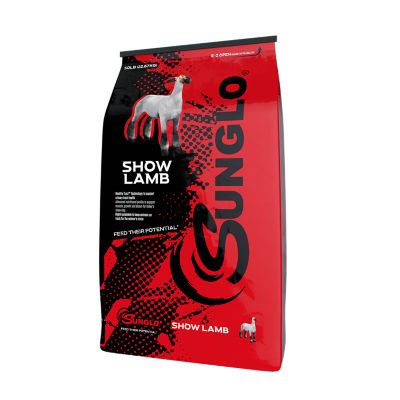
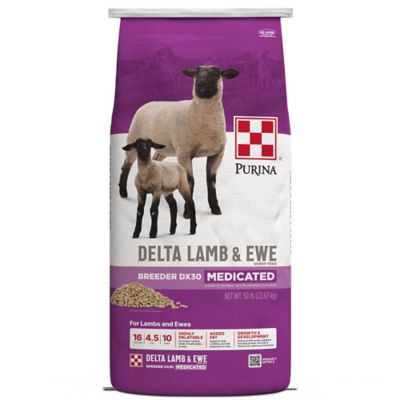
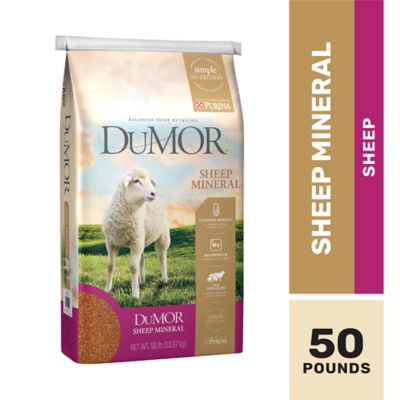
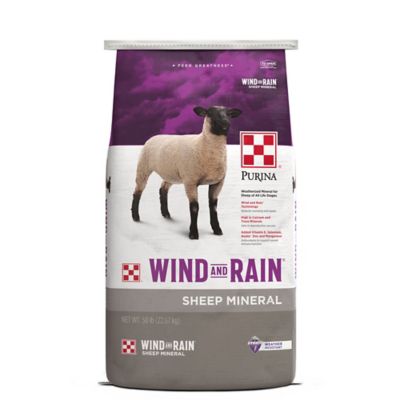
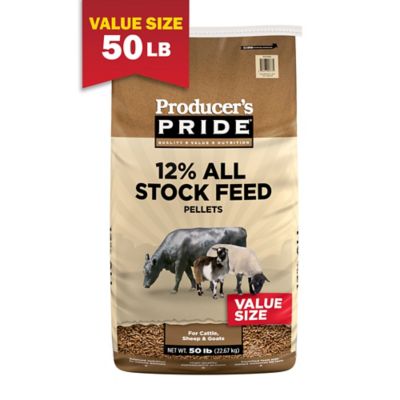
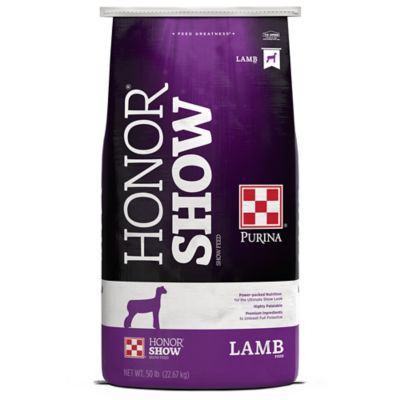
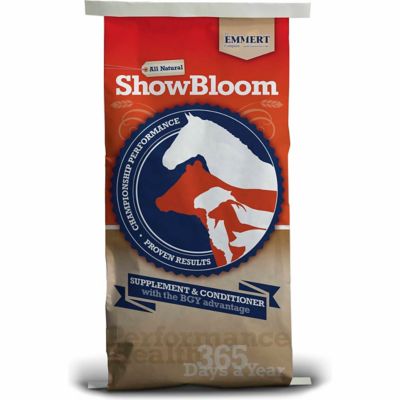
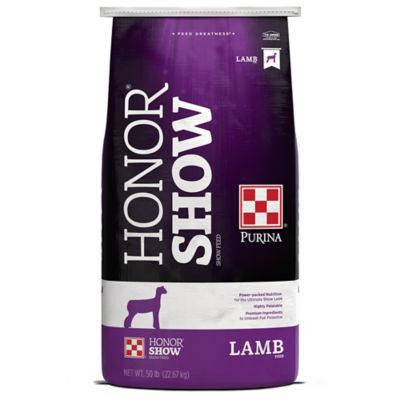
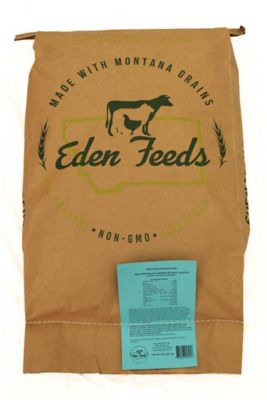
Raising lambs is a rewarding job, whether you’ve got a handful of bottle babies in the barn or a whole flock grazing out in the pasture. When it comes to keeping your lambs growing strong, healthy, and happy, having the right lamb feed on hand is key. Lamb starter feed is specially designed for those first few weeks of life, packing in the high protein and energy young lambs need for lean muscle development and a healthy start. These feeds are often finely ground or crumbled, making it easy for little mouths to nibble and digest. As lambs get older and start to wean, their diet shifts to coarser, pelleted rations or grain mixes, usually made from ingredients like soybean hulls, oats, and corn. Grower and finisher feeds help them put on weight steadily without piling on too much fat, and the protein level gently steps down as they mature. Most folks look for lamb feed that’s formulated with the right vitamins and minerals, and many options come medicated to help prevent common issues like coccidiosis. It’s also smart to make sure your feed includes ammonium chloride to guard against urinary calculi, a problem that can pop up in fast-growing lambs. Keeping a steady supply of clean, fresh water and free-choice sheep minerals (without added copper) rounds out the basics for a healthy flock.
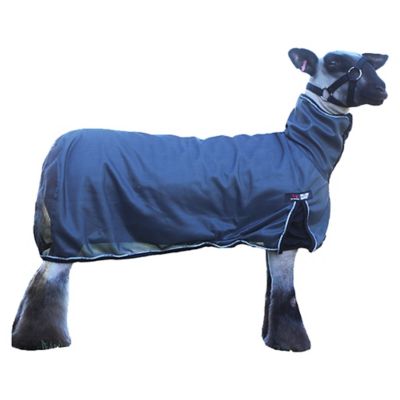
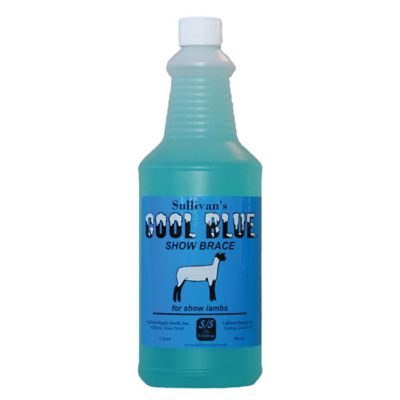
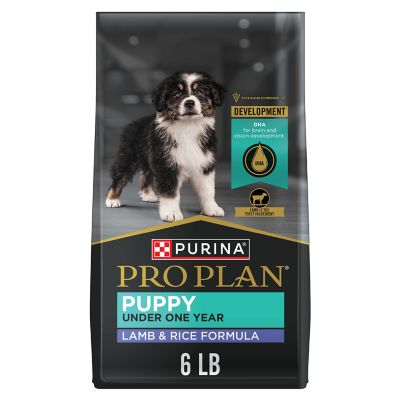
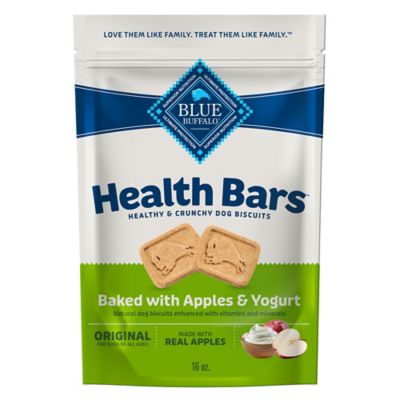
If you’re new to raising lambs or just want to make sure you’re giving your animals the best, it helps to know what to look for when shopping for lamb feed near me. Think about the age and size of your lambs, and whether you’re raising them for show, breeding, or meat. Bottle-fed babies and orphaned lambs have special needs, so starter feeds with higher protein and extra palatability are a must. If you’ve got older lambs out on pasture, a grower ration with a bit more energy will help them finish out nicely. Many folks like to keep a creep feeder set up in the pen, letting young lambs snack on grain while keeping bigger sheep out. This way, the little ones get all the nutrition they need without competition. For those who love sharing the farm life with friends and family, a bag of quality feed for lambs or a basket of lamb supplies makes a thoughtful and practical gift for any shepherd—especially when new lambs arrive in the spring or as the weather warms up and the flock is out enjoying the green grass. And if you’ve got working dogs or family pets tagging along for chores, don’t forget to check out our
Lamb Dog Treats for a special reward after a long day in the field.
From the first bottle feeding to the final finishing ration, choosing the right lamb feed is all about supporting your animals’ health and making life easier around the farm. Look for feeds that match your goals, whether you’re aiming for blue ribbons at the county fair or just want to see your lambs thrive out on pasture. Good feed, plenty of clean water, and a little bit of know-how go a long way toward raising strong, healthy sheep. No matter if you’re stocking up for the busy lambing season or just topping off the feed bin, you’ll find everything you need to keep your flock moving forward, season after season.