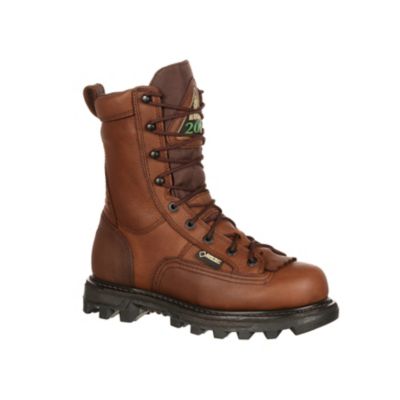
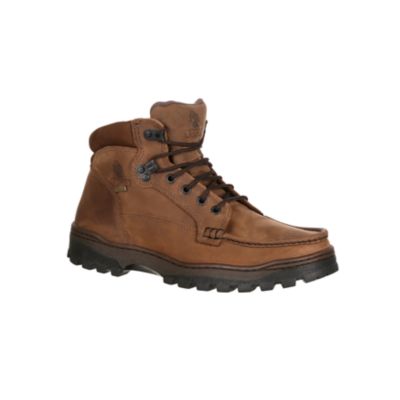
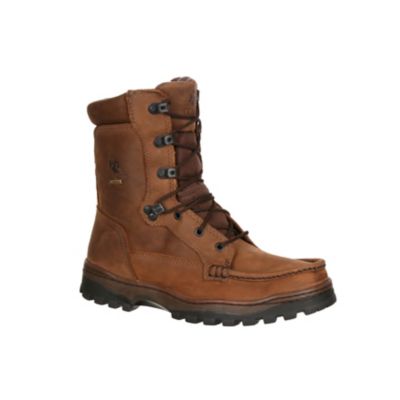
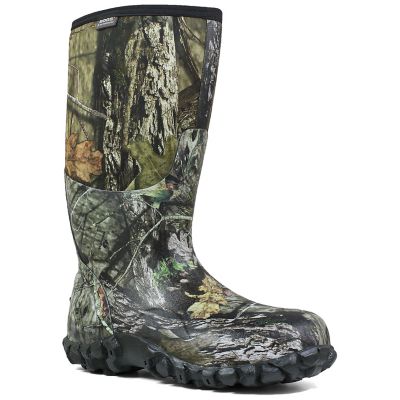
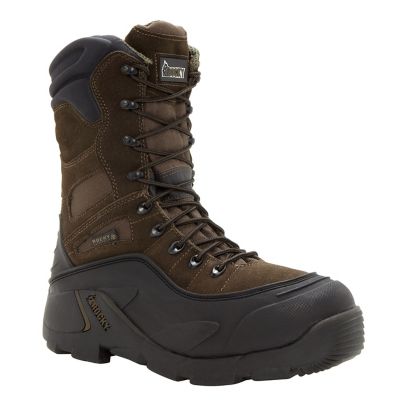
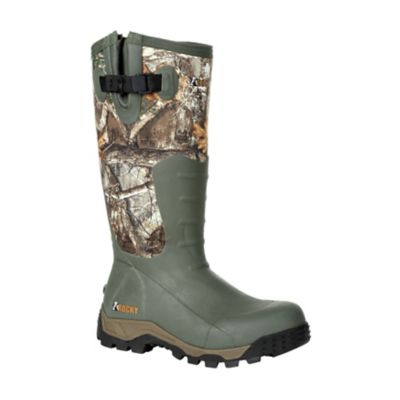
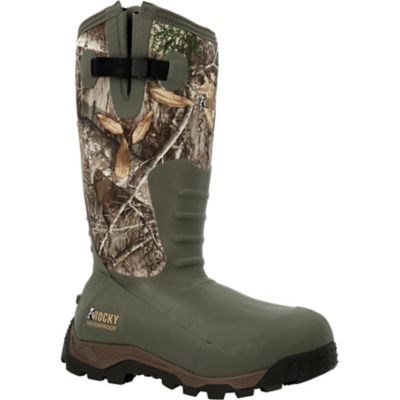
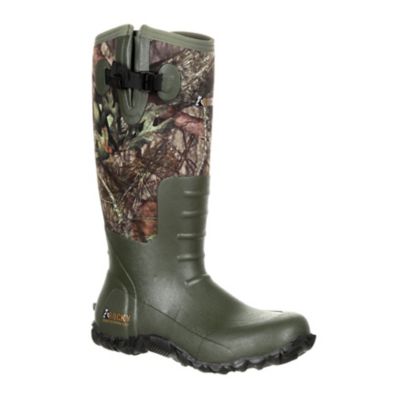
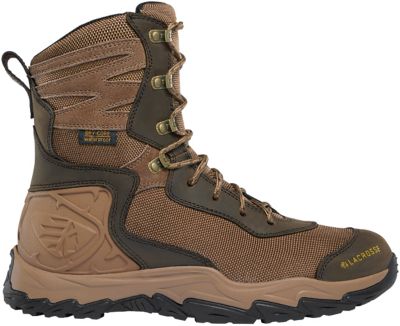
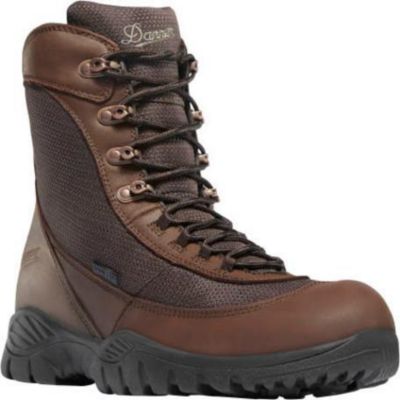
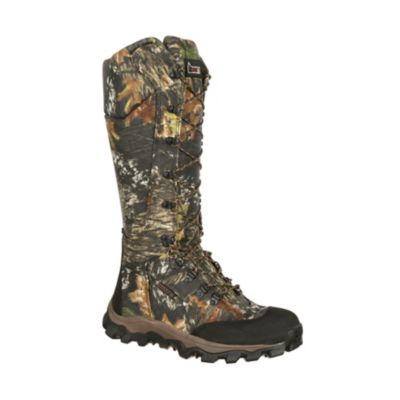
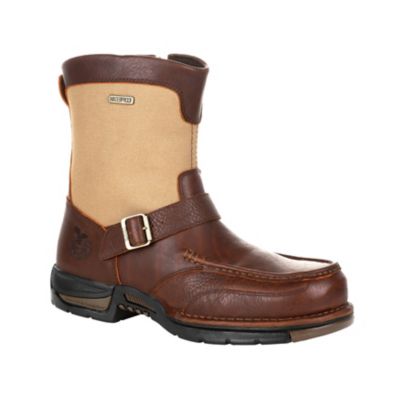
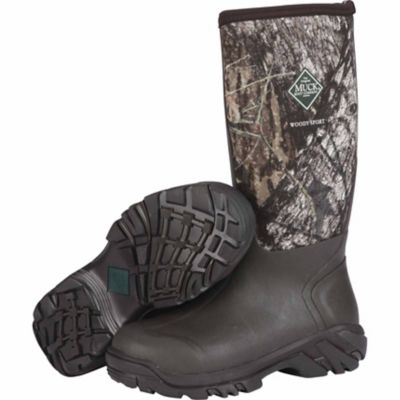
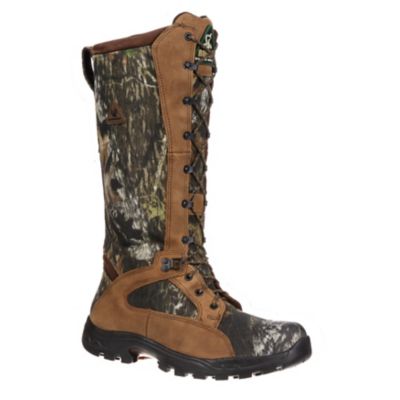
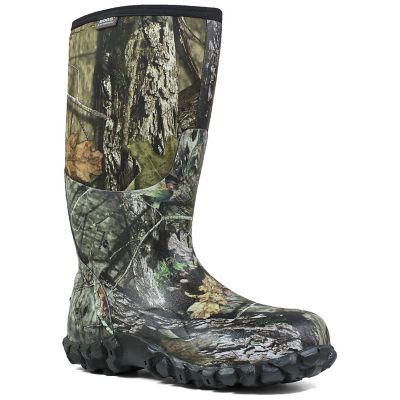
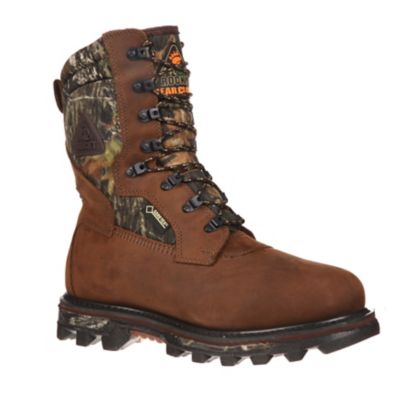
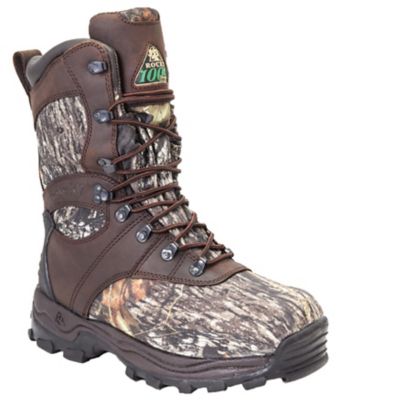
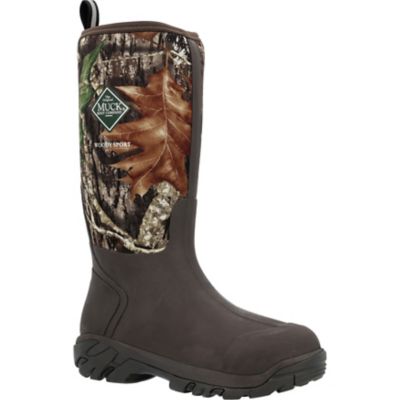
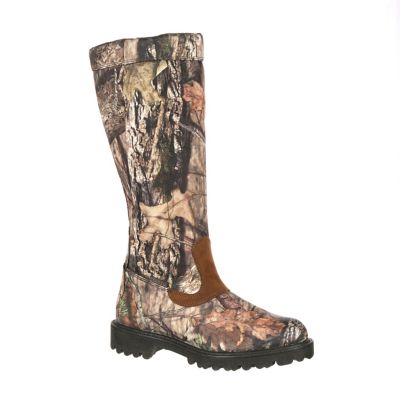
Pheasant hunting boots are built for long walks across the kind of ground that makes upland hunting special: frosty field edges, waist-high cover, cut corn, grassy draws, creek crossings, and brushy fence lines where a rooster may flush with little warning. The right pair helps keep your feet dry, steady, and comfortable while you cover ground with a dog and hunting partners. Look for a balance of support and weight. Lightweight boots can help reduce fatigue during a full day of high-output walking, while a firm heel and supportive ankle can make uneven ground easier to handle. A shaft measuring about 8 to 9 inches is a popular choice for pheasant hunting because it helps keep wet grass, weed seeds, burrs, and loose dirt from finding their way over the top. It also offers useful ankle coverage when stepping through ruts or climbing a bank. Waterproof construction is especially valuable when morning dew still clings to the cover or when a field is damp from recent rain. Waterproof membranes and sealed booties help block moisture while allowing some heat and perspiration to escape, and treated leather or durable synthetic panels can add protection where briars and stubble tend to rub. Breathable materials matter during warmer walks, while insulated pheasant hunting boots can be a better fit for colder conditions or hunters who spend long stretches standing in a blind or along a hedgerow.
Pay close attention to the sole when comparing pheasant hunting boots. Upland ground changes quickly, and a boot that feels fine on a packed path may need more grip in loose soil, wet grass, or a steep hillside. Rubber lug patterns with moderate, well-spaced traction can help you move confidently without collecting heavy clumps of mud or catching on thick grass. A flexible forefoot makes it easier to walk naturally over miles of ground, while a stable midsole helps take the sting out of rocks, hard stubble, and uneven terrain. Fit is just as important as the materials. Your heel should stay planted without lifting, your midfoot should feel secure, and your toes should have enough room to move without sliding forward on a downhill stretch. Try boots on with the hunting socks you expect to wear, preferably later in the day when feet have had time to swell. Thick wool or moisture-wicking socks can improve comfort, but leaving enough room for circulation is important, particularly in insulated footwear. Some leather boots need a gradual break-in period, so wearing them around the farm, on a walk, or while doing chores can help identify pressure points before a long hunt. A little boot conditioner can keep leather supple, while brushing dried mud from any boot and allowing it to air-dry away from direct heat can help extend its service life. Hunters who spend time training dogs, scouting cover, or caring for birds may also appreciate durable footwear that works beyond the field; browsing related supplies such as
Pheasant Feeds can make it easier to keep hunting and animal-care needs together.
Pheasant hunting boots can be a practical gift for a seasoned upland hunter, a first-time hunter building a dependable field setup, or anyone who enjoys walking rural ground with a bird dog. They are useful for more than the hunt itself, including scouting, habitat work, farm chores, sporting-clay days, and cool-weather hikes where protection from damp grass and rough cover is welcome. When choosing a pair as a gift, consider the recipient’s usual hunting conditions and personal preferences. Someone who covers miles behind a pointing dog may favor a lighter boot with breathable waterproof protection, while a hunter who works through thorny cover or colder ground may prefer a taller, sturdier, or insulated design. Hunters in wet regions may place waterproofing at the top of their list, while those in dry grasslands may value ventilation, flexibility, and a lighter feel. A clean, neutral color can suit both field use and everyday outdoor wear, and a sole with reliable traction is useful on everything from muddy access roads to rocky creek banks. Once boots are in use, simple care goes a long way: remove dirt after each outing, let the interior dry fully, inspect the laces and eyelets, and check the tread for packed mud or worn areas. Bringing a spare pair of socks in a vehicle or pack is a small comfort that can make a long day much more enjoyable. Whether the morning starts under a cool gray sky or the weather warms by midday, well-fitted pheasant hunting boots help keep attention on the dog, the cover, and the next stretch of field instead of sore, wet feet.