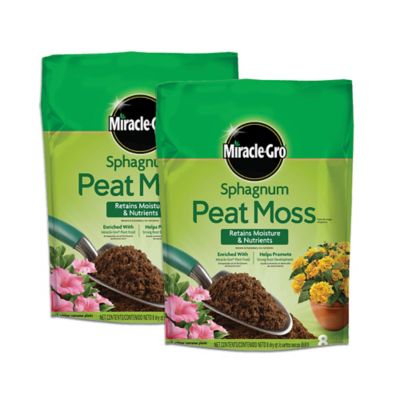
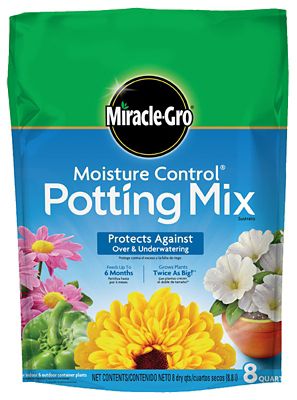
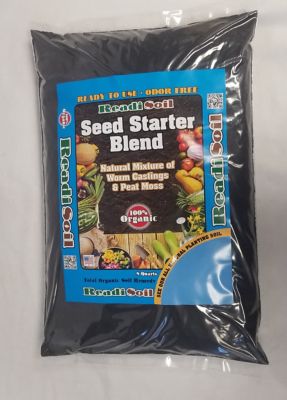
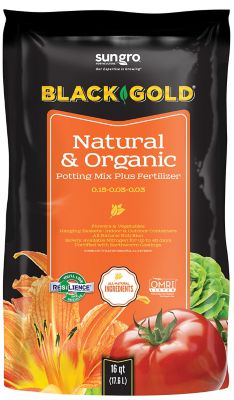
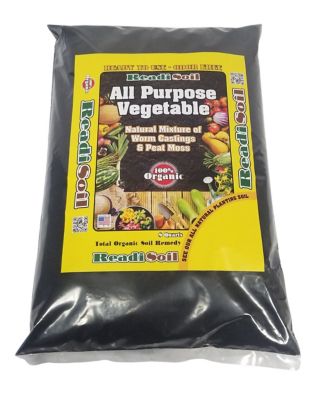
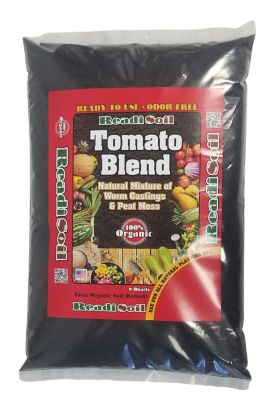
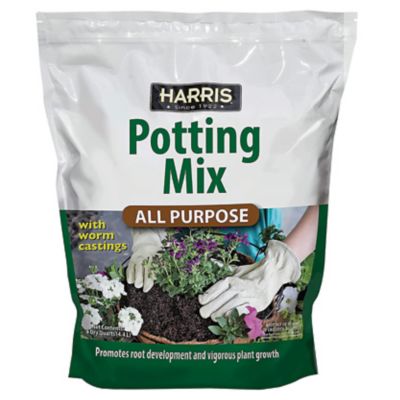
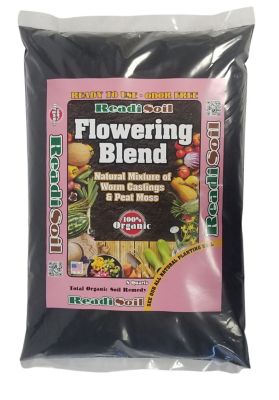
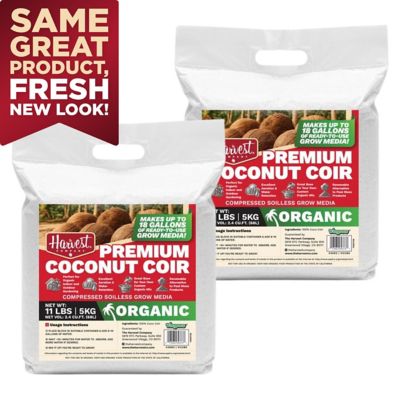
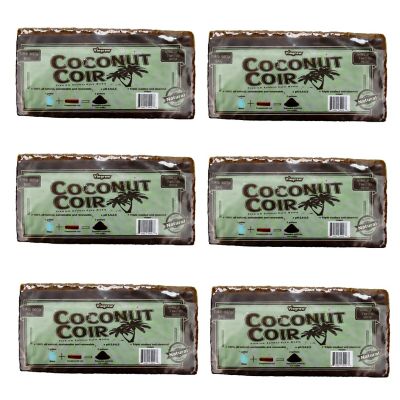
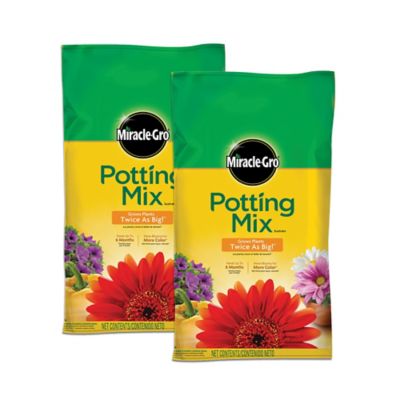
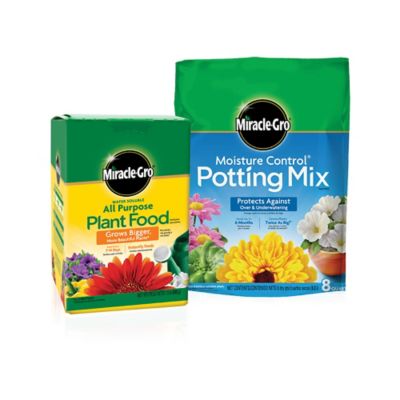
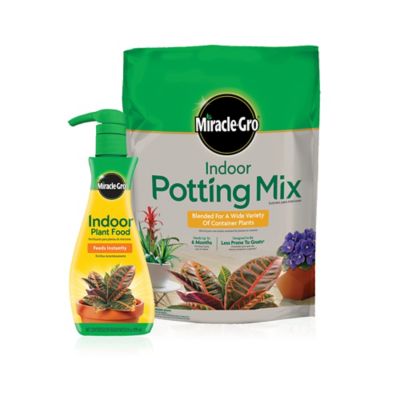
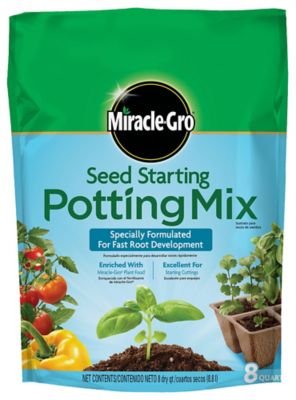
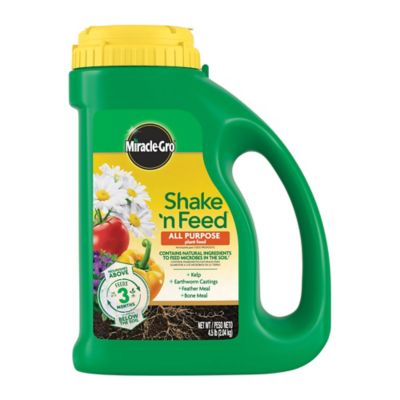
When it comes to keeping houseplants healthy and thriving, peat moss is a real workhorse in the potting shed. Folks who’ve spent any time potting up ferns, African violets, or just about any indoor green friend know the value of a good soil mix, and peat moss is one of those ingredients that can make all the difference. It acts like a sponge, soaking up water and slowly releasing it back to the plant roots, which is a huge help for anyone who forgets a watering here and there or has plants that like their soil a bit more moist. Peat moss also keeps the soil from getting compacted, letting roots breathe and stretch out the way they need to. If you’ve ever tried to grow plants in heavy, sticky soil, you know how tough it can be for roots to push through. Mixing in peat moss gives your potting mix a light, fluffy texture that helps roots grow strong and healthy. It also helps hold on to those important nutrients, so every time you water, you’re not just washing away all the good stuff your plants need.
Peat moss isn’t just for the seasoned plant folks either—it's a great pick for beginners, busy families, or even as a thoughtful gift for someone just starting their indoor gardening journey. Maybe your neighbor’s been talking about sprucing up their windowsill, or your aunt wants to try her hand at growing herbs in the kitchen. A bag of peat moss, along with a few other potting mix essentials, makes a practical and much-appreciated gift. As the weather shifts from the warm days of summer into the cooler months, houseplants can get a little fussy about their soil conditions. Adding peat moss helps keep moisture levels even and creates the slightly acidic environment that acid-loving plants crave. Just remember, peat moss works best when it’s used as part of a blend—about a quarter to a third of your mix is plenty. Too much peat moss can hold on to more water than most houseplants like, which might lead to soggy roots. It’s a good idea to pre-wet the peat before mixing, since it can be a bit tricky to get it evenly moist once it’s in the pot.
Whether you’re repotting an old favorite or starting fresh with a new plant, using peat moss in your potting mix is a smart move for anyone who wants lush, vibrant houseplants. It’s easy to work with, stores well between uses, and pairs nicely with other soil amendments like perlite or compost. For more details on how to get the best results when working with peat moss, including tips on mixing ratios and prepping your soil, check out our guide on
Peat Moss for Potting Soil. With a little know-how and the right supplies, you’ll have your indoor jungle looking its best all season long.