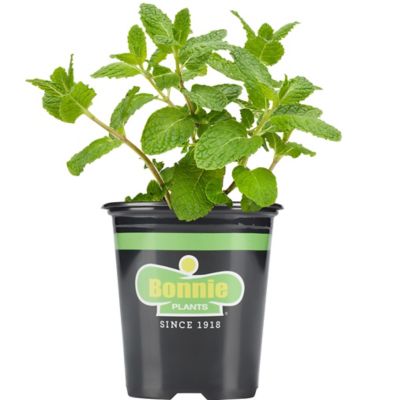
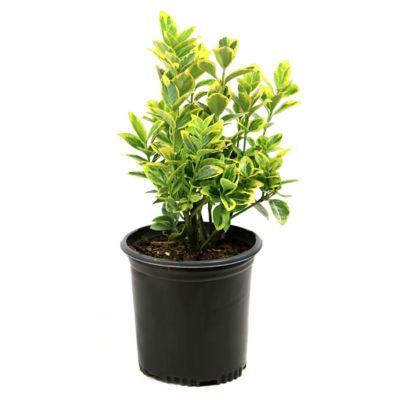
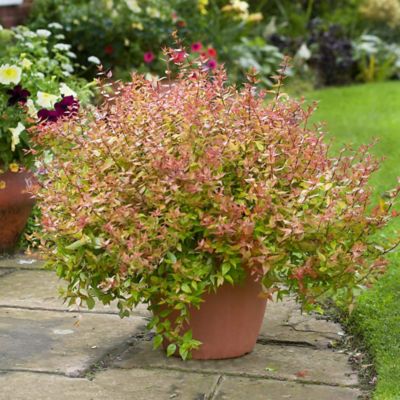
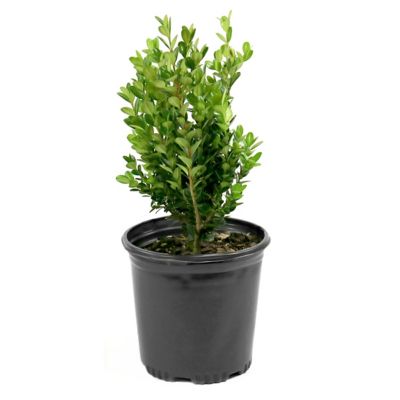
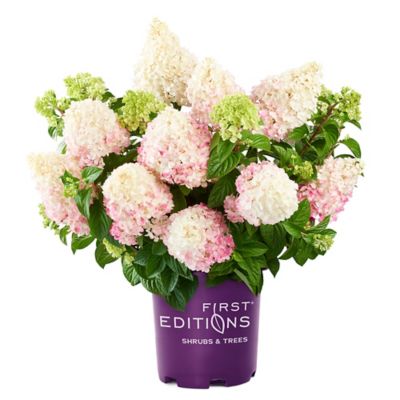
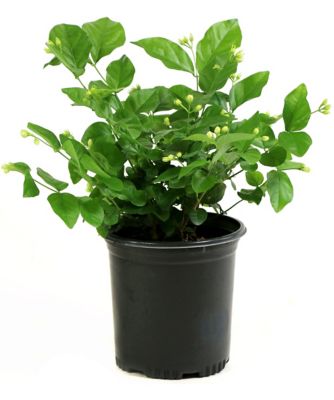
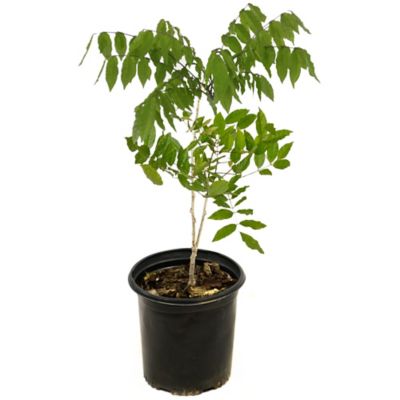
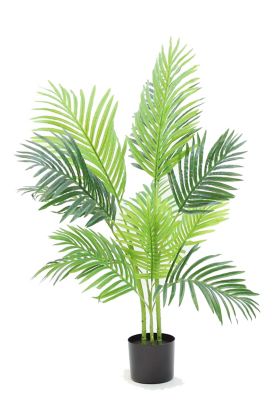
Potted plants bring a little life to just about any space, from a sunny kitchen window and a front porch to a workbench, mudroom, office, or quiet corner of the living room. They are a practical choice for folks who want greenery without digging up the yard, and they make thoughtful gifts for new homeowners, teachers, coworkers, friends, and family members who enjoy a touch of nature indoors. A potted plant can brighten a room during the warmer part of the year, then move inside when cooler weather arrives. Look for plants that fit the conditions you have, rather than trying to make a plant fit a spot that does not suit it. Bright, direct sunlight works well for some flowering and sun-loving plants, while low-light foliage plants are often better for hallways, bedrooms, and rooms with shaded windows. If a space gets only indirect light, choose a variety known to handle those conditions. A plant that matches the available light will generally be easier to care for and more likely to stay healthy. Keep in mind the mature size, too. A small pot may be just right for a shelf or desk, while larger potted plants can anchor an entryway or fill an open corner. Containers can also help set the tone of a space, whether you prefer a simple, useful look in the farmhouse kitchen or a more finished appearance on the porch. For homes with pets or young children, check plant safety before bringing greenery indoors, and place pots where they will not be knocked over or chewed.
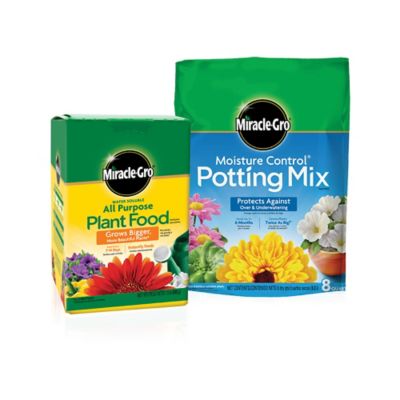
A sound container and healthy growing medium make a big difference in how well potted plants settle in. Whenever possible, choose a pot with a drainage hole so extra water can escape instead of sitting around the roots. A saucer or tray helps protect floors, shelves, and porch surfaces from drips. Lightweight potting mix is usually a better choice than heavy garden soil for container plants because it allows air and water to move through the roots. Watering needs vary by plant, pot size, room temperature, and sunlight, so a simple finger check is often more useful than following a strict calendar. Press a finger into the top few inches of soil; if that area feels dry, water thoroughly until a little excess runs from the bottom, then empty any standing water from the saucer. If the soil still feels damp, give it more time. During the warmer season, bright windows and outdoor locations may dry pots faster, while cooler months and dimmer indoor spaces can slow evaporation. Watch for drooping leaves, yellowing, dry edges, or soil that pulls away from the sides of the pot, as these signs can point to watering or placement trouble. Turn indoor pots from time to time so all sides receive light, and wipe dusty leaves gently with a soft, damp cloth when needed. Outdoor potted plants may need protection from strong wind, sudden cold snaps, or heavy rain, especially when they are placed on raised porches or exposed patios. Grouping containers together can create a fuller display and make watering easier, while
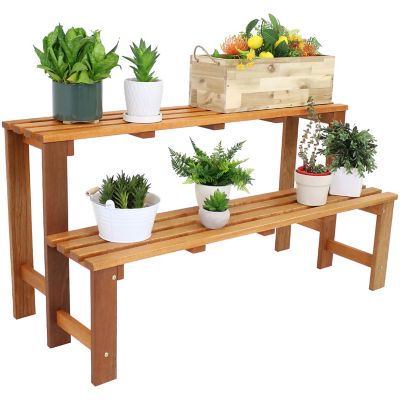
Plant Stands for Multiple Plants can help arrange greenery at different heights so each pot gets better visibility and, in some cases, more usable light. Make sure any stand sits on a steady, level surface and can safely support the combined weight of the containers and wet soil.
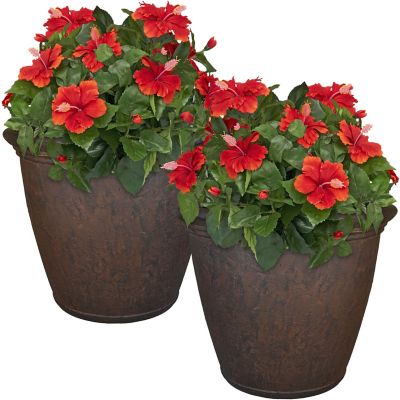
Potted plants are also handy for adding seasonal color without committing to a permanent garden bed. Flowering containers can dress up a porch or walkway as the weather warms, while leafy plants, compact herbs, and hardy indoor greenery can keep a home feeling fresh during the cooler months. Use larger outdoor containers near a door or along a railing, and keep smaller pots on a windowsill, kitchen counter, bathroom shelf, or desk. Plants with upright growth can add height to a plain corner, while trailing foliage softens the edge of a bookcase or hanging basket. When choosing a gift, consider the recipient’s routine and space. Someone with a sunny patio may enjoy a colorful container that welcomes visitors, while a busy friend may appreciate a low-maintenance plant that can go several days between waterings. A small potted plant paired with a decorative container makes a warm housewarming gift, and a useful herb plant can be a welcome addition for anyone who enjoys cooking. For offices, dorm rooms, apartments, and other smaller spaces, compact plants provide a natural accent without taking up much room. Before setting a plant outdoors, allow it to adjust gradually if it has been growing inside, and bring cold-sensitive plants to a protected location when temperatures begin to fall. Check leaves and stems occasionally for insects, remove damaged growth with clean snips, and repot only when roots are crowded or water runs straight through the container. With the right light, a pot that drains well, and a watering routine based on the soil’s condition, potted plants can remain a dependable, good-looking part of the home through changing seasons.