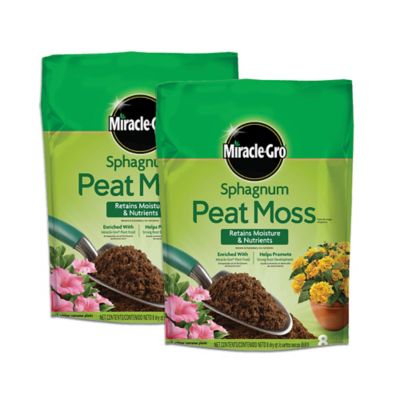
Peat moss for indoor plants is a handy soil amendment for houseplant owners who want a lighter, more moisture-friendly potting mix. Made from partially decomposed plant material collected from peat bogs, it has a soft, earthy texture and can help improve the structure of ordinary potting soil. Dry peat moss feels light and dusty, but once it is moistened, it acts much like a sponge, holding water around the roots and releasing some of that moisture gradually. That can be useful for plants that dry out quickly in small pots, hanging baskets, seed-starting containers, or rooms with warm, dry air during the cooler months. Peat moss also helps loosen heavier soil so roots have room to spread, while its naturally acidic pH—often around 3.5 to 4.5—can be helpful for plants that prefer slightly acidic growing conditions, including many ferns and African violets. It is not a complete potting medium or a source of substantial plant nutrition, however. For most indoor plants, it works best as one part of a balanced mix rather than as the whole growing medium. A common starting point is about 30% peat moss by volume, combined with quality potting soil and an aerating material such as perlite. This blend gives the mix some water-holding ability without making it overly dense. Since every plant, pot, and room is different, adjust the amount based on how quickly the container dries and how well excess water drains from the bottom.
When choosing peat moss for indoor plants, look for a clean, loose material with an even texture and no strong sour or musty odor. A screened product is easier to blend into potting soil and is less likely to contain large clumps, sticks, or debris. Consider the size of your plant collection and the kinds of containers you use before buying. A small bag may be convenient for refreshing a few tabletop plants, while a larger quantity makes sense for someone who regularly propagates cuttings, repots a growing collection, or keeps a sunroom full of greenery. Dry peat moss can be slow to wet at first, so break apart compressed pieces and moisten it gradually in a tub or bucket before mixing. Stir in water a little at a time until the material is evenly damp but not soggy. This simple step helps prevent dry pockets that repel water later. Mix peat moss thoroughly with the other ingredients instead of placing a thick layer directly around a root ball. Pure peat moss can hold too much moisture, settle and compact over time, and limit the air roots need. Poor drainage and constantly wet soil may lead to yellow leaves, wilting despite damp soil, unpleasant odors, and root rot. Use a container with drainage holes, empty saucers after watering, and check the soil with a finger before adding more water. If the top inch or so feels dry and the plant’s care needs call for watering, soak the mix until a little water runs from the drainage holes. Plants that prefer to dry more between waterings may need a chunkier blend with extra perlite or bark, while moisture-loving foliage may appreciate a little more peat moss. Keep in mind that peat moss is naturally low in nutrients, so newly potted plants will eventually need appropriate feeding. A gentle, balanced routine such as the guidance found in
Fertilizer For Indoor Plants Growth can help support steady leaves, roots, and new growth without relying on peat moss to do a job it was never meant to handle.
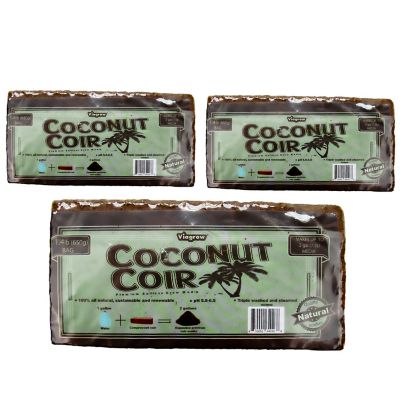
Peat moss can be useful for a wide range of indoor gardening tasks, from repotting a favorite fern to creating a consistent mix for starting cuttings and young plants. It is also a practical item for a new plant owner, a gardener setting up a propagation station, or anyone putting together a thoughtful housewarming gift for someone with a growing collection of greenery. A bag tucked alongside pots, drainage trays, hand tools, or indoor plant supplies gives a plant lover a useful material they can work into several projects. During the transition between warmer and cooler weather, indoor plants often respond to changes in sunlight, humidity, and watering habits, making a well-draining soil mix especially important. Watch plants near drafty windows, heating vents, and bright glass doors, where the surface may dry quickly while the center of the pot stays wet. Store unused peat moss sealed or covered in a dry place, away from standing water, and avoid breathing loose dust while handling it. Because peat bogs form very slowly and are not a quickly renewable resource, some gardeners choose to use peat moss sparingly or compare it with alternatives such as coir-based amendments, compost, pine bark, or other indoor potting ingredients. Whichever material you select, match it to the plant’s moisture needs, the container’s drainage, and your regular watering routine. The best mix is one that keeps roots lightly moist and well-aerated, supports healthy growth, and fits the way you actually care for plants at home.