Easy-to-grow flowering houseplants bring a little color and life indoors when outdoor beds are resting and the days turn cooler. They can brighten a kitchen window, add warmth to a porch that has been brought inside, or give a plain office, bedroom, or living room a cheerful focal point. When choosing from flowering houseplants, start with the light available in the room rather than the color of the bloom alone. A sunny room with filtered light through a sheer curtain may suit anthuriums, kalanchoes, and moth orchids, while a lower-light corner can be a better fit for peace lilies. Bright, direct rays through glass can scorch leaves, especially during the strongest part of the day, so an east-facing window or a spot set a few feet back from a south- or west-facing window is often a good starting place. For rooms with plenty of natural light, explore
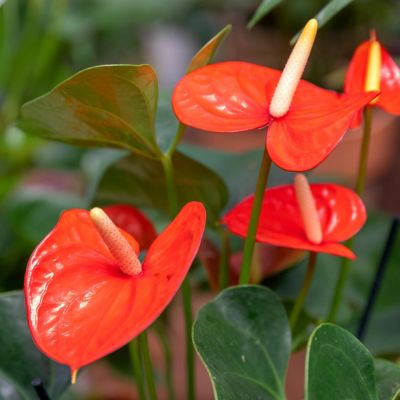
Bright Light Indoor Plants to find greenery that can handle a sunnier setting. It also helps to consider the plant’s mature size, the shape of its leaves, and how often you will be able to tend it. Compact African violets fit neatly on a shelf or side table, while peace lilies and anthuriums make a fuller display on a plant stand. Kalanchoes have thick, water-storing leaves and clusters of bright blooms, making them a handy choice for someone who prefers a less frequent watering routine. Moth orchids offer graceful, arching sprays of long-lasting flowers and can make a thoughtful housewarming, birthday, or thank-you gift for a new plant owner. A flowering houseplant is especially nice for a friend settling into a new home because it adds color without taking up much floor space, and many varieties can bloom again with the right care.
Most easy flowering houseplants do best when their basic needs stay steady. Use a container with drainage holes, and place a saucer underneath to protect furniture and windowsills from extra water. Rather than watering by the calendar, check the potting mix with a finger. Peace lilies often droop when they are thirsty, giving a useful visual hint, but it is better to water before they become severely wilted. Anthuriums generally prefer a thorough drink after the top couple of inches of soil have dried, followed by enough time for excess moisture to drain away. Kalanchoes should dry more fully between waterings because their fleshy leaves hold moisture; soggy soil can lead to root problems. African violets appreciate evenly, lightly moist soil, though their fuzzy leaves can develop spots if cold water sits on them. Bottom-watering can help keep their leaves dry: set the pot in a shallow dish of water and allow the mix to absorb moisture before removing it. Moth orchids also dislike standing in water. Water the potting medium thoroughly, then let it drain, and avoid leaving water pooled in the center of the leaves. During cooler months, indoor plants may use water more slowly, especially when they are away from heaters, woodstoves, or drafty doors. Keep leaves away from blasts of hot or cold air, rotate containers now and then for balanced growth, and wipe broad leaves gently with a soft, damp cloth when dust dulls their shine. A little all-purpose indoor plant food during active growth can support healthy leaves and flowers, but follow the label directions and do not fertilize dry, stressed, or freshly repotted plants.
Before bringing any flowering houseplant home, think about the people and animals sharing the space. Some popular indoor bloomers can cause stomach upset or other problems if chewed by cats, dogs, or children, so check the plant’s safety information and choose a secure location when needed. A high shelf is not always enough for a determined cat, and fallen leaves or blooms should be picked up promptly. Look closely at the plant’s condition at purchase, choosing sturdy stems, healthy green leaves, and soil that is not waterlogged or covered with pests. A plant with a few unopened buds can provide a longer display than one already in full bloom, while a plant that is blooming heavily makes an especially colorful gift for a gathering or a quiet visit with someone who could use a bit of cheer. Match the care level to the recipient: a drought-tolerant kalanchoe may suit a busy worker or a frequent traveler, an African violet can be a rewarding choice for someone with a bright kitchen sill, and an orchid or anthurium can please a plant lover who enjoys watching new flowers open. Place new plants apart from established houseplants for a short period and inspect the undersides of leaves for insects before grouping them together. With appropriate light, sensible watering, good drainage, and a little attention to temperature, easy-to-grow flowering houseplants can keep a home colorful through the cooler months and return to bloom season after season.