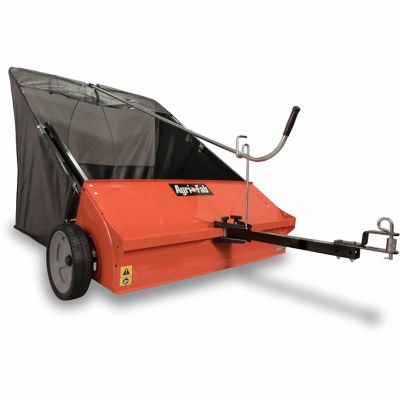
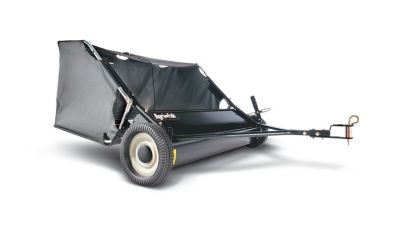
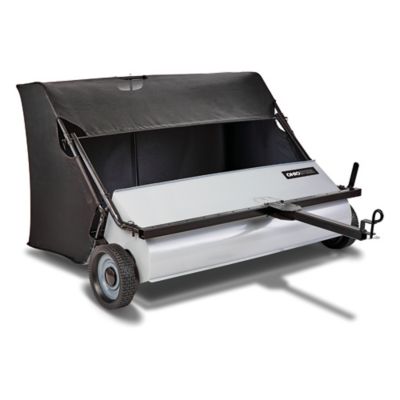
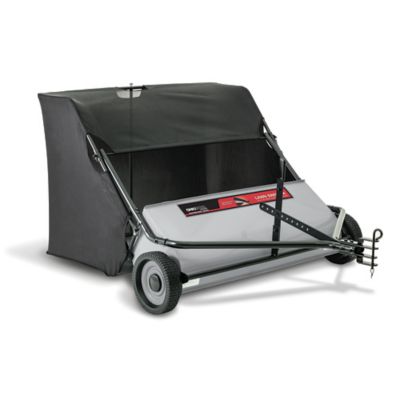
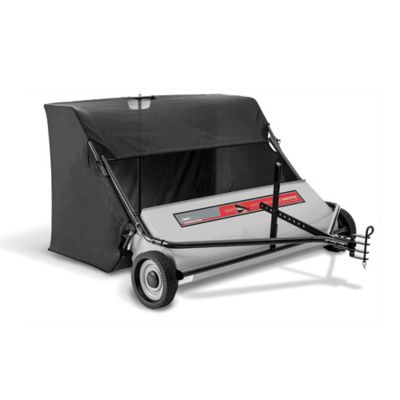
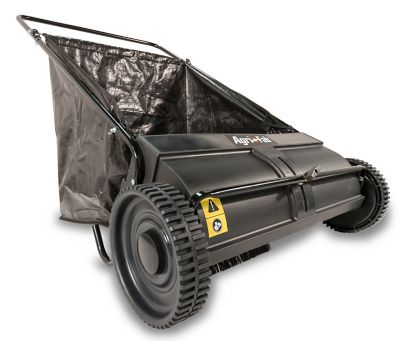
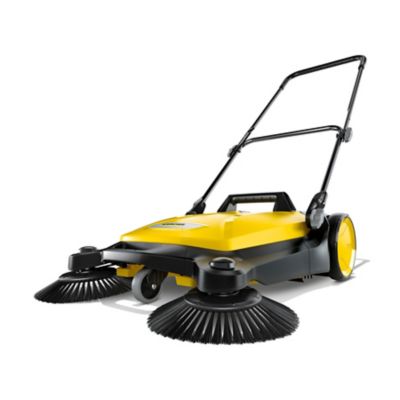
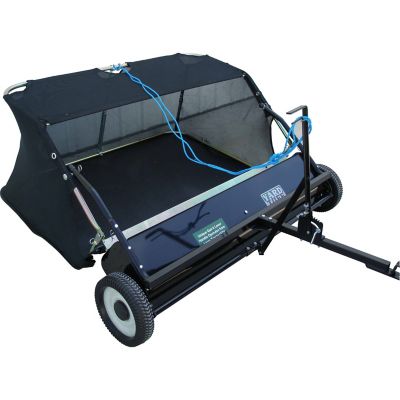
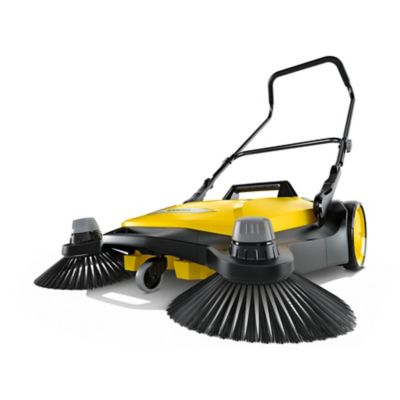
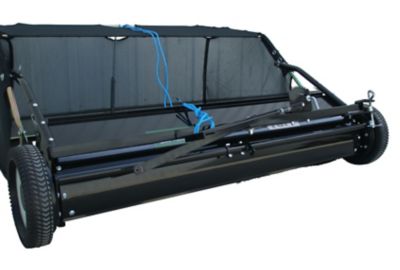
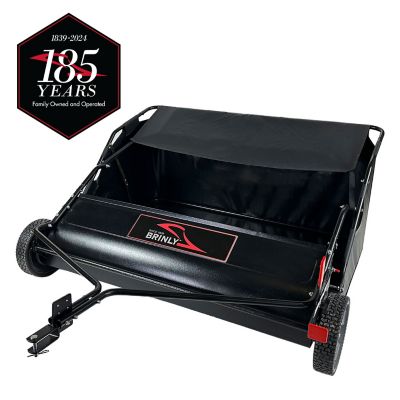
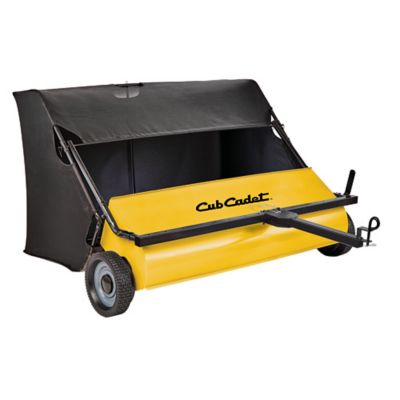
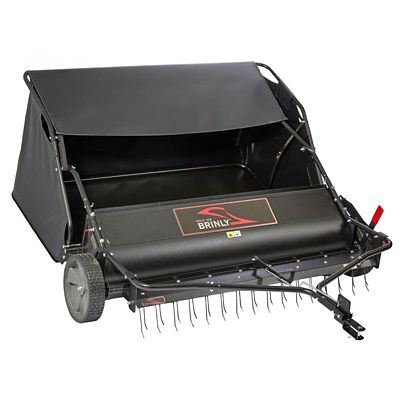
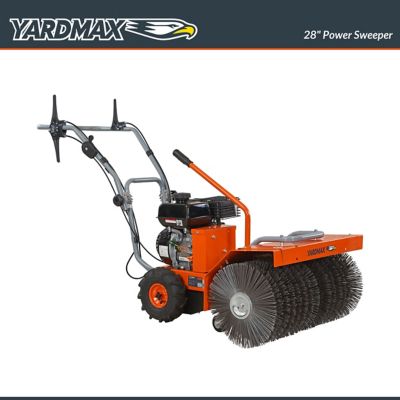
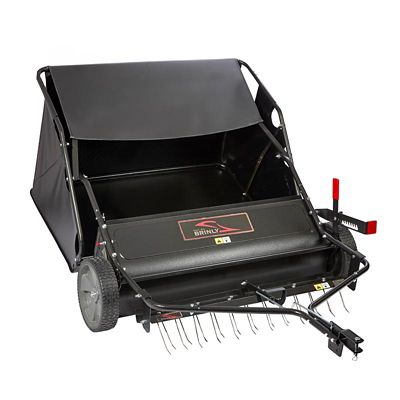
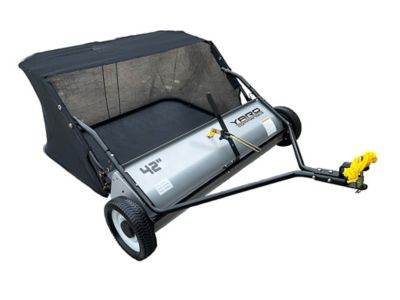
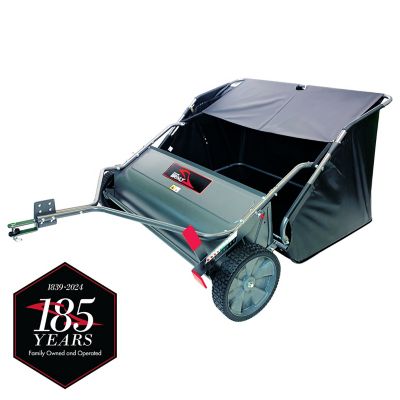
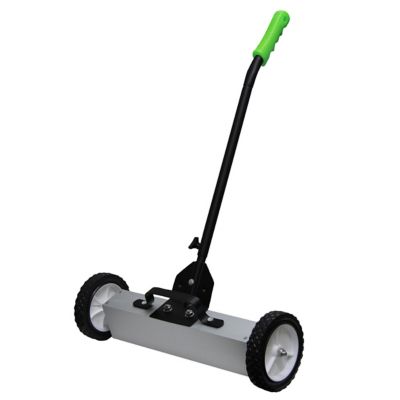
Outdoor sweepers for farmyards help keep the everyday mess of country life from spreading across the places where people walk, park and work. Loose hay beside a feed shed, grass clippings along a mower route and leaves gathered near a gate can all add up when there is plenty of ground to cover. A sweeper brings that scattered material together with rotating brushes, often collecting it in a hopper or bin rather than leaving another pile to handle. The right style depends on the ground and the room available to move around. Push sweepers make sense for smaller stretches, tight corners and work areas where a riding mower cannot easily travel. Tow-behind lawn sweepers suit broader grassy areas and open runs where a compatible mower or lawn tractor has room to pull a collection hopper. Sweepers intended for hard surfaces serve a different job, clearing loose debris from suitable concrete, asphalt or paved areas around buildings. Those differences matter on a property with a mix of barn approaches, lawn, gravel lanes and packed-earth paths. A machine designed to brush grass is not automatically a good match for every surface in the yard, and loose stone or deep ruts can interfere with its movement. For someone tending a small acreage, maintaining grounds around an outbuilding or keeping shared work areas tidy, a sweeper can take some of the repeated raking and broom work out of the routine. Its value is especially clear along familiar routes: the strip beside the equipment shed, the open space near the workshop and the lawn edging a driveway. Clearing those areas also makes loose objects easier to spot before boots, tires or mower blades reach them. Sweepers are tools for gathering suitable surface debris, though, not for digging out embedded material or handling every kind of farm waste. Their best fit is the regular cleanup that keeps a working property easier to get around.
Construction and dimensions shape how an outdoor sweeper feels on that ground. Steel frames provide support for the brush assembly and collection area, while protective finishes help shield metal parts from everyday exposure to moisture. Molded plastic housings and bins can keep weight down and offer surfaces that are straightforward to wipe clean. Fabric hoppers are another common arrangement on lawn sweepers, with flexible walls that hold loose material and may fold down for storage, depending on the design. At ground level, brush bristles need enough stiffness to lift the debris the machine is intended to gather without treating the surface too aggressively. Brush-height adjustment helps account for differences in grass length and contact with the ground, but it does not make one sweeper suitable for every terrain. Wheel size, tread and clearance also affect how smoothly the unit travels over transitions and shallow uneven spots. Across a broad lawn, a wider sweeping path can mean fewer passes; beside fence posts, water tubs or parked equipment, a narrower machine may be easier to maneuver. Overall width matters just as much as brush width when the route includes gates, shed doors or closely spaced buildings. For a push model, handle position, grip shape and the weight of a filled bin influence comfort over a longer stretch. For a tow-behind model, the connection needs to match the towing equipment, with hitch height and operating limits that follow both manufacturers’ requirements. A lawn tractor attachment should not be assumed to fit a larger farm tractor simply because both have a place to hitch something. Collection capacity has its own trade-off: more room can reduce emptying stops, while a smaller load may be easier to manage. Removable bins, folding hoppers and discharge arrangements affect where material can be emptied and how much lifting is involved. Those details become practical concerns when the cleanup route ends at a compost area across the yard rather than right beside the shed.
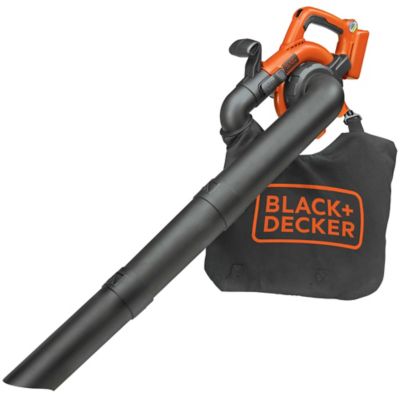
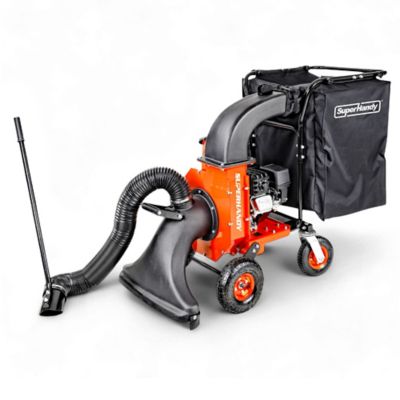
A farmyard sweeper earns its place through repeated, ordinary jobs, so access for cleaning and upkeep matters alongside its sweeping reach. Hay strands and long grass can wind around brush shafts, and fine debris can settle near wheels and moving connections. Designs with accessible brushes, clear maintenance instructions and replaceable wear parts make those chores less awkward. Bristles gradually lose their shape, hopper fabric can snag, and fasteners deserve attention after travel over uneven ground. Keeping the collection area empty between jobs helps prevent leftover plant material from packing down, while allowing cleaned parts to dry before storage helps limit lingering moisture. A sheltered storage spot keeps the sweeper out of traffic and protects it from livestock, rodents and accidental bumps from other equipment. Folding components can be useful where the same shed also holds a mower, feed carts and hand tools, provided there is enough space to move the sweeper in and out without wrestling it past everything else. The debris itself remains an important part of the match. Loose plant material on a compatible surface is a different task from manure, twine, wire, nails or spilled chemicals; those materials call for collection and disposal methods suited to the hazard. Around pens and feeding areas, keeping cleanup separate from animal access also gives the operator room to work without startling livestock or crowding a gate. Ground with dips, roots or scattered stones may need a different approach from a smooth apron outside a shop. For properties where suction collection better fits the task,
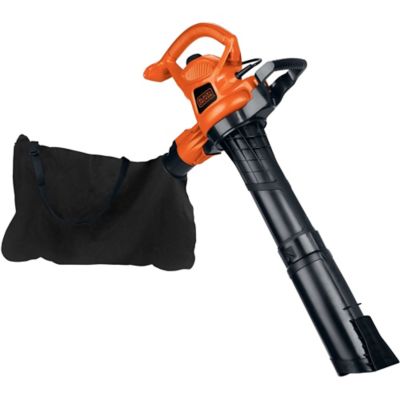
Yard Vacuums provide another equipment category to consider, with their own surface and debris requirements. Sweepers remain a practical choice where brushing and collection suit the work: gathering clippings from an open lawn, picking up loose leaves along a building or clearing appropriate debris from a paved work area. Matching that everyday job to the machine’s reach, handling and care needs helps keep cleanup manageable without turning a simple pass around the yard into another big chore.