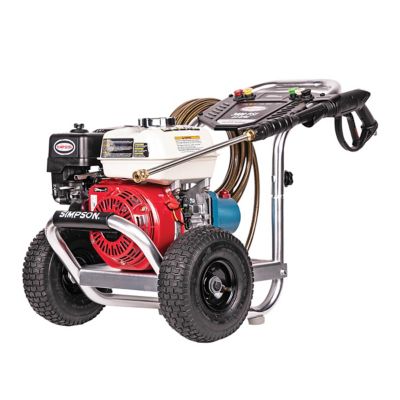
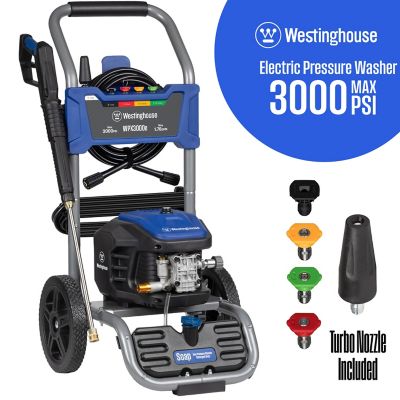
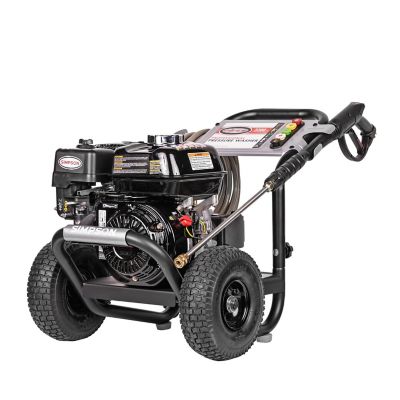
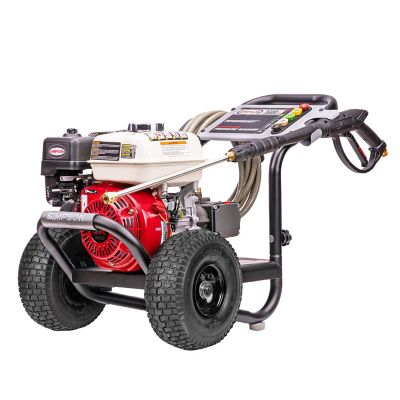
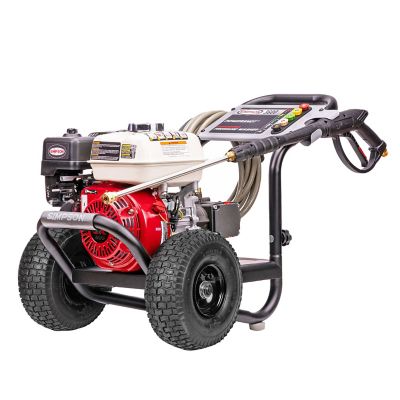
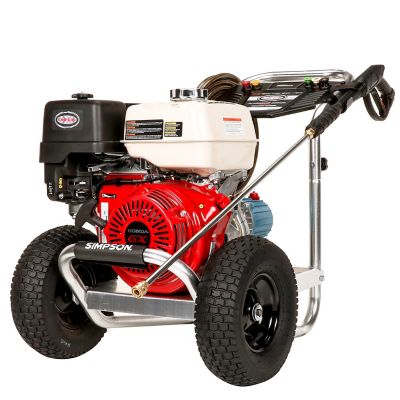
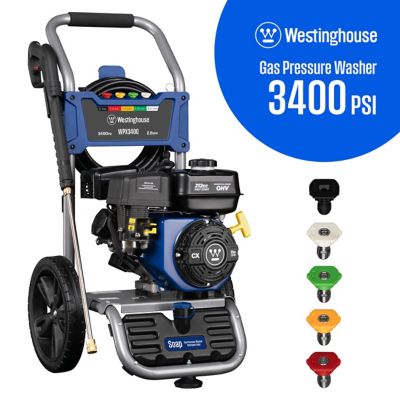
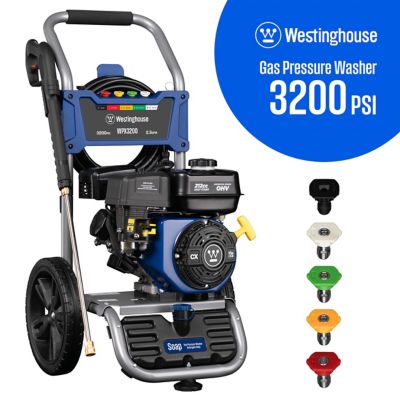
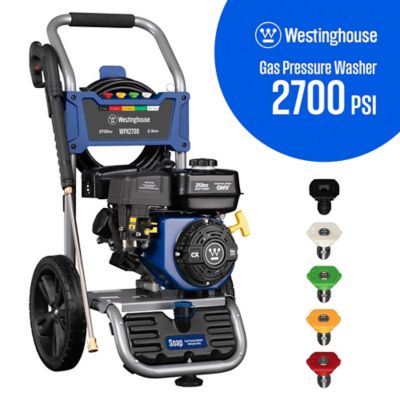
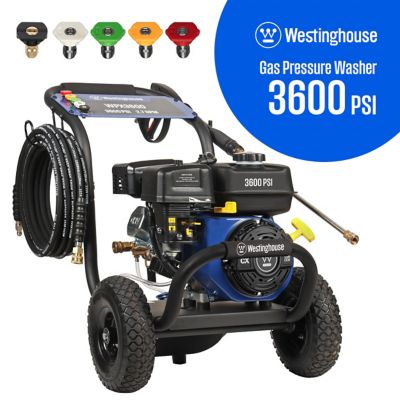
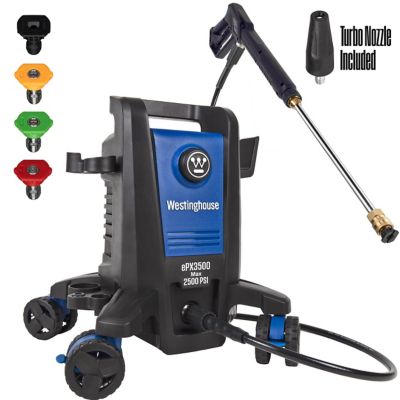
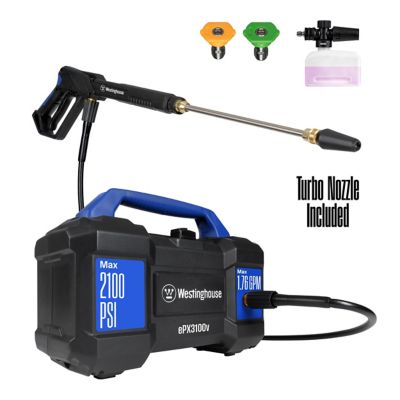
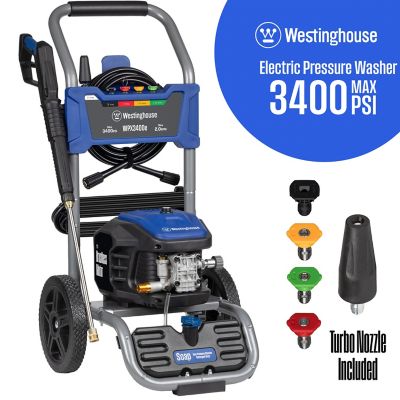
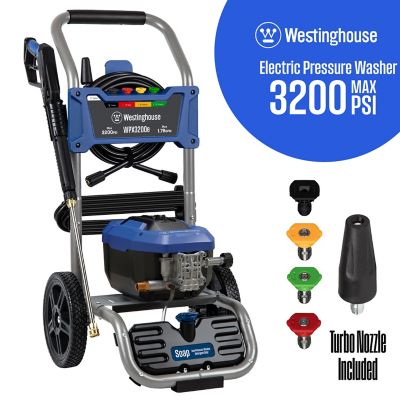
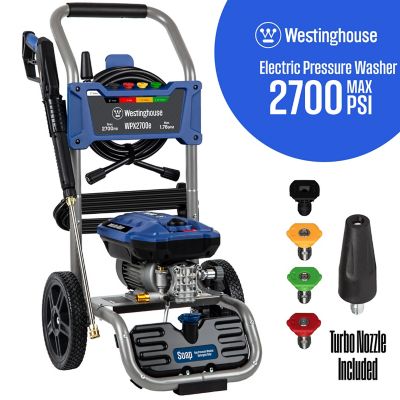
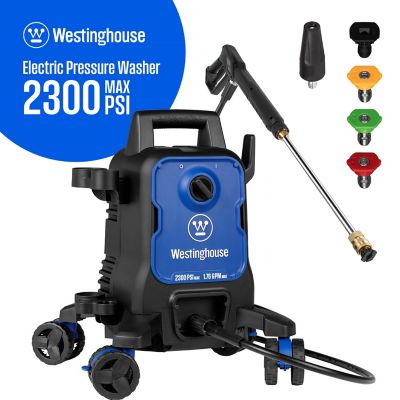
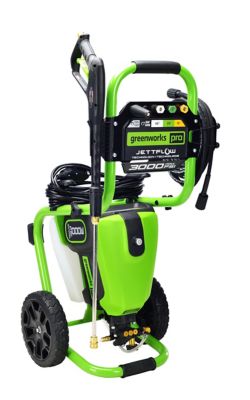
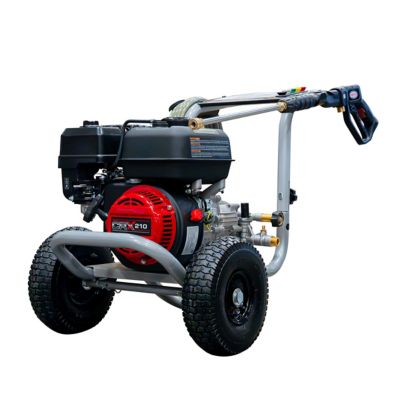
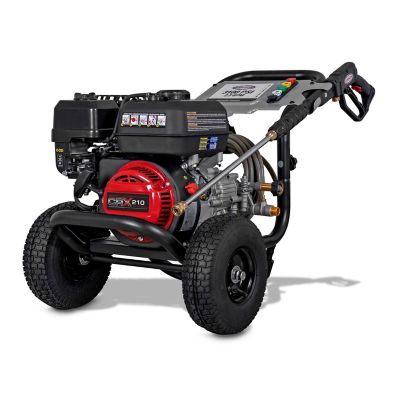
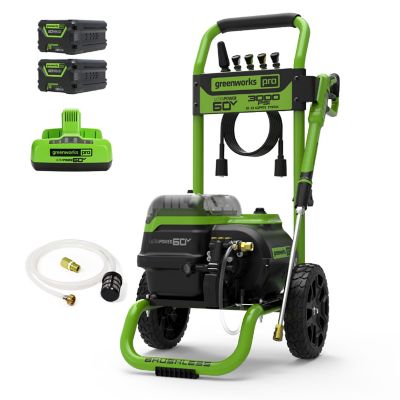
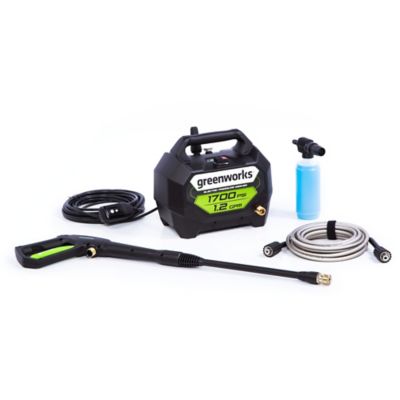
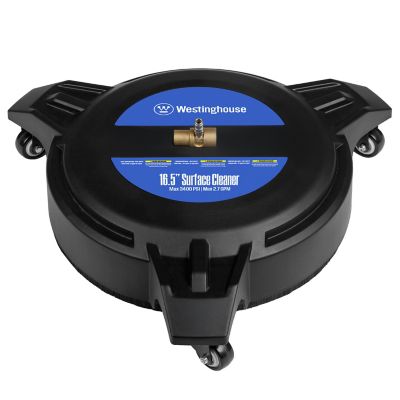
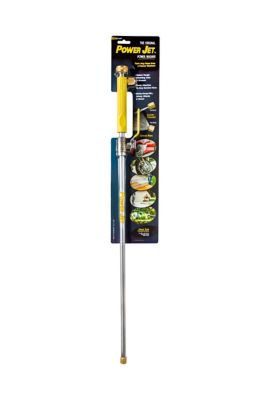
Pressure washers for farm use help take the hard work out of cleaning tractors, implements, trailers, fencing, concrete, siding and other surfaces that collect mud, dust, manure, grease and road grime. Around a working farm, a hose and scrub brush can only do so much after a wet stretch of weather or a long day in the field. A pressure washer can reach into tread patterns, rinse packed soil from wheel wells and wash loose dirt from equipment before it dries into a stubborn crust. They are useful for cleaning tractor hoods and panels, livestock trailers, feed carts, gates, stalls, walkways and the area around barns. During the cooler months, they can also help clear mud from equipment before it is stored, reducing the amount of mess brought into a shop or machine shed. When choosing a pressure washer for farm work, start with the jobs you handle most often. For general equipment and property cleanup, look for a gas-powered unit with at least 3,000 to 3,500 PSI and about 2.5 to 3.5 gallons per minute. PSI measures the force of the spray, while GPM measures how much water moves across the surface. A higher PSI can help break loose packed grime, but a strong flow rate is what carries mud and soap away efficiently. Gas power is a practical choice when cleaning takes place far from an electrical outlet, such as along a fence line, beside a pond, in a distant pasture or near a field entrance. Electric models can be handy for lighter jobs close to a barn or shop, especially where quiet operation and simple startup matter.
For larger farms, acreage owners and anyone who regularly cleans equipment away from a building, portability deserves a close look. A sturdy frame, large wheels and a long, durable hose make it easier to move around uneven ground, gravel and packed dirt. Tow-behind setups or pressure washers paired with a water tank can be especially useful when a hydrant is not close by. A tank in the 60-gallon range may provide the water needed for work along remote fences, livestock areas or equipment parked in a field, though the available supply should always match the washer’s flow rate. Hot-water capability is worth considering for operations that deal with baked-on grease, oil, heavy manure or sanitation tasks. Hot water can loosen oily buildup faster than cold water, helping reduce scrubbing time around engines, axles, shop floors and heavily used livestock areas. Use detergents and degreasers labeled for agricultural settings, and follow all directions for dilution, runoff and contact with animals, feed and water sources. For painted tractor panels, older implements and finished trailers, a 25-degree or 40-degree spray tip is generally a better starting point than a narrow, aggressive stream. A 15-degree tip may help with tough buildup on durable metal surfaces, while a 0-degree tip should be reserved for very specific, controlled cleaning and handled with extra care. Keep the spray moving, begin from a greater distance and work closer only as needed. Staying at least a foot away from decals, rubber seals, weather stripping and aging paint can help prevent lifting, tearing or stripping the finish.
Farm equipment has plenty of places where high-pressure water does not belong. Avoid spraying directly into electronic control units, wiring connections, engine vents, air intakes, bearings, seals, grease fittings and exposed hydraulic connections. Water forced into these areas can wash out lubricant, damage sensitive components or create problems that do not show up until the next trip to the field. Cover or avoid electrical parts when possible, and use a lower-pressure rinse around dashboards, control panels and instrument clusters. Before cleaning, let hot engines and exhaust components cool, remove loose debris by hand and check the owner’s instructions for sensitive surfaces. Wear boots with good traction, eye protection, gloves and clothing that can handle spray and mud. The rebound from concrete, metal and packed gravel can be surprisingly strong, and a narrow spray can send grit back toward your face. Keep children, pets and livestock away from the work area, and never point the wand at people or animals. After washing, allow equipment to drain and dry, then grease fittings and lubricated joints according to the maintenance schedule. A clean machine is easier to inspect, making it simpler to spot cracked hoses, loose fasteners, worn belts or hydraulic leaks before the next job. Use clean water whenever possible, manage dirty runoff responsibly and avoid washing grease, fuel or manure toward wells, streams, ponds or feed areas. For cleaning around the home, garage, shop apron or paved entry, browse
Power Washers for Driveway to find equipment suited to those surfaces. A pressure washer can make a thoughtful gift for a landowner, hobby farmer, new acreage owner or anyone who takes pride in keeping their tools and property in good shape. The best choice is the one that matches the work at hand, has enough flow for efficient rinsing, and is rugged enough to keep up with muddy boots, changing weather and the everyday pace of farm life.