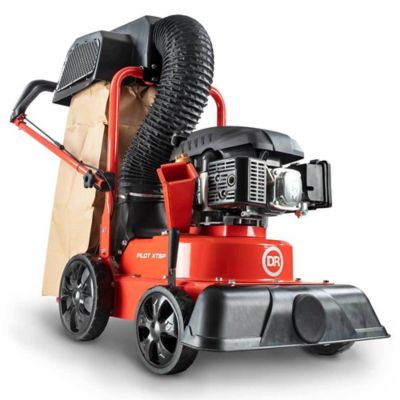
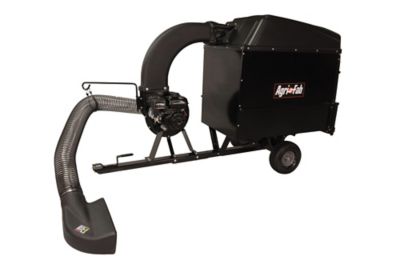
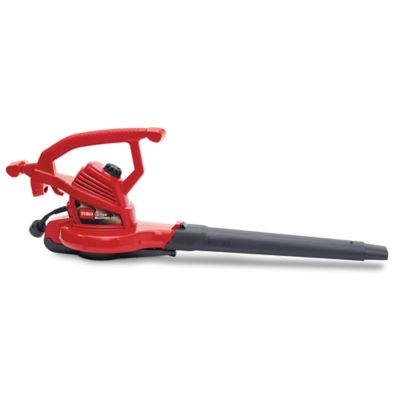
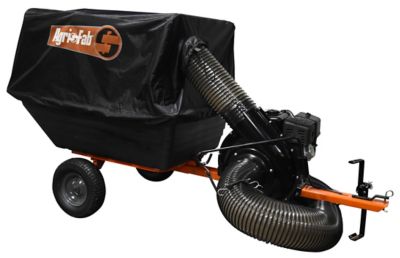
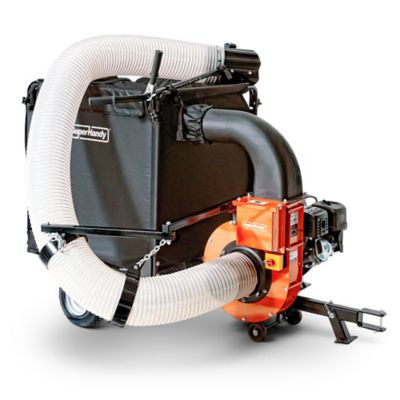
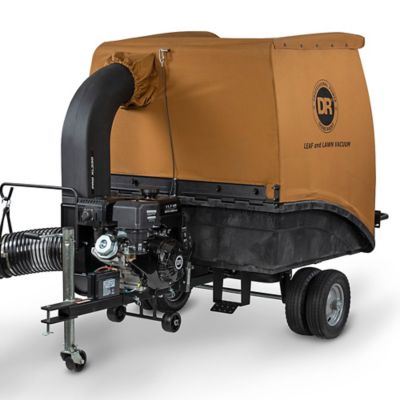
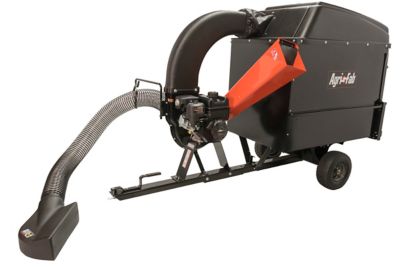
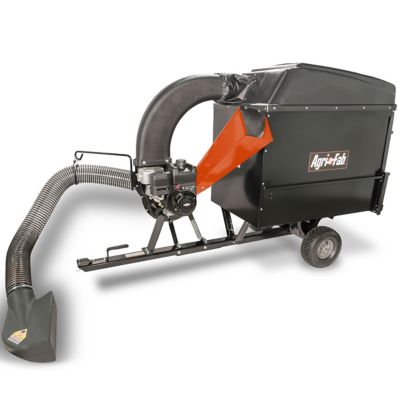
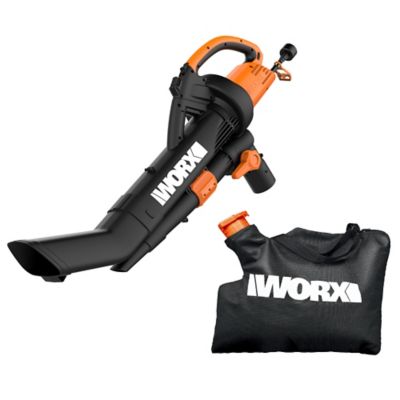
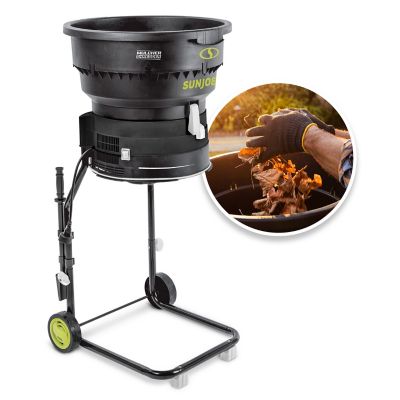
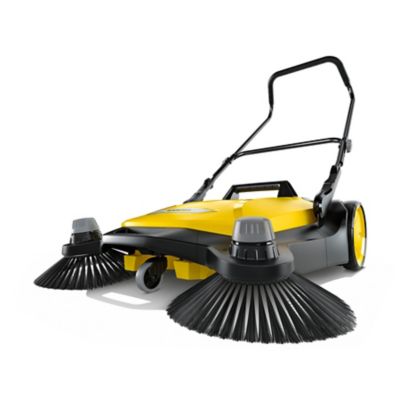
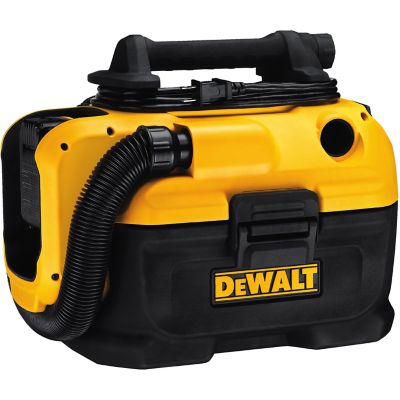
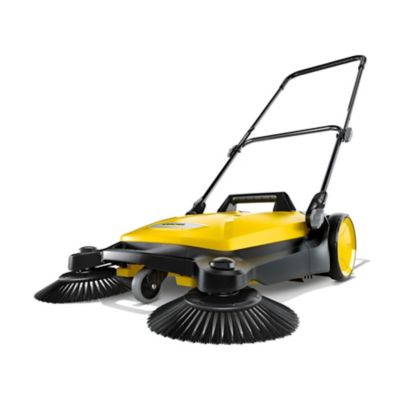
Yard vacuums help turn a long cleanup job into a more manageable part of property care. These machines are built to gather leaves, grass clippings, pine needles, acorns, and small twigs from lawns, driveways, patios, walkways, garden beds, and other outdoor spaces. Many models combine three useful functions in one tool: blowing debris into a pile, vacuuming it up, and reducing its volume through a built-in mulching system. That combination can save time when the wind has scattered leaves across the yard or when clippings collect along fences and landscaping. A handheld yard vacuum may be a practical choice for quick touch-ups around a porch, shed, flower bed, or small lawn, while a walk-behind model can cover more ground and collect heavier layers of debris. For acreage, large residential properties, and properties maintained with a riding mower or tractor, a tow-behind yard vacuum can provide a wider working path and a larger collection hopper, helping reduce the number of trips to the compost pile or yard-waste area. During the cooler months, when leaves continue to fall and damp debris can settle into the grass, the right yard vacuum can make it easier to keep lawns tidy without relying on a rake and tarp for every cleanup. Some homeowners use one after mowing to pick up stray clippings, while others keep a machine ready for clearing storm-blown leaves from gravel drives, fence lines, and hard-to-reach corners. For garage, shop, and indoor cleanup needs, browse
Shop Vacs for equipment designed for tasks beyond outdoor yard debris.
Choosing a yard vacuum starts with matching the machine to the size and layout of the property. For a smaller yard, patio, or garden area, a compact electric or cordless model may offer the maneuverability needed to work around shrubs, outdoor furniture, raised beds, and steps. Corded equipment can provide steady power when an outdoor outlet is close by, while battery-powered equipment offers more freedom of movement and can be convenient for properties with several separate cleanup areas. Check the battery system, expected runtime, charging time, and whether extra batteries are available if you plan to work through a large amount of debris. Gas-powered walk-behind vacuums are often suited to bigger lawns and demanding cleanup, especially where long run times, strong suction, and a sturdy collection system matter. Self-propelled designs can be helpful on sloped ground or when the machine is loaded with leaves, while push models may suit flatter yards and shorter jobs. When shopping for a tow-behind yard vacuum, consider the towing requirements, hitch compatibility, collection capacity, working width, and how easily the unit can be emptied. A larger hopper means fewer stops, but a compact design may be simpler to store and easier to maneuver around gates, trees, and outbuildings. Mulching capability is another useful feature to compare. A good mulching system chops leaves and similar debris into smaller pieces, allowing the collection bag or hopper to hold more before it needs to be emptied and creating material that may be useful in compost or as a layer around suitable garden areas. Look at the size and construction of the intake opening, the bag or hopper material, the ease of removing the collection container, and the availability of replacement wear parts. If your property has many acorns, cones, or small sticks, choose a machine made for that level of debris rather than assuming every lightweight yard vacuum will handle the same workload.
Yard vacuums can be a practical addition for homeowners, gardeners, caretakers of rural properties, landscapers, and anyone responsible for keeping outdoor spaces presentable through changing weather. They can also make a thoughtful gift for a new homeowner, a family member with acreage, or a neighbor who takes pride in a neatly maintained lawn. Before selecting one as a gift, consider the recipient’s property size, storage space, access to electricity, preferred power source, and equipment already in the shed. A compact model may fit the needs of someone who maintains a town lot, while a large property owner may appreciate a walk-behind or tow-behind machine that reduces repeated raking and hauling. Safe operation starts with reading the owner’s manual, wearing eye and hearing protection, keeping hands and clothing away from moving parts, and clearing rocks, wire, toys, and other objects from the work area. It is generally best to avoid vacuuming large branches, wet piles that exceed the machine’s capacity, or debris the equipment is not designed to handle. Letting heavy dew or rain dry before cleanup can improve collection and reduce clogs, and working in manageable sections helps keep piles from spreading back across the yard. Many people find that starting at the edges of a property and working toward a central collection point makes the job feel more orderly, especially when a breeze is moving leaves around. Store the yard vacuum in a dry, protected place, clean the intake and housing after use, inspect belts and fasteners, and follow the recommended care for fuel, batteries, filters, and collection bags. With the right size and features, a yard vacuum can help keep lawns, drives, paths, and outdoor living areas in better shape from the first round of falling leaves through the later cleanup that follows during the cooler months.