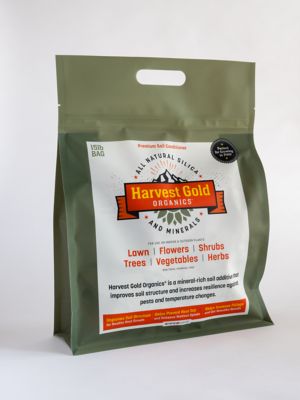
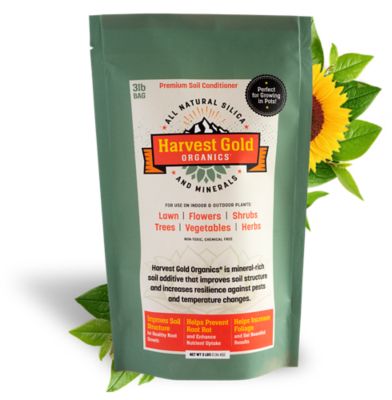
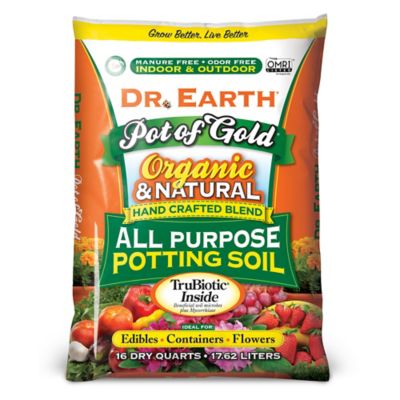
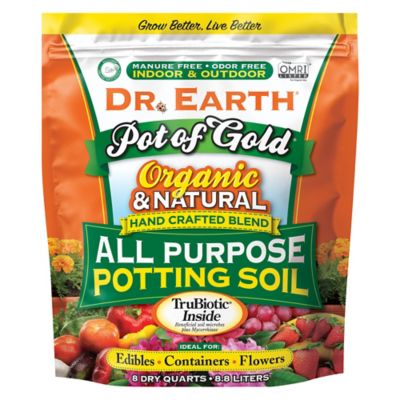
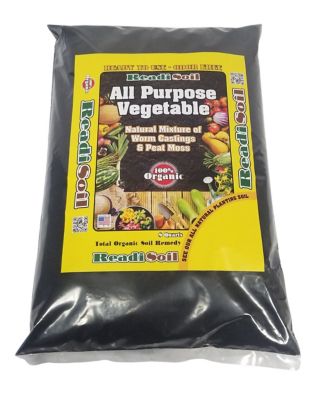
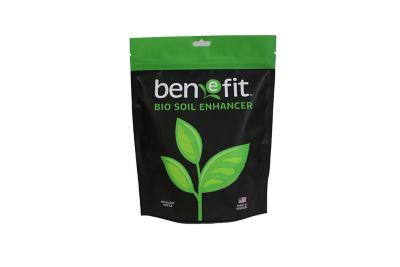
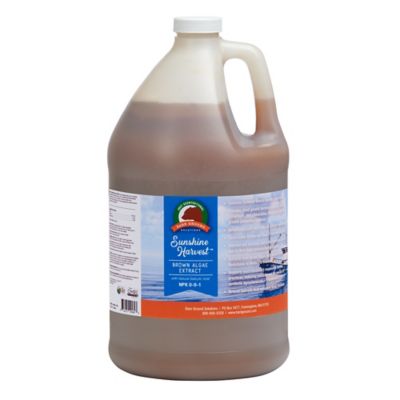
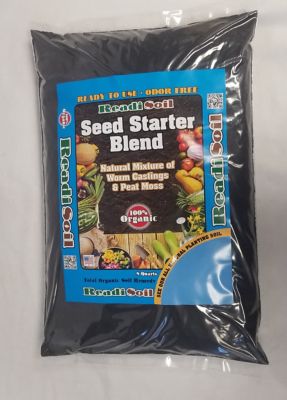
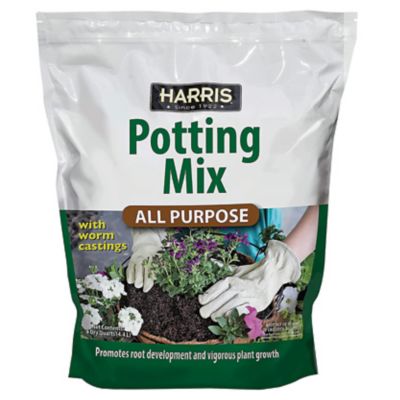
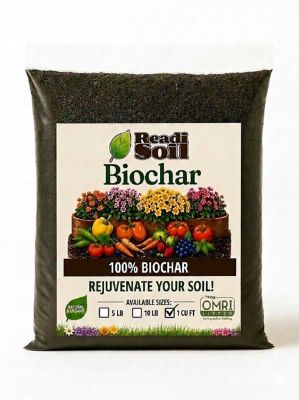
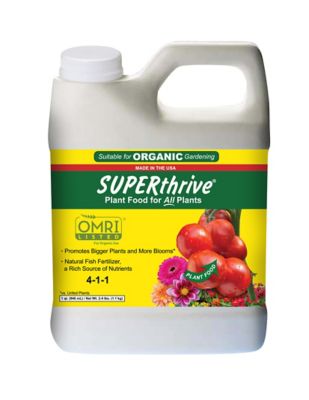
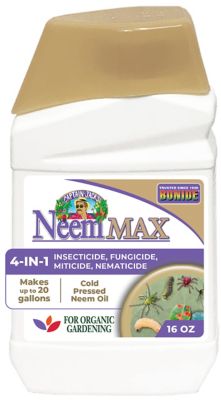
As the days stretch out and the growing season hits its stride, folks all over the country are turning their attention to the health of their gardens, lawns, and pastures. Whether you’re a backyard gardener with a few raised beds, a proud owner of a small homestead, or someone caring for a patch of lawn that’s seen better days, organic soil conditioners can make all the difference in how your plants perform. These natural amendments—ranging from rich compost and worm castings to peat-free fibers and biochar—are trusted by generations of growers for their ability to transform tired, compacted, or sandy soils into fertile ground bursting with life. When you mix in a quality organic soil conditioner, you’re not just feeding your plants; you’re building up the whole underground ecosystem. That means more earthworms, beneficial microbes, and a structure that holds onto water while letting roots stretch deep and strong. It’s a simple step that pays off with more resilient crops, brighter blooms, and lush, green turf—especially as the weather warms and those summer storms or dry spells roll through.
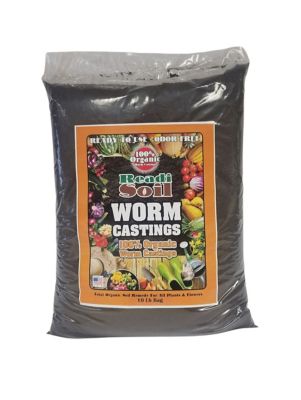
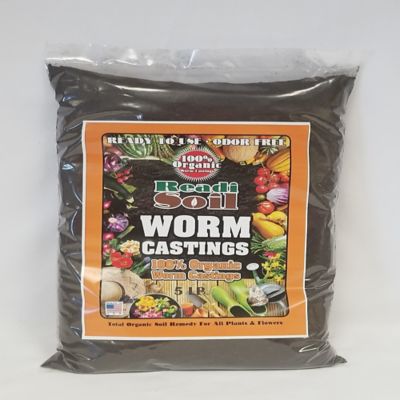
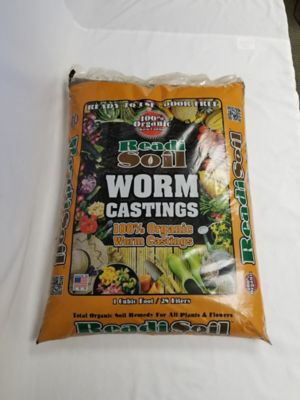
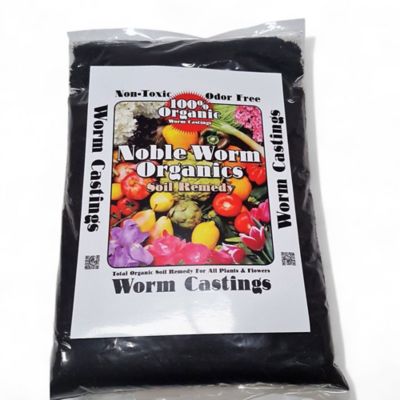
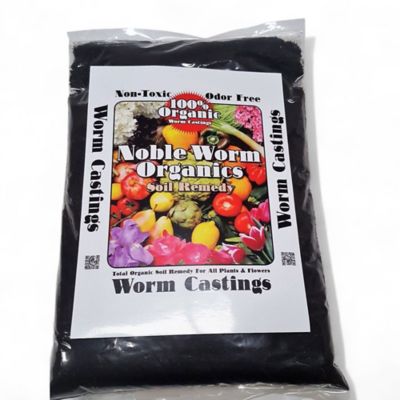
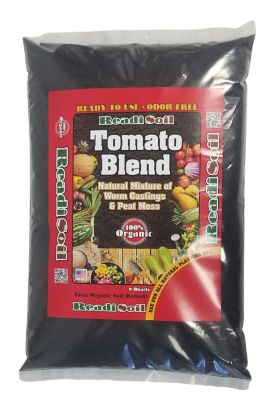
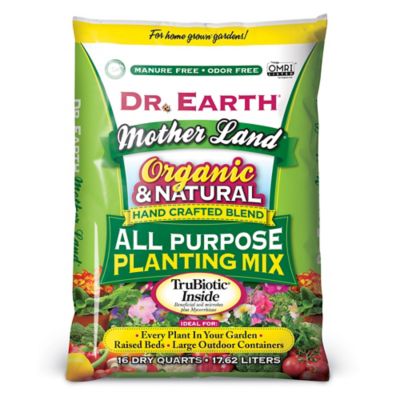
If you’re searching for a “soil conditioner near me,” you’re likely weighing a few options, and it helps to know what you’re looking for. For heavy clay soils that turn rock-hard in the heat, something like mushroom compost from Tractor Supply or a peat moss blend can loosen things up, making it easier for air and water to get where they’re needed most. Sandy soils, on the other hand, benefit from conditioners that hold moisture—think coconut coir or well-aged compost. Folks with veggie gardens swear by worm castings for their gentle, steady nutrient boost, while those managing larger pastures or lawns might reach for a bulk conditioner that covers more ground. Organic soil conditioners don’t just help plants grow; they’re also a thoughtful gift for anyone who loves to dig in the dirt, from seasoned green thumbs to new homeowners eager to turn a patch of earth into something special. They’re easy to apply—just spread a couple of inches over your beds or lawn and work it in before planting or after aerating. You’ll see the payoff all season long, whether it’s juicier tomatoes, greener grass, or a flower bed that stands up to the summer heat.
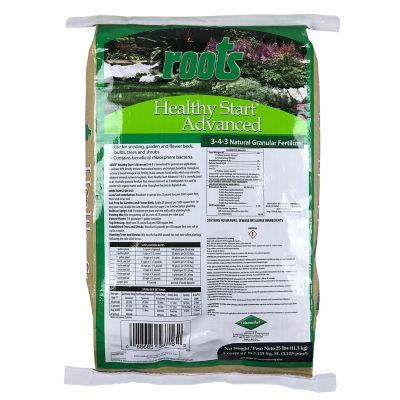
No matter your project, it’s worth remembering that the right soil conditioner is just one part of a healthy growing routine. Pairing your organic amendments with the right fertilizers can create a balanced, thriving environment for whatever you’re growing. If you want to dig deeper into the world of plant nutrition, check out our selection of
Soil Fertilizers for more ways to boost your soil’s potential. As the seasons shift from the heat of summer into those cooler early fall days, keeping your soil in top shape means your plants will be ready for whatever comes next—whether it’s a late harvest, a cover crop, or just a yard that looks good year-round. From mushroom compost Tractor Supply fans love to all-purpose blends that suit any soil, you’ll find what you need to keep your land productive, healthy, and full of life.