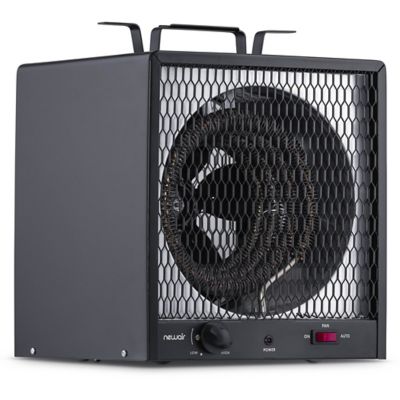
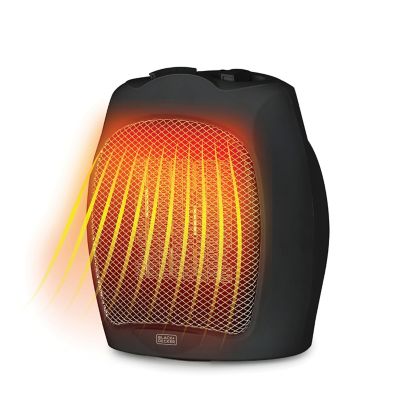
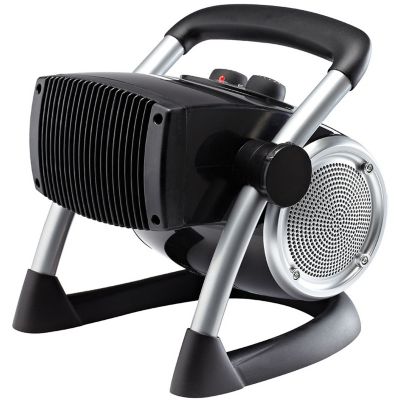
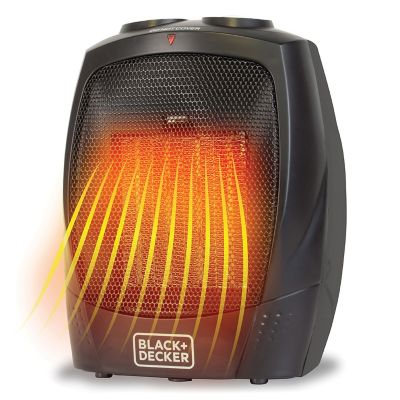
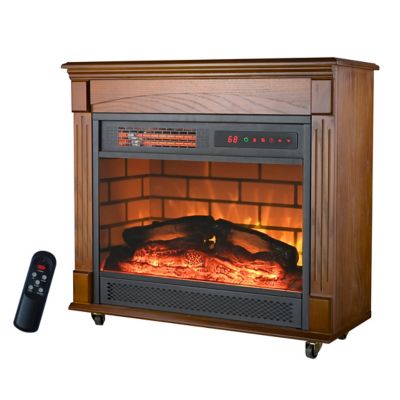
Electric heaters make it easier to add comfortable warmth where you need it without turning up the heat throughout the whole house. They can be handy in a drafty bedroom, home office, mudroom, enclosed porch, workshop, garage or farm office, especially during the cooler months when mornings feel sharp but the rest of the house does not need extra heat. A portable heater can warm one occupied room, helping you stay comfortable while you work at a desk, sort paperwork, mend tack or get ready for the day. Fan-forced ceramic heaters use a heating element and a fan to move warm air through a space, making them a practical choice when you want quick, localized warmth. Browse
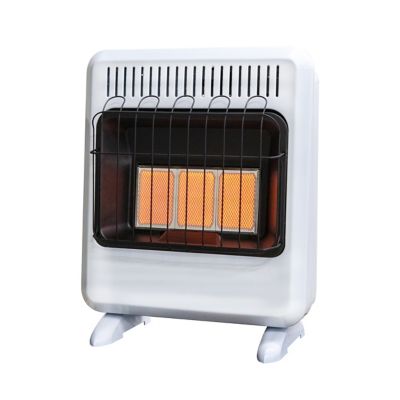
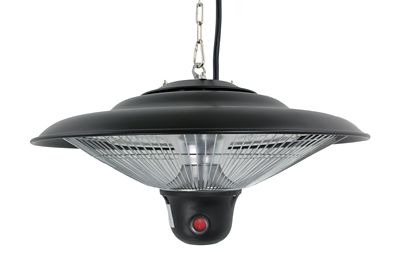
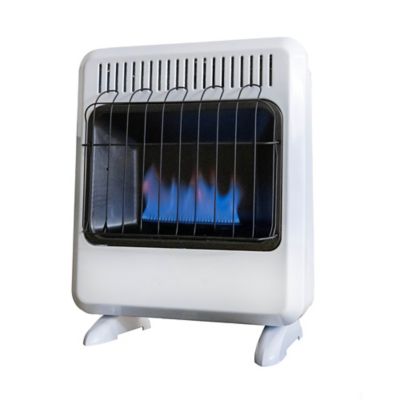
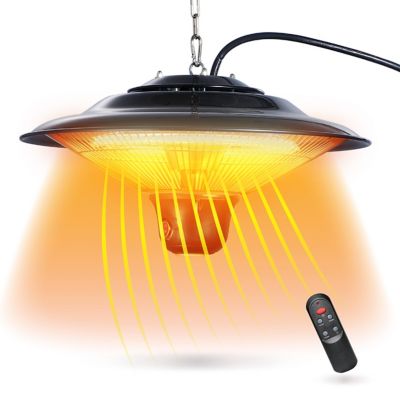
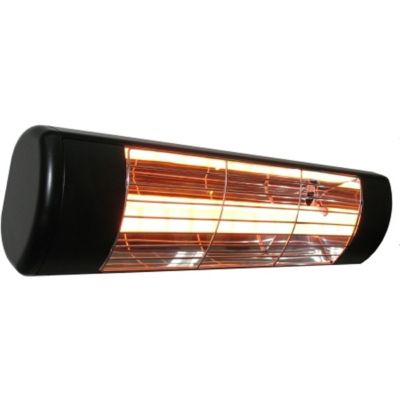
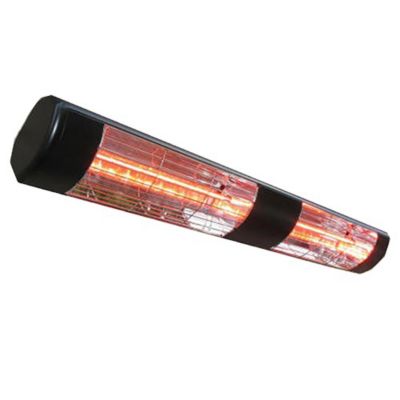
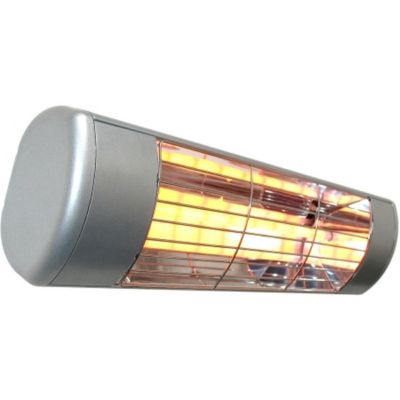
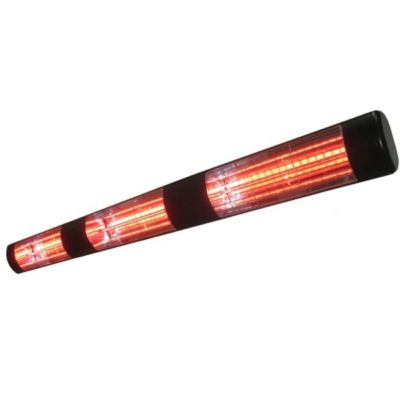
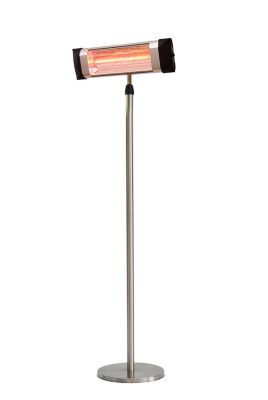
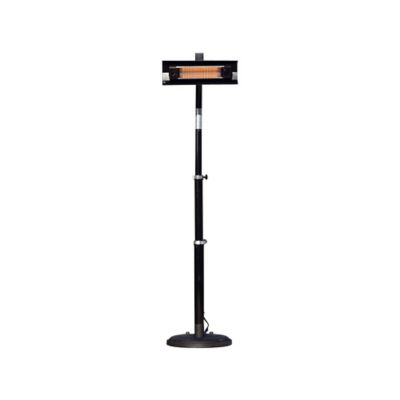
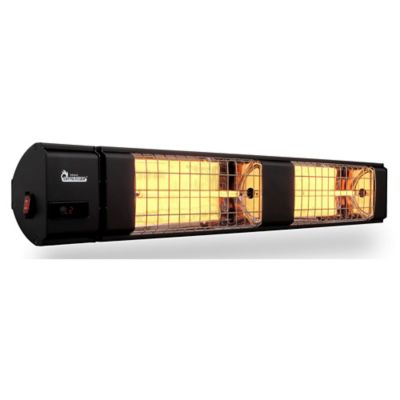
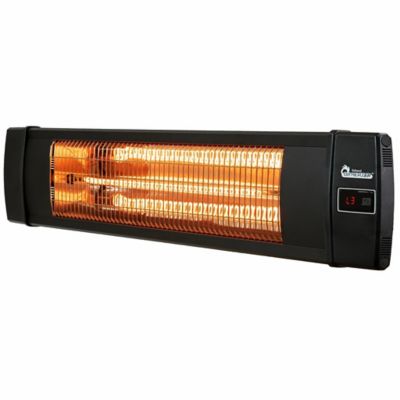
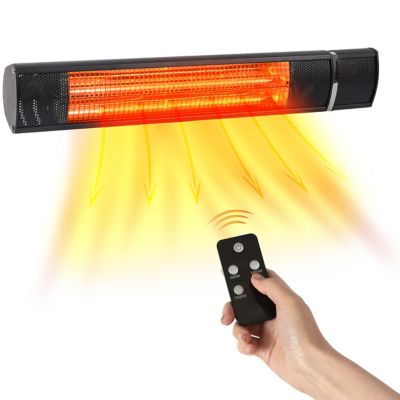
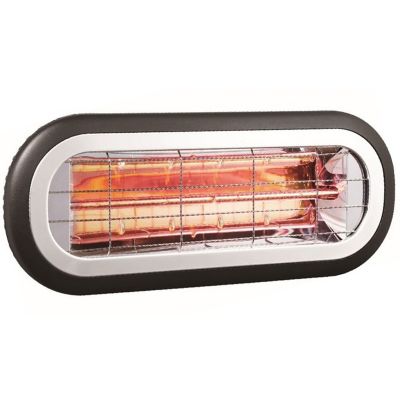
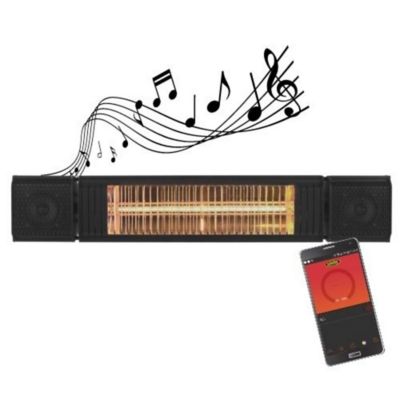
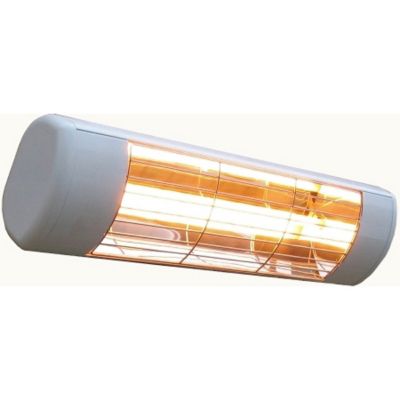
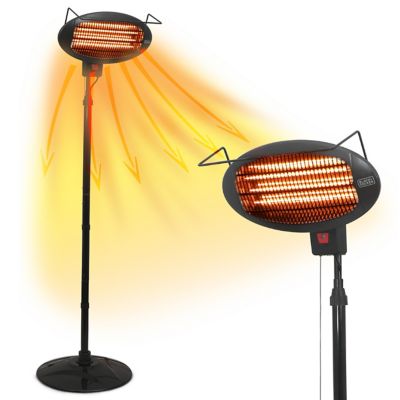
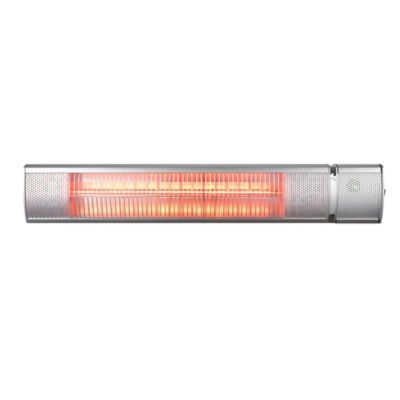
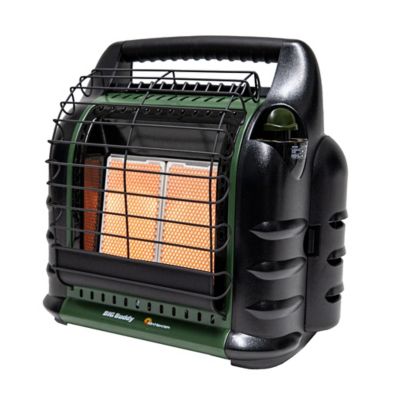
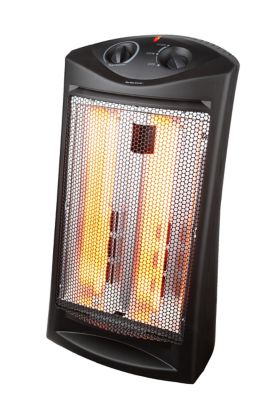
Electric Fan Heaters for options made to circulate heated air around smaller areas. Infrared heaters work a little differently by warming people and nearby objects directly, rather than relying only on heated air. That can be useful in a drafty space or a larger room where you want warmth directed toward a seating area, workbench or gathering spot. Oil-filled radiators heat an internal fluid and release steady radiant warmth over time. They generally take longer to warm up, but they operate quietly and can continue giving off heat after the unit is switched off. Baseboard and wall-mounted heaters are better suited to rooms that need a more permanent heating setup, while portable models offer flexibility for households that use different rooms throughout the day. Comparing these styles starts with the size and layout of the space, how quickly you want warmth and whether quiet operation matters. A small room may only need a compact unit, while a wide, open area with high ceilings, concrete floors or several drafts may need a heater with a higher output or a different heating method. Electric heaters are intended to provide supplemental, room-by-room warmth, and they are often most useful when you heat the space you are actually using instead of trying to warm an entire home with several portable units.
When choosing an electric heater, look at the wattage, heat settings, thermostat controls, timer functions and the size of the area recommended by the manufacturer. Many portable heaters use about 1,500 watts on their highest setting, though actual power use varies by model and operating mode. Because electricity rates differ from one utility provider to another, the cost to run a heater depends on your local rate and how long the unit operates. As a simple estimate, multiply the heater’s wattage by the number of hours used, divide by 1,000 to get kilowatt-hours, then multiply that number by your electricity price. A 1,500-watt heater running continuously for one hour uses 1.5 kilowatt-hours, so the expense can add up if it runs all day or heats an unoccupied room. Adjustable thermostats, lower heat settings and automatic timers can help limit unnecessary operation. Look for modern safety features such as tip-over shutoff and automatic overheat protection, and choose a model with controls that are easy to see and operate. Portability also matters on a country property where one heater may move from the office to the enclosed porch or from a chilly bedroom to a hunting cabin. Check the cord length and outlet location before buying, and make sure the electrical circuit can handle the load. High-wattage heaters should be plugged directly into a properly grounded wall outlet. Do not use an extension cord, power strip or adapter unless the heater manufacturer specifically allows it and the electrical equipment is rated for the load; in most cases, a direct wall connection is the safer choice. Avoid running multiple high-wattage heaters from the same circuit, since that can trip breakers or overheat wiring. For permanent baseboard or wall-mounted units, follow the installation instructions and use a qualified electrician when hardwiring is required. Renters, college students, new homeowners and anyone setting up a garage workspace may appreciate a portable heater as a practical gift, while a permanent unit may be a thoughtful choice for someone finishing a basement, remodeling a cabin or improving a work area.
Safe placement is just as important as selecting the right heating style. Keep at least three feet of open space around a portable electric heater, including clearance from curtains, bedding, furniture, clothing, paper, feed bags, hay, straw and other materials that can burn. Set the heater on a solid, level surface where it cannot be bumped, knocked over or covered. Keep it away from walkways, doorways, pet beds and areas where children or animals could pull on the cord. Never drape clothing, gloves or blankets over the heater, even if they are damp from chores. A heater made for indoor use should not be used in a barn, livestock area, wet room or exposed outdoor location unless it is specifically rated for that environment; moisture, dust and animal bedding create added hazards. Keep heaters away from sinks, water buckets and damp floors, and inspect the cord, plug and housing before each use. Stop using a unit if the cord is frayed, the plug feels hot, the outlet shows discoloration or the heater makes unusual sounds. Do not leave a portable heater running while sleeping or when leaving the house unless the manufacturer’s instructions clearly support that use, and always turn it off before moving it. Pets can enjoy a warm corner during cold weather, but heaters should never be placed close enough for a dog, cat or other animal to touch, knock over or chew the cord. A little planning helps electric heat work comfortably and responsibly: close doors to rooms that are not in use, seal obvious drafts where practical, keep filters and air openings clear, and use the lowest setting that keeps the space comfortable. During the cooler months, that focused warmth can make an early morning chore, a late-night office task or a quiet cup of coffee in a chilly room feel much more inviting.