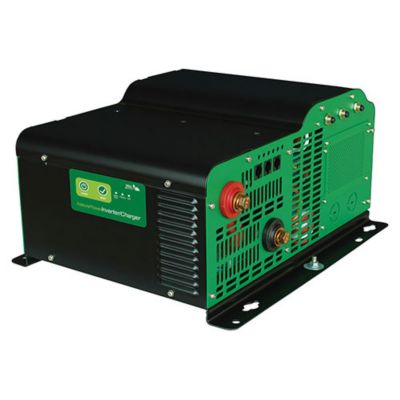
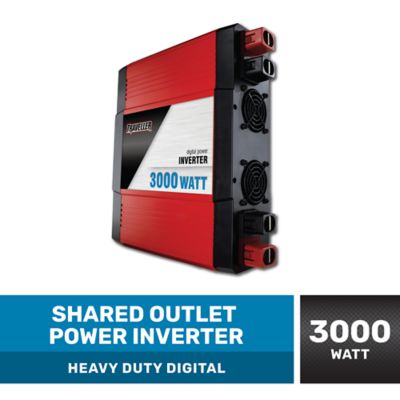
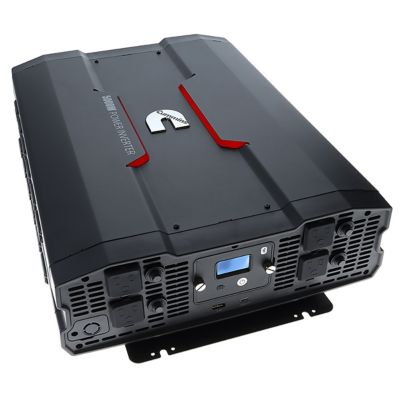
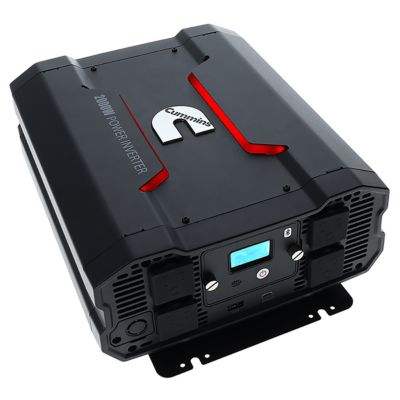
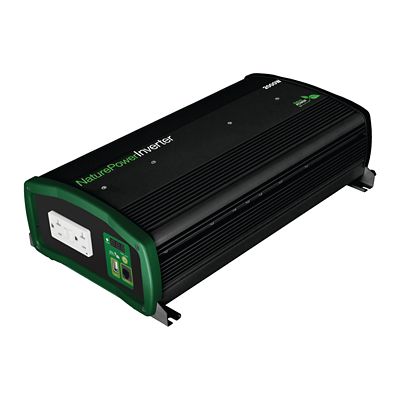
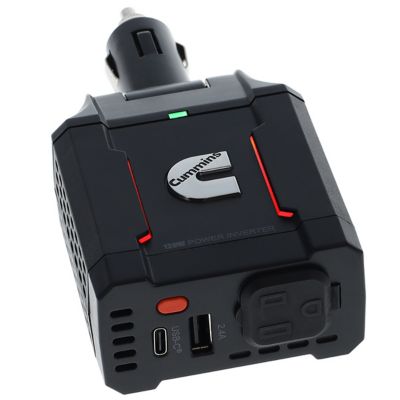
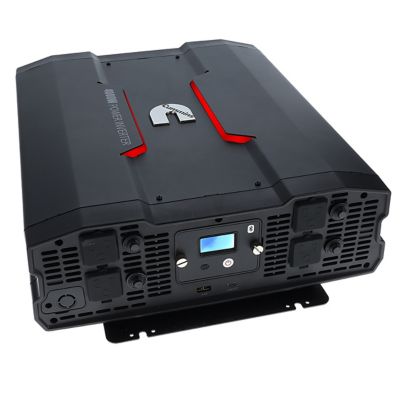
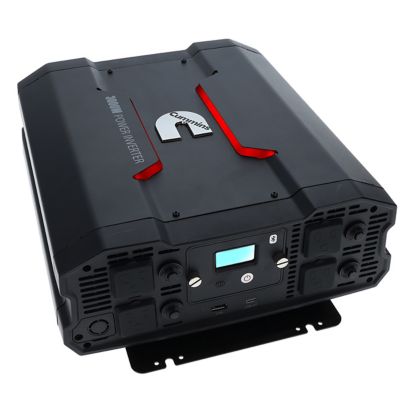
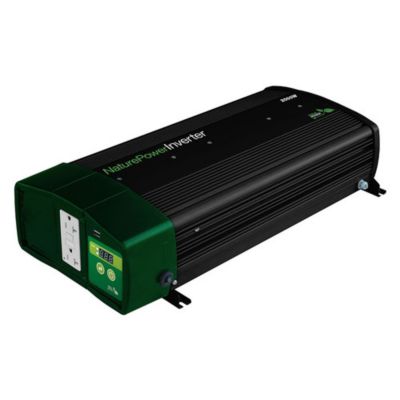
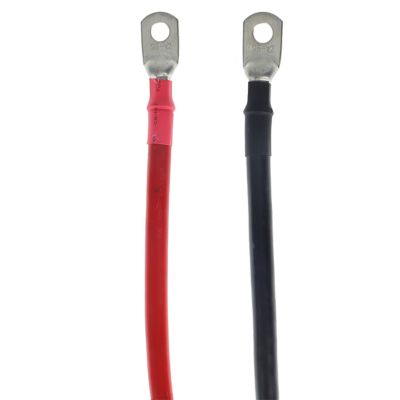
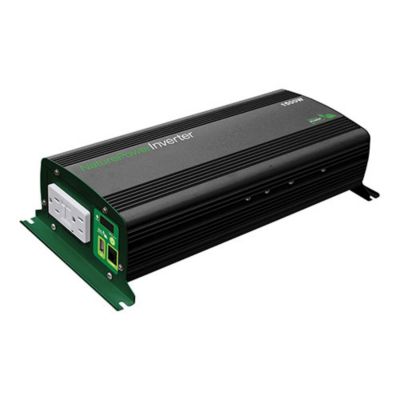
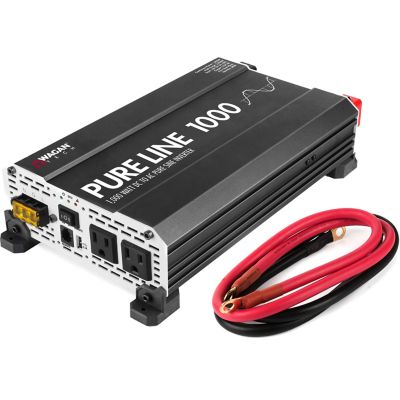
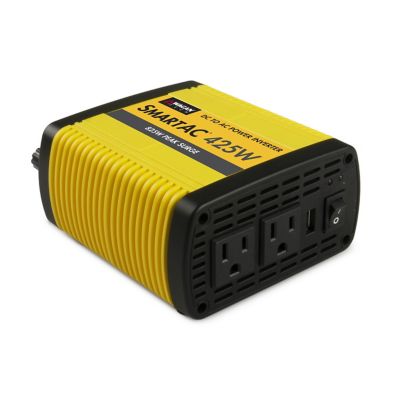
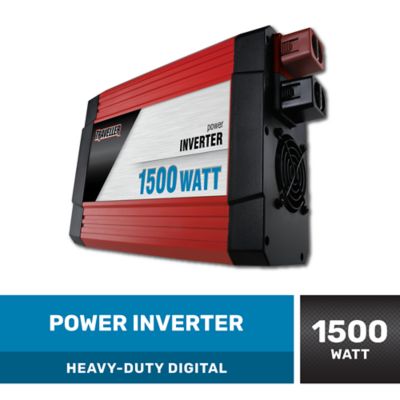
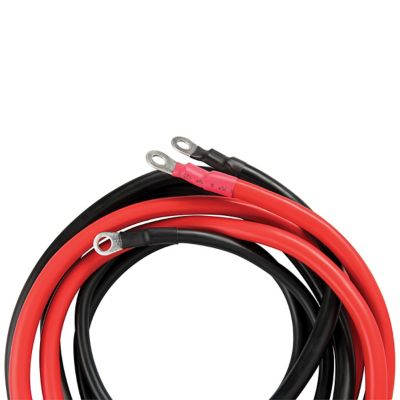
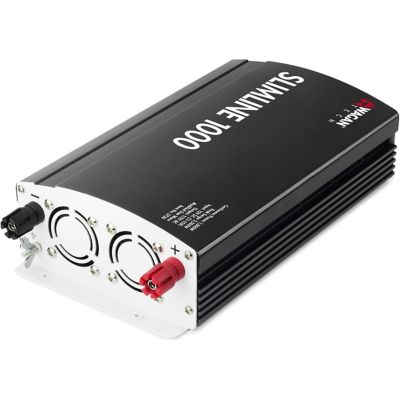
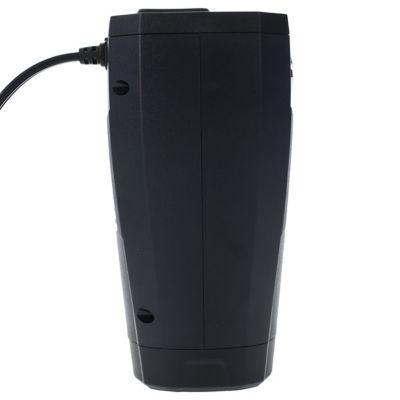
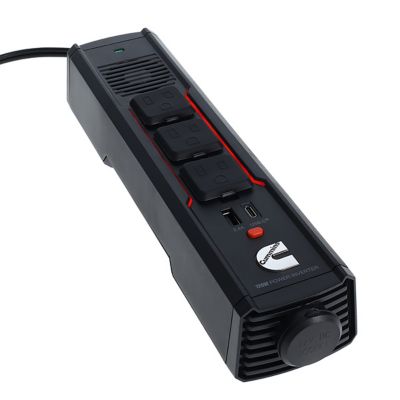
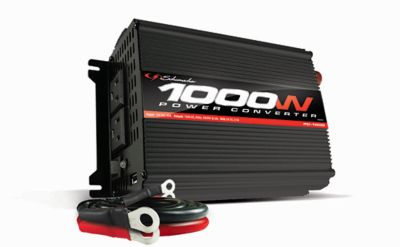
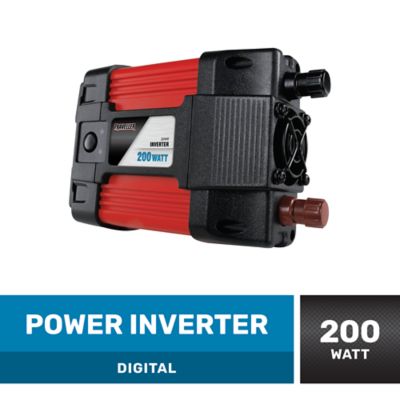
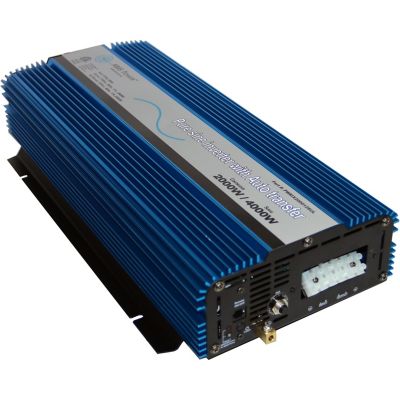
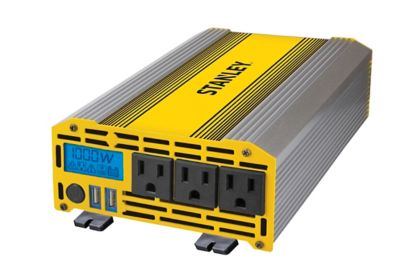
Off-grid inverters are the heart of a standalone electrical system, turning the direct-current (DC) power stored in batteries or produced by solar panels into alternating-current (AC) power used by household appliances, tools, lights and electronics. Unlike a grid-tied inverter, an off-grid model is built to operate independently from utility service, making it useful for remote cabins, hunting camps, workshops, barns, tiny homes, emergency backup systems and homesteads that need dependable power away from the nearest power line. Many units also include an inverter charger and a built-in solar charge controller, creating an all-in-one setup that manages power from solar panels, batteries and an optional generator in one enclosure. As you compare products, start with the kind of work your system needs to handle. A small setup for lights, phone charging, a router and a compact refrigerator has very different needs than a full cabin running a well pump, freezer, pressure tank, heating equipment or power tools. Add up the running watts of the equipment you expect to use at the same time, then account for startup surges from motors and compressors. A refrigerator may only use a modest amount of power once it is running, for example, but its compressor can draw several times that amount for a few seconds when it starts. Pumps, saws, air compressors and other motor-driven equipment can have similar demands. Choose an inverter with enough continuous output for your normal load and enough surge capacity to start the largest motor without tripping. Pure sine wave output is a particularly important feature for sensitive electronics and motorized appliances because it provides smooth, stable AC power similar to utility electricity. It is a practical choice for computers, televisions, medical equipment, battery chargers, refrigerators and other devices that may run poorly, make extra noise or suffer damage from rougher power. Modified or stepped wave output may work for some basic loads, but pure sine wave inverters offer broader compatibility for a mixed household or cabin setup. Voltage also matters. A 12-volt system can make sense for small mobile or light-duty applications, while larger standalone systems commonly use a 24- or 48-volt battery bank to move more power with less current. Higher-voltage battery architecture can reduce cable size and energy loss, but every part of the system must be matched, including the batteries, cables, disconnects, fuses, solar array and inverter.
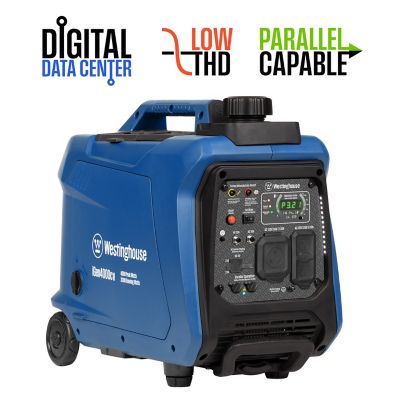
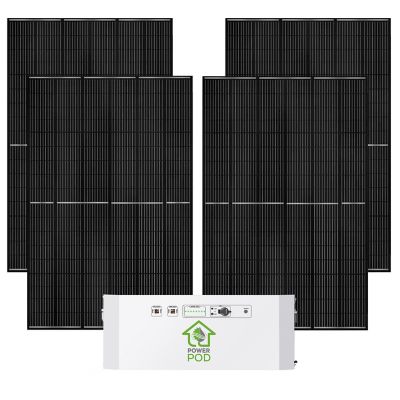
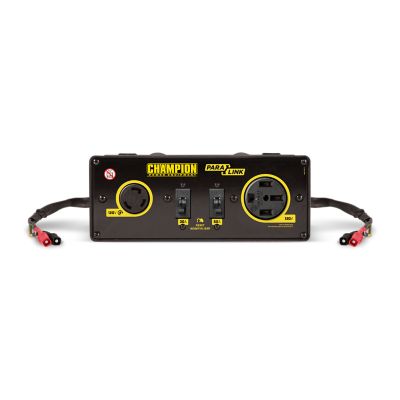
Battery capacity and solar input deserve just as much attention as the inverter’s advertised wattage. Inverter output tells you how much power can be used at once, while battery capacity determines how long that power can be supplied when the sun is low or the weather turns cloudy. A system sized only for a sunny afternoon may leave the lights out before breakfast after several gray days. Estimate daily energy use in watt-hours by multiplying each appliance’s wattage by the number of hours it runs, then leave room for seasonal changes, cloudy weather and unexpected loads. A comfortable reserve is especially helpful during the cooler months, when lights may be used longer and refrigeration, heating controls or water systems may run more often. Solar array capacity should also be matched to the battery bank and the inverter’s maximum photovoltaic input. An oversized array can be limited by the charge controller, while too little solar capacity may never fully replenish the batteries after heavy use. Check the product specifications for maximum PV voltage, maximum charging current, battery voltage, supported battery chemistry and allowable operating temperatures before building a system. Lithium batteries are popular for their usable capacity, lighter weight and strong cycle life, while lead-acid batteries can be a familiar, budget-minded choice when installed and maintained correctly. Each chemistry has different charging requirements, discharge limits and storage considerations, so the inverter’s settings must match the battery manufacturer’s instructions. Some systems can accept generator input as a second source, which is valuable when several cloudy days stretch the battery reserve or when a high-demand load needs temporary support. Split-phase capability may be needed for standard 120/240-volt equipment, well pumps, larger shop tools or appliances that use both legs of a household electrical system. Some inverters can be connected in parallel or stacked to increase output, but only when the units are designed for that arrangement and installed according to the manufacturer’s instructions. Off-grid equipment is a thoughtful gift for someone preparing a remote camp, improving a farm outbuilding or putting together a backup power plan, though proper sizing and safe installation matter more than simply choosing the largest unit. Anyone setting up a permanent home or high-power system should work with a qualified electrician and follow local electrical codes. Keep batteries and inverters protected from rain, dust, livestock and standing water, provide the required ventilation and clearances, use properly sized conductors and overcurrent protection, and never connect an off-grid inverter to utility wiring without approved transfer equipment. For shoppers comparing complete portable power options alongside standalone inverter systems,
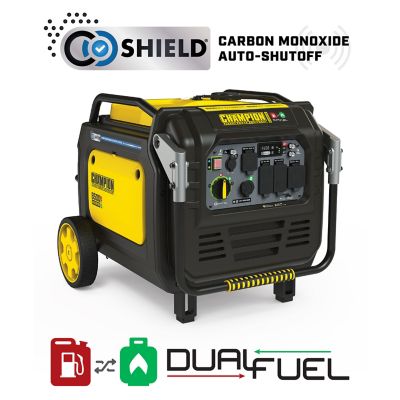
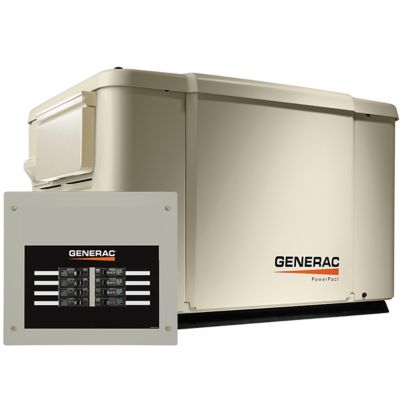
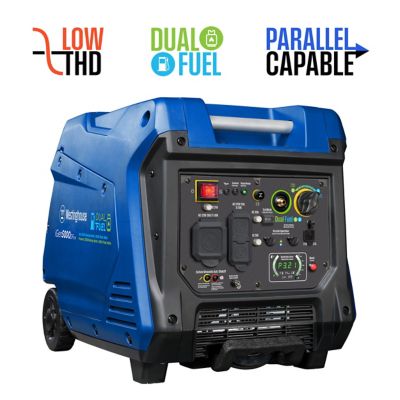
Solar Powered Generators for Off Grid can provide helpful context. With the right balance of inverter output, battery storage, solar input and backup options, an off-grid power system can keep a cabin porch light glowing, a freezer running and a workshop ready for the next job, even when the nearest utility pole is miles down the road.