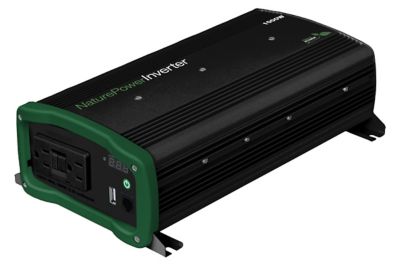
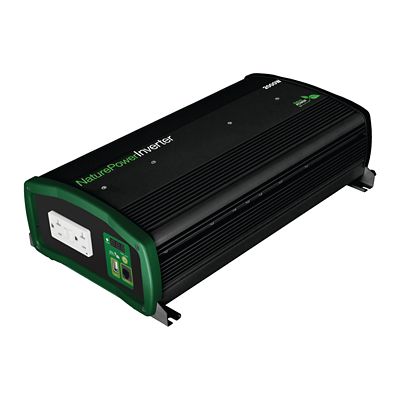
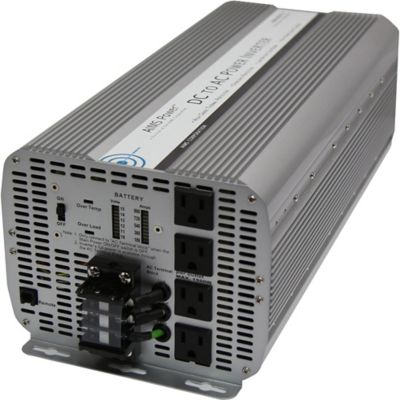
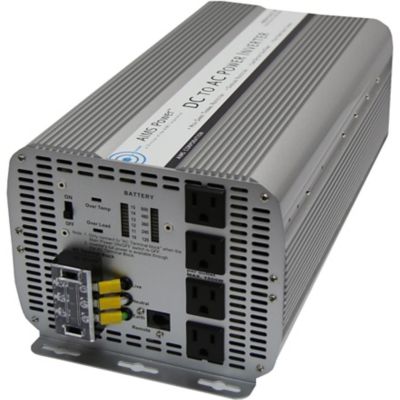
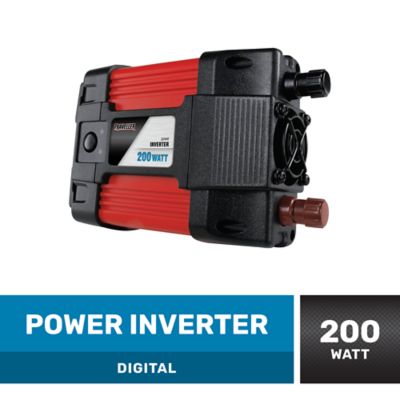
12V DC inverters convert 12-volt direct current from a compatible battery into 120-volt alternating current for household-style electrical equipment. That makes them a practical way to bring plug-in power to a truck, RV, farm service vehicle, or battery-based off-grid setup when a wall outlet is out of reach. For U.S. equipment, the output voltage and frequency should match the appliance requirements, typically 120 volts at 60 hertz. An inverter changes the form of electricity; it does not create energy or recharge its own battery. The right match depends on the equipment drawing power, the battery supplying it, and the connections between them. Continuous wattage describes the load an inverter can support during normal operation, while surge wattage covers brief increases, such as a motor starting. Both ratings matter for equipment with compressors, pumps, or other motor-driven parts, and the surge duration matters along with the number on the label. A few lights and a laptop charger place different demands on a system than a power tool starting under load. When several devices share an inverter, their combined running demand needs to stay within its continuous rating, with enough room for startup requirements. Waveform is another important difference within this category. Pure sine wave inverters produce a smooth AC waveform that more closely resembles utility power and is generally the better fit for sensitive electronics and equipment that calls for that output. Modified sine wave inverters produce a stepped waveform that may work with some basic loads, but compatibility varies. Certain motors, chargers, and electronics may run noisily, operate poorly, or fail to work on modified sine wave power. The equipment manufacturer’s requirements should settle that choice. For a fence crew charging communication devices between stops or an RV owner powering small plug-in appliances, matching the electrical demands matters more than choosing a unit by its wattage alone.
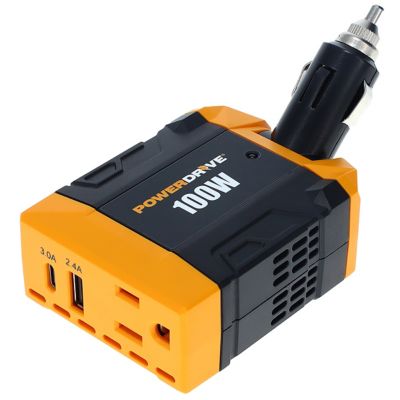
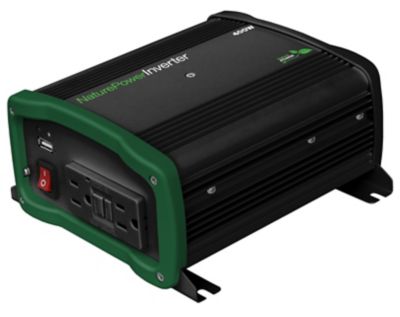
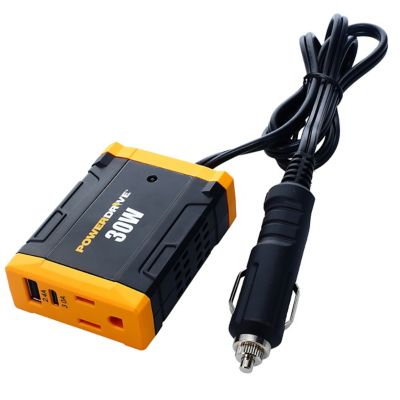
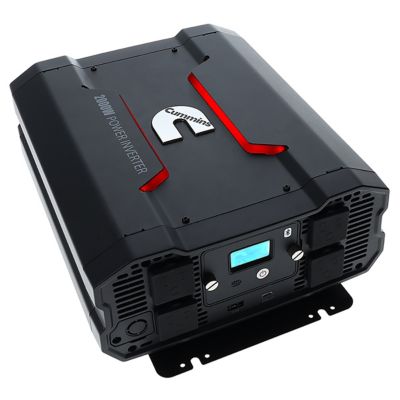
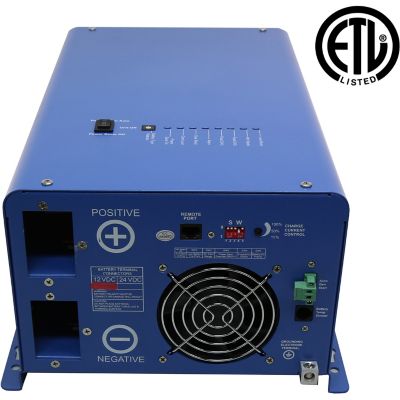
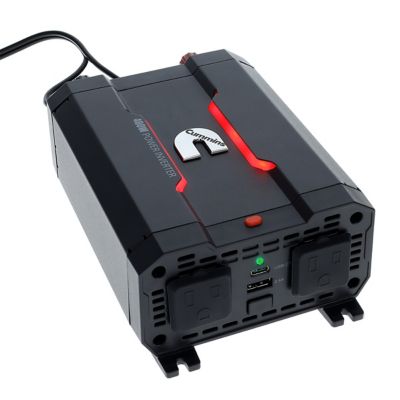
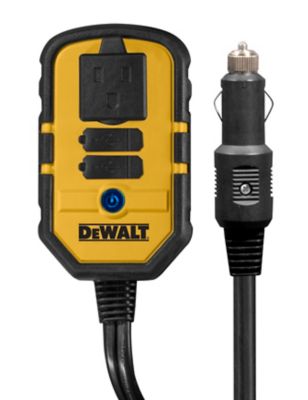
Physical fit and connection style help determine where a 12-volt inverter belongs. A compact unit intended for a vehicle accessory outlet has different installation limits than an inverter designed for direct battery connections. The outlet, vehicle wiring, and fuse rating limit how much power an accessory connection can supply, regardless of the inverter’s advertised output. Higher-output equipment generally calls for properly sized battery cables and circuit protection installed according to the inverter manufacturer’s directions. Even a 120-watt AC load can draw more than 10 amps from a 12-volt battery once conversion losses enter the picture, so cable size and connection condition deserve attention. Long or undersized cables can cause voltage drop and excess heat. Cable length, terminal fit, polarity, and fuse placement all belong in the installation plan, with a qualified installer handling work beyond the owner’s experience. Housing materials and layout matter, too. Metal enclosures can help dissipate heat, while mounting brackets, recessed connections, and protected controls can suit different vehicle or equipment arrangements. An inverter tucked behind a truck seat still needs the clearance and airflow specified in its manual; a tight compartment packed with gloves and straps is no place for blocked cooling vents. Most inverters also need protection from moisture, dust, vibration, and accidental contact, according to their enclosure rating and installation instructions. Features such as cooling fans, overload protection, short-circuit protection, and low-voltage shutdown can help protect the system, but they do not replace correct wiring or sensible load limits. A readable display can make battery voltage and operating status easier to check, while a remote switch can put control within reach when the inverter sits in an approved mounting location elsewhere. Outlet spacing also matters when charger blocks or larger plugs need room. For farm trucks and mobile work setups, secure mounting and accessible connections make routine checks simpler than a loose unit sliding around among tools.
Battery capacity determines how long that plug-in power can last. A 12-volt battery rated at 100 amp-hours holds roughly 1,200 watt-hours of nominal energy, but that figure is not the same as energy available at the AC outlets. Battery chemistry, permitted discharge depth, condition, discharge rate, and inverter losses all affect practical runtime. The inverter itself also draws some power while switched on, even without an appliance connected. A small load running all afternoon may take more energy than a larger load operating for a few minutes, so both watts and operating time belong in the picture. Deep-cycle batteries are generally better suited to repeated discharge than engine-starting batteries, and drawing down a truck’s starting battery can leave the engine unable to crank. Low-voltage shutdown offers a safeguard, but its cutoff setting may not preserve enough starting power or match every battery’s requirements. Battery compatibility is especially important with lithium systems, where the battery management system and discharge limits must support the inverter’s demand. Solar charging can replenish a compatible battery system, but a typical battery inverter is not a substitute for a solar charge controller. Comparing
DC To AC Inverters also means checking input voltage, since a 12-volt model is not interchangeable with equipment built for a 24- or 48-volt battery bank. Ongoing care centers on keeping vents clear, inspecting cables for wear, and checking connections with power disconnected as directed by the manufacturer. Grounding and ground-fault protection requirements depend on the equipment and installation. An inverter must never feed a household receptacle to energize building wiring; building connections require approved transfer equipment and professional installation. If an engine supplies charging power, it must run outdoors, away from doors, windows, and vents because of carbon monoxide. With the electrical ratings, battery capacity, and installation matched to the job, an inverter can put practical AC power within reach at the worksite, around the property, or on the road.