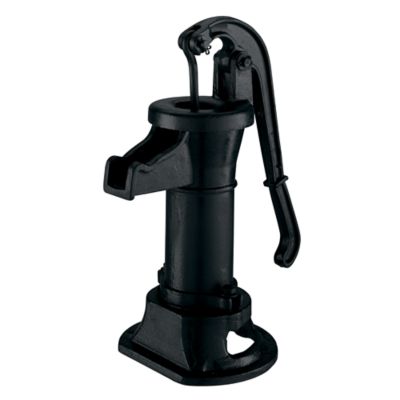
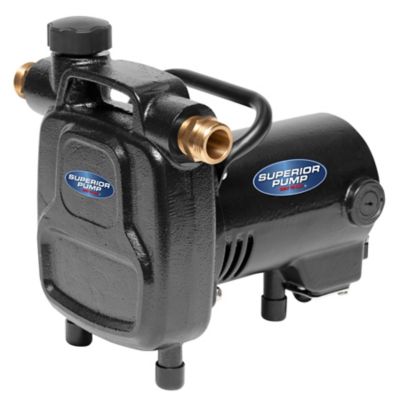
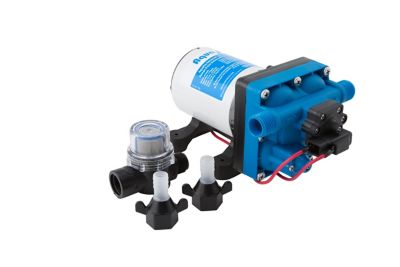
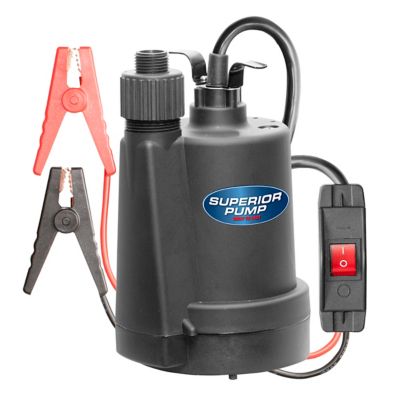
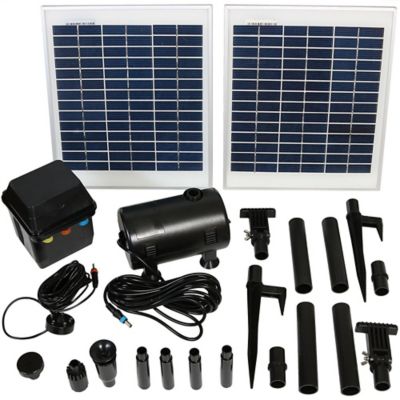
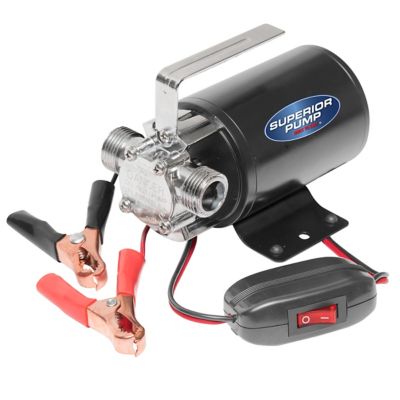
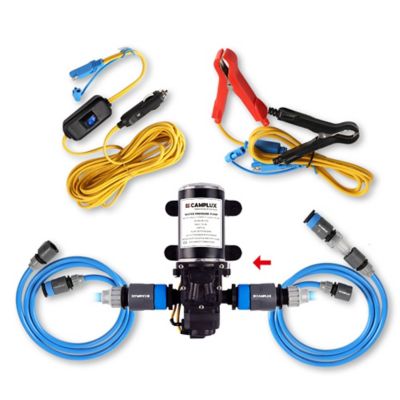
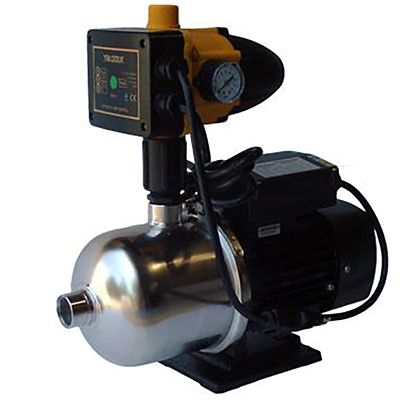
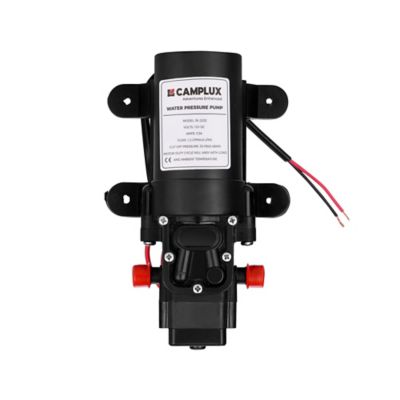
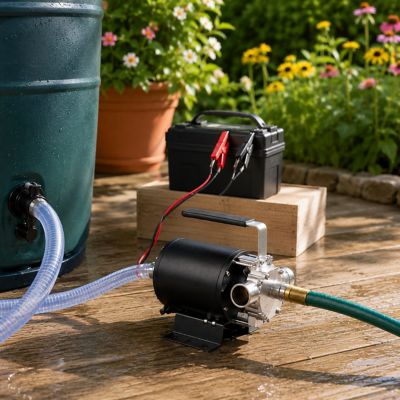
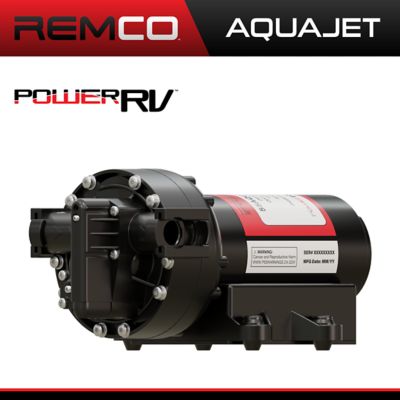
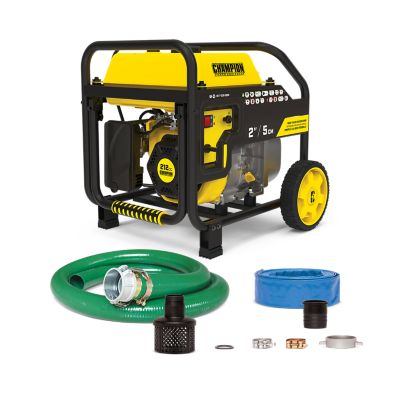
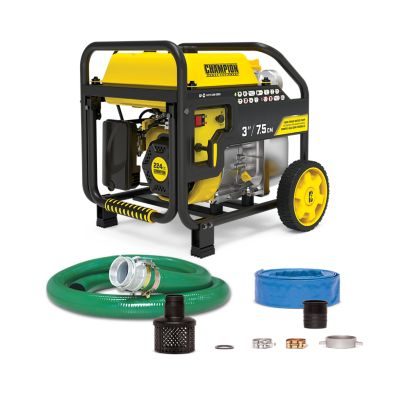
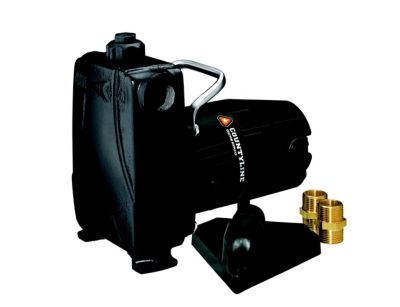
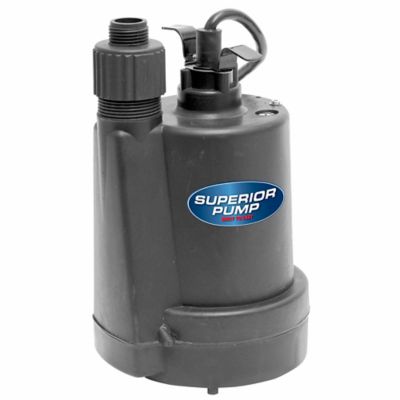
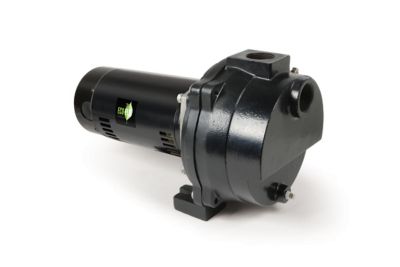
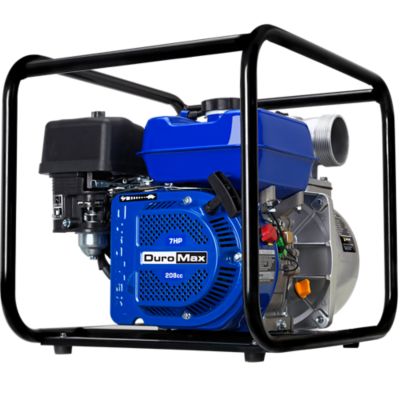
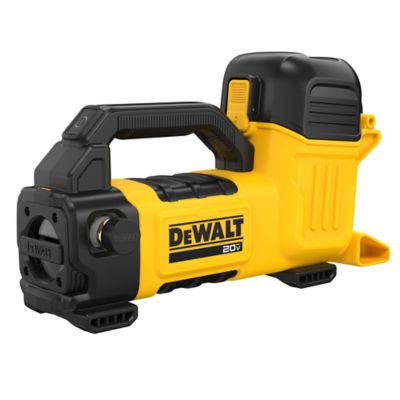
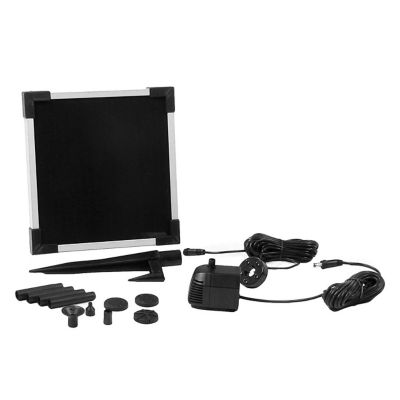
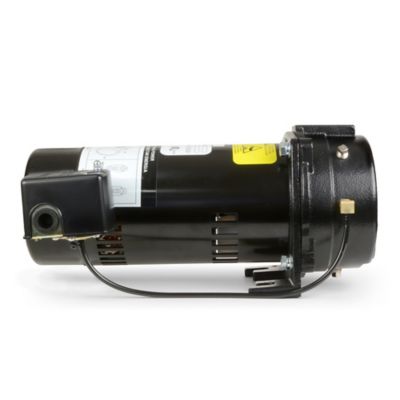
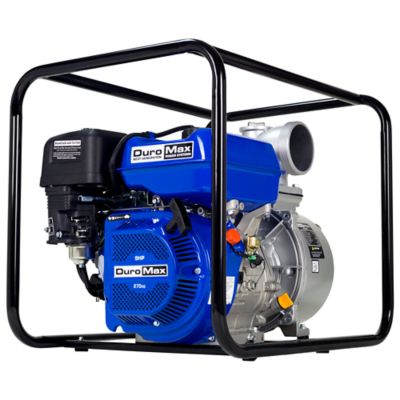
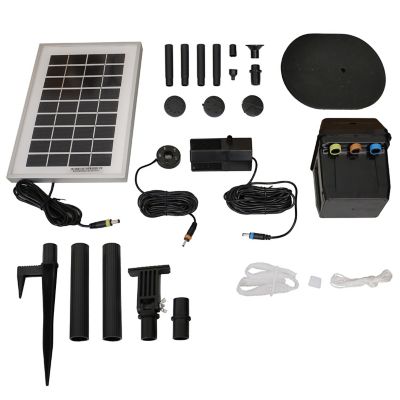
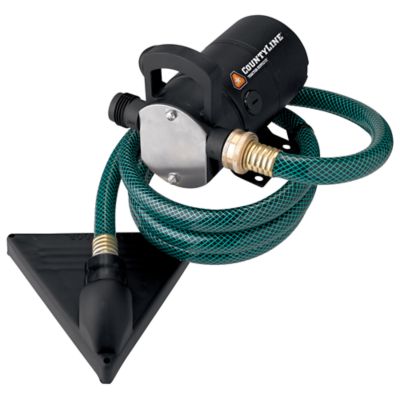
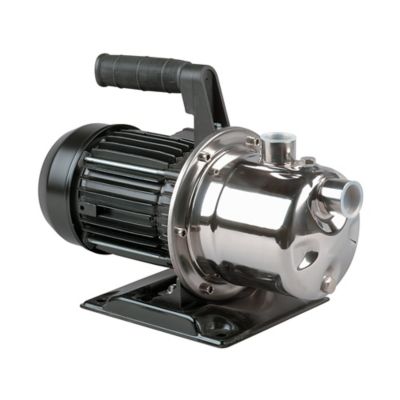
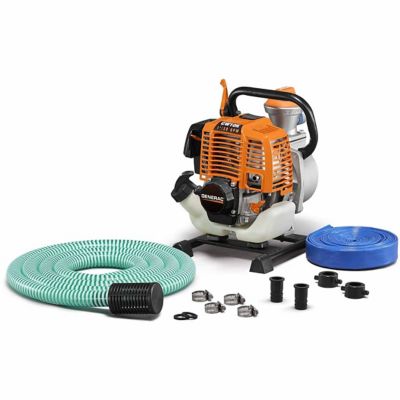
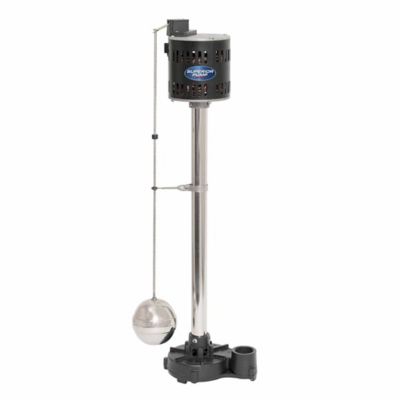
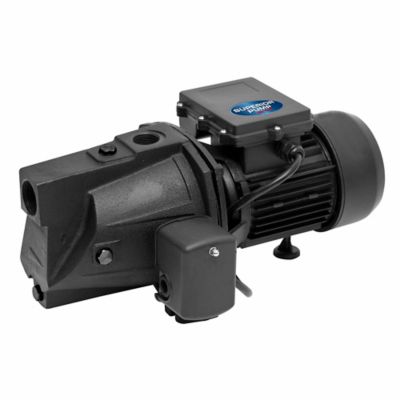
Off-grid water pumps help move water where a standard utility connection is unavailable, unreliable or simply not practical. They are commonly used at hunting cabins, rural homesteads, remote camps, garden plots, livestock areas, workshops and backup water systems. Depending on the setup, a pump may draw from a well, cistern, pond, creek, rainwater tank or storage barrel, then send water to a faucet, trough, irrigation line or elevated tank. The right choice starts with the water source and the job at hand. A solar submersible pump sits down in a well or tank and pushes water upward, making it a handy option when sunlight is available and a long power cord would be a hassle. A 12V demand or diaphragm pump can work well for small cabins, campers and utility setups, turning on when a faucet opens and shutting off when pressure builds. Manual hand pumps offer a straightforward way to draw water without batteries, fuel or wiring, especially at a shallow well or as a dependable backup. Hydraulic ram pumps are another distinctive option for property with a suitable flowing stream; they use the energy of moving water rather than electricity or gasoline. Because each style works differently, pay close attention to the pump’s intended use, flow rate, pressure rating, lift capacity and power requirements. A pump that is great for filling a stock tank may not deliver the steady pressure needed for a cabin sink and shower, while a small transfer pump may be better suited to moving water between tanks than pulling it from a deep well. Think about how much water is needed at one time, how far it must travel and how high it must be lifted. Those details matter more than a pump’s size alone, and they can help prevent the aggravation of a system that runs constantly, fills slowly or cannot keep up when several outlets are open.
Power planning is just as important as pump selection. Solar-powered off-grid water pumps need properly sized panels, a charge controller and, in many installations, a battery bank for use during cloudy conditions or after sunset. A 12V system may run from a battery, vehicle electrical system or solar-charged power source, but the wiring needs to match the distance and electrical load. Long runs with undersized wire can lose power, reduce pump performance and create excess heat, so heavy-gauge wire and suitable fuses are important parts of a safe installation. Keep batteries, controllers and other electrical equipment in a dry, shaded, ventilated area protected from standing water and extreme temperature swings. For surface pumps, placing the pump close to the water source can reduce suction lift and help the system work more efficiently. Every foot of vertical lift and every stretch of hose adds demand, especially when the water has to travel uphill to a cabin or tank. Use hose and fittings that match the pump’s inlet and outlet size, and secure connections carefully to limit air leaks. A sediment filter or screened intake can help keep sand, leaves, grit and other debris from reaching the pump, though filters need regular cleaning when the water source is muddy. Protect the intake from the bottom of a pond or creek, where settled silt can clog the system, and use a float or stable mounting method when water levels change. For drinking water, the pump is only one part of the setup. The source, storage container, plumbing and treatment method all need to be suitable for potable water, and water from a pond, creek or untreated well should be tested and treated according to local guidance before drinking. During the cooler months, drain exposed lines and protect pumps, hoses and filters from freezing. Water trapped inside a housing or fitting can expand and cause damage, leaving a remote system out of service when dependable water matters most.
Off-grid water pumps can make daily chores easier without tying a property to a conventional power line. A small system can supply water for raised beds, trees and greenhouse plants, while a larger arrangement can move water to a storage tank for gravity-fed use around a cabin or outbuilding. Livestock owners may use pumps to fill troughs, reduce the number of buckets carried across a pasture and keep water available at a more convenient location. Campers and cabin owners often appreciate a compact 12V pump for washing dishes, rinsing muddy boots or supplying an outdoor sink. For a person who enjoys homesteading, gardening, camping or maintaining a remote hunting property, an off-grid water pump can be a practical gift that supports plenty of time spent outdoors. Portable systems are especially useful when water needs change from one location to another, and you can browse
Portable Water Pumps for options suited to temporary jobs, emergency water transfer and camp use. Before adding a pump to your setup, sketch the basic path from the source to the destination and note the vertical rise, hose length, water depth and available power. Consider whether the pump will run for a few minutes at a time or work for hours, whether it must start automatically and how easy it will be to reach for cleaning or winter storage. Check seals, screens, hoses, battery connections and mounting points regularly, especially after moving the system or using it in dirty water. Keeping a spare fuse, a few replacement fittings and clean filter media nearby can save a long drive when a remote pump quits. Whether you are building a simple water arrangement for a weekend cabin or adding backup capacity to a rural property, choosing equipment that matches the source, power supply and intended use helps create a system that is steady, efficient and easier to live with through changing weather.