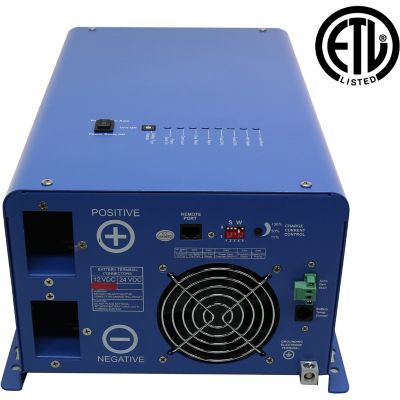
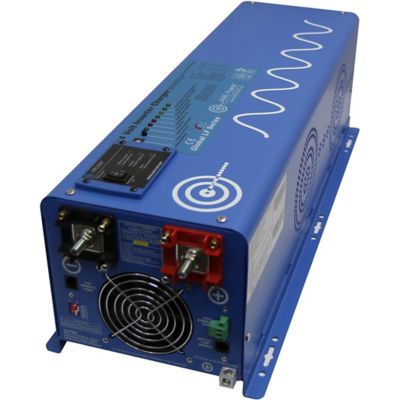
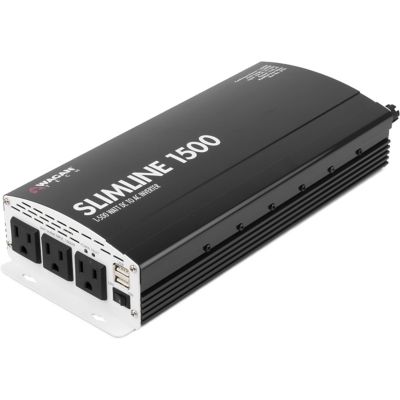
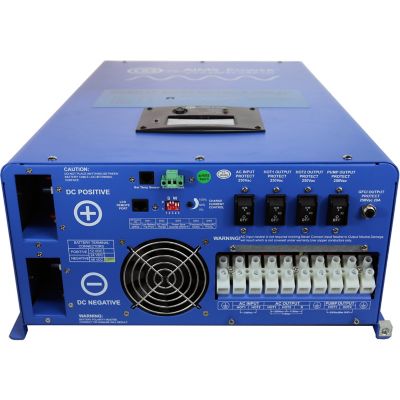
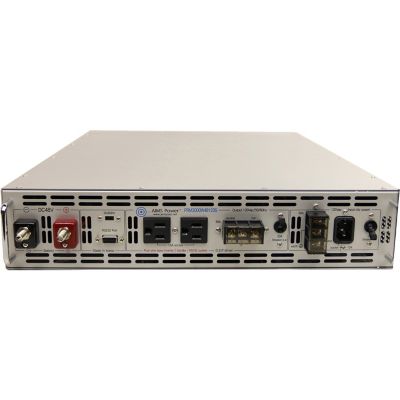
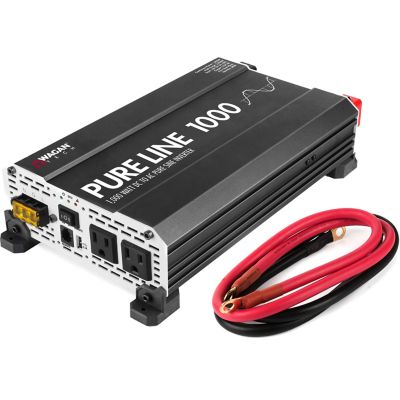
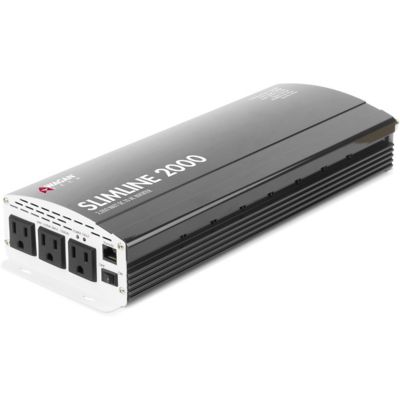
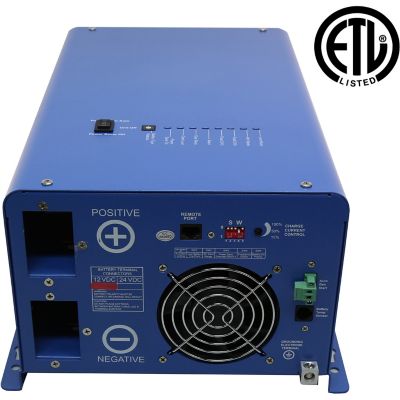
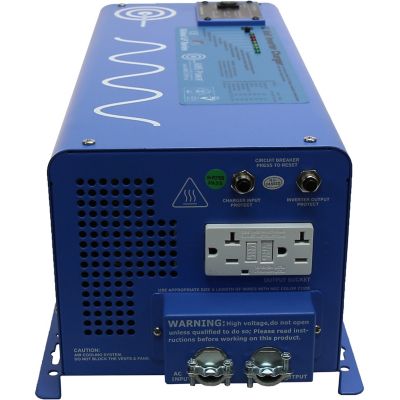
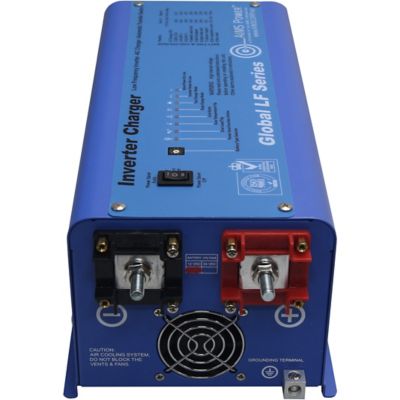
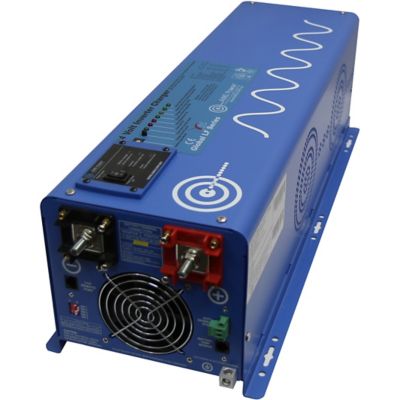
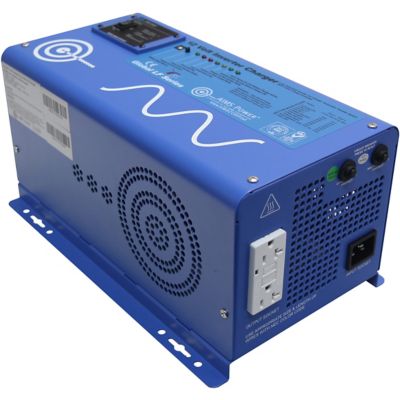
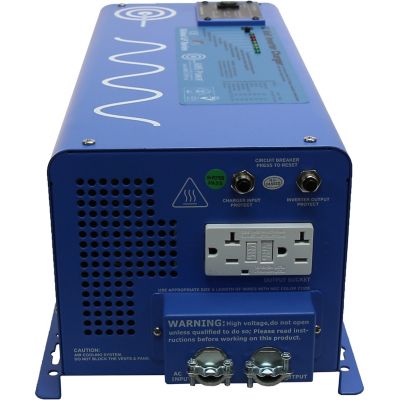
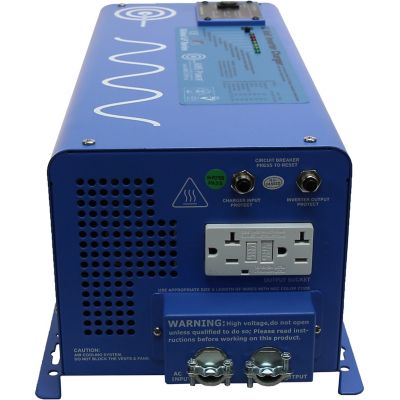
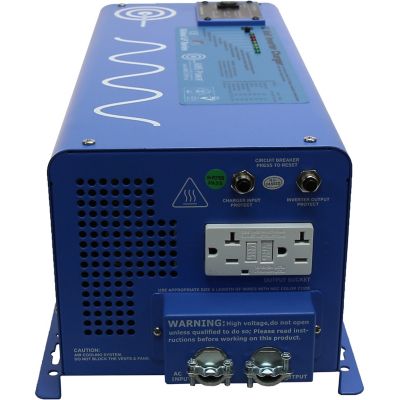
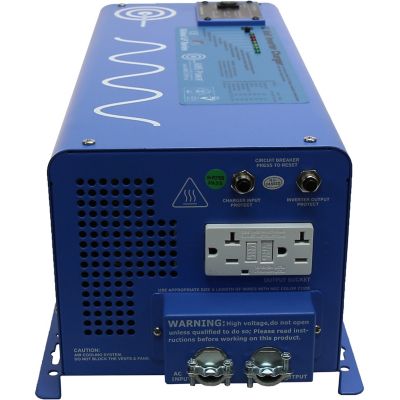
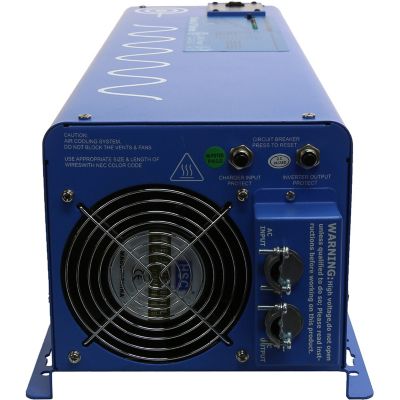
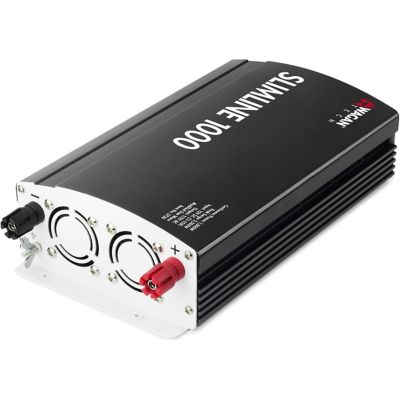
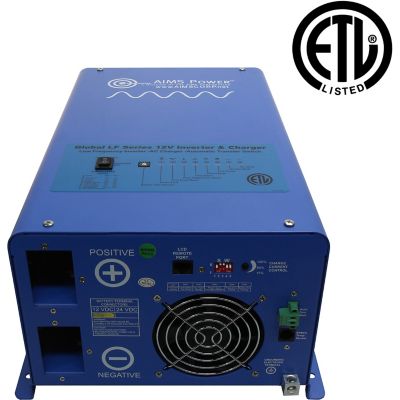
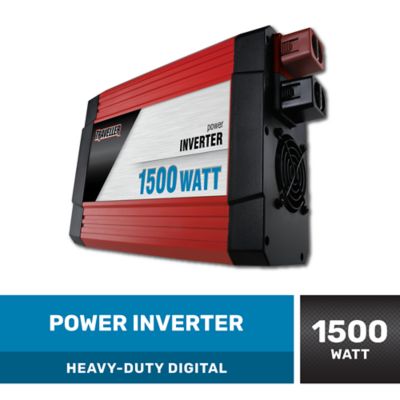
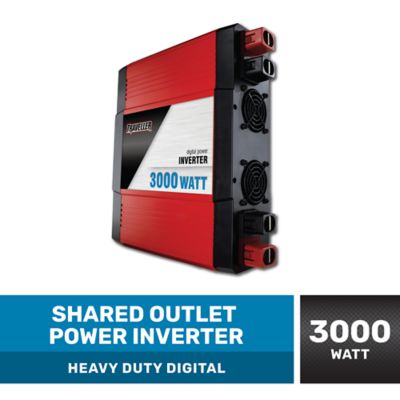
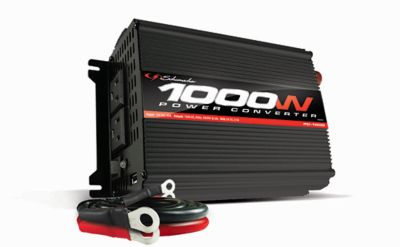
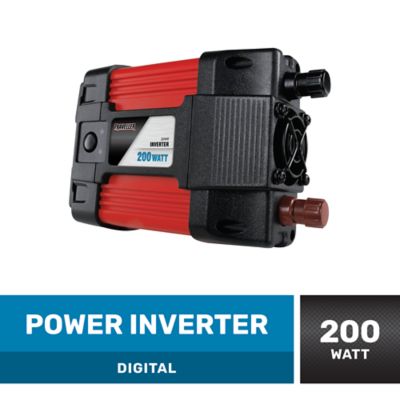
Battery power inverters turn direct current, or DC, from a battery into alternating current, or AC, for equipment that runs on household electricity. That makes them handy wherever the nearest wall outlet is back at the house: beside a fence line, inside a work truck, at a campsite or out in a barn without electrical service. Most household-style outlets on these inverters supply 120-volt AC power, while some models also include USB connections for charging compatible electronics. The category covers several setups, each suited to a different kind of day. Compact power tool battery inverters attach to compatible cordless battery packs and can supply modest loads, such as an LED lamp or laptop charger, within their output limits. Standalone inverters connect to an external battery system, often a 12-volt or 24-volt setup, and come in a wider range of power ratings. Portable power stations combine a battery, inverter and charging equipment in one enclosure, making them a different option from an inverter that needs a separate battery. An inverter alone does not store electricity, and it does not necessarily recharge the battery connected to it. Those distinctions matter when putting together a setup for chores, travel or backup power. Someone checking livestock after dark may value a compact unit that keeps a task light running, while a camper may need enough battery capacity for several hours of compatible electronics. Around a workshop, a battery inverter can put power close to a repair without stretching a cord across the yard. During the cooler months, it can also support selected small electrical loads during an outage, provided the equipment and battery system are properly matched. Electric heaters, cooking appliances and other high-draw equipment need far more power than a phone charger or light, so an outlet on an inverter should never be mistaken for the full capacity of a household circuit. The practical benefit is portable electricity for a defined job, not unlimited power from any battery.
Matching battery power inverters to the job starts with three separate ratings: battery input voltage, continuous output watts and surge output watts. Input voltage must match the battery system; a unit built for 12-volt DC input is not interchangeable with one built for 24 volts unless its specifications explicitly allow both. Continuous wattage describes the load an inverter can support steadily, while surge wattage covers a brief increase, such as the starting demand of certain motors. Surge duration matters, too, because a momentary rating may not support equipment that takes longer to start. A refrigerator or small pump can draw considerably more power at startup than it does once running, making the appliance specifications just as important as the inverter label. For setups with greater power demands,
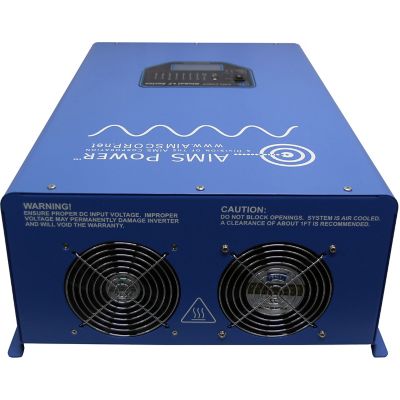
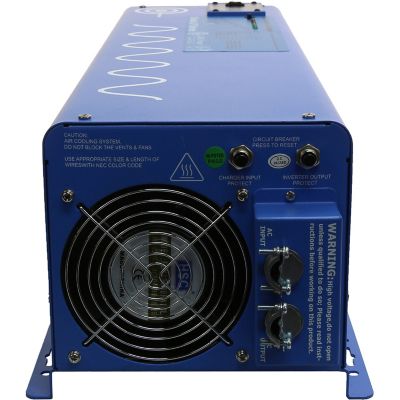
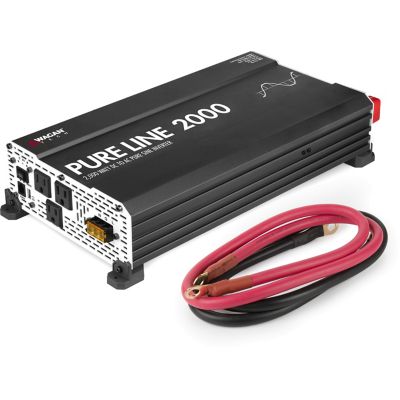
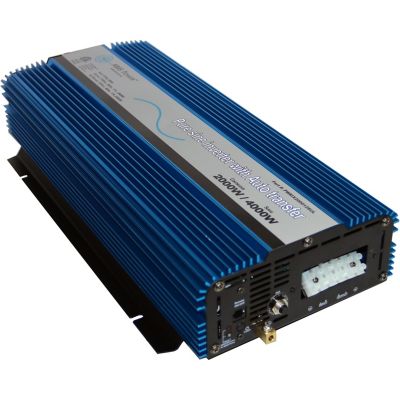
2000w Power Inverters offer a category to consider, with continuous output, startup capability and battery requirements still determining the right match. Output waveform is another meaningful difference. Pure sine wave inverters produce AC power with a waveform similar to utility electricity and are generally the better match for electronics and appliances that call for that output. Modified sine wave inverters may suit some simpler loads, but certain motors, chargers and electronic controls can run poorly or be incompatible; the equipment manufacturer’s requirements settle that question. Battery capacity determines how long the setup can work. Inverter wattage describes power delivery, not stored energy. As a rough illustration, a battery with 500 watt-hours of usable energy could theoretically run a steady 100-watt load for five hours, but inverter losses and the inverter’s own power draw shorten that time. Cold temperatures, battery condition and changing loads can reduce runtime further. Deep-cycle batteries are intended for repeated discharge within their specified limits, while vehicle starting batteries are primarily built to crank an engine. For a truck parked near a field gate, protecting the starting battery from excessive discharge matters as much as keeping a charger running. A low-voltage shutdown feature can help protect the setup, but it is not a guarantee that enough energy remains to start the vehicle.
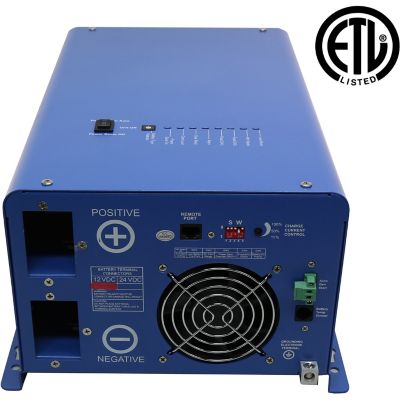
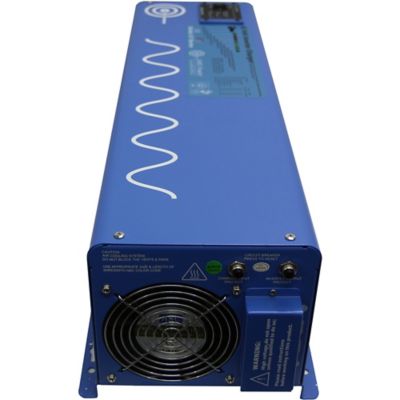
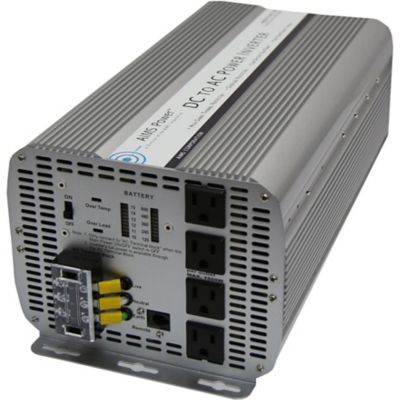
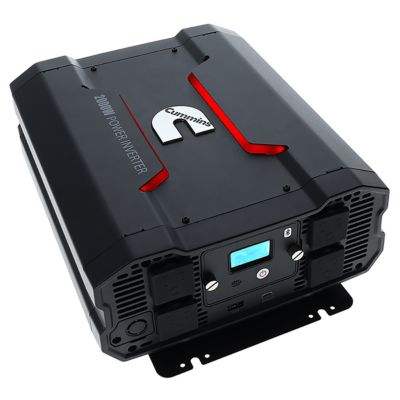
Physical fit and construction make a difference once an inverter leaves the shelf and heads into everyday work. For a power tool battery attachment, compatibility means the exact battery platform and supported pack voltage, not simply a pack that looks close in size. For a standalone unit, dimensions, mounting points, terminal access and space around cooling vents all affect how neatly it fits into a permitted installation location. Metal housings can help shed heat and stand up to everyday handling, while molded housings can keep smaller units light and easy to carry. Neither material alone establishes weather resistance; protection from rain, dust and splashes depends on the enclosure’s stated rating. A barn aisle, truck bed or campsite can expose electrical equipment to moisture and grit, so operating conditions deserve a close look. Cooling fans need room to move air, and an inverter should not sit under coats, hay or other materials that block ventilation. Outlet spacing is worth checking when bulky charger plugs need to sit side by side, and USB-A or USB-C ports only deliver the charging performance supported by both the port and connected device. Displays, battery indicators and clearly marked controls can make it easier to keep an eye on a setup while getting on with chores. Built-in protection against overloads, overheating and short circuits adds safeguards, but proper wiring remains essential. Higher-output battery inverters can draw substantial DC current and require correctly sized cables, suitable overcurrent protection and secure connections as specified by the manufacturer. A vehicle accessory socket has its own electrical limit and is not a substitute for the direct battery connection a larger inverter may require. Permanent installations are a job for a qualified installer, and an inverter must never feed household wiring through a wall outlet. For routine care, disconnect power before inspecting connections or cleaning the exterior, keep vents clear and follow battery storage and charging directions. As a gift for a camper, property owner or someone who spends long days working away from outlets, a battery power inverter makes the most sense when its battery compatibility and intended electrical loads are already known. A well-matched setup earns its place by keeping the right equipment running where the work takes it.