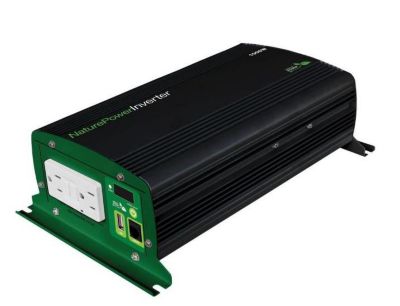
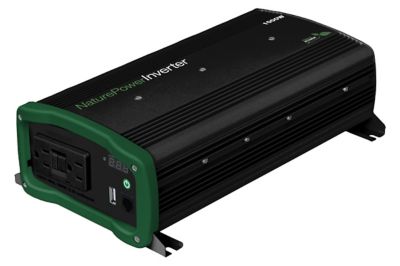
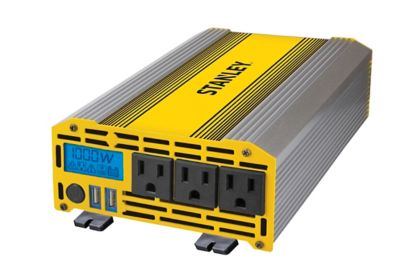
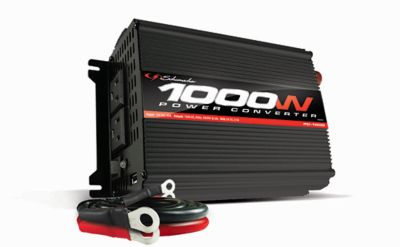
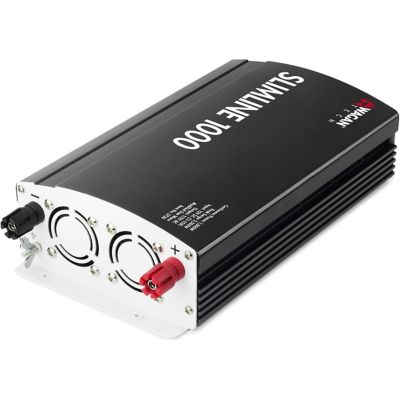
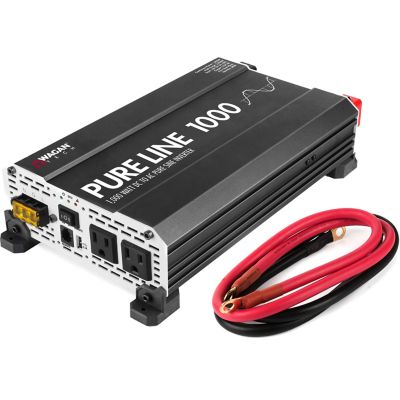
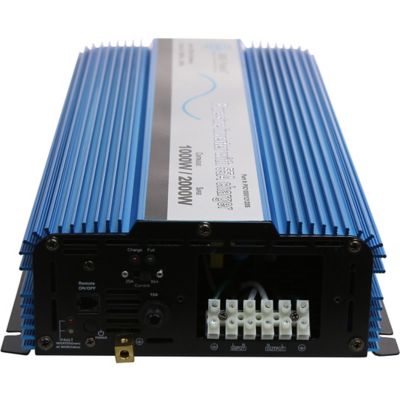
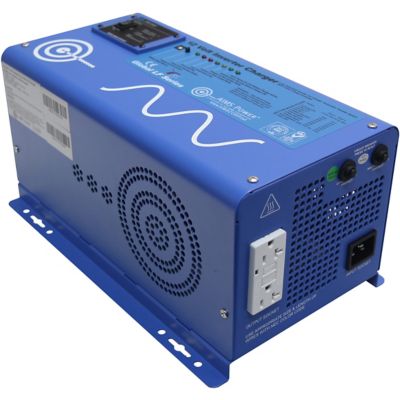
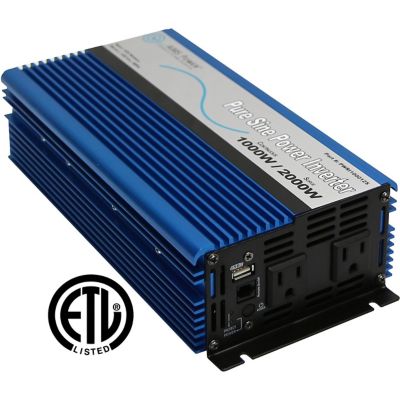
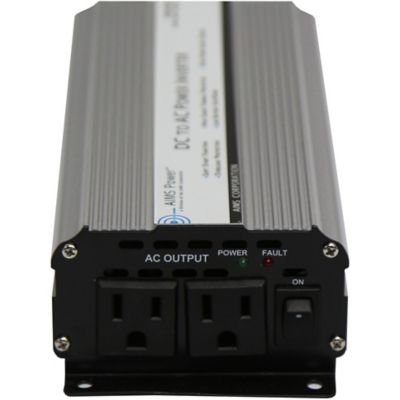
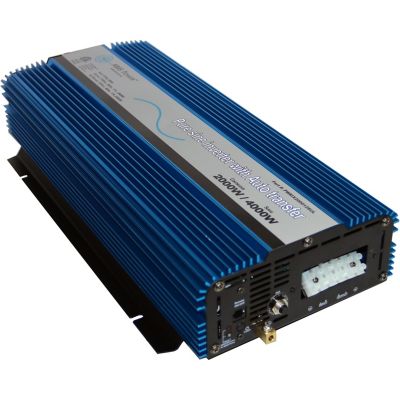
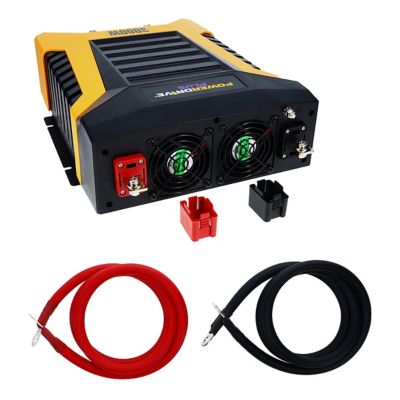
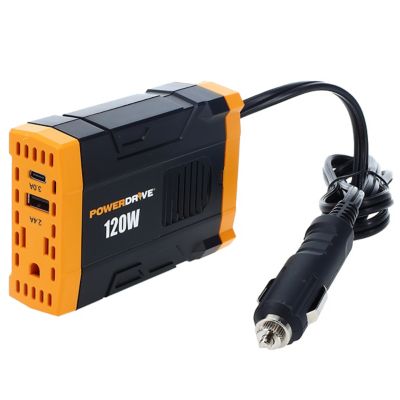
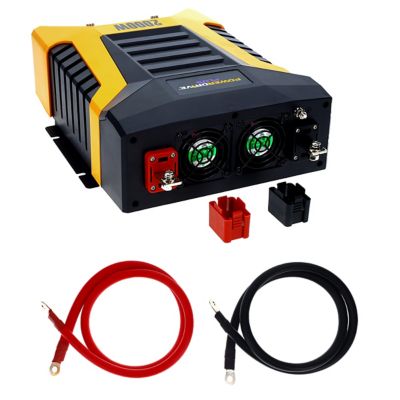
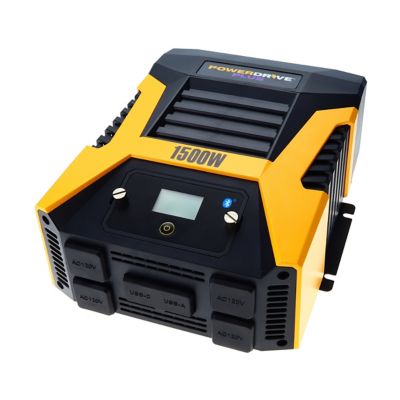
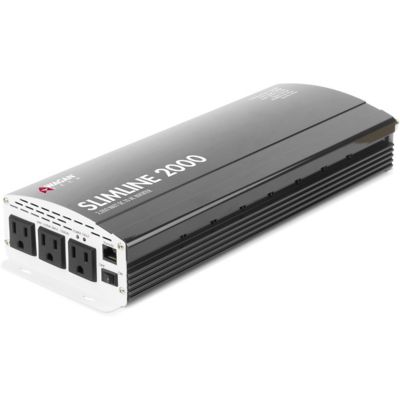
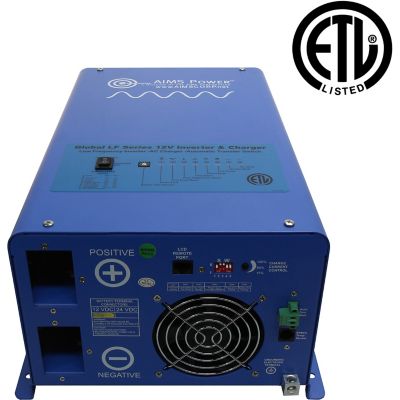
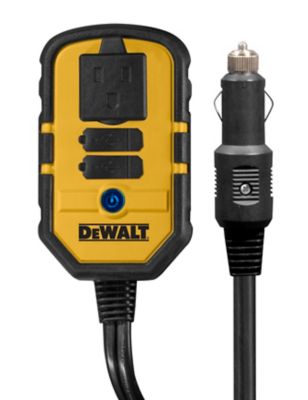
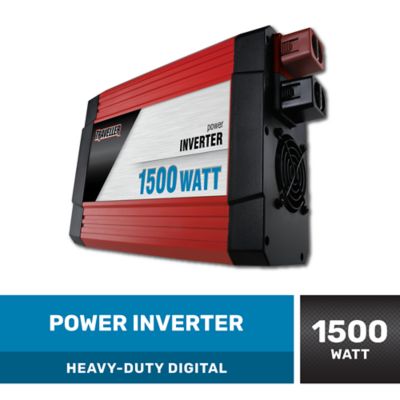
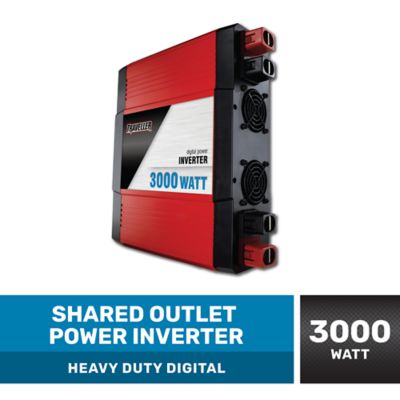
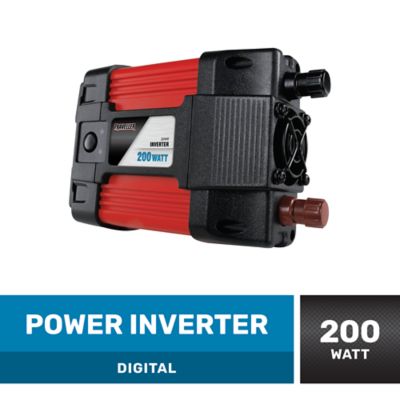
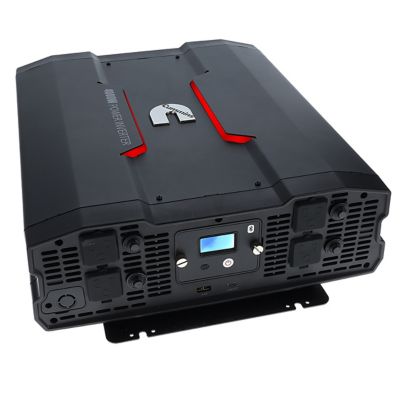
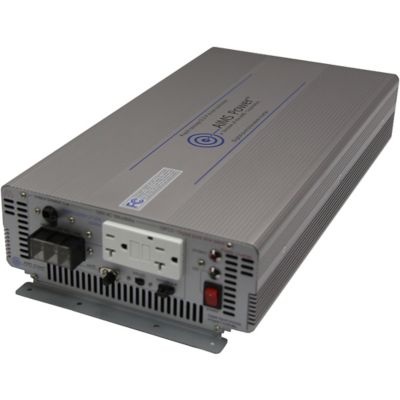
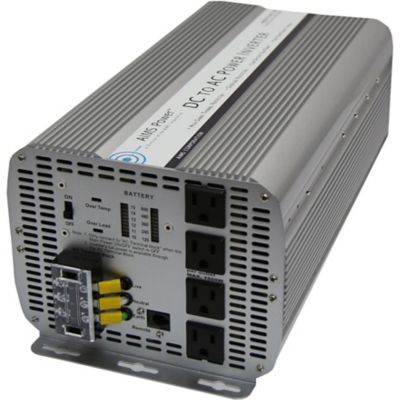
A 1000 watt inverter turns power from a 12-volt battery into 120-volt AC electricity, giving you a handy way to run household-style devices where a wall outlet is out of reach. That makes these inverters useful in a pickup, SUV, camper, boat, workshop, hunting cabin, or off-grid setup. With the right battery and wiring, an inverter can keep phones, tablets, laptops, Wi-Fi equipment, LED lights, small fans, and other everyday electronics going during a power outage, at a remote jobsite, or while traveling down a gravel road. Some models can also handle modest appliances and tools, such as a compact refrigerator, blender, television, CPAP machine, corded drill, or small work light, as long as the equipment stays within the inverter’s continuous output and startup requirements. A 1000 watt rating refers to the maximum continuous load the inverter is designed to support, not necessarily the amount it should carry all day. For dependable operation and a longer service life, many folks leave some breathing room and keep their regular load closer to 500 to 700 watts instead of running right at the limit. Add up the wattage shown on each device you plan to use at the same time, and remember that motors and compressors often draw extra power for a few seconds when they start. A small refrigerator, fan, pump, or power tool may use a reasonable amount once running but require a higher temporary surge to get moving. Many 1000 watt inverters provide around 2000 watts of peak or startup capacity, though the exact rating varies, so check the specifications before connecting equipment with a motor. If the total load is too close to the limit, the inverter may shut down, sound an alarm, or run hot. The battery also matters. An inverter does not create power; it pulls energy from a battery, and heavier loads can drain that battery quickly. A fully charged 12-volt battery may run a light electronic load for quite a while, while a high-draw appliance can use up available capacity much faster. Battery condition, temperature, cable length, and the age of the electrical system all affect real-world performance.
One of the biggest choices is the inverter’s output waveform. Pure sine wave inverters produce smooth, consistent AC power that closely matches the electricity supplied by a household outlet. They are a smart choice for sensitive electronics, medical equipment, chargers, audio gear, modern televisions, and appliances with electronic controls. Clean power can help reduce humming, buzzing, heat, and unusual behavior. Modified sine wave inverters are often more budget-friendly and may work well for basic loads such as simple lights, some heating elements, and certain older motors, but they are not the best match for every device. Some electronics may run noisily, operate less efficiently, become warmer, or fail to start on a modified waveform. When a device is expensive, medically important, or difficult to replace, choosing a pure sine wave model and following the device manufacturer’s guidance is worth the extra attention. Look at more than the wattage number, too. Helpful features may include low-voltage shutdown, overload and over-temperature protection, cooling fans, built-in fuses or breakers, battery voltage displays, USB charging ports, and clearly marked AC outlets. A remote on/off switch can be especially convenient in a camper, truck cab, or enclosed storage area where the inverter is mounted out of easy reach. Pay close attention to connection points and cable requirements. A 1000 watt load at 120 volts may look small from the AC side, but it can draw roughly 83 amps from a 12-volt battery before accounting for normal energy losses. That is substantial current, so short, heavy-gauge cables and secure connections are important. Follow the installation instructions for fuse size, grounding, ventilation, and mounting. Keep the inverter dry, allow air to move around its cooling openings, and avoid placing it beside fuel, loose hay, battery gases, or other flammable materials. Never use an inverter or extension cord with damaged insulation, and do not connect an inverter directly into a home electrical panel unless the system has been installed with the proper transfer equipment by a qualified professional. Plugging it into a wall outlet can send power backward through the wiring and create a serious hazard for anyone working on the utility lines.
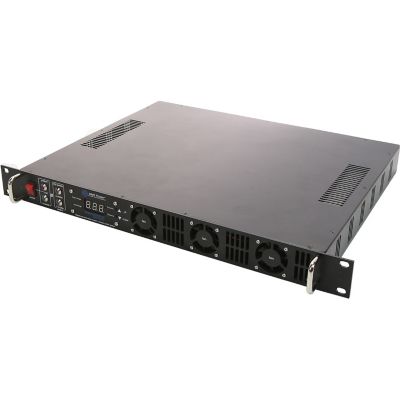
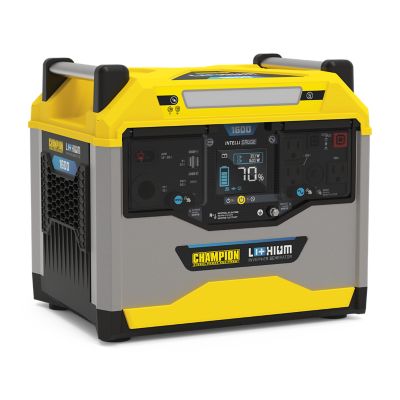
For a farm family, traveler, camper, or hands-on homeowner, a 1000 watt inverter can be a practical addition to the emergency kit and a thoughtful gift for someone who spends time away from the grid. It can keep a rechargeable lantern topped off during a storm, power a small fan in a parked vehicle, run a laptop from a tailgate, or provide a little extra convenience at a campsite where the nearest outlet is several fields or miles away. During the warmer season, it may help with fans, portable lights, phone charging, and small entertainment devices around the barn or campsite. As the weather turns cooler, the same setup can be useful for communications equipment, work lights, chargers, and selected medical devices during an outage, though heating appliances usually require far more power than a 1000 watt inverter can provide. It is also worth considering the complete system rather than the inverter alone. A battery with enough reserve, properly sized cables, a fuse near the battery, and a safe place to mount the unit all play a part in reliable performance. Solar panels, battery chargers, or a vehicle’s charging system may be used to replenish the battery, but charging times depend on the battery size, available sunlight, alternator output, and the energy being used at the same time. Keep a simple list of the devices you expect to run and note both running watts and starting watts where available. If several appliances will operate together, leave room for their combined demand instead of counting on peak capacity as a normal operating level. For larger tools, multiple appliances, whole-room backup, or equipment with heavy startup demands, step up to a higher-capacity option such as
4000 Watt Inverters. Choosing the right size from the start helps prevent nuisance shutdowns and keeps your backup setup useful when the lights go out, the job takes you off the beaten path, or a quiet evening at camp calls for a little household power.