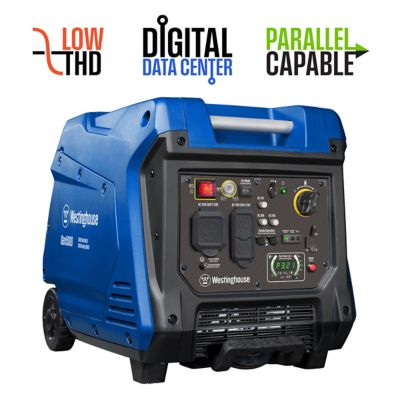
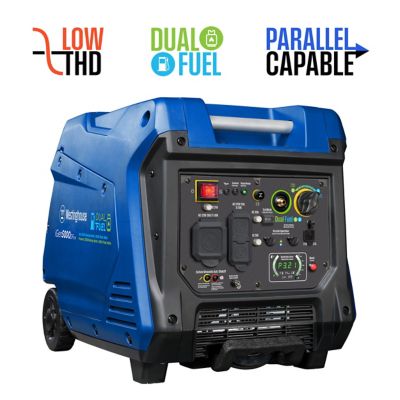
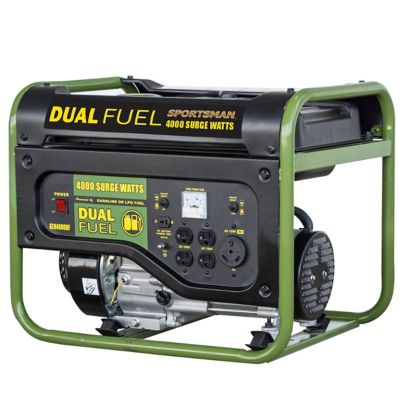
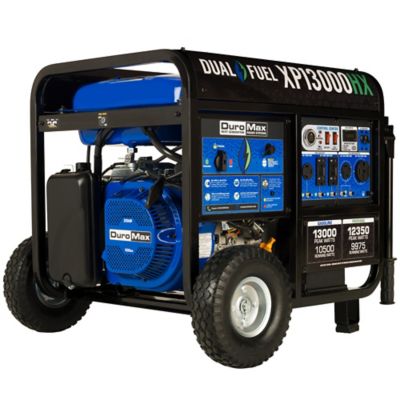
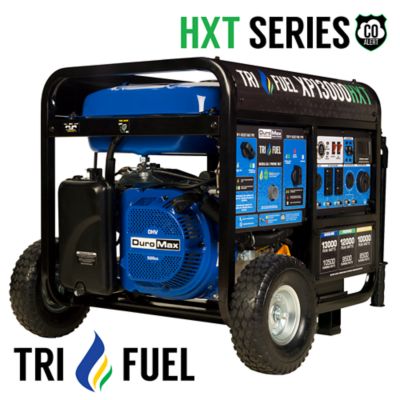
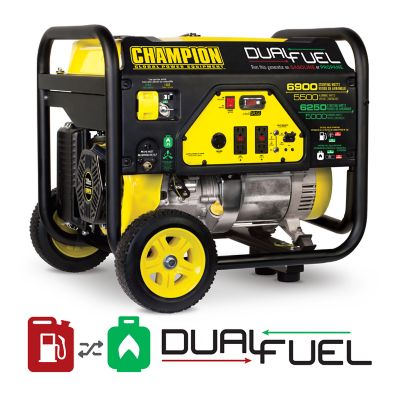
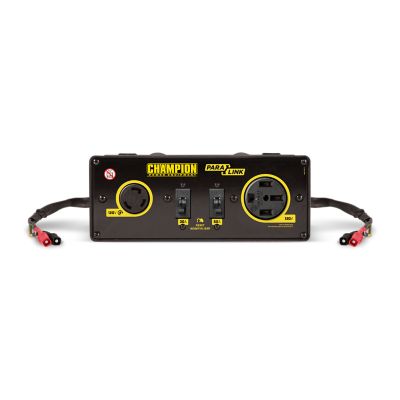
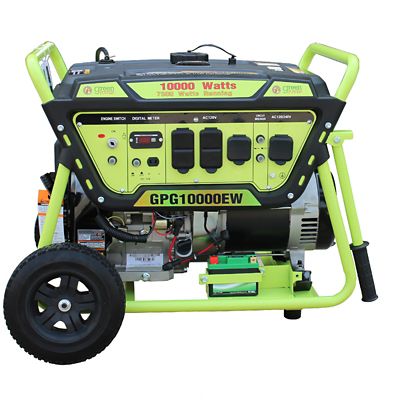
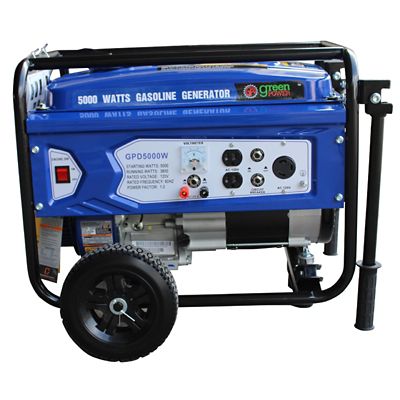
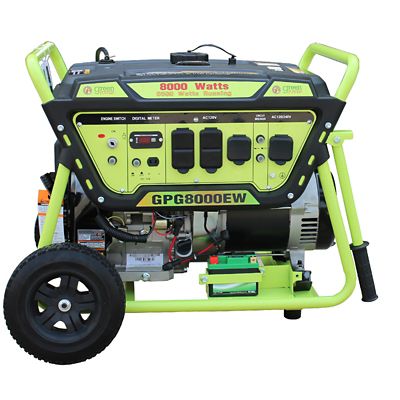
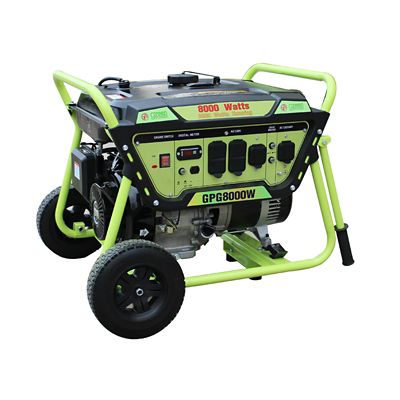
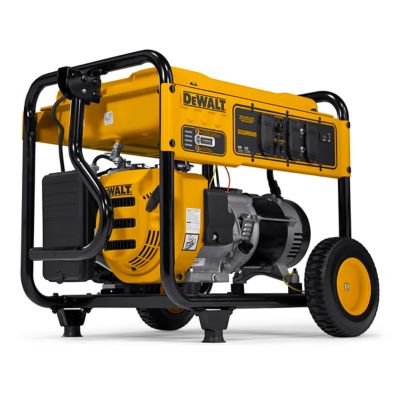
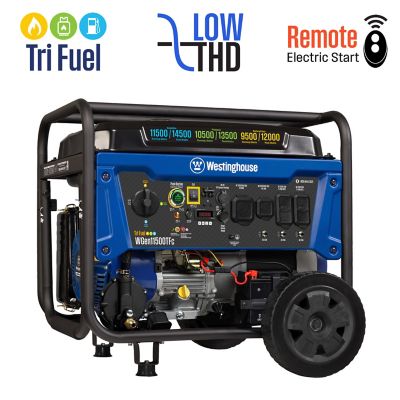
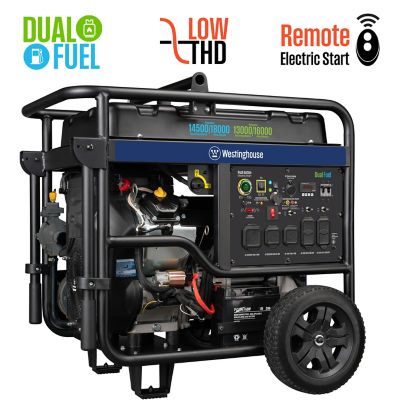
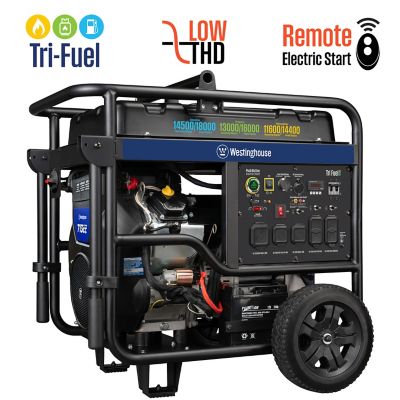
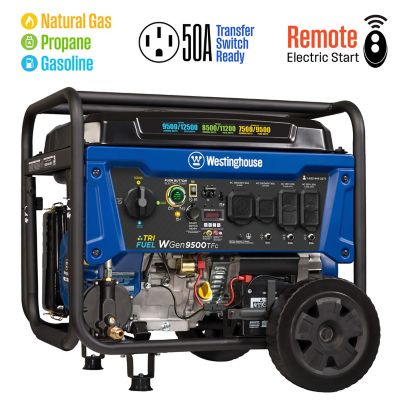
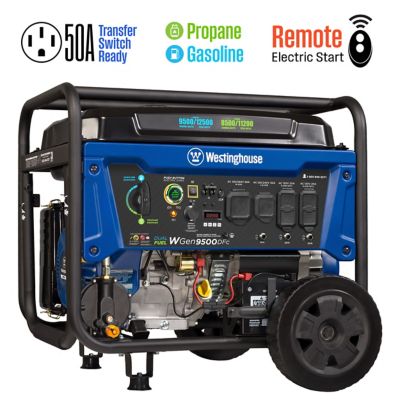
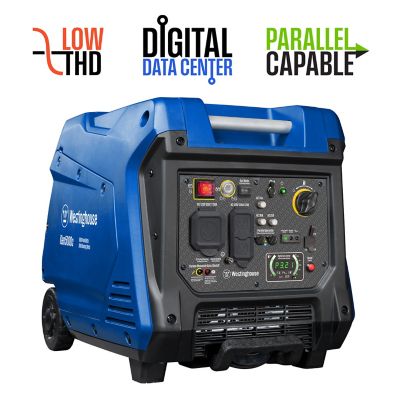
Off-grid power generators help bring dependable electricity to places where utility lines are limited, unreliable or simply not part of the plan. They can serve as the main power source for a hunting cabin, workshop, barn, homestead, remote campsite or tiny house, or they can provide backup power when storms, fallen branches or equipment trouble interrupt service. Some shoppers need enough capacity to run a refrigerator, freezer, well pump and a few lights, while others are looking for a setup that can handle tools, heating equipment, communications gear or the everyday needs of a full cabin. Start by making a list of the equipment you expect to run and check each item’s running watts and starting watts. Motors in pumps, compressors, refrigerators and power tools often need a short burst of extra power when they start, so a generator that looks adequate on paper may not have enough reserve for real-world use. Portable fuel generators are a familiar choice for mobile power and can run on gasoline, propane or more than one fuel type, depending on the model. Gasoline is easy to find in many areas, while propane stores for long periods without the same concern about fuel going stale. Dual-fuel and tri-fuel options can add flexibility when one fuel source is harder to get. For a fixed cabin, farm building or off-grid home, a larger standby or prime-power generator may be a better fit, especially when high-capacity equipment needs to operate regularly. Consider the generator’s rated output, surge capacity, fuel use, tank size, runtime and recommended duty cycle rather than focusing on peak wattage alone. A unit intended for occasional backup use may not be the right match for continuous daily operation, while heavy-duty, lower-speed or diesel-powered equipment may be designed for longer working hours. Product details can vary widely, so matching the generator to the expected load and frequency of use helps protect both your investment and the equipment connected to it.
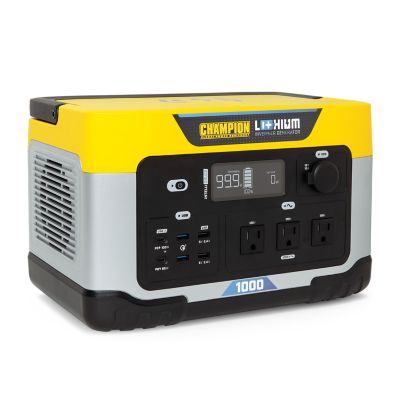
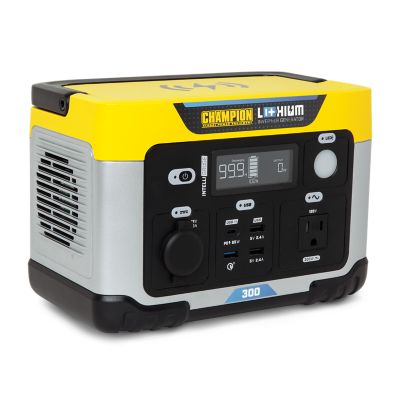
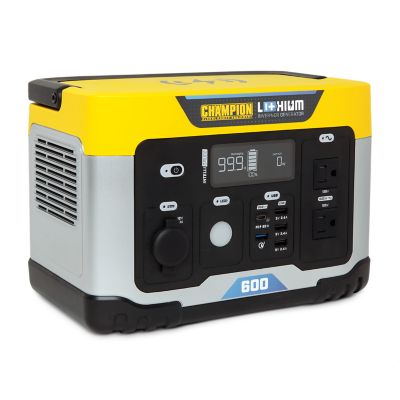
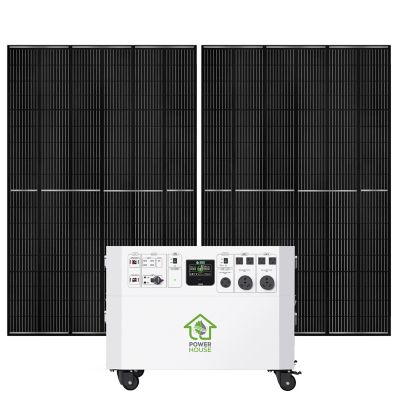
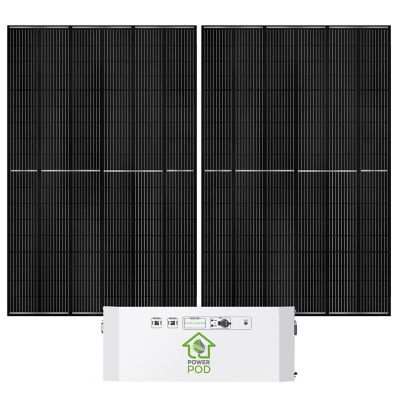
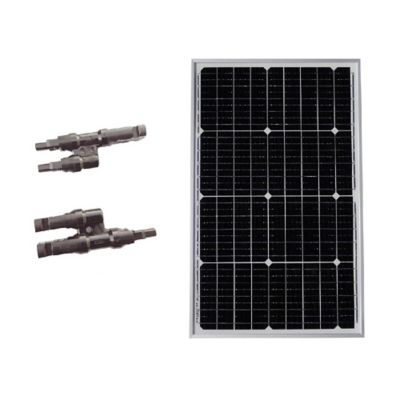
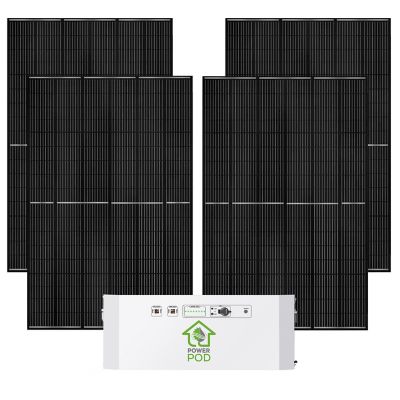
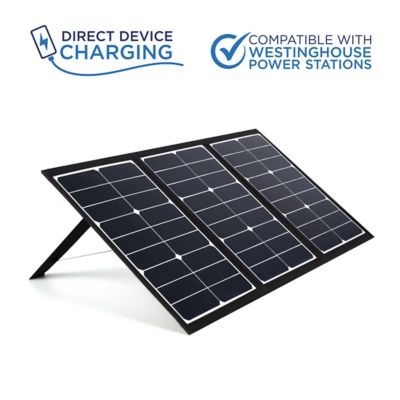
Battery-based solar generators, also called portable power stations, offer a quieter way to keep useful gear running without exhaust at the point of use. These systems store energy in a rechargeable battery and can often be charged from solar panels, a wall outlet or a vehicle, depending on the setup. They are handy for charging phones and radios, powering lights, keeping a small refrigerator going, running a CPAP machine or supporting laptops and other sensitive electronics. Many use LiFePO4 battery technology, which is valued for its long cycle life, steady performance and stable chemistry. Solar charging is especially useful on an off-grid property where fuel deliveries are inconvenient, though charging speed depends on panel size, sunlight and the system’s solar input limits. Battery capacity is usually measured in watt-hours, so compare that number with the wattage of the equipment you plan to use and the number of hours it needs to run. A small power station may be a sensible choice for a weekend camp or emergency communication kit, while expandable battery systems can support larger loads and longer runtimes. In many off-grid setups, a battery-based inverter system and a fuel generator work better together than either one alone. The battery can handle quiet, low-demand use through the day and night, while the fuel generator runs intermittently to recharge the batteries or carry heavier loads during cloudy stretches and high-use periods. This approach can reduce fuel consumption, noise and engine hours while giving you a dependable reserve when the sun is limited. Shoppers who want a smaller, easy-to-carry option can browse
Compact Solar Generators for portable power needs around the campsite, truck, barn or home. Before buying, check the inverter’s continuous and surge output, available outlets, charging methods, recharge time, battery warranty and whether the unit can be expanded with additional batteries or solar panels.
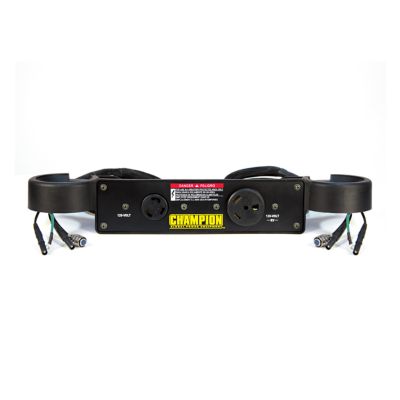
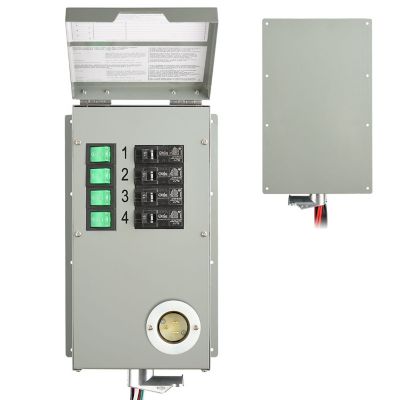
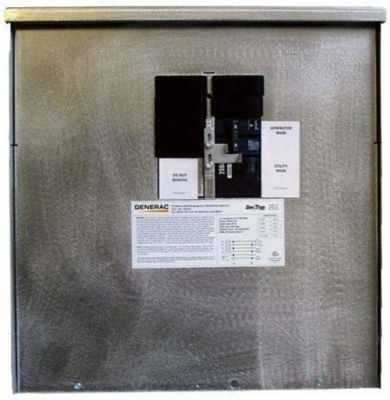
The right off-grid power generator also comes down to the place where it will operate and the habits of the people using it. Think about storage space, road access, weather exposure, altitude, temperature swings and how far the generator will sit from living areas or livestock. Fuel-powered units must be operated outdoors in a well-ventilated location away from doors, windows and animal shelters because carbon monoxide can build up quickly in enclosed spaces. Keep a working carbon monoxide detector in occupied areas, follow the manufacturer’s grounding and connection instructions, and use a properly installed transfer switch when connecting a generator to building wiring. Never backfeed a home through a wall outlet. A licensed electrician can help set up a safe connection for a cabin, shop or whole-house system. It is also worth planning for ordinary maintenance before the first long stretch of use: keep fuel and oil supplies stored as directed, inspect cords, clean air filters, exercise standby equipment according to the manual and protect portable units from rain without blocking airflow. As the weather warms, generators may spend more time supporting pumps, fans, coolers and outdoor projects; during the cooler months, they can keep lights, communication equipment, refrigeration and essential heating controls going when conditions turn rough. A compact battery unit makes a practical gift for a camper, trail rider, new homeowner or family member who enjoys preparing for power outages, while a larger generator can be a valuable addition to a rural property, workshop or hunting camp. Whether the goal is quiet solar storage, flexible portable fuel power or a heavy-duty system for regular off-grid living, compare the load requirements, runtime, fuel choices, maintenance needs and safety features together. That careful match makes it easier to keep the lights on, protect important equipment and spend more time enjoying the land instead of troubleshooting power problems.