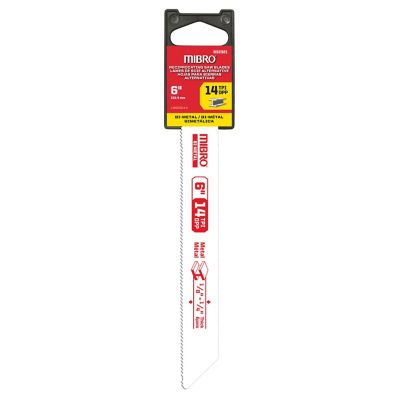
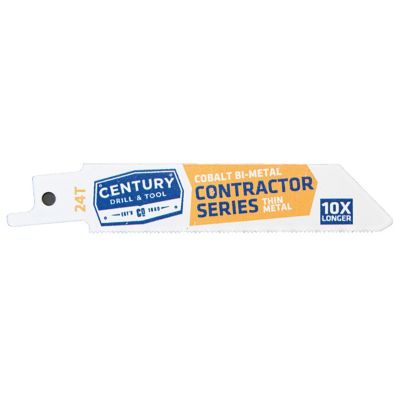
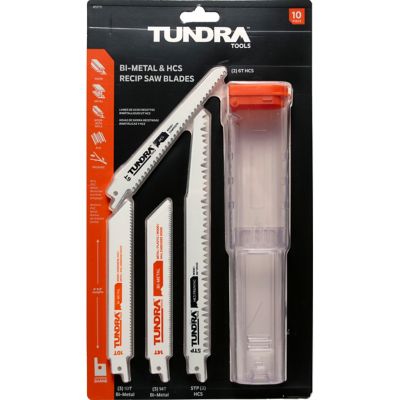
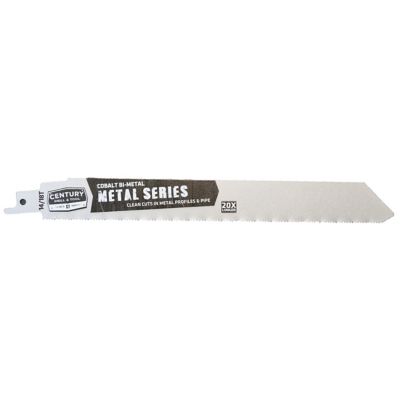
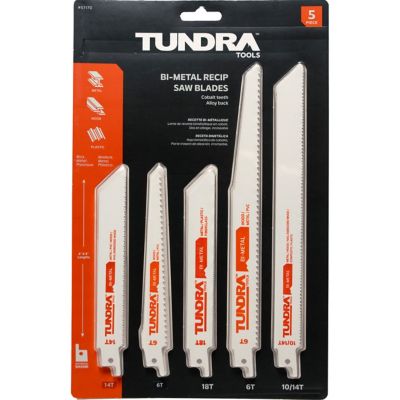
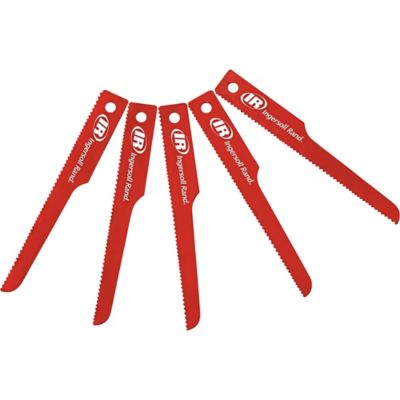
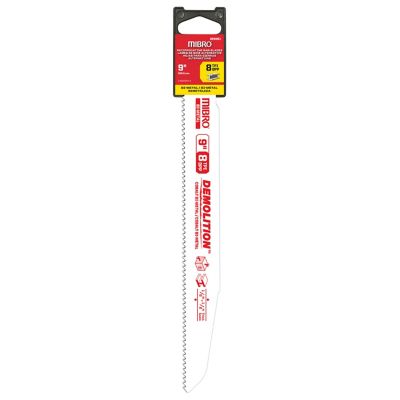
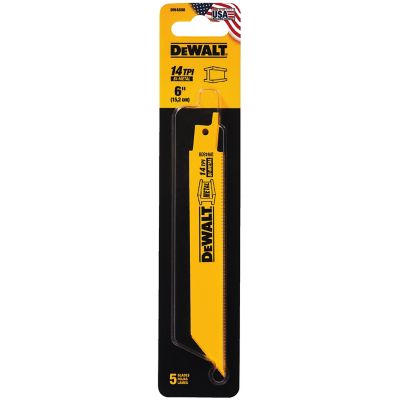
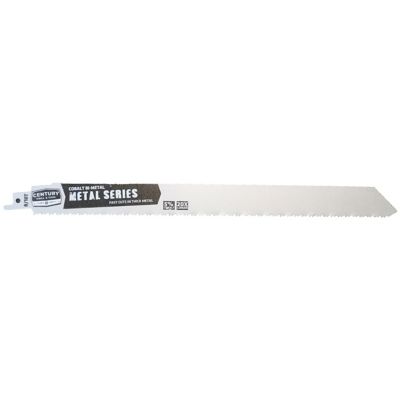
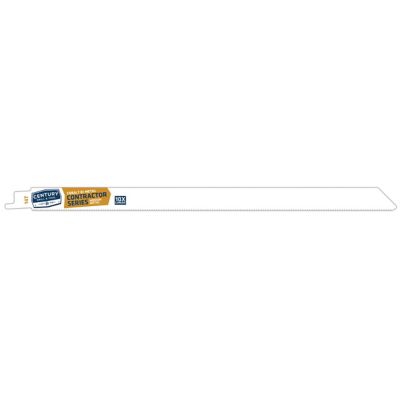
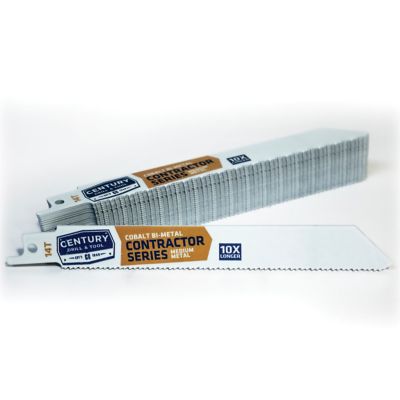
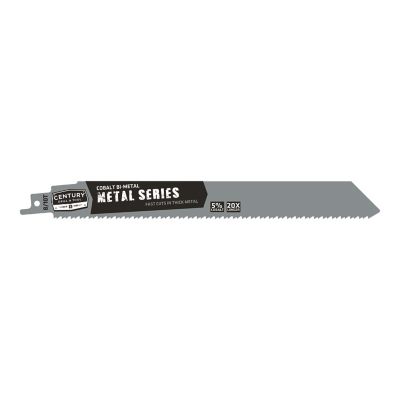
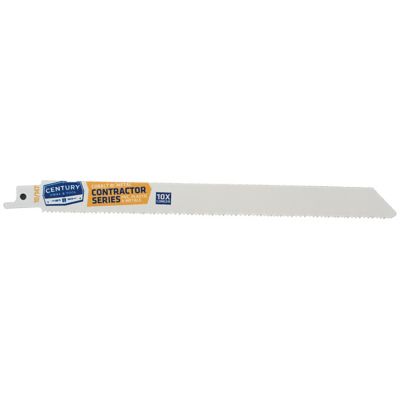
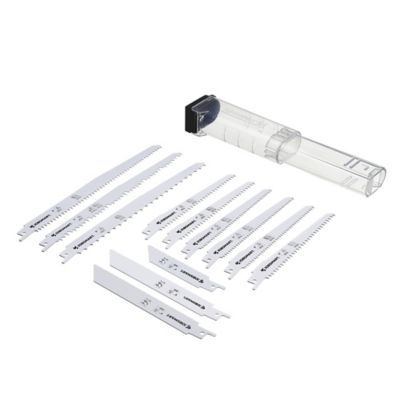
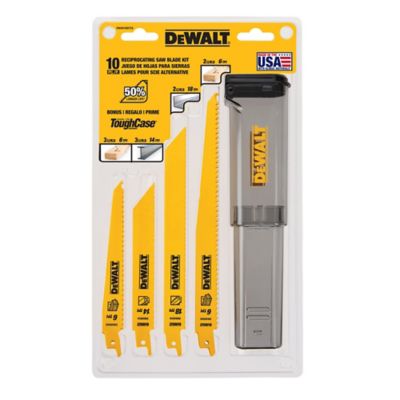
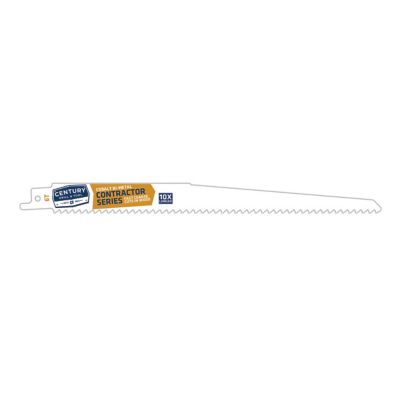
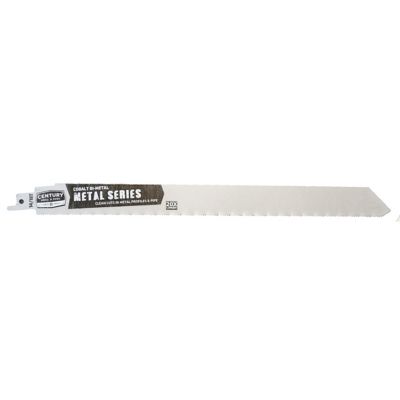
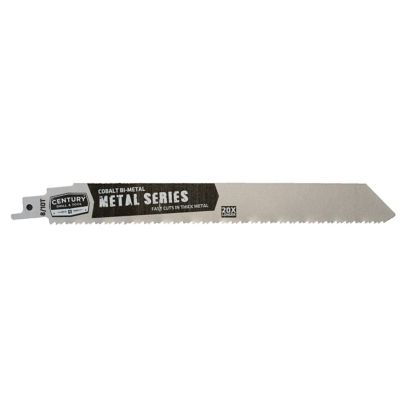
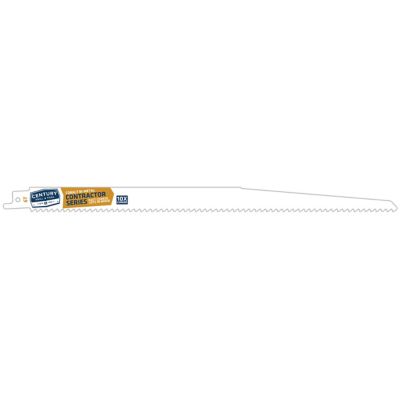
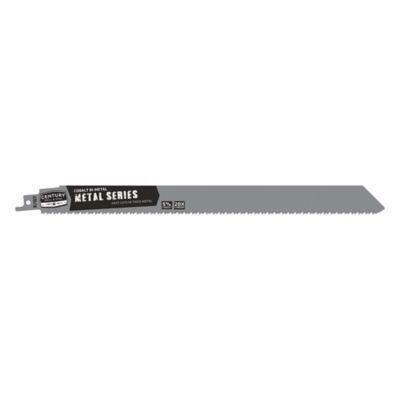
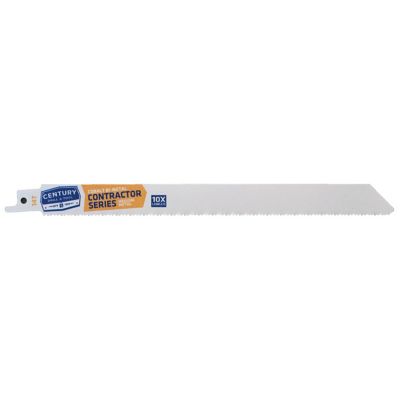
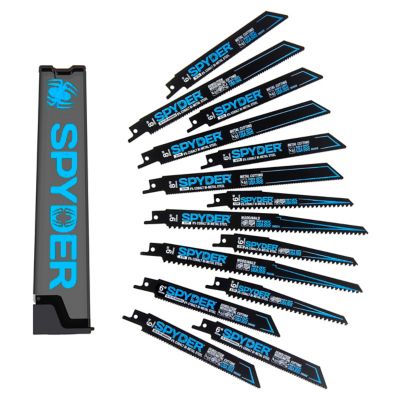
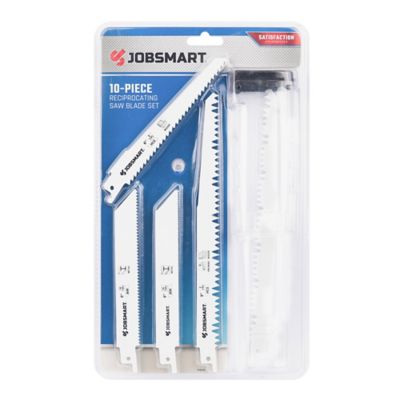
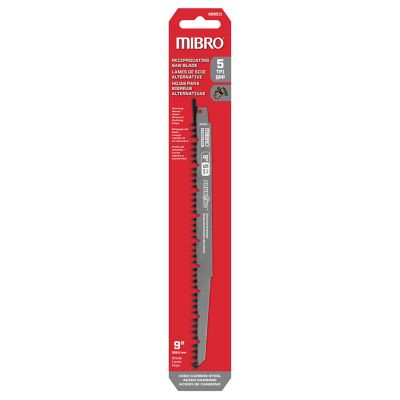
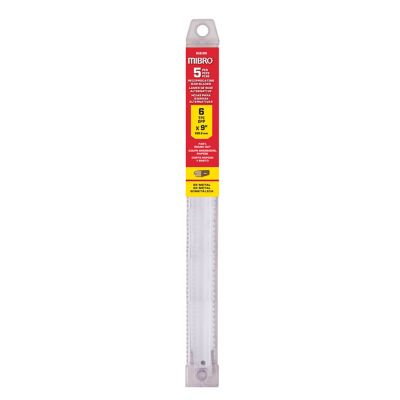
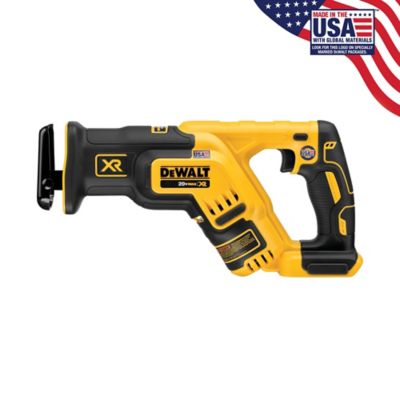
Metal cutting reciprocating saw blades are handy problem-solvers for farm repairs, shop projects, construction work and demolition jobs where a rotary tool or standard wood-cutting blade is not up to the task. A reciprocating saw can reach into tight spots around fence posts, equipment frames, plumbing, gates and building repairs, while the right metal blade helps make cleaner, more controlled cuts through the material at hand. Before choosing a blade, take a close look at the type and thickness of metal you plan to cut. Thin sheet metal, conduit, metal studs and small tubing generally call for a fine-toothed blade, often in the 18 to 24 teeth-per-inch range. The closer-set teeth help reduce snagging and leave a smoother edge in lighter stock. For medium-thickness pipe, angle iron, brackets and general metal tear-out, a bi-metal blade with a variable tooth pattern can offer a useful balance of speed, flexibility and durability. A coarser blade in the 8 to 14 teeth-per-inch range is better suited to thicker steel, rebar, structural pipe and heavy hardware because its larger gullets clear chips more effectively. Using a fine blade on thick steel can make the cut slow and hot, while using a coarse blade on thin metal may catch, chatter or leave a rough edge. Matching the blade to the job saves time and helps the teeth stay sharp through more cuts.
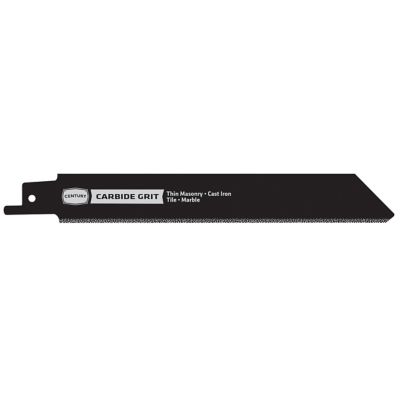
Blade construction matters just as much as tooth count. Bi-metal reciprocating saw blades combine a flexible spring-steel body with hardened cutting teeth, allowing the blade to bend during demanding work without breaking as easily as a more brittle blade. This makes bi-metal a dependable choice for everyday repairs, dismantling old metal fencing, cutting bolts and working through mixed materials where the blade may flex or bump against the workpiece. For abrasive, hardened or especially thick metals, carbide-tipped options can provide a longer working life and maintain their cutting ability through jobs that would wear down standard teeth quickly. If your work regularly involves cast iron, high-strength steel, thick plate or heavy structural material, take a look at
Carbide Reciprocating Saw Blades for options made with those tougher cutting demands in mind. Also check the blade length before placing an order. A blade should extend beyond the material throughout the stroke, but an extra-long blade can flex more than needed and make it harder to guide the cut. Shorter blades are often easier to control in narrow spaces, while longer blades may be useful for larger pipe, stacked material or deep cuts. Most reciprocating saw blades use a universal-style shank, but it is still smart to confirm compatibility with your saw, especially when working with an older tool or a specialty model. Packs with several blades can be practical for busy shops and farmsteads, since metal-cutting teeth eventually wear from heat, pressure and abrasive debris even when the blade is well made.
A little preparation goes a long way when cutting metal. Secure the workpiece firmly with a vise, clamp or other solid support, and mark the cut line where it can be seen clearly from your working position. Let the blade do the cutting instead of forcing the saw; steady pressure and a controlled stroke usually produce a straighter cut and help limit heat buildup. Cutting lubricant made for metal can reduce friction and extend blade life, particularly on thicker steel, though the correct lubricant depends on the material and the work environment. Keep hands, cords and loose clothing away from the blade, and wear eye protection to guard against sparks and sharp chips. Hearing protection and sturdy gloves are useful additions in a busy shop or around equipment, while a face shield may be appropriate for heavy demolition work. Remove flammable bedding, dry grass, fuel containers and other combustible materials from the cutting area before starting, since hot sparks can travel farther than expected. Metal-cutting blades make a practical addition to a tool chest for landowners, mechanics, welders, contractors, maintenance crews and do-it-yourselfers who handle repairs throughout the year. They can also be a thoughtful gift for someone setting up a home workshop, maintaining livestock equipment or taking on a cooler-season project such as repairing gates, clearing worn fasteners or rebuilding a trailer. Keep a few tooth patterns and lengths on hand, and you will be better prepared when a stubborn bolt, section of pipe or piece of steel stands between you and a finished repair.