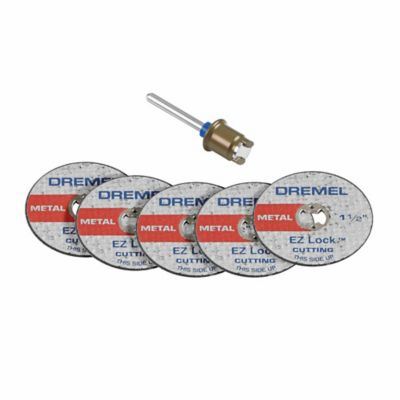
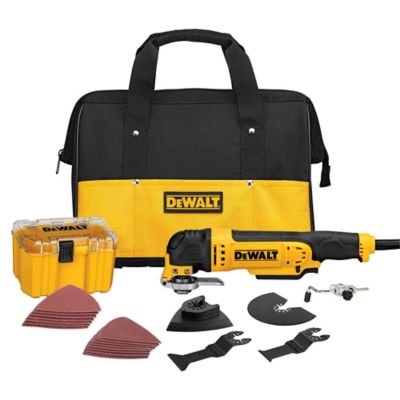
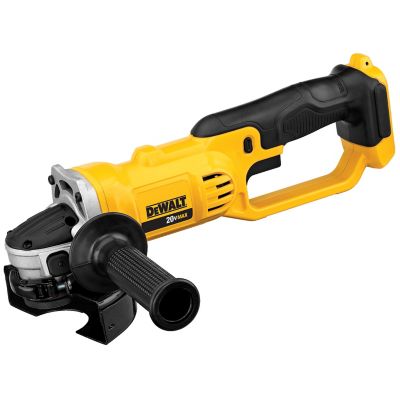
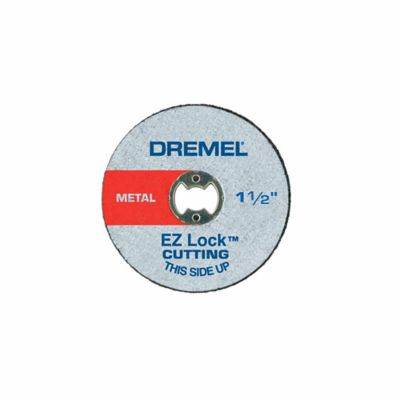
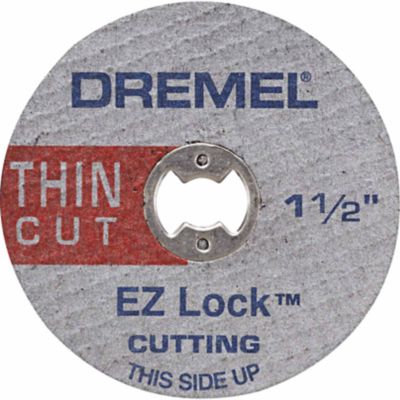
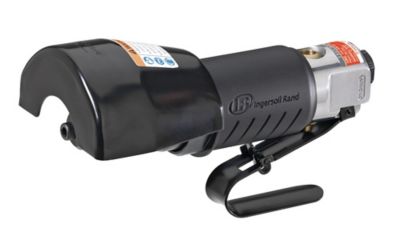
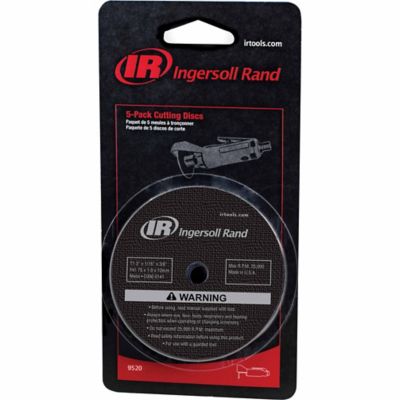
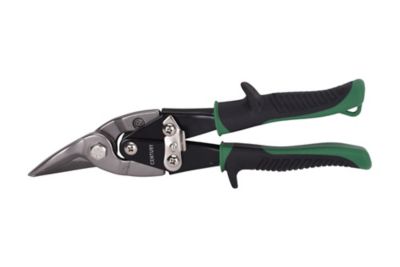
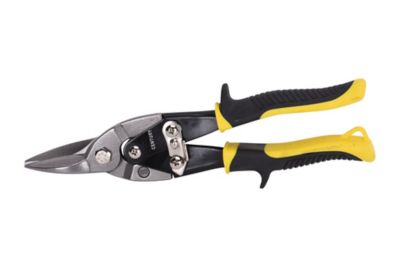
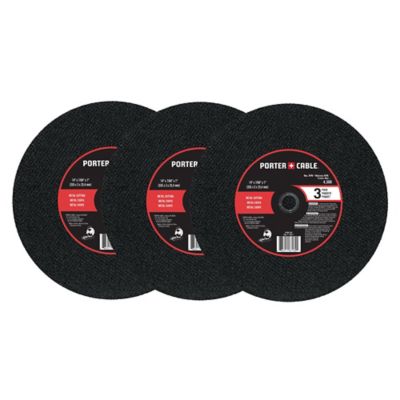
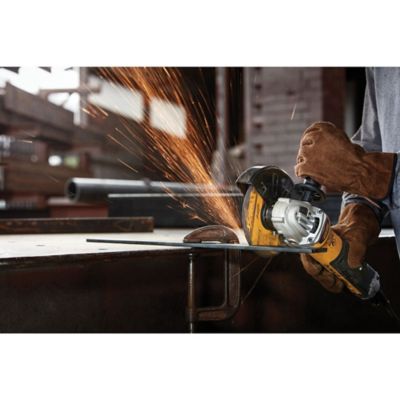
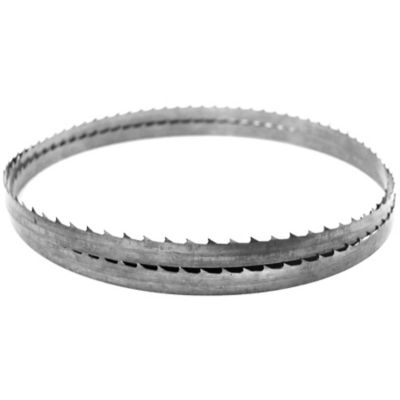
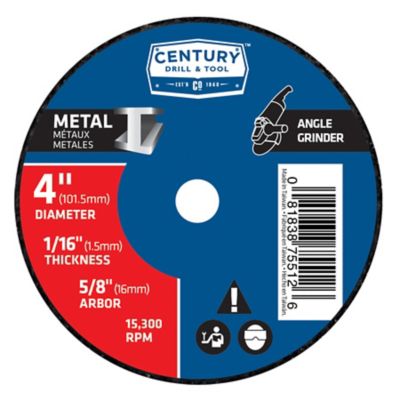
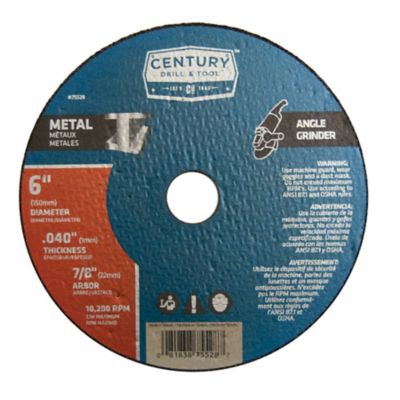
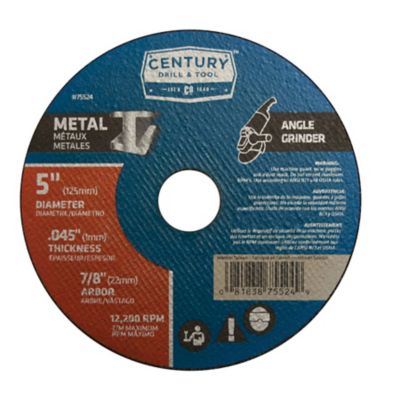
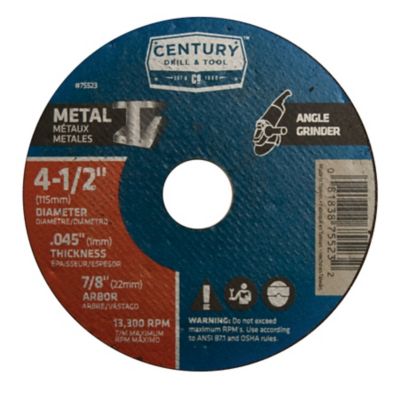
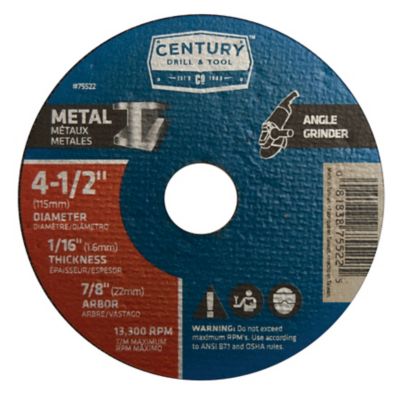
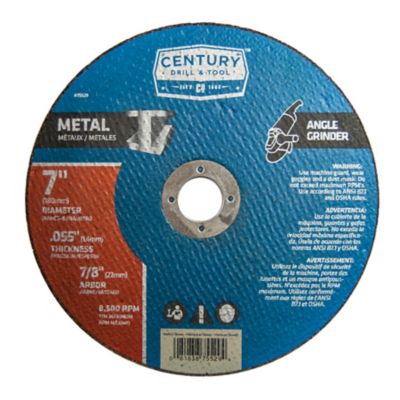
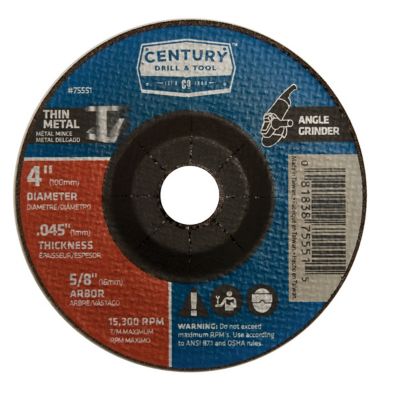
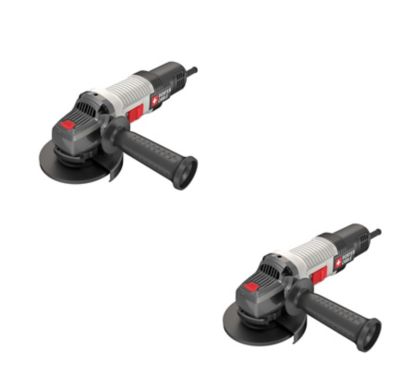
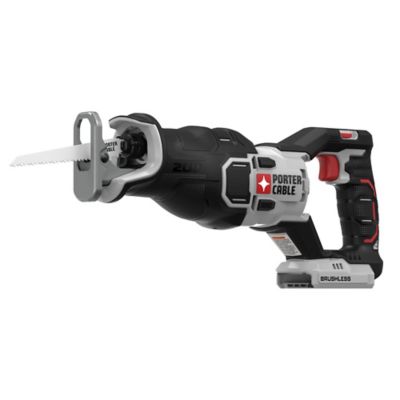
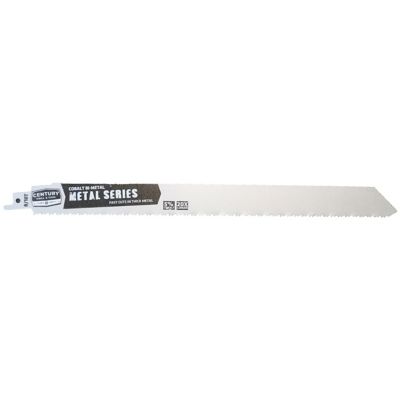
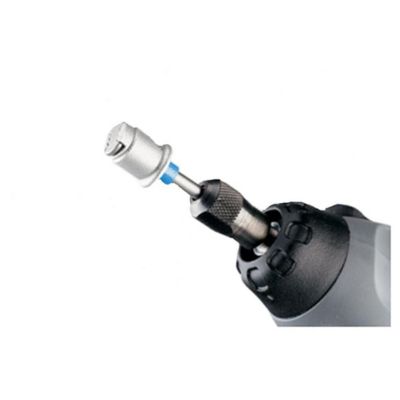
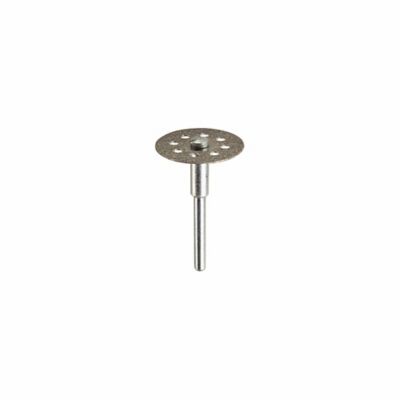
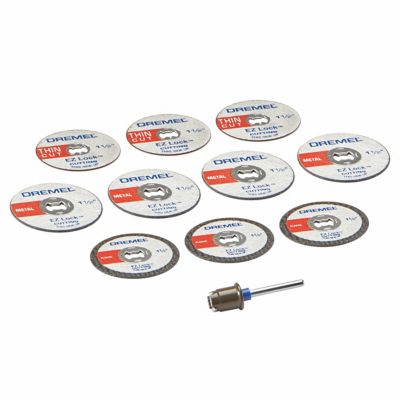
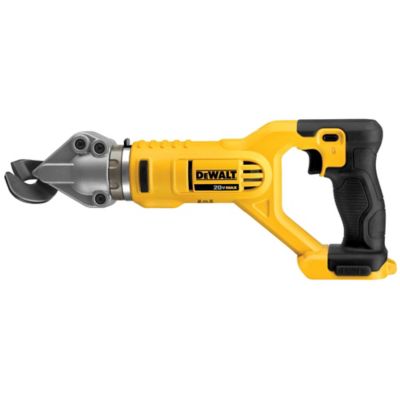
Metal cutting tools help turn tough, time-consuming jobs into more manageable work around the farm, shop, garage or jobsite. The right choice depends first on the kind of metal you’re cutting and how thick it is. Thin sheet metal, flashing and light aluminum can often be handled with manual tin snips, while powered metal shears make longer cuts with less hand strain and can help keep sheet material from bending or buckling. A nibbler uses a punch-and-die action to remove small bites of metal, making it useful for curves, corners and corrugated or trapezoidal panels where a straight shear may not follow the layout. For heavier stock, an angle grinder fitted with an appropriate cut-off wheel can work through steel, pipe and other metal pieces, while a bandsaw is a solid choice when you need controlled, repeatable cuts through thicker bar stock, tubing or pipe. Before choosing a tool, take a close look at the material’s thickness, shape and hardness, then consider whether the job calls for a straight cut, a curve, a notch or a clean opening. A tool that feels just right for trimming a thin panel may be poorly suited for thick structural steel, and forcing a light-duty cutter through heavy material can lead to rough edges, damaged equipment or an unsafe loss of control. Check the tool’s rated capacity and follow the manufacturer’s instructions, especially when working with galvanized steel, painted metal or materials that may produce sharp chips and dust. For powered tools, match the cutting accessory to the metal and the tool’s speed rating. You can find compatible
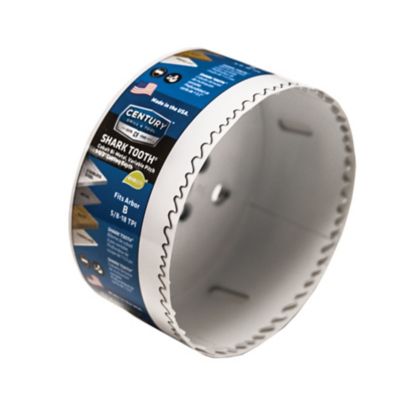
Metal Cutting Blades for jobs that call for a saw blade rather than an abrasive wheel, and keeping a fresh, properly rated blade on hand can make a noticeable difference in cut quality and effort.
Choosing a metal cutter also comes down to the way you work. Someone repairing livestock panels or trimming sheet metal for a small outbuilding may value a compact hand tool that slips into a toolbox and is ready whenever a quick fix comes up. A farmer building gates, modifying brackets or cutting pipe for water lines may prefer a powered cutter that saves time across a larger project. In a home workshop, a bandsaw can help produce neat, square cuts for fabrication, while an angle grinder offers versatility for cutting, grinding and cleaning welds when one tool needs to handle several steps. Portability matters, too. A stationary saw can provide excellent control at a dedicated workbench, but a portable tool is often more practical when the repair is out by the barn, at a fence line or beside a trailer. Think about how often you’ll use the tool, how much room you have for storage and whether you’re comfortable managing vibration, noise and sparks. For occasional work, a straightforward manual cutter may be all that’s needed. For regular fabrication or repair, a power tool with an appropriate guard, comfortable grip and easy-to-change cutting accessory can help reduce fatigue over a long afternoon. Look for features that fit your routine, such as adjustable cutting guides, a stable base, a trigger lockout or a design that works comfortably with gloved hands without sacrificing control. Metal edges can be razor sharp, even when a cut looks smooth from a distance, so plan on deburring the finished edge with a file, grinding accessory or other suitable method before handling or installing the piece. That extra pass is especially important for fencing, sheet-metal projects and repairs around animals, where exposed edges can catch clothing, equipment or hide.
Metal cutting tools can be useful gifts for a handy homeowner, new landowner, weekend fabricator or anyone who enjoys fixing instead of replacing worn-out equipment. They also make practical additions to a shop being set up for cooler months, when indoor projects such as building shelves, repairing implements, organizing a workbench or fabricating brackets often move to the front of the list. A thoughtful gift starts with the recipient’s usual materials and skill level. Tin snips may suit someone who works with light sheet metal, while a more experienced maker may appreciate a powered shear, nibbler, grinder or saw suited to the projects already taking shape in the shop. If you’re buying for someone who works with pipe, tubing or heavier steel, pay close attention to cutting capacity and the available accessories rather than choosing by appearance alone. Blades, wheels and other consumables should be selected for the metal being cut, since aluminum, mild steel, stainless steel and galvanized material can each call for different approaches. Set up the work area on a solid, stable surface, secure the material so it cannot shift, and keep bystanders clear of sparks, flying chips and moving parts. Safety glasses or a face shield, hearing protection, work gloves suited to the task and sturdy footwear are good basics, while respiratory protection and added ventilation may be needed for certain coatings or dusty cutting methods. Let the tool do the work instead of leaning hard into the cut, and stop to inspect the accessory if it begins to bind, chatter or heat up unusually. Whether you’re making a clean cut on a piece of tubing, shaping a patch for a weathered roof panel or building a custom repair for equipment that still has plenty of work left in it, the right metal cutting tool brings better control and a cleaner finish to the job.