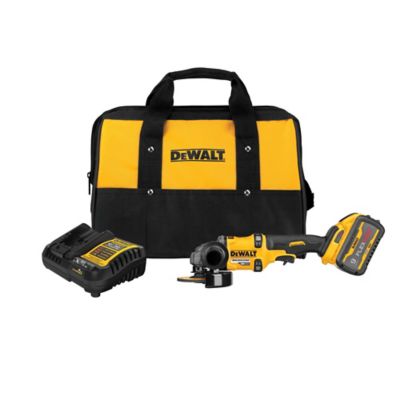
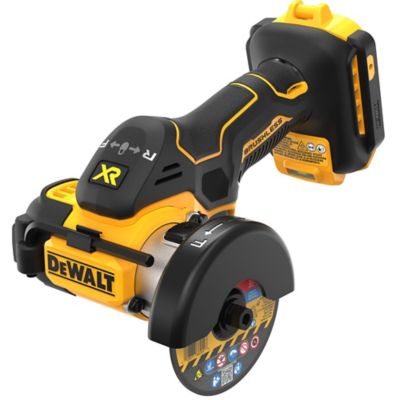
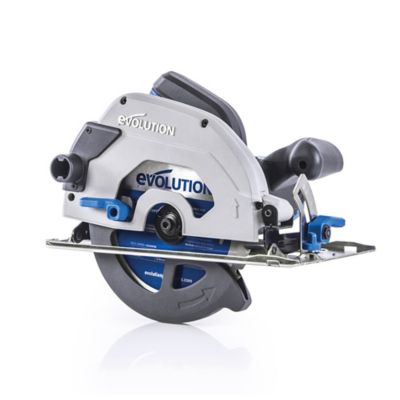
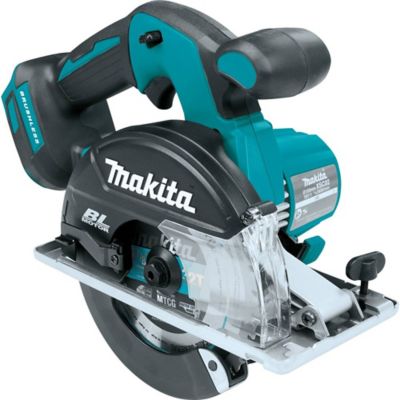
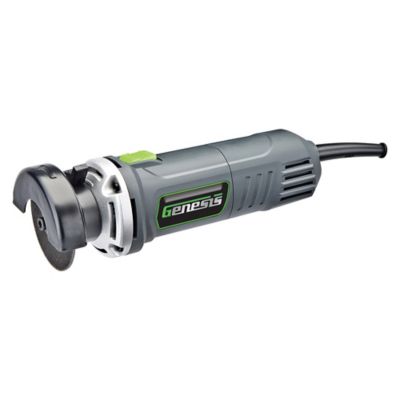
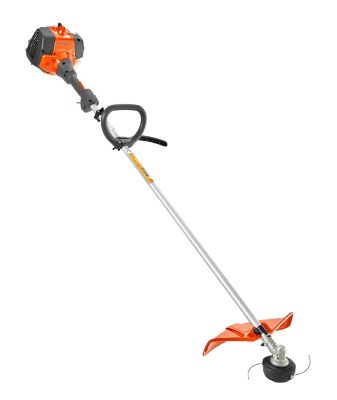
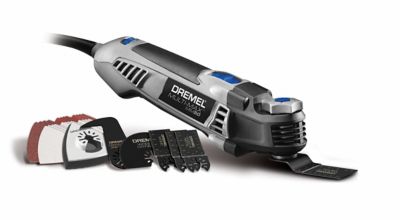
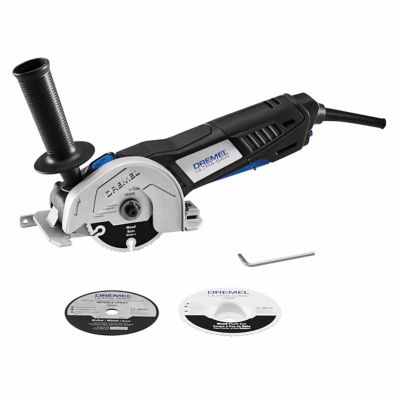
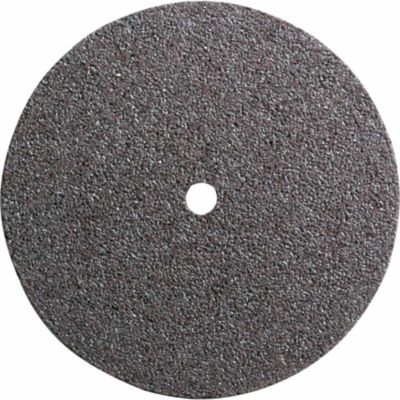
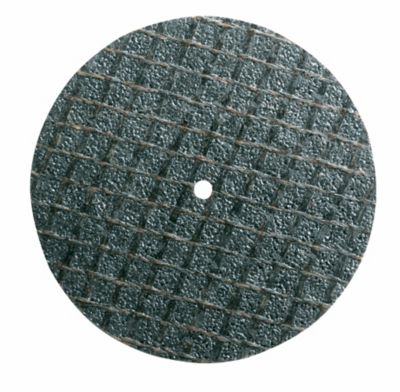
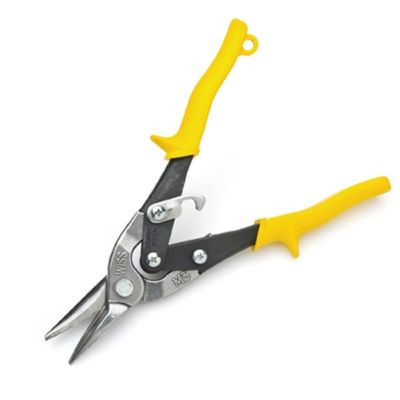
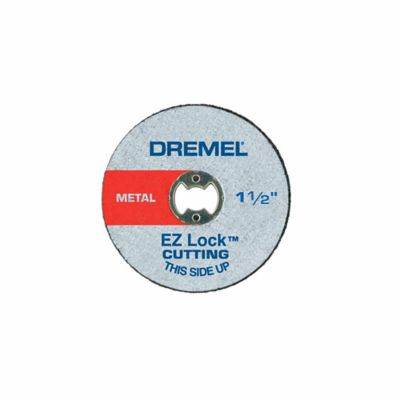
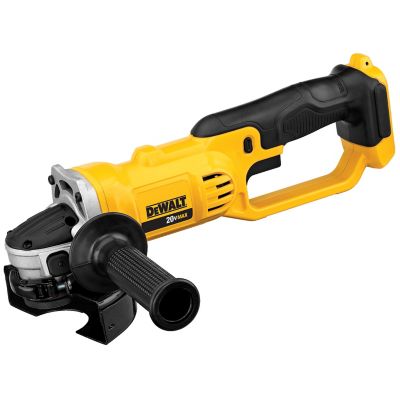
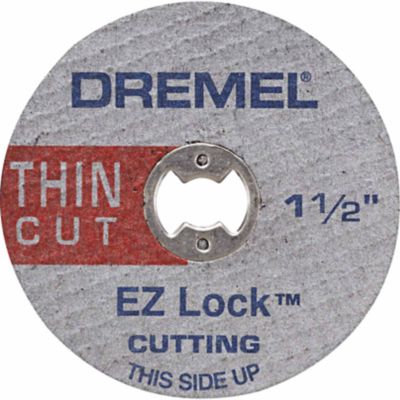
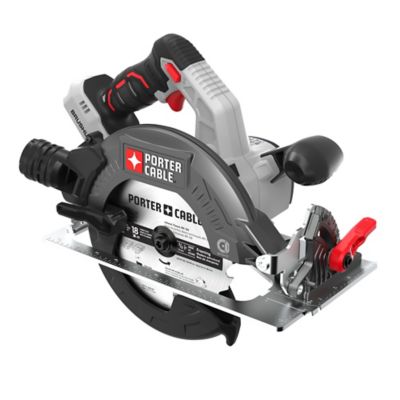
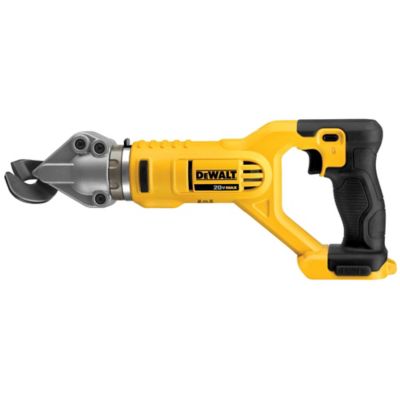
Metal cutters cover a wide range of hand tools, power tools and machine attachments made for cutting through different kinds of metal. The right choice depends on the material, its thickness and the shape of the cut you need to make. Thin sheet metal, flashing, ductwork and aluminum may be handled with tin snips or aviation snips, which work much like sturdy scissors with added leverage. Straight-cutting snips are useful for long, direct cuts, while left- and right-cutting versions help follow curves and reach around corners. For wire, chain, small rods, bolts and padlocks, bolt cutters use long handles and strong jaws to multiply your cutting force. Pipe and tubing cutters clamp around the material and score it as the tool is turned, helping create a neat cut through copper, brass or certain steel tubing with fewer loose shavings. If your project involves thicker sheet metal, corrugated panels or repeated cuts, powered metal shears and nibblers can save time and reduce hand strain. Shears make a continuous cut, while nibblers remove small bites of metal and are especially handy when you need to follow a curve or work around a tight section. When shopping for metal cutters, start by identifying the material you plan to cut and checking the tool’s stated capacity. A cutter made for light-gauge aluminum will not necessarily handle heavy steel, rebar or hardened fasteners. Pay attention to jaw design, handle length, cutting direction, blade material, throat depth and whether the tool is intended for straight cuts, curves or both. For powered tools, compare cutting capacity, operating speed, corded or cordless operation, battery compatibility, grip comfort and the availability of replacement blades or accessories. A compact hand cutter may be all you need for occasional repairs, while a powered tool can be a better fit for fencing work, fabrication, equipment maintenance or a long list of projects around the farm.
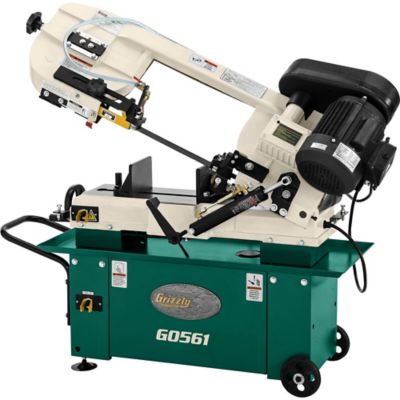
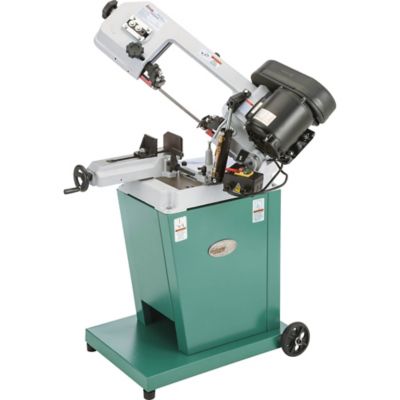
Metal cutters earn their keep in plenty of everyday jobs. A homeowner may use them to trim flashing while repairing a shed roof, cut wire fencing to fit a gate, shorten a piece of pipe during a plumbing repair or remove a stubborn chain from an old farm implement. In a workshop, they can help prepare sheet metal for a patch, cut tubing for a gate frame or size stock for a bracket, planter stand or small trailer repair. Anyone working on fencing and livestock areas may reach for bolt cutters when replacing worn hardware, while a hobbyist, maker or metalworker may prefer a nibbler, shear, bandsaw or plasma cutter for more detailed fabrication. For larger, cleaner cuts through solid bars, pipe and thick tubing, a metal-cutting bandsaw can provide steady results with a straight or mitered cut. Portable models are useful when the material is too large to bring to the shop, while stationary saws offer a stable setup for repeated cuts. A plasma cutter uses a hot, electrically charged stream of gas to cut conductive metals such as steel and aluminum quickly, making it a powerful option for fabrication and repair work. These tools call for a suitable power source, an appropriate air supply when required and a clear, fire-safe work area. They also produce heat, sparks, sharp edges or hot offcuts, so nearby hay, fuel, bedding and other combustible materials should be moved well away before work begins. Metal cutters can make thoughtful gifts for a handy homeowner, beginning metalworker, welder, rancher or do-it-yourselfer, especially when the tool matches the recipient’s usual projects. A person who maintains gates and fences may appreciate a durable manual cutter, while someone building projects in a shop may get more use from a powered shear, nibbler or saw. For a gift, consider the user’s experience level, the type of metal they commonly handle and whether they already have compatible batteries, blades, clamps or other accessories.
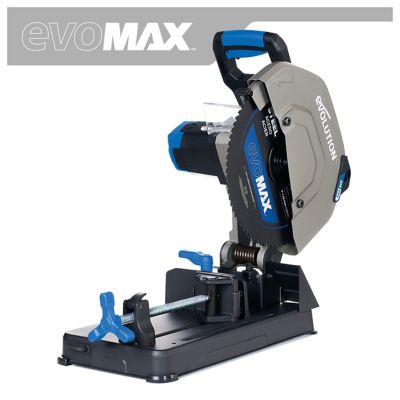
Good preparation makes metal cutting safer, cleaner and easier on both the tool and the person using it. Wear safety glasses or a face shield to protect against flying chips, and use hearing protection around powered saws, grinders or plasma equipment. Heavy gloves can help protect your hands from sharp edges, but keep them clear of moving blades, rotating parts and pinch points. Long sleeves, sturdy work clothes and closed-toe footwear are sensible choices, and a welding helmet or appropriate shaded eye protection is necessary for plasma cutting. Secure the workpiece before cutting so it cannot shift, twist or spring back, and support long pieces on both sides of the cut. Mark the line clearly, check what is behind the material and take a moment to look for hidden wiring, fuel lines or pressurized contents before starting. Cutting creates edges as sharp as a new fence post cap, so handle offcuts carefully and smooth finished edges with a file or deburring tool when the job calls for it. Keep blades clean and sharp, follow the manufacturer’s capacity limits and avoid forcing a cutter through material it was not designed to handle. Inspect handles, jaws, cords, batteries, guards and fasteners before use, and replace worn cutting components rather than trying to make a dull tool do more than it can. During the cooler months, a well-chosen metal cutter can be useful for indoor shop projects, equipment repairs and preparing materials before the next busy stretch of outdoor work. Browse metal cutters by the kind of job ahead, from light sheet-metal trimming and pipe repair to heavy-duty cutting of chain, rod, tubing and structural stock. For projects centered on powered saws and thicker metal, explore
Metal Cutting Saws to compare options suited to your workspace and cutting needs.