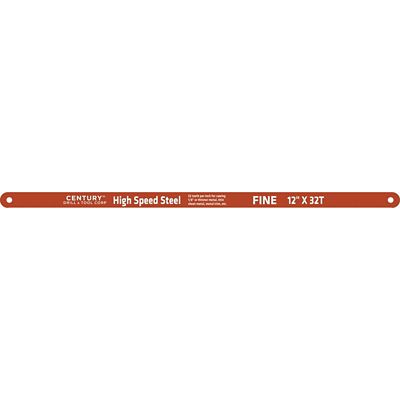
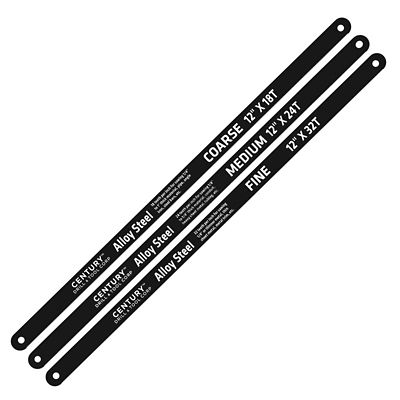
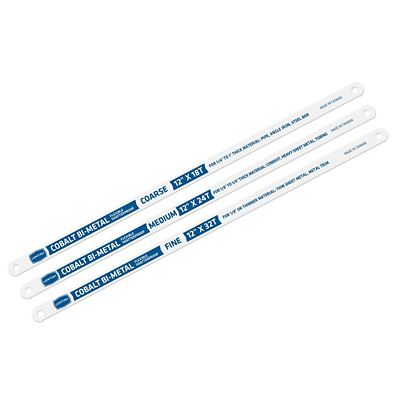
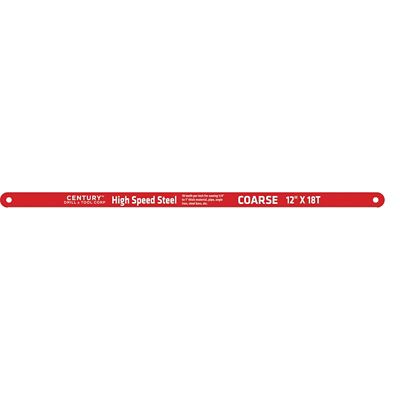
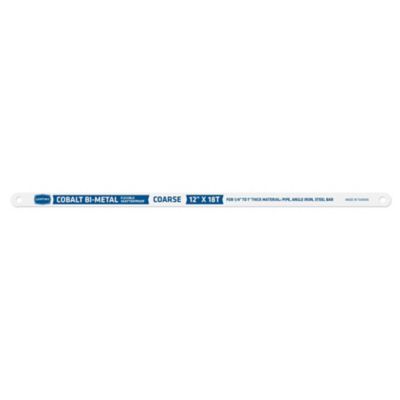
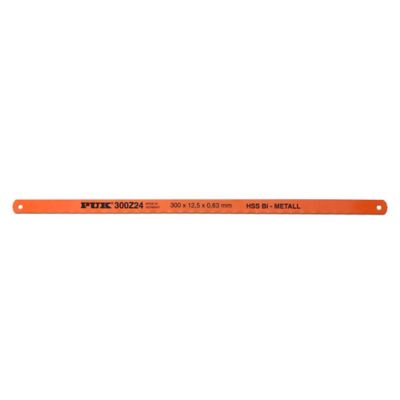
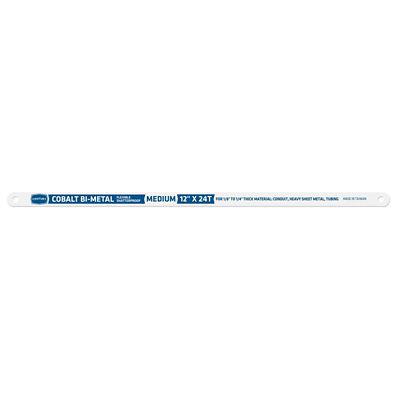
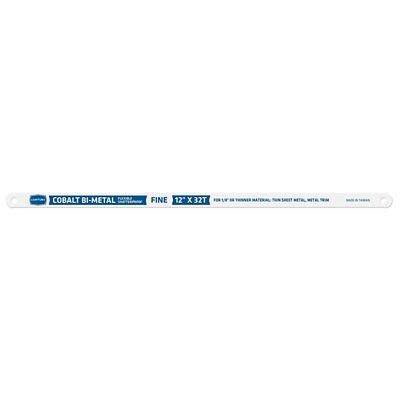
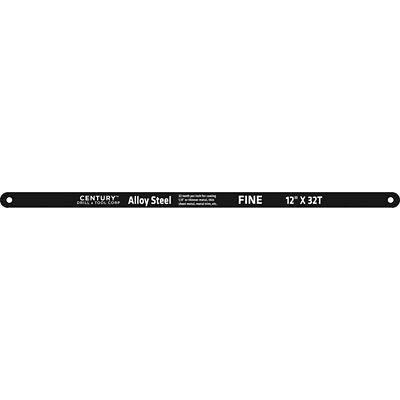
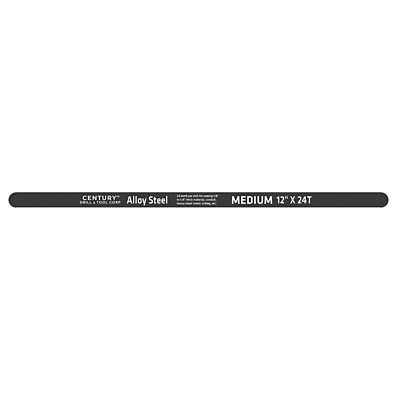
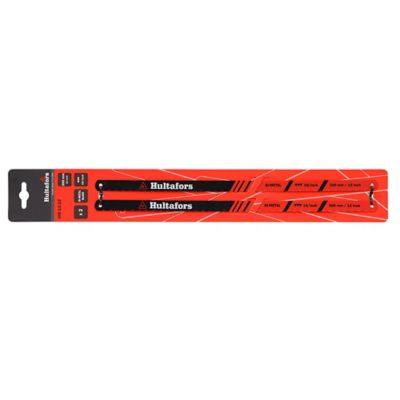
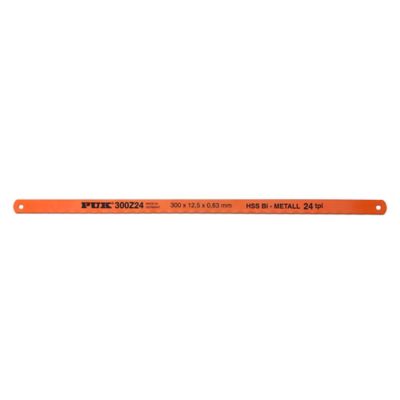
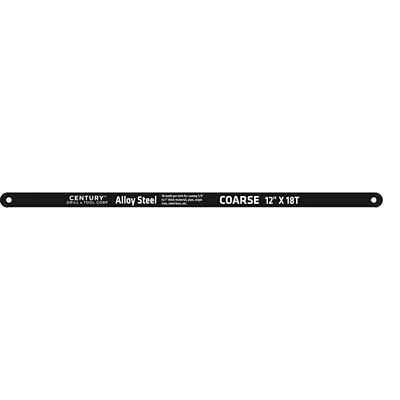
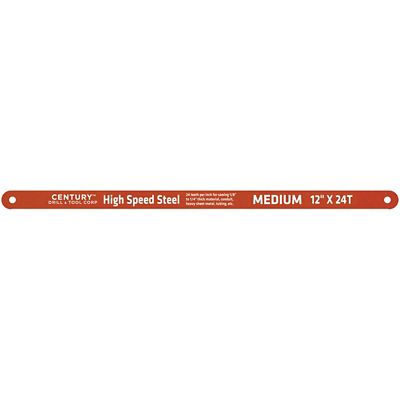
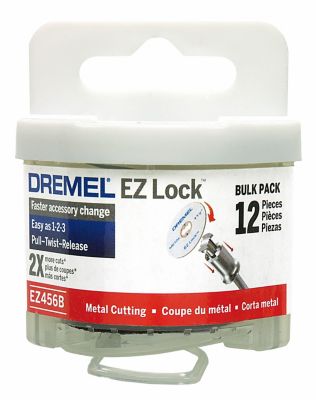
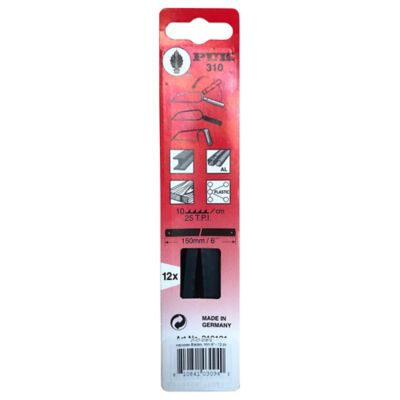
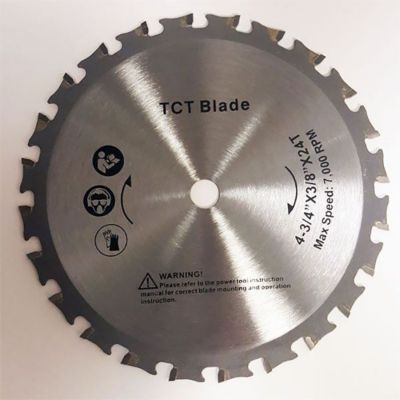
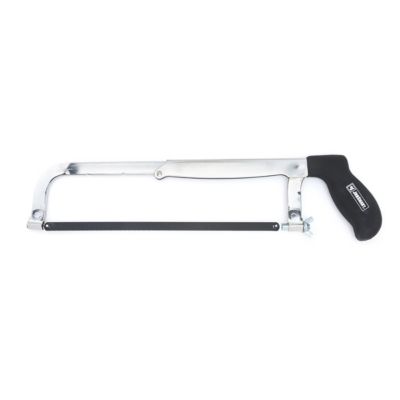
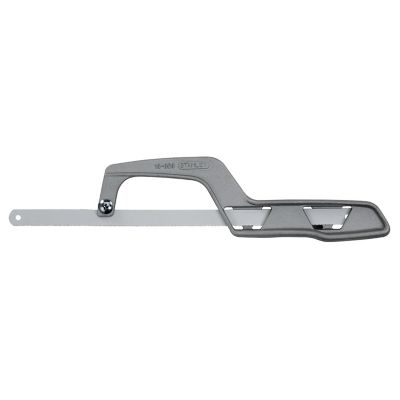
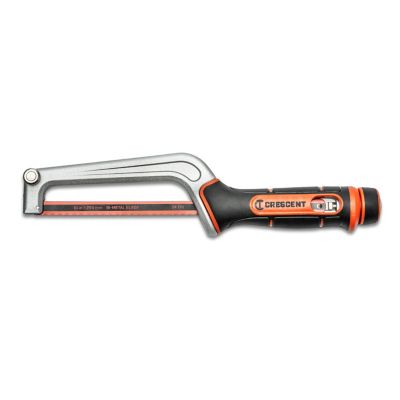
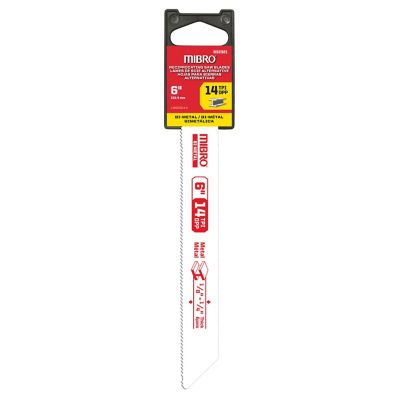
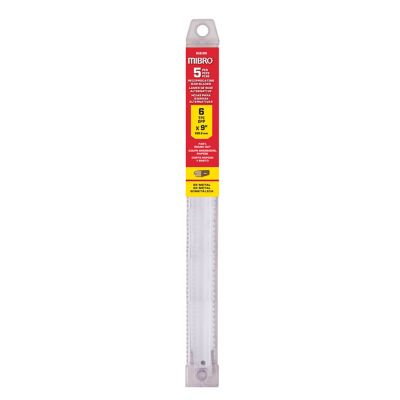
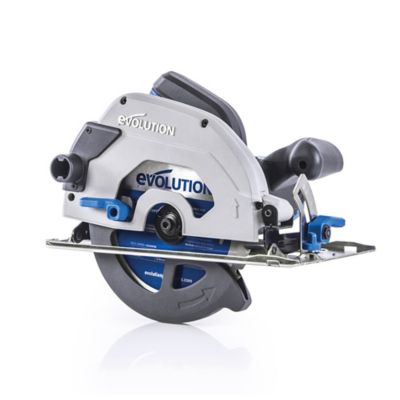
When it comes to working with metal on the farm, in the workshop, or out in the garage, having the right hacksaw blade makes all the difference. Folks who’ve spent any time cutting through steel pipe, angle iron, or even just trimming up some old bolts know that a good metal cutting hacksaw blade is worth its weight in gold. There’s a world of difference between a blade that chews through metal cleanly and one that leaves you frustrated, with ragged edges and sore arms. Whether you’re tackling repairs on your tractor, building a new gate, or just keeping up with regular maintenance, picking the best hacksaw blade for metal means paying attention to the job at hand. Blades come in different lengths, materials, and—most importantly—teeth per inch (TPI). For thicker metals like steel rods or heavy pipes, a blade with 14 to 18 TPI will bite in deep and hold up to the pressure. If you’re working with medium-duty materials like copper tubing or electrical conduit, a 24 TPI blade offers a nice balance of speed and smoothness. For those finer jobs, such as slicing through thin sheet metal or aluminum, a 32 TPI blade keeps things from snagging and gives you a cleaner finish.
A lot of folks—DIYers, farmers, mechanics, and even hobbyists—find themselves reaching for a hacksaw when summer projects ramp up or as the cooler months roll in and there's more time spent tinkering indoors. Maybe you’re fixing up a trailer, crafting metal frames for a new shed, or just need to trim some rebar for concrete work. Having a few spare hacksaw blades on hand means you’re always ready for whatever gets thrown your way. Bi-metal blades are a popular pick because they combine high-speed steel teeth with a flexible carbon steel back, so they last longer and stand up to a bit of rough handling. If you’re after something a little more specialized, high-speed steel blades are great for general-purpose cutting, though they’re a bit stiffer—just be careful not to twist them too much. These blades also make a thoughtful gift for anyone with a shop or a knack for fixing things, especially if you’re putting together a tool kit for a new homeowner or a young person just starting to learn the ropes. There’s a certain satisfaction in knowing you’ve got the right tool for the job, and a well-chosen hacksaw blade can make even tough metal jobs feel a whole lot easier.
When you’re shopping for hacksaw blades, think about the kinds of projects you tackle most often and what materials you usually work with. It’s always smart to check that your blade is tightly tensioned in the saw before you get started—nothing ruins a cut (or your mood) faster than a loose blade. If you’re not sure what you need, or if you want to see the full range of options, take a look at our
Metal Cutting Blades page for more details and choices. With the right hacksaw blade, you’ll be set for everything from quick fixes to bigger builds, all season long. Whether you’re working under the summer sun or taking on projects as the weather cools, a dependable hacksaw blade is a must-have for making clean, efficient cuts in all kinds of metal—helping you get the job done right the first time.