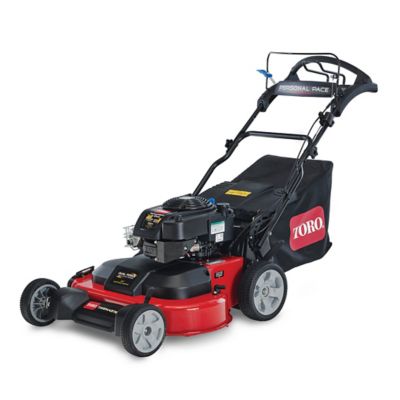
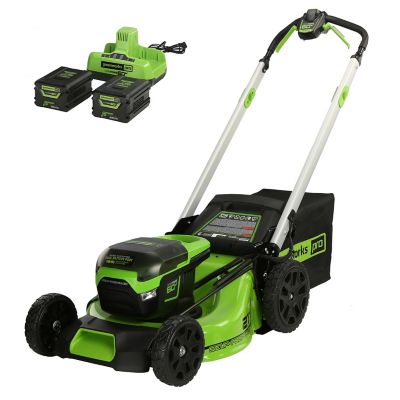
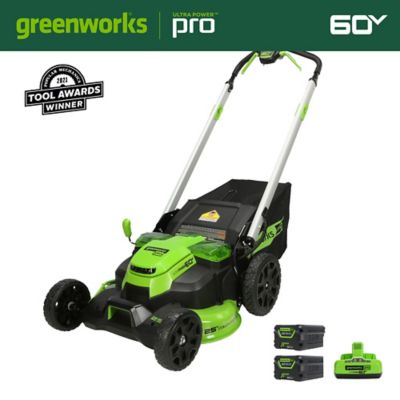
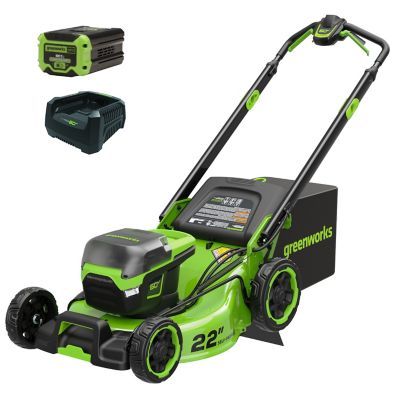
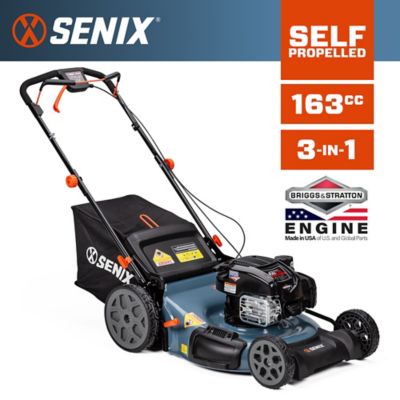
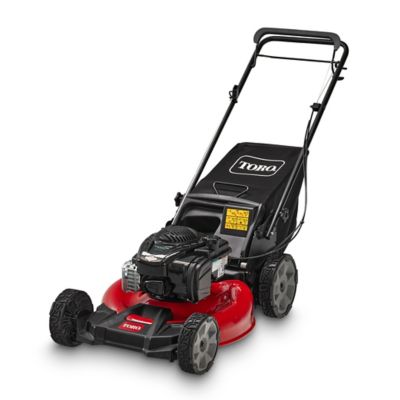
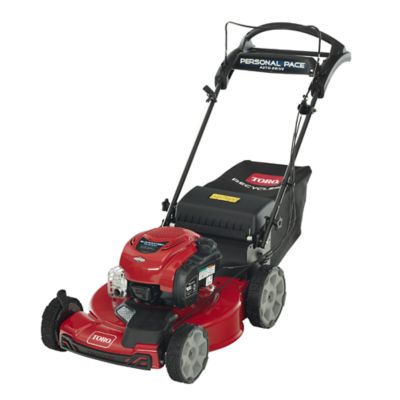
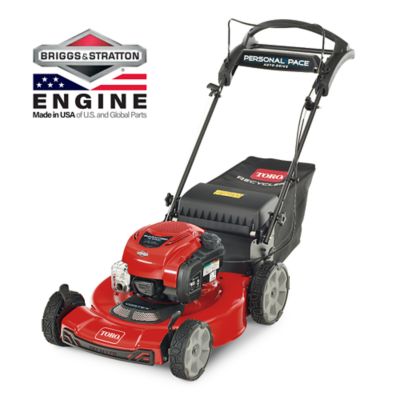
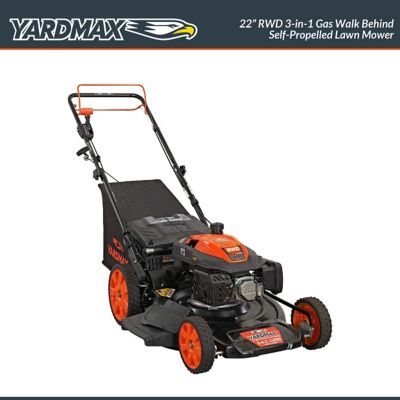
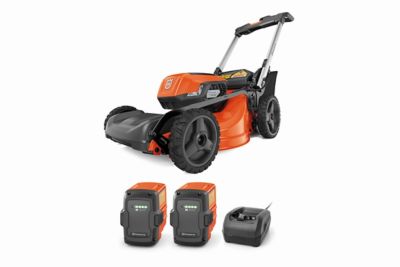
A self-propelled mower can make routine lawn care feel a whole lot easier, especially when the yard includes slopes, soft ground, uneven spots, or a long stretch between the shed and the back fence. Instead of pushing the mower’s full weight across the grass, you guide it while the drive system helps move it forward at a steady pace. That extra assistance is handy for larger lawns and for anyone who would rather spend less energy wrestling with the mower and more time getting a clean, even finish. Battery-powered models are a popular choice for rural homes, suburban yards, rental properties, and small homesteads because they offer the convenience of cordless operation without the fuel, oil, exhaust, or engine maintenance associated with gas equipment. They also tend to run more quietly, which is welcome when mowing near the house, barn, kennels, or neighboring properties. As you compare options, start with the size and shape of the area you mow. A compact yard may need only a smaller battery and narrower deck, while a property approaching three-quarters of an acre may call for a higher-capacity battery, a wider cutting deck, or a spare battery to keep the job moving. Battery systems commonly range from about 40V through 82V, with higher-voltage platforms generally suited to tougher grass and longer mowing sessions. Runtime can vary widely—often from roughly 30 minutes to an hour or more—depending on grass height, moisture, terrain, blade speed, and whether the mower automatically adjusts power to match conditions. Product listings may describe runtime under ideal test conditions, so dense turf, tall weeds, hills, and repeated passes around trees can use charge faster. If the lawn tends to get away from you during rainy stretches or busy weeks, leave some room in your battery planning rather than choosing an option that only meets the minimum on paper.
Look closely at the cutting and handling features that fit the way your property is laid out. A deck around 21 or 22 inches can cover a good amount of ground while still turning easily around landscaping, garden beds, fence posts, and play areas. Steel decks are built for a sturdy feel and can stand up well to regular use, while lighter deck materials may be easier to lift and maneuver. Adjustable cutting heights help you keep grass a little taller during hot, dry spells or lower it when conditions are mild and growth is steady. Mulching, bagging, and side-discharge settings give you flexibility, whether you want fine clippings returned to the soil, a tidy pickup around the house, or a quick discharge across an open section of pasture-side lawn. Dual-blade designs may help spread clippings more evenly and leave a neat appearance, while automatic sensing features can increase blade power when the mower meets thicker grass. For rolling ground, pay attention to drive speed controls, wheel size, and how easily the mower handles turns. A variable-speed lever is useful when you move from open lawn to tight spaces, and larger rear wheels can make uneven ground easier to cross. Storage matters, too. Folding handles and upright storage can free up valuable room in a garden shed, garage, or mudroom, particularly where tractors, feed bags, fencing supplies, and tools already compete for space. Before buying, check whether the battery and charger are included, how long charging takes, and whether the battery works with other tools in the same system. Sharing batteries across trimmers, blowers, chainsaws, and other equipment can be a real convenience for property owners who prefer one charging station instead of a shelf full of different packs.
These mowers suit homeowners who want a cleaner, quieter way to keep grass under control, older users who appreciate help on inclines, and anyone managing a lawn without a convenient place to store gasoline. They can also make a thoughtful gift for a new homeowner, a family settling into a rural property, or a relative replacing an aging mower before the next stretch of active growth. For a dependable cut, mow when the grass is dry enough that clippings do not clump, keep the blade clear of packed debris, and avoid forcing the deck through brush, stones, or material the mower is not designed to handle. Walk the area first and remove sticks, wire, toys, and loose hardware—an especially worthwhile habit around outbuildings, livestock areas, and gravel drives. Keep the battery clean and dry, store it according to the manufacturer’s instructions, and allow a hot pack to cool before charging. A sharp blade typically cuts more cleanly and places less strain on the motor, while an overloaded bag or clogged underside can reduce performance. During the warmer part of the season, mowing a little higher can help the lawn hold moisture; as cooler weather settles in and growth changes, adjusting the height and schedule can help prevent scalping and leftover mats of grass. When comparing this category with a
Power Smart Mower, consider the whole ownership picture: available storage, lawn size, terrain, battery compatibility, charging access, deck width, service needs, and the amount of hands-on effort you want each mowing day to require. The best fit is the one that matches your property and routine, starts easily, moves at a comfortable pace, and leaves you with a lawn you can enjoy instead of a chore that wears you out.