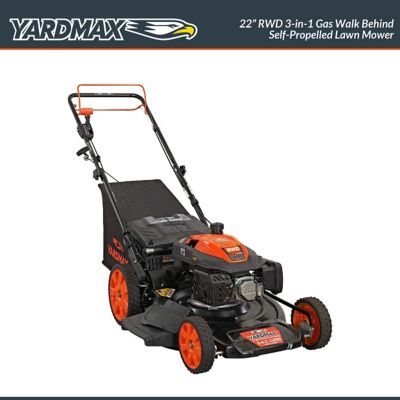
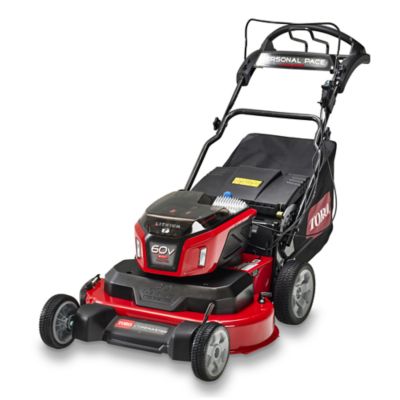
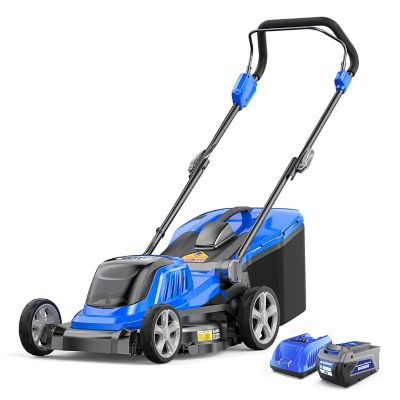
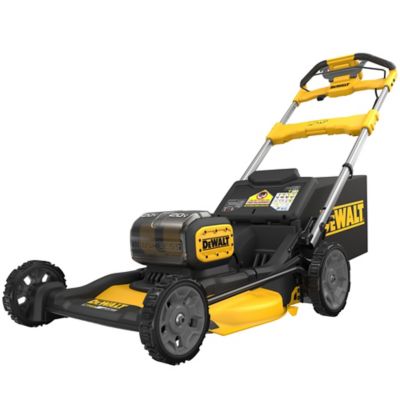
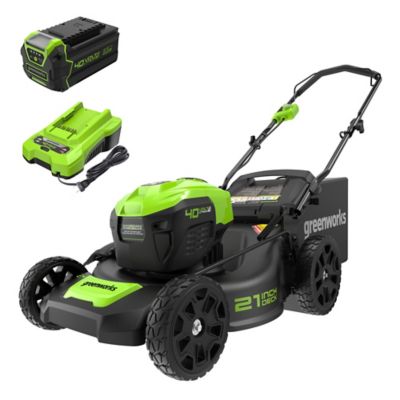
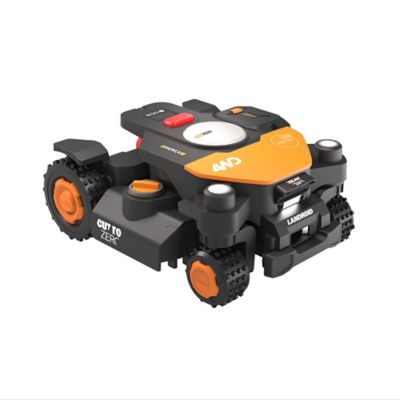
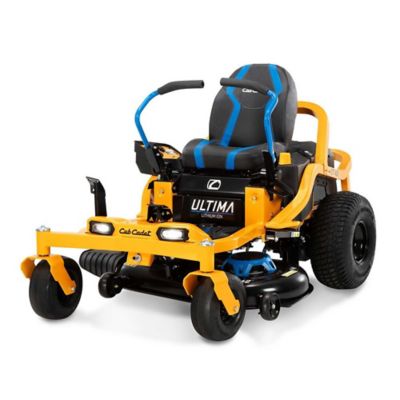
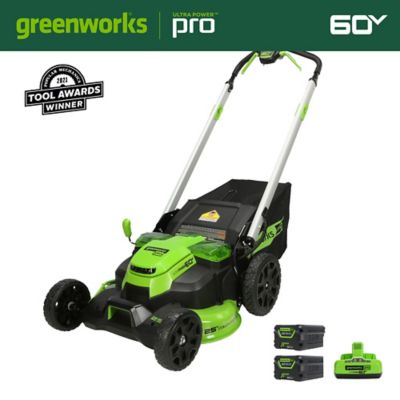
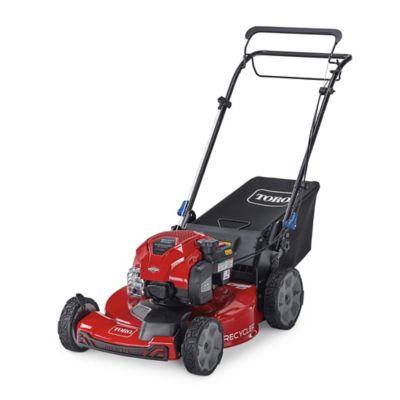
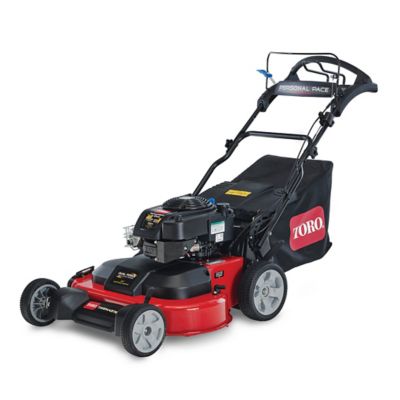
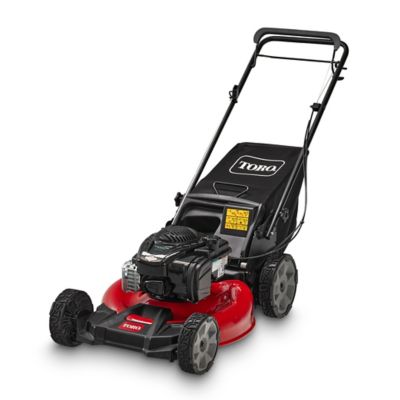
A well-matched lawn mower makes a difference on the stretch of grass between the house and the road, around the backyard fence, or beside a garden that needs room for a wheelbarrow. Walk-behind lawn mowers suit these everyday spaces because they combine a manageable footprint with enough cutting width to cover open ground without making every turn a chore. Gas and electric designs offer different ways to handle the work, while push and self-propelled drive systems determine how much effort goes into moving across the lawn. A push mower depends on the operator to move it forward, making machine weight especially noticeable on soft ground or longer mowing routes. A self-propelled mower sends power to its drive wheels, reducing the pushing effort while still requiring steering and control. Gas engines can make sense for longer sessions where access to an outlet is limited, though they bring fuel, oil, and engine maintenance into the picture. Battery-powered mowers avoid a power cord during operation and have no gasoline engine to service; their working time depends on battery capacity, grass conditions, cutting height, and how much the drive system is working. Corded electric mowers fit spaces where a suitable outdoor extension cord can reach without crossing troublesome obstacles. No power source tells the whole story, and no single cutting width fits every property. A broad deck covers more ground per pass, but a narrower mower may slip more easily through a garden gate or around the clothesline posts. For homeowners tending a modest yard, folks maintaining grass around an outbuilding, or someone taking over lawn chores at a new place, the best fit comes down to the actual mowing route, not just the size of the lot. Trees, tight corners, uneven spots, and the distance to the shed all shape how a mower feels over a full afternoon of work.
Deck construction, wheel design, and handle fit help separate a mower that looks suitable on paper from one that feels comfortable out in the yard. Steel decks have a solid feel and benefit from attention to chipped finishes and trapped moisture. Polymer or composite decks do not rust, though their care requirements and resistance to impacts depend on the material and construction. Deck width is the width of the cutting path, not necessarily the mower’s full outside width, so overall dimensions matter when the route includes a narrow gate or a crowded storage doorway. Larger rear wheels can make transitions over uneven turf easier, but wheel diameter alone does not determine traction or handling. Tread, machine balance, ground conditions, and the drive layout matter, too. With self-propelled equipment, front-wheel drive can be convenient when tipping the front wheels slightly to turn, while rear-wheel drive can help maintain traction when a collection bag adds weight toward the back. Variable-speed controls allow the travel pace to better match the person walking behind the mower. The
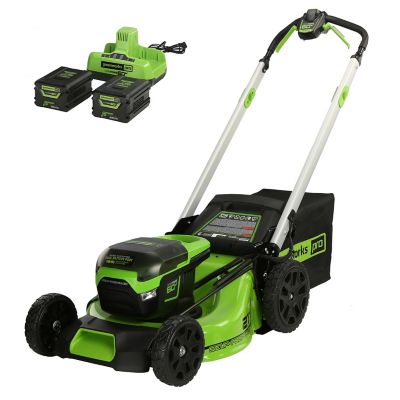
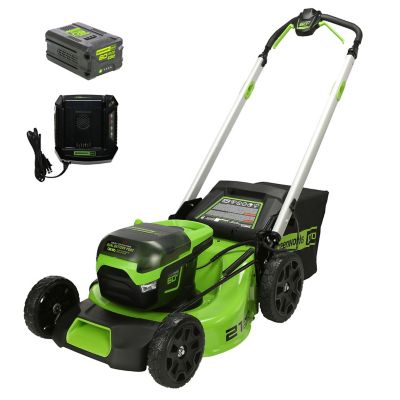
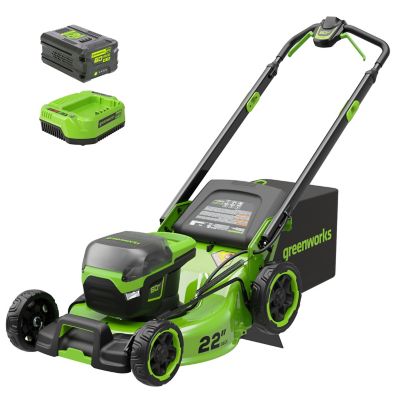
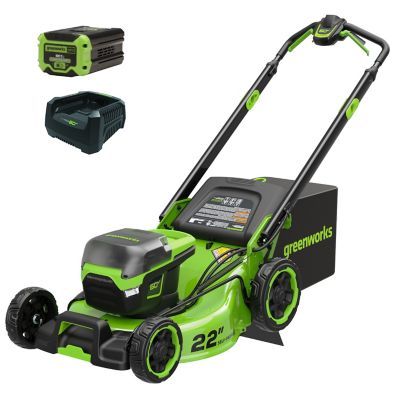
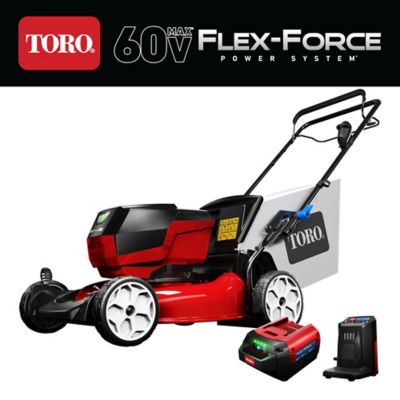
Self Propelled Cordless Lawn Mower category brings battery power and powered wheel assistance together for shoppers comparing those two features. Handle adjustment is another practical consideration, especially when more than one person shares mowing duty. Comfortable reach to the controls, room for a natural stride, and a grip that does not force an awkward wrist position can matter as much as a feature count. Folding handles can reduce storage space, although upright storage is appropriate only when the mower is designed for it. Cutting-height adjustment deserves attention as well. A single-lever setup changes the deck height with fewer adjustments, while individual wheel settings require each position to match. The available height range should suit the grass being maintained. Turf type and growing conditions determine a sensible mowing height; cutting shorter simply to stretch the time between mowing sessions can leave the lawn stressed and more exposed to weeds.
Clipping handling is another part of matching a lawn mower to the way a property gets maintained. Mulching cuts clippings into smaller pieces and returns them to the turf, working best with regular mowing that does not remove too much grass at once. Side discharge moves cut grass out of the deck and can suit open areas where collecting clippings is unnecessary, provided the discharge stays directed away from people, animals, roads, and buildings. Bagging gathers clippings for removal and can help keep loose grass from being tracked across a walkway or onto the porch, though the bag adds weight as it fills and needs emptying along the way. These functions vary by mower, and changing between them may require the correct bag, chute, or mulch plug. A two-function or three-function description does not establish which discharge direction or attachments are included, so the stated capabilities matter more than the number alone. Thick grass, damp clippings, and a heavy cutting load can challenge either gas or electric equipment. A sharp, properly fitted blade makes a cleaner cut, while the correct replacement blade must match the mower’s specified dimensions and mounting arrangement. Routine care also plays a large part in service life. Grass packed beneath the deck holds moisture and restricts clipping movement; cleaning methods should follow the operator’s manual, with the machine shut down and its starting power isolated before inspection or blade work. Gas engines need the specified oil, air-filter attention, and appropriate fuel care. Battery-powered equipment needs compatible batteries and chargers, clean connections, and storage within the manufacturer’s temperature limits. During the cooler months, mowing may slow down, but clearing clippings before storage and keeping the mower sheltered still matter. For battery equipment, charging and storage directions become especially important in an unheated shed. A mower matched to the yard, the operator, and the available storage space is easier to make part of a steady routine, whether the job is a neat patch by the front steps or a longer loop around the home place.