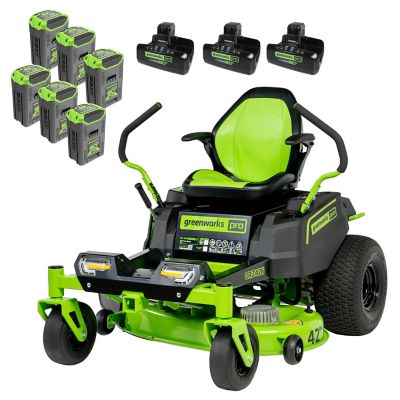
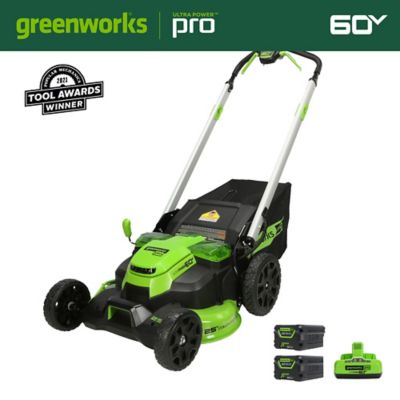
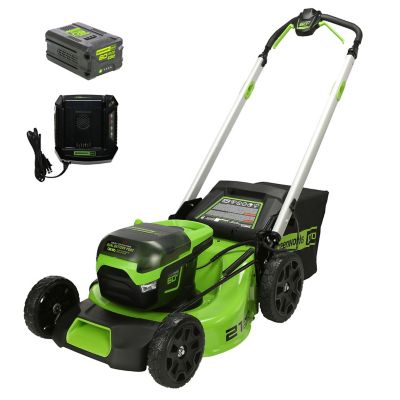
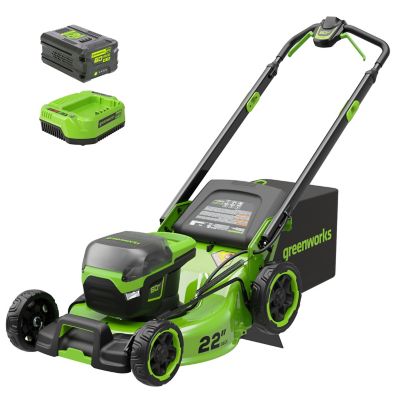
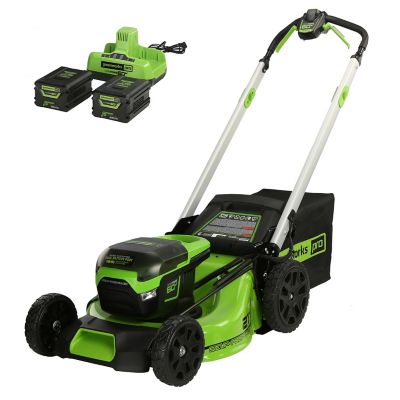
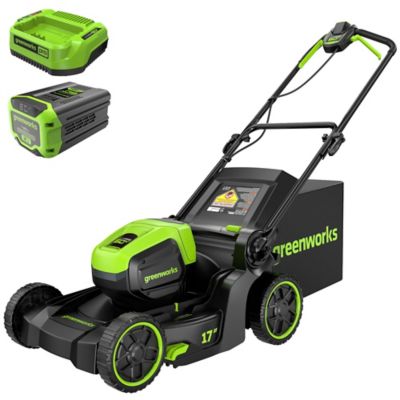
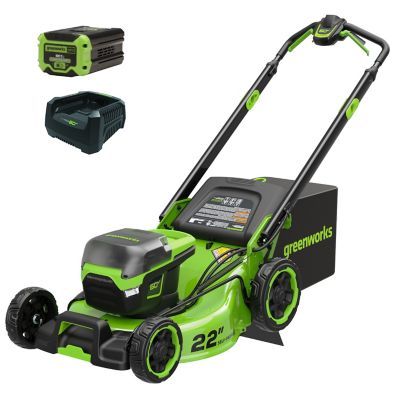
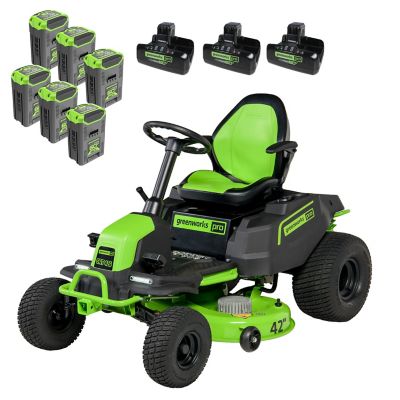
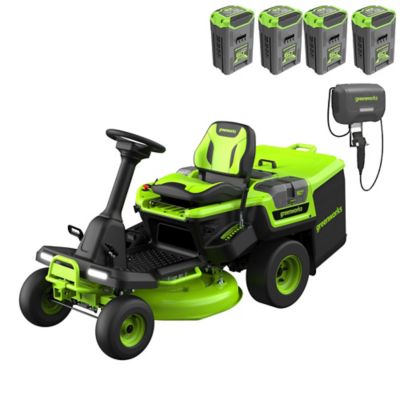
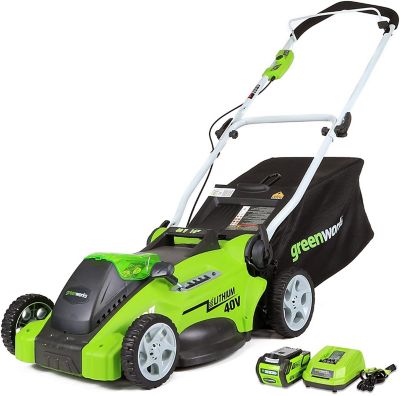
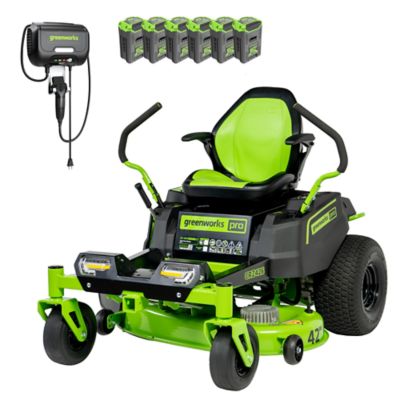
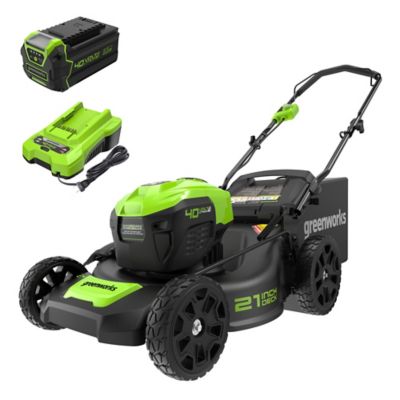
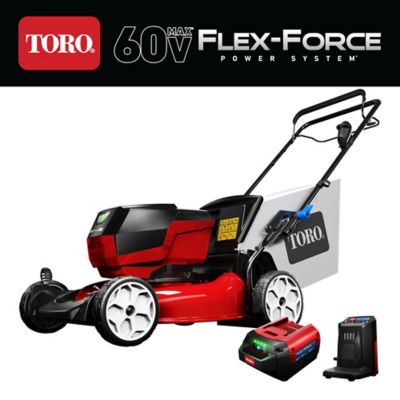
A battery-powered lawn mower brings cordless convenience to the grass around the house, along the driveway, and inside a fenced yard. Rechargeable lithium-ion batteries supply power to an electric motor, so mowing doesn’t involve filling a gas tank, checking engine oil, or pulling a starter cord. Many cordless lawn mowers offer push-button starting and run with less noise than comparable gas equipment, though hearing protection may still be appropriate. They produce no exhaust at the mower, a welcome difference when working near a porch or making repeated passes beside the house. Battery mower platforms span several voltage classes, including 24V, 40V, 60V, and 80V, while some designs draw power from two batteries together. Those numbers describe the electrical platform, not a promise of cutting performance or a particular lawn size. Motor design, blade condition, deck width, grass thickness, and battery capacity all affect how much mowing gets done on a charge. Amp-hour ratings help describe battery capacity, but comparisons make the most sense within the same voltage platform; watt-hours offer a clearer picture of stored energy across different voltages. A higher-voltage mower isn’t automatically the best match for every yard. Around a small farmhouse lawn with trees, gates, and garden beds, manageable weight and easy turning can matter more than a wide cutting path. On a larger stretch of maintained grass, a wider deck and enough battery capacity to finish the job can reduce backtracking and charging breaks. Advertised runtime generally reflects particular test conditions, and thick growth, hills, self-propelled drive, or damp grass can shorten it. For a property with several separate patches of lawn, the distance between them matters, too. Battery-powered walk-behind mowers fit routine lawn upkeep rather than brush clearing or rough pasture work, making intended use just as important as the numbers on the battery label.
The mower’s deck, wheels, handle, and drive system shape how it feels once the work begins. Steel decks add weight and can stand up to everyday mowing demands, but chipped finishes need attention to help limit corrosion. Polymer or composite decks can make a mower easier to maneuver and avoid rust on the deck itself, although care around stones, exposed roots, and fence hardware still matters. Cutting width is a practical fit consideration: a broad deck covers open ground with fewer passes, while a narrower one may pass more comfortably through a garden gate or between closely spaced beds. Wheel size and tread influence handling over uneven lawn, and an adjustable handle can make a noticeable difference for taller or shorter operators. A push mower keeps propulsion simple and can suit level ground, especially where tight turns are frequent. A self-propelled mower supplies wheel drive to reduce pushing effort, which can be helpful on longer mowing routes or gentle slopes within the manufacturer’s operating limits. Variable travel speed lets the mower’s pace better match the person behind it. For shoppers comparing powered-drive designs, the
Greenworks Self Propelled Mower page brings that mower style into focus. Cutting and clipping features deserve equal attention. Mulching returns finely cut clippings to the lawn, bagging collects them for removal, and side discharge spreads them across the mowing path; the exact combination varies by mower. Bag capacity affects how often mowing pauses for emptying, particularly when grass is growing fast. Adjustable cutting heights help accommodate different turf types and changing growth conditions without taking too much off at once. Brushless motors and automatic blade-speed adjustment appear on some battery mowers, with certain systems increasing blade speed under heavier cutting loads. These features can support efficient operation, but they don’t remove the need to match mowing pace to the grass. A lawn that has grown tall between cuts may need a higher setting and more than one pass rather than a single low cut that strains the mower.
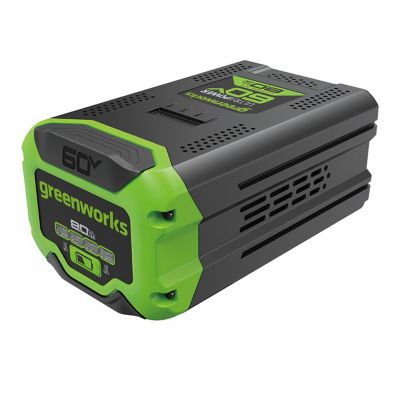
Day-to-day ownership also includes battery fit, charging arrangements, cleaning, and storage space. Batteries that share a voltage rating are not necessarily interchangeable, even when their cases look similar. Compatibility depends on the approved battery platform and the requirements of the mower, charger, and any other tools sharing that system. For a household already running cordless yard equipment, confirmed battery compatibility can simplify the shelf in the garage and make spare packs more useful across regular chores. Package contents matter as well, since a mower may come with batteries and a charger or require them separately. Charging time varies with battery capacity, charger output, and battery temperature, so a spare compatible pack may be helpful when mowing extends beyond one charge. Battery care becomes especially important during the cooler months. Storage temperature and charge level should follow the manufacturer’s recommendations, and lithium-ion packs generally should not be charged below freezing unless the system expressly permits it. A dry storage spot away from heaters, moisture, and loose metal objects helps protect battery contacts and housings. The mower itself still needs routine attention despite having no gas engine to service. Grass buildup beneath the deck can interfere with cutting and clipping movement, while a dull or damaged blade can leave torn grass tips and put more demand on the motor. Cleaning and blade work require the mower to be shut down and isolated from battery power according to its manual. Folding handles can help reclaim floor space beside feed bins or garden tools, but upright storage is appropriate only when the mower is designed for it. As growth slows, cutting height and mowing frequency should follow the needs of the grass rather than the calendar alone. Light, dry leaf cover may suit a mower’s approved mulching function, while deep or wet leaf piles can overwhelm the deck. For homeowners keeping a tidy yard around a busy rural property, a well-matched battery mower offers straightforward starts, fewer engine-service chores, and the flexibility to tackle regular lawn work between the rest of the day’s jobs.