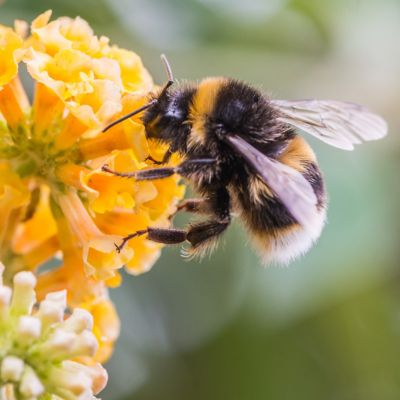
Low maintenance perennial plants are a good fit for gardeners who want a lasting display without spending every weekend watering, pruning, and fussing over flower beds. Unlike annuals that need to be replaced when their growing season ends, perennials return year after year when they are matched to the right growing conditions. They can bring color to a country porch, soften the edge of a gravel drive, fill a sunny border, or add life beneath mature trees. Many dependable choices need little fertilizer once established and can handle short dry spells, especially when planted in well-drained soil and given a thorough watering during the early stages of growth. Sedum, also called stonecrop, is known for thick, water-storing leaves and a preference for full sun, making it useful in hot, dry areas, rock gardens, and places where regular irrigation is difficult. Daylilies adapt to a wide range of soils and often keep flowering through warm weather with very little attention. Coneflowers and black-eyed Susans bring bright, daisy-like blooms to sunny spaces while offering nectar for bees and other pollinators; their seed heads can also provide food for birds as the weather cools. Catmint forms soft mounds of purple or blue flowers and is valued for its resistance to many browsing pests, while hostas and coral bells are dependable options for shade, with hostas offering broad, lush leaves and coral bells adding foliage in green, burgundy, amber, and other rich tones. Although no living plant is completely maintenance-free, these hardy perennial types generally ask for less water, feeding, and trimming than more demanding landscape plants.
Choosing the right low maintenance perennial plants starts with looking closely at the planting spot instead of choosing by flower color alone. Full-sun areas typically receive at least six hours of direct light and are well suited to drought-tolerant plants such as sedum, daylilies, coneflowers, catmint, and black-eyed Susans. Part-shade and shade areas may be better for hostas, coral bells, and other foliage-focused perennials that can struggle in hot afternoon sun. Check whether the soil stays damp after rain or dries quickly, and pay attention to drainage around downspouts, low spots, and compacted ground. A plant that tolerates dry soil may decline in a soggy bed, while a shade-loving plant can scorch in an exposed, sunny location. Mature height and spread matter, too. Short, mounding plants work well along walkways and the front of a border, medium-height bloomers can fill open spaces around shrubs, and taller perennials add a relaxed backdrop near fences or outbuildings. Look for plants suited to the local hardiness zone and consider how much natural moisture the site receives during the warmer and cooler parts of the year. A layer of mulch can help hold soil moisture, limit weed growth, and protect roots from temperature swings, but keep mulch pulled slightly away from the plant crown. During the first growing season, even drought-tolerant perennials need consistent watering while their roots become established. After that, many can settle into a simple routine of occasional deep watering, light cleanup, and a quick check for weeds or storm damage. Deadheading is optional for many varieties, and leaving sturdy stems and seed heads in place can give the garden texture during the cooler months while helping feed visiting birds.
Low maintenance perennial plants also make thoughtful gifts for new homeowners, gardeners setting up a first flower bed, or anyone who enjoys a beautiful yard but has limited time for upkeep. They are especially practical for country properties, vacation homes, rental houses, and larger spaces where planting annual color throughout the season can become a chore. A few well-chosen perennials can mark a mailbox, brighten a front step, or create a welcoming path to a barn, shed, or garden gate. For friends and family with limited ground space, consider pairing perennial plants with a suitable container or choosing options that stay compact and have attractive foliage even between bloom periods. Hanging displays can add color to porches, decks, and sunny fences, and shoppers looking for similarly easy-care container ideas can explore
Low Maintenance Hanging Baskets. When giving plants as a gift, include a simple note about the preferred light, mature size, watering needs, and whether the plant attracts pollinators or may be browsed by deer and rabbits. A perennial planted in a favorite corner can become a small tradition, returning with fresh growth each year and carrying a little family history along with it. As the weather warms, new growth and early blooms signal that the garden is waking up; later, summer color gives way to seed heads, fading foliage, and the earthy textures of fall. With a sensible choice for the site and a little care at planting time, these dependable plants can keep working quietly in the landscape for seasons to come.