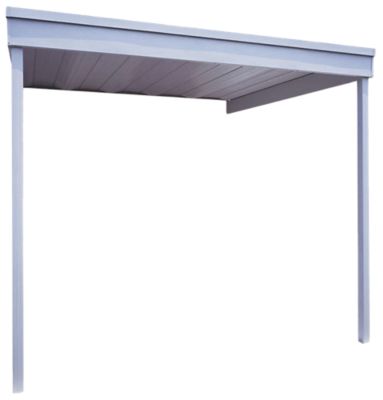
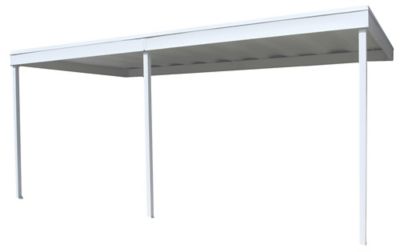
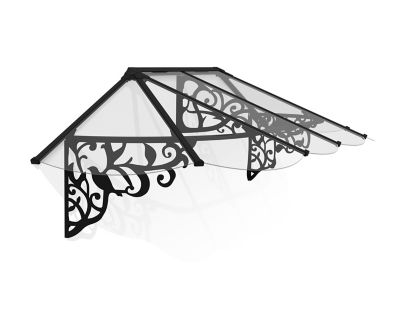
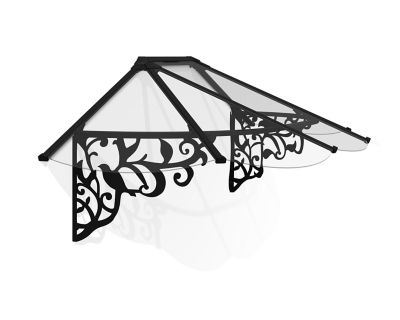
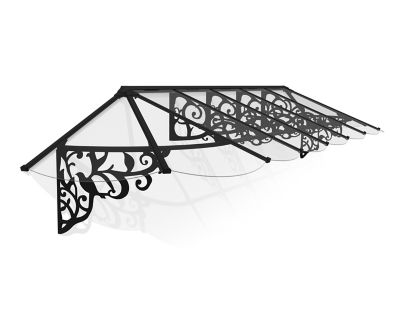
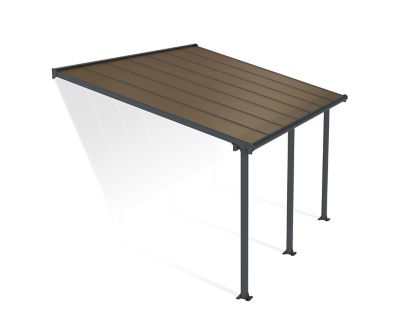
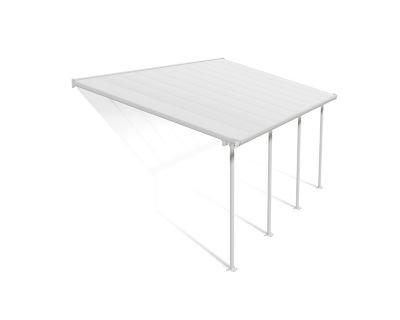
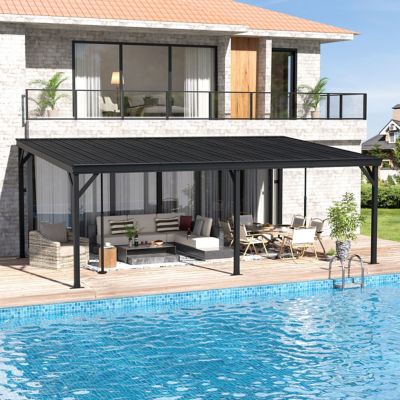
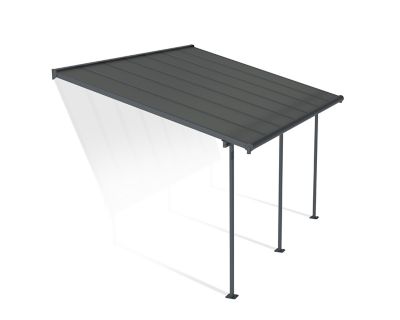
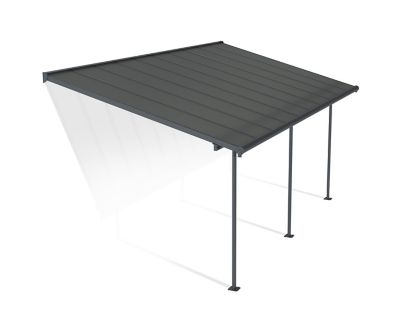
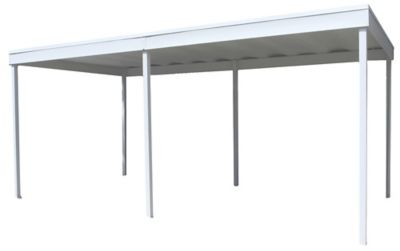
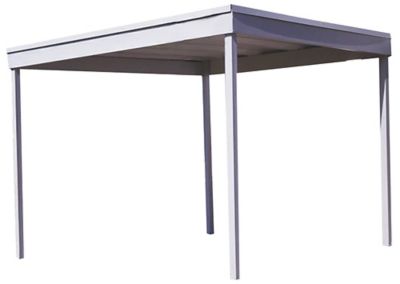
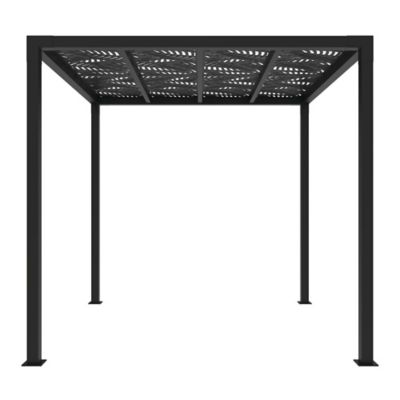
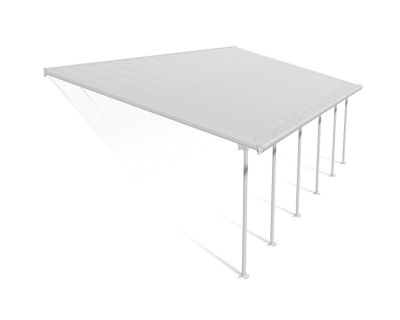
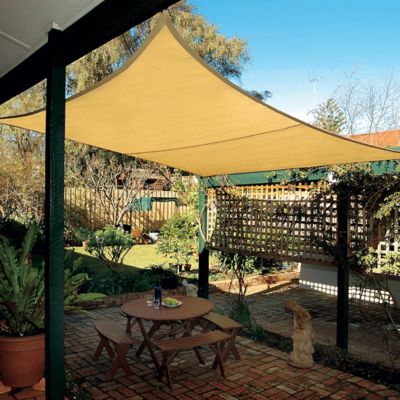
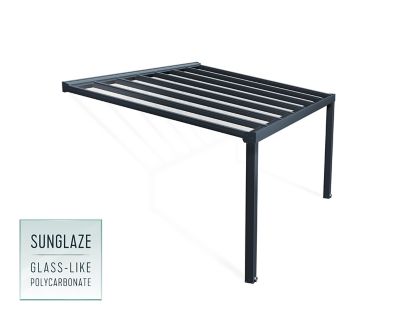
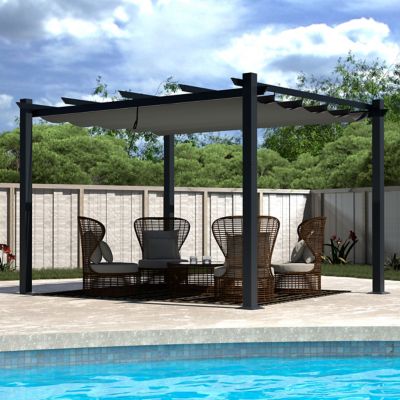
Low maintenance patio covers give an outdoor sitting area a roof overhead without adding a long list of upkeep chores. For a patio beside the house, a gathering spot off the back door, or a place to sit after tending the animals, the right cover makes that space more practical for everyday living. Aluminum is often one of the lowest-maintenance patio cover materials because it does not rust like iron or steel, rot like wood, or provide food for wood-eating insects. A powder-coated finish adds a protective surface that generally needs periodic cleaning rather than routine staining. That makes powder-coated aluminum patio covers a practical choice for households that would rather spend their spare time around the picnic table than brushing on another coat of finish. Aluminum can still corrode under certain conditions, particularly where salt or incompatible metals are involved, so the finish, fasteners, and installation details matter. Wood-grain aluminum offers the look of timber with less ongoing surface care, while smooth finishes suit a straightforward roofline. Vinyl and cellular PVC components also resist rot and insect damage, though their structural support, resistance to fading, and allowance for expansion depend on the system. Fiberglass components can offer corrosion resistance and relatively low weight, but their protective finish and structural ratings deserve attention, too. Steel brings strength to many patio structures, with coatings that help protect the underlying metal; scratches and exposed edges may need attention to keep rust from taking hold. No material makes every patio cover maintenance-free. A well-matched structure combines a finish that is easy to clean, framing suited to the site, and roofing that provides the amount of shelter the space needs. For many homeowners, that balance matters more than appearance alone. A cover should look at home beside the house, but it should also leave room for the table, keep the doorway clear, and stand up to the conditions listed in its specifications.
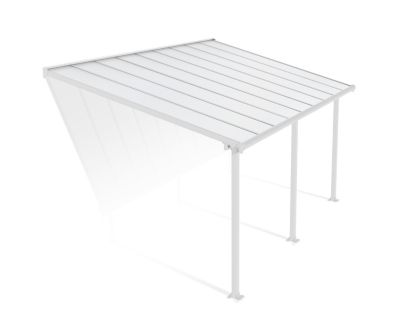
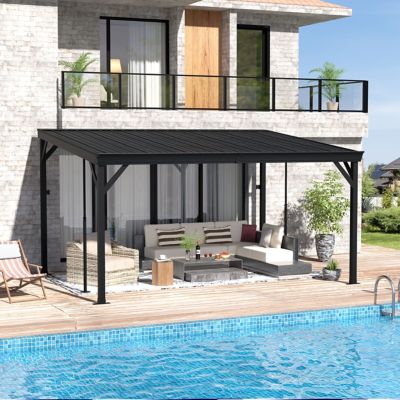
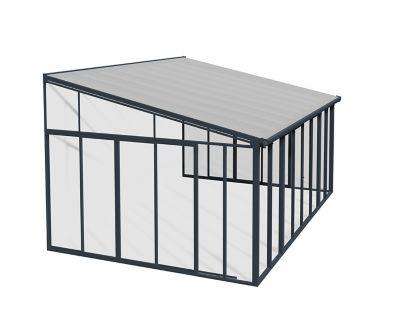
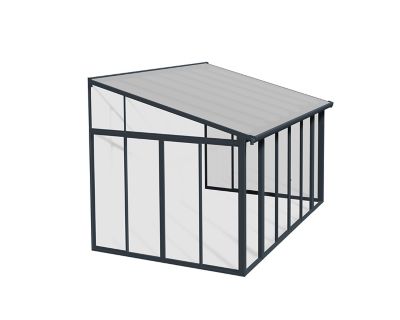
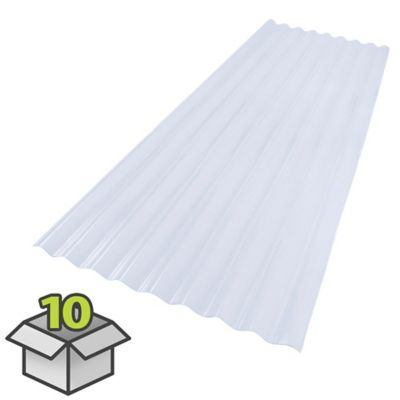
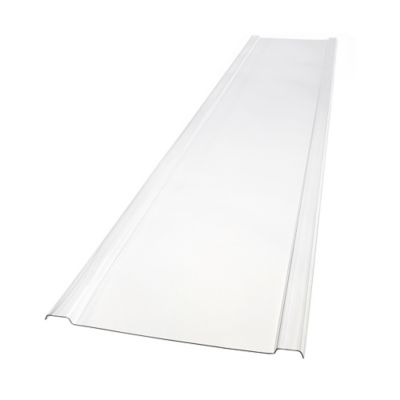
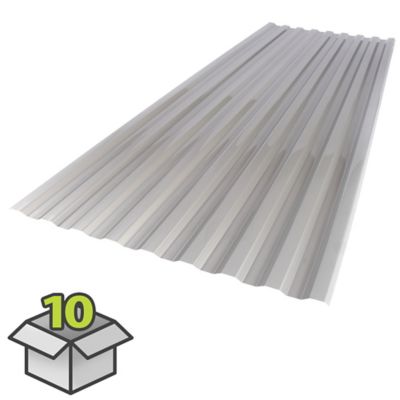
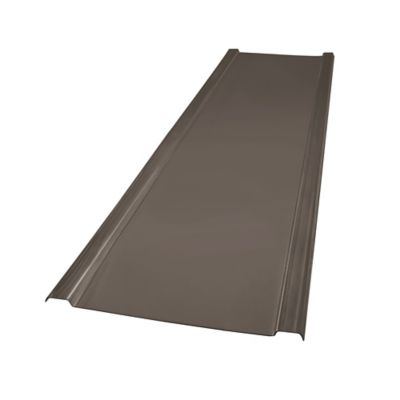
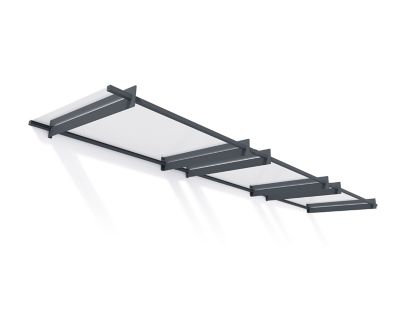
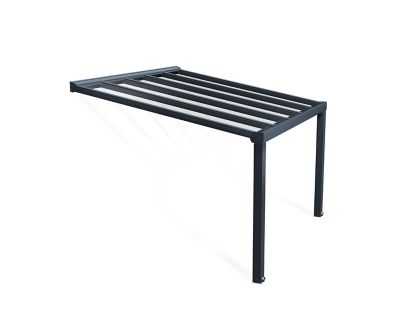
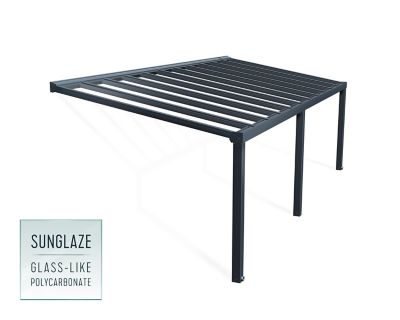
The difference between a shade cover and a rain-shedding roof matters when choosing low maintenance patio covers. Open slats soften direct sunlight and give a seating area an airy feel, but they do not provide the same rain protection as a solid roof. Solid panels offer more overhead shelter, while translucent panels let some daylight reach the patio and nearby windows. Light transmission, UV protection, impact resistance, and sound during rainfall vary by panel material and construction. Insulated roof panels can reduce heat transfer through the roof and may help soften rain noise, although an open-sided patio remains an outdoor space. Attached patio covers extend from the house and need a suitable connection to the building, along with flashing that directs water away from the wall. Freestanding structures have their own posts and support system, making them an option for patios farther from the house or beside an outdoor gathering area. Either arrangement needs more thought than matching the roof dimensions to the concrete below. The footprint, roof overhang, post spacing, and clearance beneath the beams all affect how the space works. A patio table needs room for chairs to pull back, and a busy back door needs an unobstructed path for someone carrying groceries, feed buckets, or a tray of supper. Posts should not crowd steps or force foot traffic around a tight corner. Roof height and slope must work with nearby eaves, doors, and windows, while drainage should carry runoff away from walkways and foundations. Wind and snow load ratings are especially important because a strong-looking frame is not proof that a structure suits every location. Local permit requirements, attachment details, footings, and anchoring specifications help determine whether a cover fits the property. An existing patio slab may not provide the support a particular structure requires. For attached roofs or installations with uncertain support conditions, a qualified installer can assess those details before the layout is settled.
Easy care starts with accessible surfaces and a finish that suits everyday conditions around the property. Dust from a gravel drive, pollen, leaves, and bird droppings can collect on a patio roof even when the roofing itself needs little attention. Many coated aluminum surfaces can be cleaned with mild soap, water, and a gentle rinse, following the manufacturer's care directions. Abrasive pads, strong chemicals, and forceful pressure washing can harm some finishes or seals, so a simple cleaning routine is often the better fit. Cleaning once or twice a year may be enough in some settings, while a cover beneath overhanging trees or near a dusty lane may need attention more often. Clear gutters and drainage channels help water move where it belongs, and occasional checks of visible fasteners, sealants, and attachment points can catch small concerns before they grow. Low maintenance means fewer recurring chores, not a roof that can be forgotten after installation. Roof panels also should not be treated as a walking surface unless the structure is expressly designed for that purpose; safe access matters whenever cleaning or inspection reaches above ground level. For everyday use, a covered patio can make room for a quiet cup of coffee, family meals, potting plants at a worktable, or visiting with neighbors while the kids play nearby. Plans for ceiling fans, lights, or hanging baskets need to account for the frame's permitted loads and attachment locations rather than assuming any beam can hold them. Cooking equipment requires the clearances and ventilation specified by its manufacturer, even beneath an open-sided cover. Overhead shelter also does not fully protect furniture from blowing rain, dust, or splashes entering from the sides.
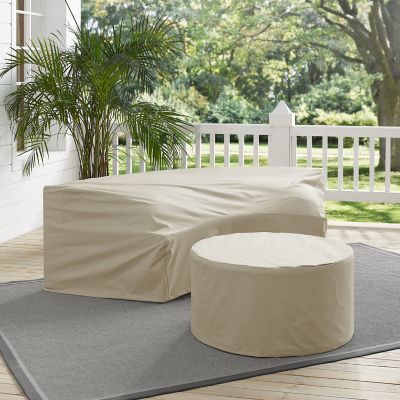
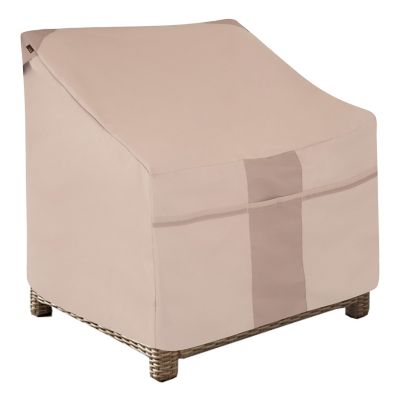
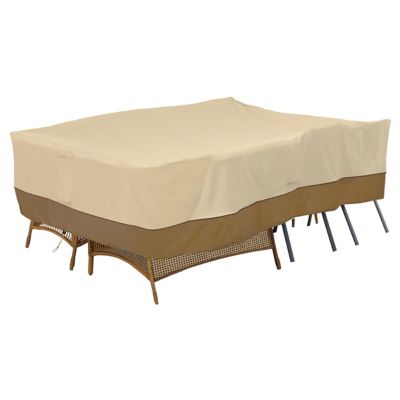
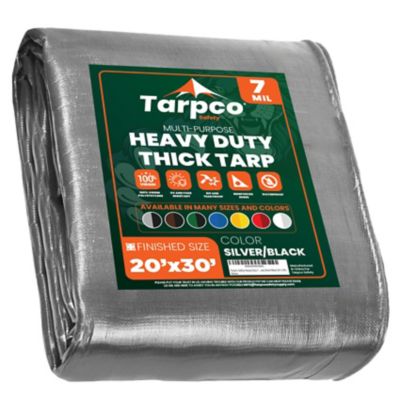
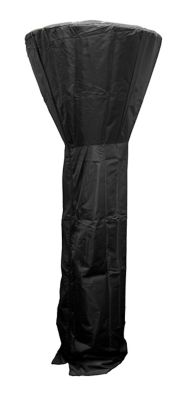
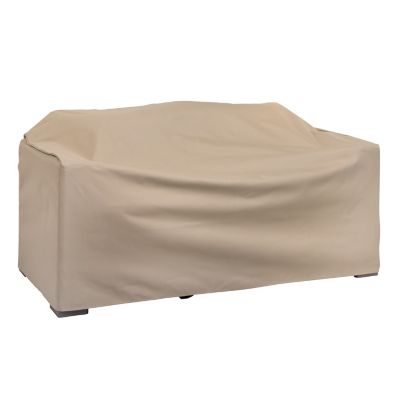
Tarp Covers for Patio Furniture offer another layer of protection between gatherings, with fit, fastening, and ventilation worth considering. A patio cover with suitable materials, sound support, and manageable care leaves more room in the day to enjoy the space instead of working on it.