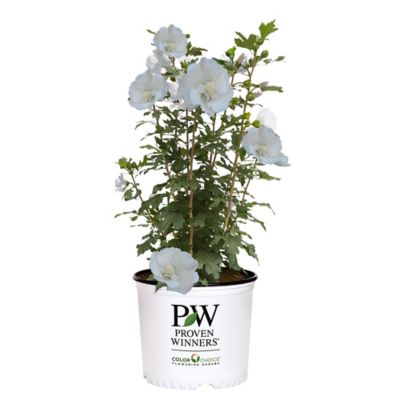
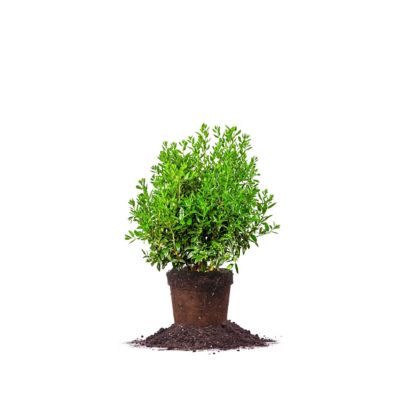
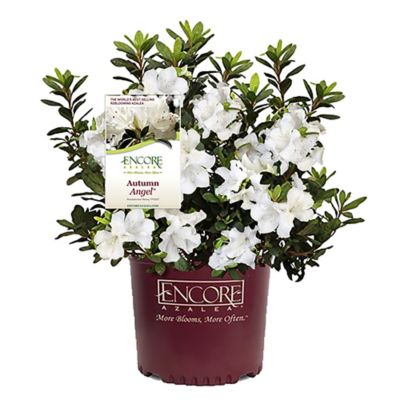
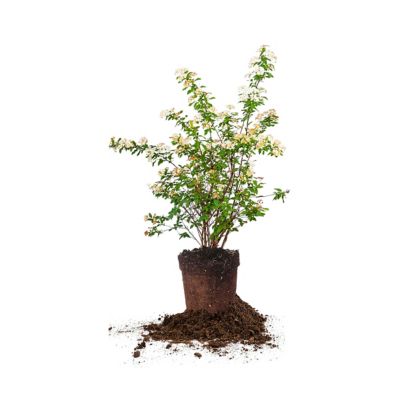
Low maintenance flowering shrubs bring dependable color and structure to a yard without asking for constant pruning, spraying, or fussing. They are a good fit for busy homeowners, new gardeners, rental properties, community spaces, and anyone who wants a welcoming landscape that can hold its own through changing weather. Once established in the right spot, many flowering shrubs need little more than regular watering during dry stretches, a layer of mulch, and occasional shaping. The best choice depends on your growing conditions, so start by checking the plant’s mature height and width, sunlight needs, cold hardiness, and preferred soil. A shrub that stays compact can tuck neatly beside a walkway or front step, while a larger variety may work better along a fence, around a porch, or as a soft screen between outdoor areas. Full sun generally produces the strongest flowering, although some shrubs tolerate partial shade, especially where they receive several hours of bright light. Well-drained soil is important for most varieties; heavy, soggy ground can stress roots even when the plant itself is considered tough. If your soil is sandy, clay-heavy, or low in organic matter, mixing in suitable soil amendments before planting can help young roots settle in. Keep the planting hole about as deep as the root ball and several times wider, then water slowly so moisture reaches below the surface. A few inches of mulch can help hold moisture and keep grass from competing with the shrub, but leave a small gap around the stems to reduce the risk of rot. Low-maintenance flowering shrubs are also a thoughtful gift for a new homeowner, a parent who enjoys gardening at an easier pace, or a friend marking a move into a new house. A living plant has a way of becoming part of the place; years later, the blooms may still bring back memories of the person who gave it.
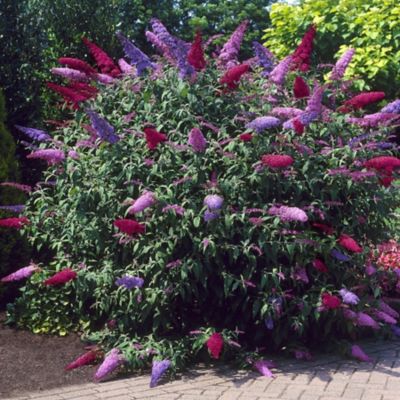
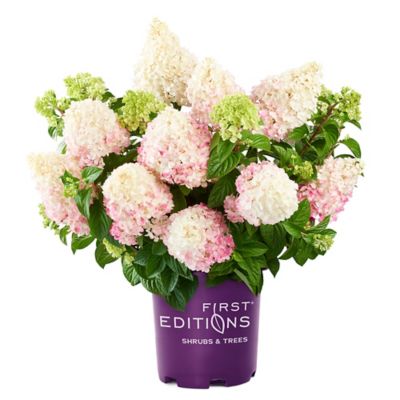
When comparing flowering shrubs, consider the kind of work you actually want to do and the look you hope to enjoy across the seasons. Weigela is valued for colorful, trumpet-shaped flowers and can rebloom under favorable conditions without requiring routine deadheading. Panicle hydrangeas are known for sturdy stems, large cone-shaped flower clusters, and good cold tolerance, making them a reliable choice where winters can be hard on less durable plants. Spirea forms a tidy, rounded shape and produces clusters of pink or white flowers, while many selections handle ordinary garden soil and short dry periods once established. Forsythia grows quickly and is one of the classic signs that the landscape is waking up, covering bare branches with bright yellow flowers in early spring. Potentilla stays relatively compact and is prized for small, cheerful blooms that can continue through much of the growing season, including the warmer and cooler stretches when other plants may slow down. These shrubs vary widely, so read the plant description carefully instead of choosing by flower color alone. Look for disease resistance, mature size, bloom time, deer resistance where relevant, and whether the plant flowers on old wood or new growth. That last detail affects pruning: some shrubs should be shaped soon after flowering, while others are best pruned during dormancy or not pruned heavily at all. In many landscapes, a light cleanup is enough. Remove broken or crossing branches, thin out a few older stems when needed, and avoid cutting back simply because the shrub has grown a little taller than expected. A shrub with room to reach its natural shape usually needs less intervention and looks more relaxed than one forced into a tight ball. Flowering shrubs can stand alone as a focal point, repeat along a driveway for a consistent border, or join grasses, evergreens, and flowering perennials in a layered bed. For extended color, pair shrubs with different bloom periods and add plants that bring texture after the main flowers fade.
Low Maintenance Perennial Plants can fill the space around shrubs with dependable foliage and seasonal blooms while helping the planting bed feel established from ground level to the tallest branches.
A little planning at planting time makes low-maintenance care much easier during the warmer part of the year and through the cooler months. Newly planted shrubs need more attention than established ones, particularly while roots are spreading into the surrounding soil. Check the soil beneath the mulch with your finger and water deeply when the upper few inches have dried, rather than giving the plant a quick sprinkle that only wets the surface. Morning watering is often practical because leaves have time to dry, and a soaker hose or drip line can deliver moisture right where it is needed. As the shrub settles in, gradually space out watering while still paying attention during heat, wind, or extended dry weather. Avoid heavy fertilizer unless a soil test or plant-specific recommendation calls for it; too much nitrogen can encourage leafy growth at the expense of flowers. Spent blooms may be removed for appearance, but many low-maintenance varieties do not need constant deadheading to stay attractive. In late summer and fall, leave healthy structure in place when it adds winter interest or provides shelter for birds, then clean up damaged growth according to the plant’s needs. Container-grown shrubs can be planted in the ground or kept in a large, well-drained pot, though container plants dry out faster and may need extra protection when temperatures drop. Before purchasing, measure the available space, check access to sunlight and water, and think about what the shrub will look like at full size rather than only at the size shown in a nursery pot. The right flowering shrub settles into the landscape, offers color with modest upkeep, and gives the yard a cared-for feeling even when your weekends are already full.