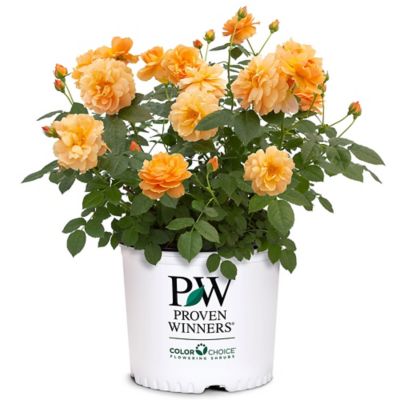
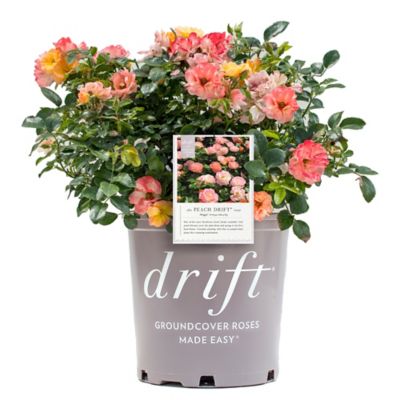
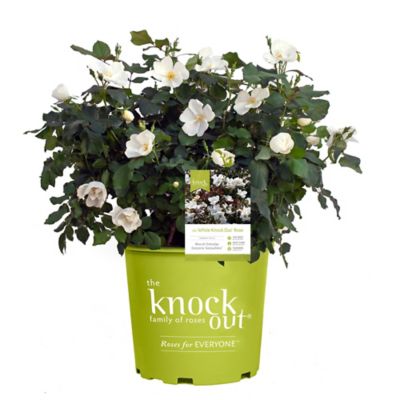
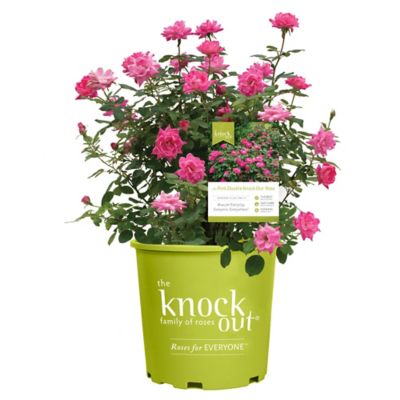
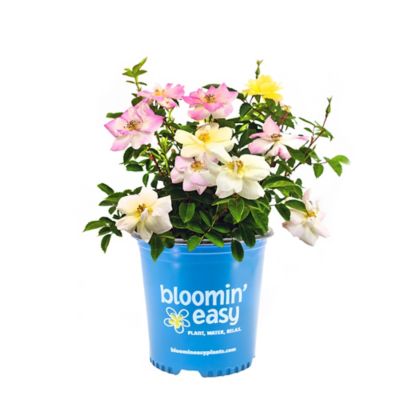
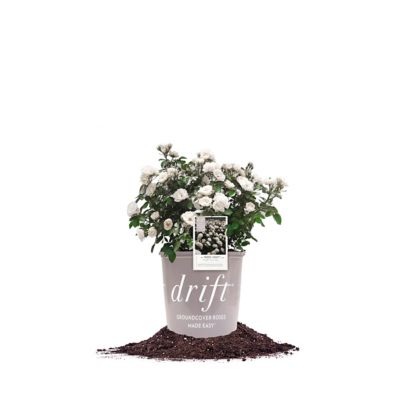
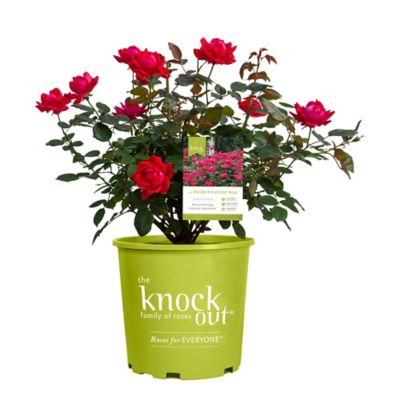
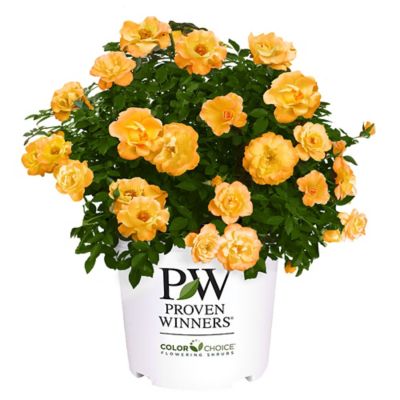
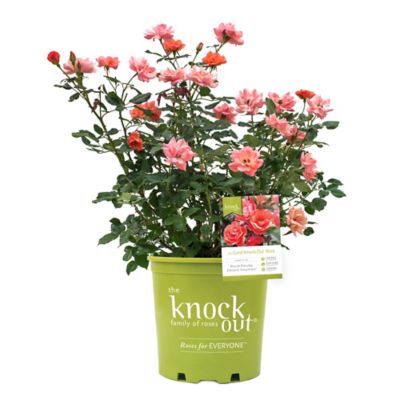
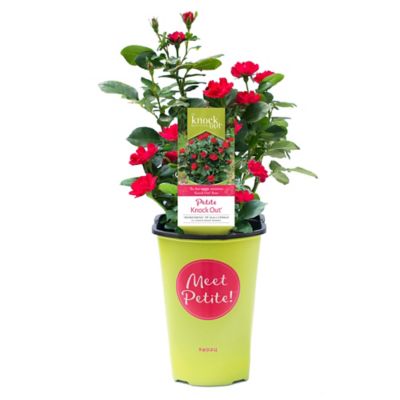
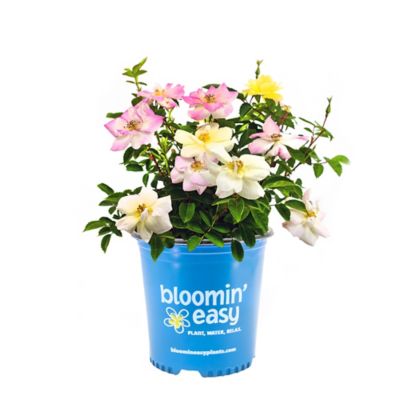
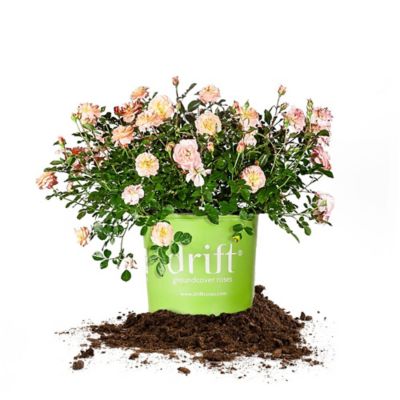
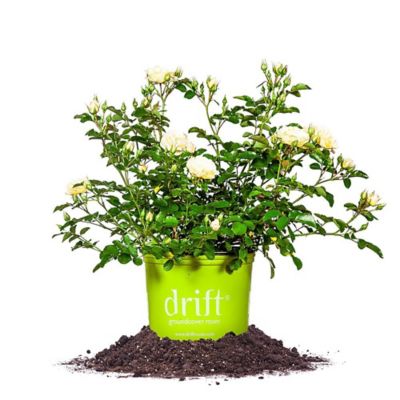
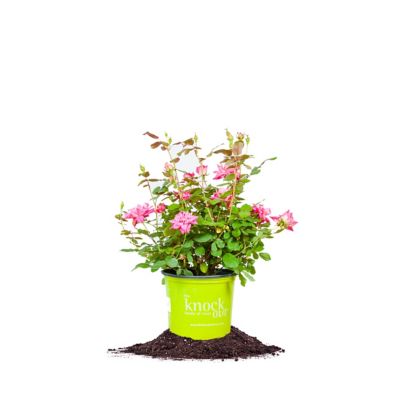
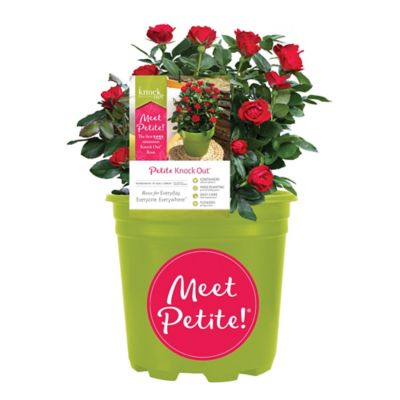
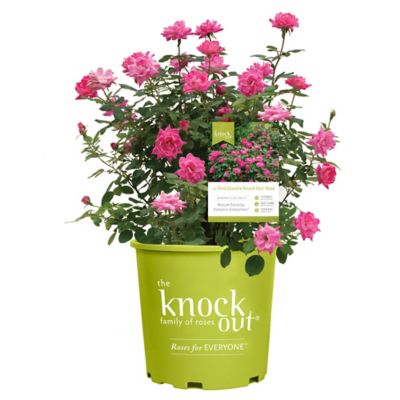
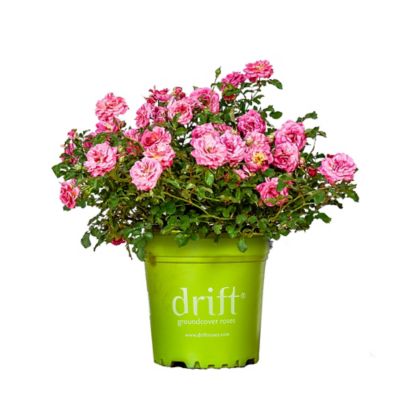
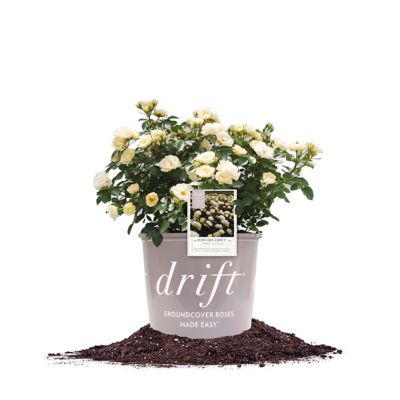
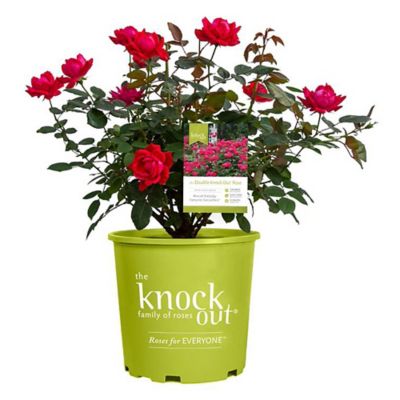
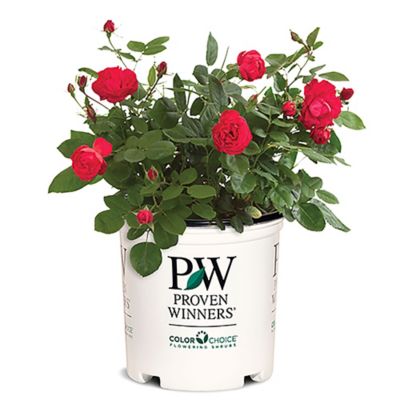
Low-maintenance rose bushes are flowering shrubs selected for manageable growth, disease resistance, and blooming habits that call for less fuss than more demanding roses. Many produce repeated flushes of flowers without frequent deadheading or complicated pruning, making them a practical choice for folks who want color around the house without tending plants every day. Low maintenance still means some care, but the right rose can fit comfortably into a yard routine that already includes mowing, watering, and keeping beds tidy. Shrub roses often suit this job because their branching shape works as a landscape plant rather than depending on supports or careful training. Compact forms fit smaller foundation beds and spaces beside a porch, while broader, spreading forms can fill an open border or soften the edge of a fence. Mature height and width matter more than the size of the plant at purchase: a rose that looks small in its nursery pot may eventually need several feet of room. Matching that eventual size to the planting space helps prevent crowded walkways and repeated trimming just to keep a window clear. Flower color is only part of the choice, too. Single and semidouble flowers show more of their centers, while densely petaled blooms have a fuller look. Open-centered flowers can make pollen easier for visiting bees to reach, although their value varies with the rose. Fragrance also varies considerably, so a full-looking flower does not necessarily have a strong scent. Some roses form noticeable hips when spent flowers remain on the plant, adding another point of interest beyond the petals. For a front-yard border, a relaxed planting beside an outbuilding, or a bed visible from the kitchen window, the best fit balances the flower display with a shrub shape that looks at home even between rounds of bloom.
The planting site has a lot to do with how easy a rose is to keep. Most rose bushes flower best with at least six hours of direct sunlight a day, and a spot with good air movement helps foliage dry after watering. Disease resistance is especially worth comparing because roses differ in their tolerance of problems such as black spot and powdery mildew. Resistance means a plant is less susceptible, not that it can never develop a problem, and healthy spacing remains important even with easier-care selections. Plant descriptions that explain mature dimensions, disease resistance, and regional suitability offer more useful information than flower photos alone. Soil should allow excess water to drain while holding enough moisture for roots; a low spot that stays soggy can make even an otherwise undemanding rose struggle. Organic matter can improve soil structure, while a layer of mulch helps limit competing weeds and slows moisture loss. Mulch belongs around the root area rather than piled against the stems. Newly planted roses generally need closer attention to watering than established bushes, so the lowest-effort choice is still one whose location is within easy reach of a hose. Established plants may need supplemental water as well, depending on soil and growing conditions. A fixed daily watering schedule is less useful than checking the root area and following the plant’s care directions. For container planting, drainage holes and enough room for root growth are essential. A compact mature habit usually fits a porch pot better than a vigorous spreading rose, and the filled container’s weight matters if it will need moving. Nursery pot size describes the starting plant, not its final footprint. Where listed, own-root and grafted forms are another consideration: own-root roses grow on their own root systems, while grafted roses join a flowering variety to a separate rootstock. With grafted plants, shoots arising from below the graft may differ from the intended rose and need attention.
A well-matched rose planting earns its place through both flowers and everyday practicality. Along a foundation, enough space between the shrub and the wall leaves room for growth, inspection, and ordinary upkeep. Beside a driveway or gate, a naturally compact rose is easier to live with than one whose canes reach into passing traffic. Thorns deserve a little planning near narrow paths, play areas, and places where pets regularly squeeze through. Roses also should not be counted on as a livestock barrier, and deer or rabbits may browse them even when the plants have plenty of thorns. In mixed beds,
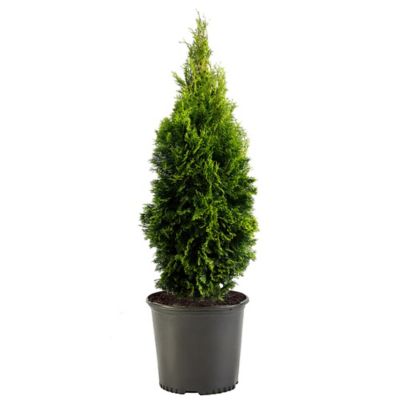
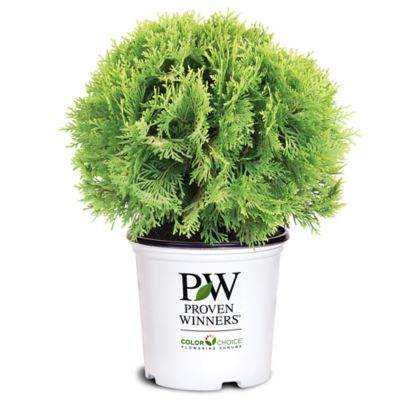
Low Maintenance Evergreen Shrubs can provide a steady green backdrop that lets rose flowers stand out. Leaving room for each plant’s mature spread keeps the combination from becoming a tangle and makes routine maintenance easier. Repeating a few roses along a fence can create a more settled look than squeezing many different growth habits into the same narrow strip. Ground-cover forms suit spaces where a low, spreading outline is welcome, while upright shrubs give a bed more height without the training a climbing rose requires. Maintenance expectations are worth matching to the household as carefully as plant size. Some roses shed spent petals cleanly and rebloom without deadheading; others look tidier with occasional clipping. All may need damaged or crossing canes removed, and even a naturally rounded shrub can benefit from pruning suited to its growth habit. Gloves that protect hands and forearms make thorny branches easier to handle, and sharp pruning tools help make clean cuts. For someone receiving a rose bush as a housewarming or gardening gift, a manageable mature size and clear care information are often more helpful than choosing by color alone. A plant suited to the recipient’s space gives those blooms a better chance to become a lasting part of the yard, whether that means a small bed by the steps or a roomy border along the fence.