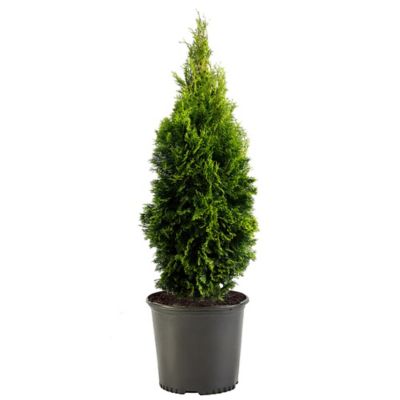
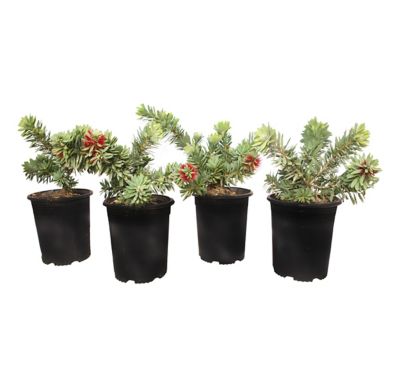
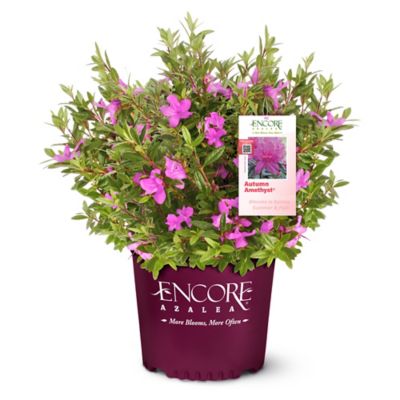
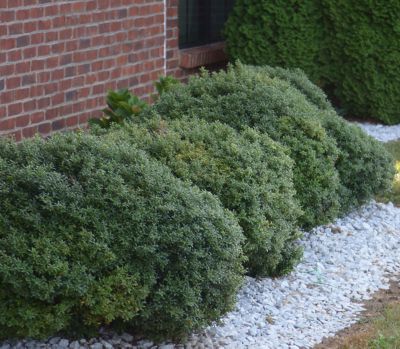
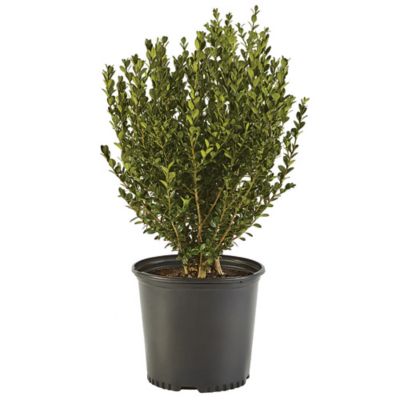
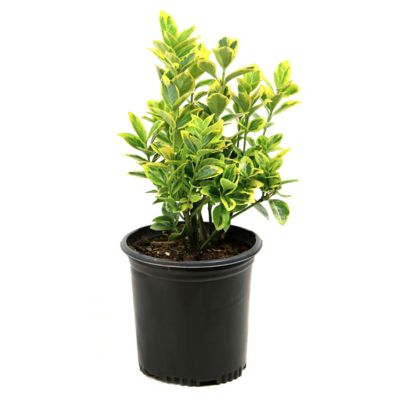
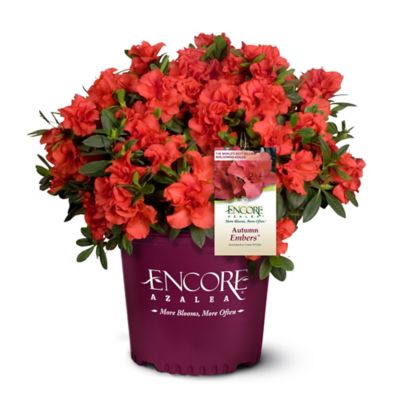
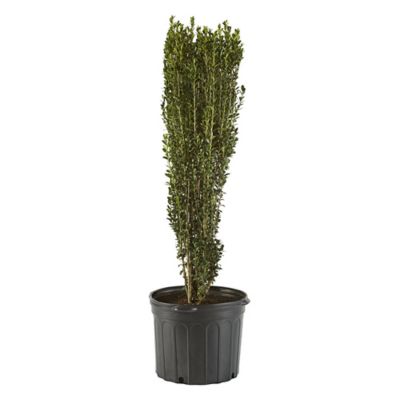
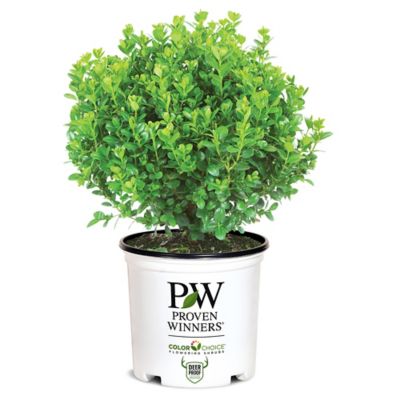
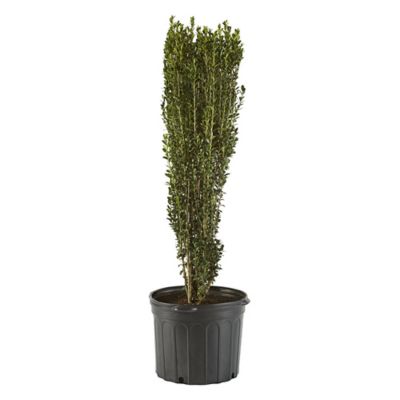
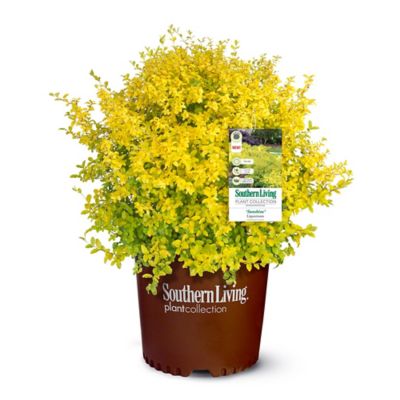
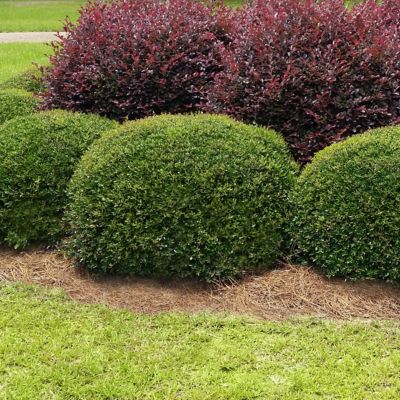
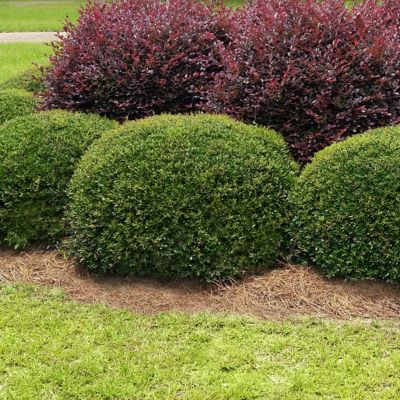
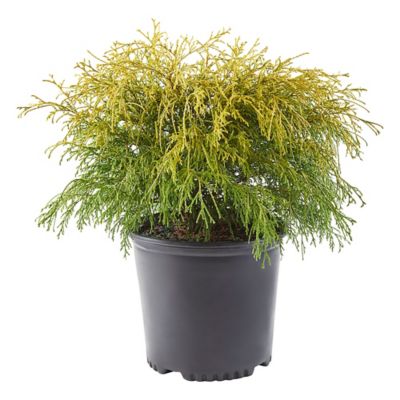
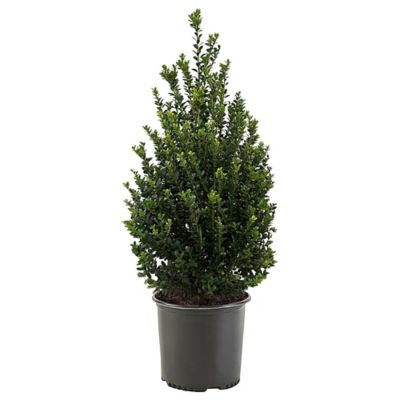
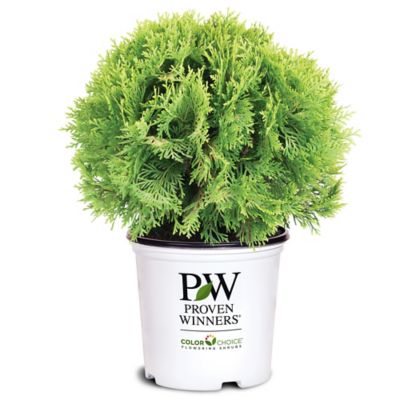
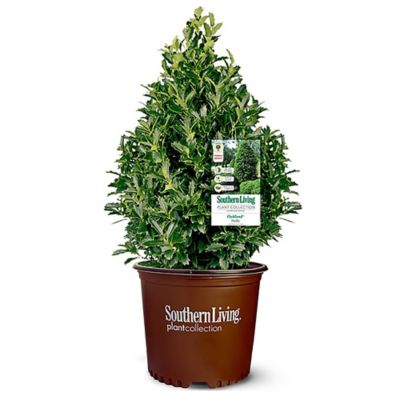
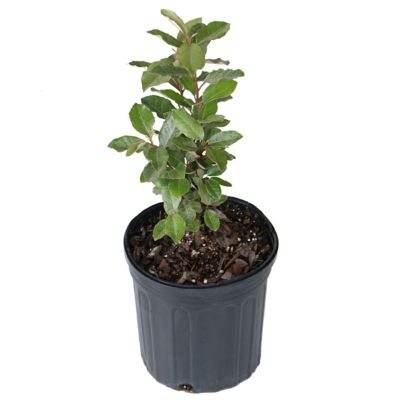
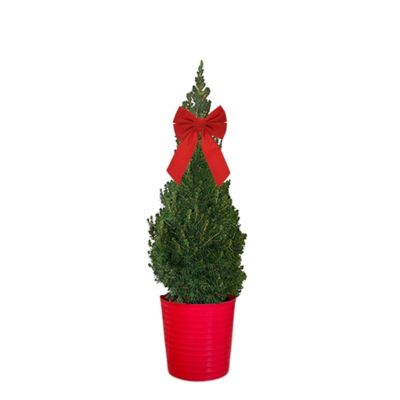
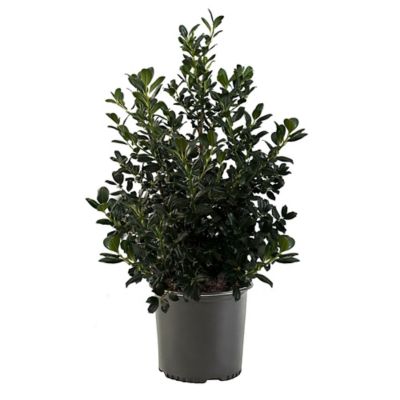
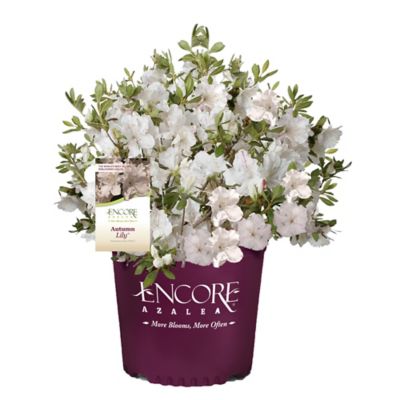
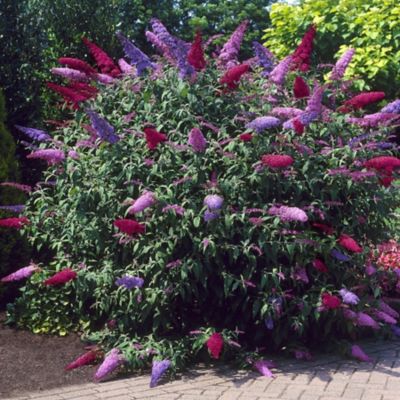
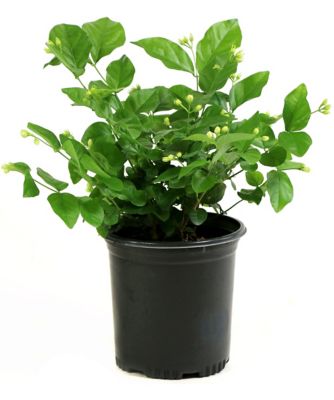
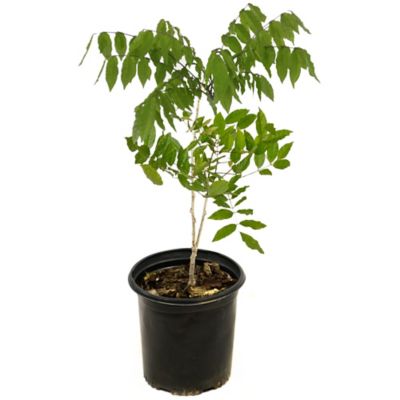
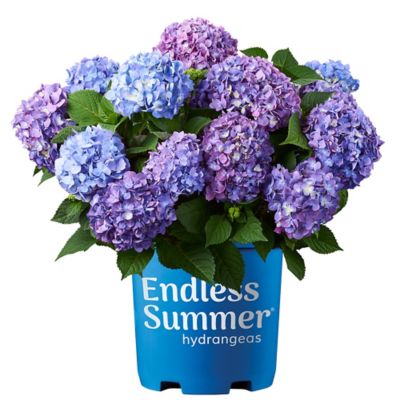
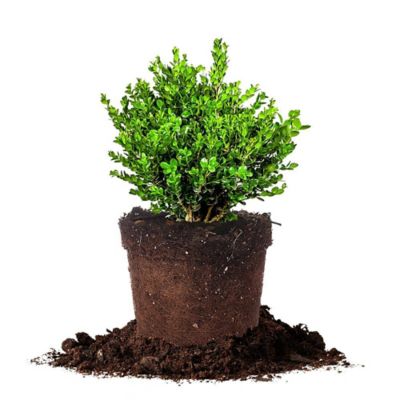
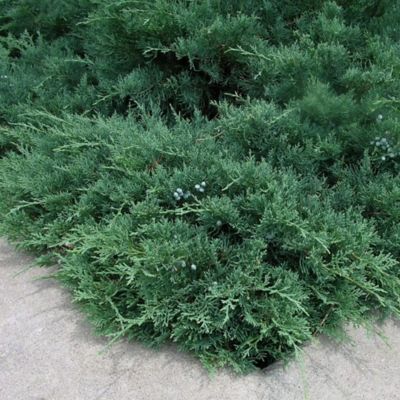
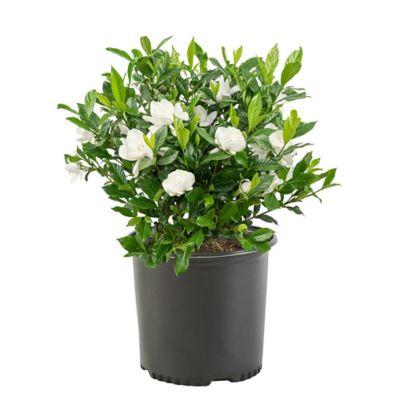
Low maintenance evergreen shrubs bring steady color and structure to a yard without asking for the kind of attention that flowering annuals or fast-growing hedges often need. Their foliage stays in place through the cooler months, helping foundation beds, walkways, fence lines and entry areas look finished even after nearby flowers have faded. Depending on the variety, these shrubs may grow as neat mounds, upright hedges, rounded borders or spreading ground covers. Compact hollies and other small-leaved evergreens work well along a porch or around a mailbox, while boxwood types are often chosen for tidy edging and low hedges. Low-growing junipers can fill a sunny slope or rocky spot where grass struggles, and many handle dry conditions once their roots are established. Evergreen shrubs are useful for homeowners who want a dependable landscape with less trimming, watering and pest care, as well as for landlords, rural property owners and anyone maintaining a large yard. They can also make a thoughtful housewarming gift for a gardener, especially when paired with a decorative pot, planting soil or a simple hand tool. Before choosing a plant, look at its mature height and width rather than the size of the young shrub in the container. A plant that looks small at the garden center can eventually press against siding, crowd a walkway or outgrow the space beneath a window. Measure the bed, account for the shrub’s full spread, and leave enough room for air movement and routine maintenance. Planting too tightly is one of the most common reasons an otherwise hardy evergreen becomes difficult to manage.
Light and climate are just as important as mature size. Most low maintenance evergreen shrubs perform best in full sun to partial shade, though the right balance depends on the variety. Full sun generally means at least six hours of direct light, while partial shade may come from a porch, mature tree or the north side of a building. A spot that receives morning sun and afternoon shade can be helpful in areas with hot summers, while dense shade may lead to thin growth and less attractive foliage. Check the plant label for its USDA hardiness zone and compare it with local growing conditions before purchasing. A shrub suited to your region is more likely to handle winter cold, summer heat and changing weather without extra protection. Soil drainage deserves a close look, too. Evergreen roots do not like sitting in water, particularly during cold or wet stretches, so avoid low spots where puddles linger. Heavy clay can often be improved with organic matter, while sandy soil may benefit from compost that helps hold moisture. Even drought-tolerant shrubs need regular watering during their first growing season as roots settle into the surrounding soil. Apply water slowly and deeply at the base instead of sprinkling the foliage, then allow the surface to dry somewhat between waterings according to the plant’s needs and local rainfall. Once established, many varieties can rely mostly on natural rain, although supplemental water may still be useful during extended dry spells or unusually warm weather. A layer of mulch helps hold soil moisture, moderate root temperatures and limit weeds; keep it a few inches away from the trunk or main stems to reduce the risk of rot.
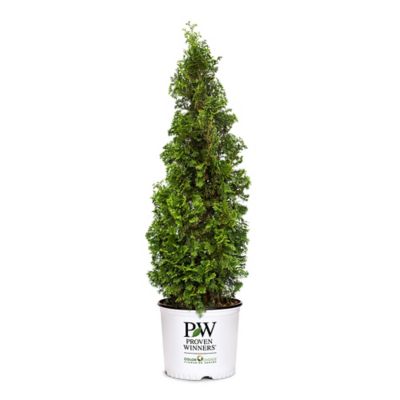
Use evergreen shrubs to create a practical backbone for the landscape, then add seasonal flowers, ornamental grasses or garden accents around them as your tastes change. A row of compact shrubs can soften the look of a driveway or define the edge of a pasture without the constant mowing required by turf. Mounded varieties fit naturally beside steps and along a front walk, where their year-round foliage gives visitors a clear sense of the entrance during the cooler months. Spreading evergreens are useful for slopes, retaining-wall edges and other areas where erosion or bare soil is a concern, while upright forms can add privacy without taking up as much ground space. If deer are common around your property, look for varieties noted for strong deer resistance, while remembering that no plant is completely browse-proof when food is scarce. Pruning needs are usually light, but young shrubs benefit from being allowed to develop their natural shape instead of being sheared repeatedly. Remove dead, damaged or crossing branches with clean, sharp pruners, and trim only as much as needed to maintain the desired size. Slow-growing shrubs may need little more than an occasional cleanup, whereas faster-growing types may require more frequent shaping. Evergreen foliage can also catch wind and snow, so shrubs planted near exposed fields or open driveways may need a little extra attention during severe weather. For larger landscape planning, compare these options with
Low Maintenance Trees to build layers of height and year-round interest. Whether you are filling a new bed, refreshing an older property or giving a gardener a living gift, choose evergreen shrubs that match the available light, soil, climate and space. With a suitable location and steady care while they get established, they can provide a good-looking, dependable foundation for the yard through changing seasons.