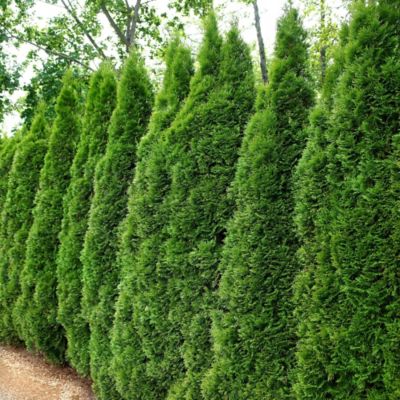
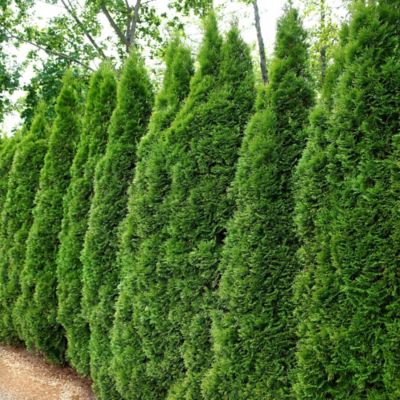
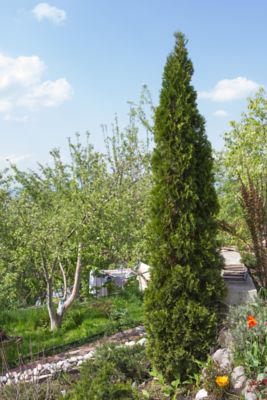
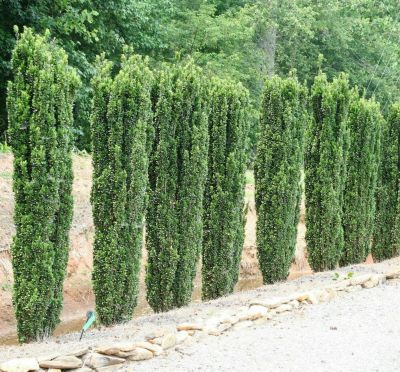
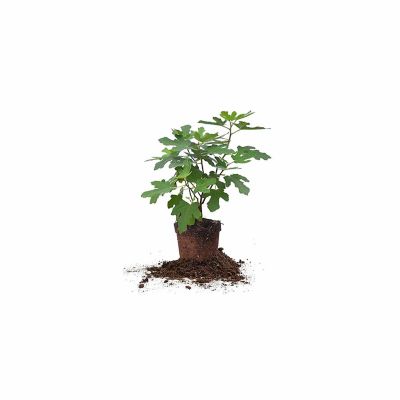
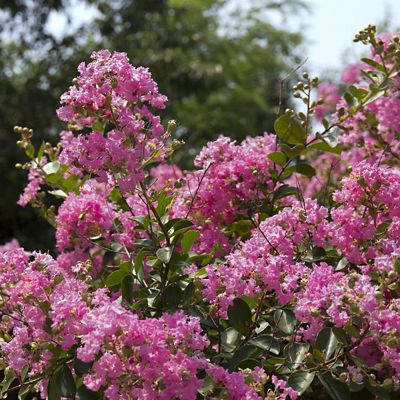
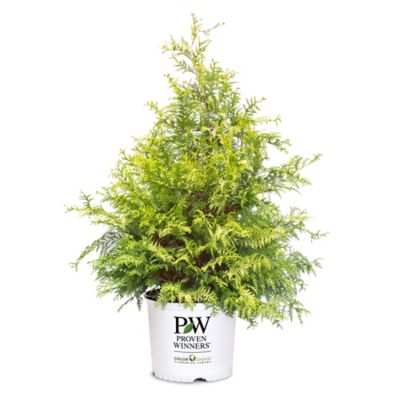
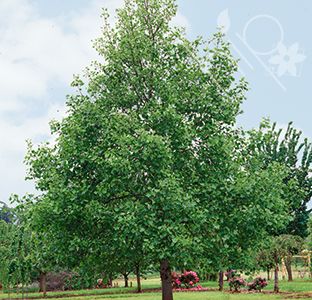
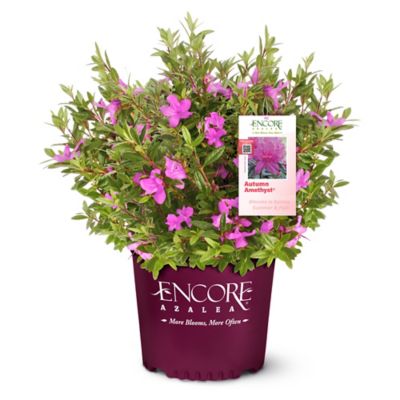
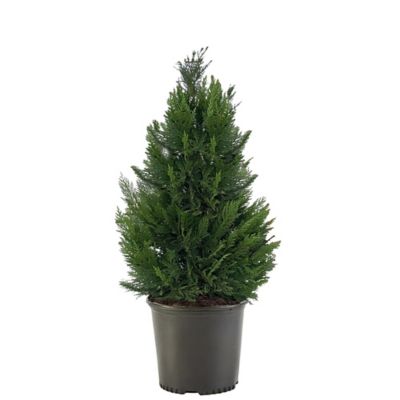
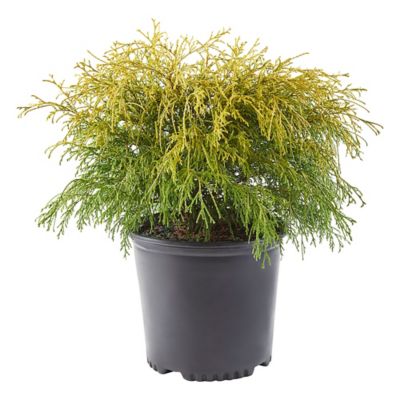
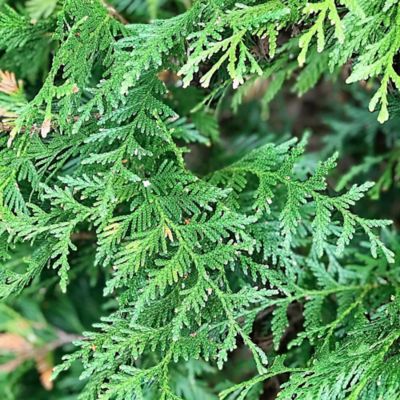
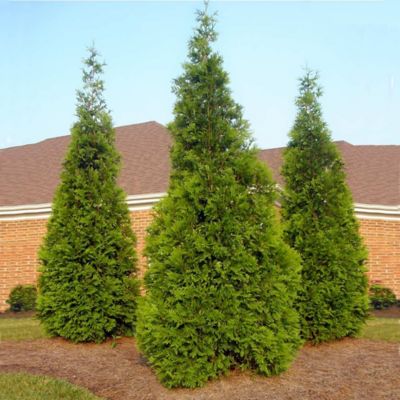
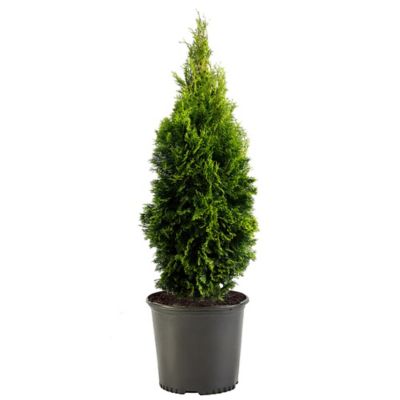
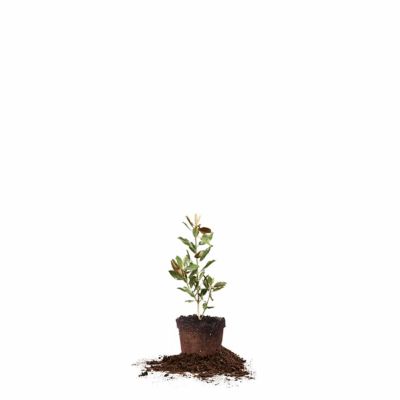
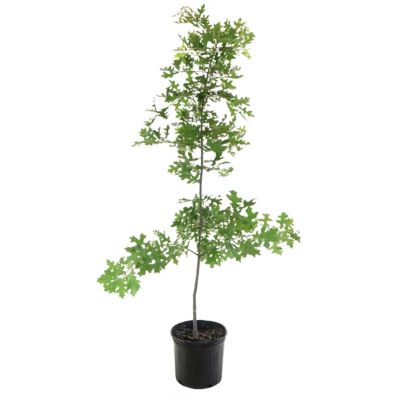
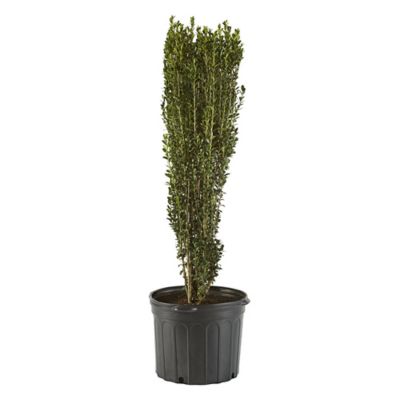
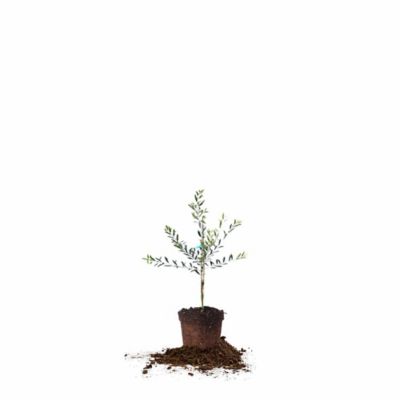
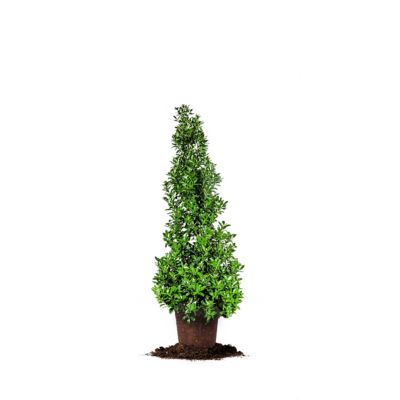
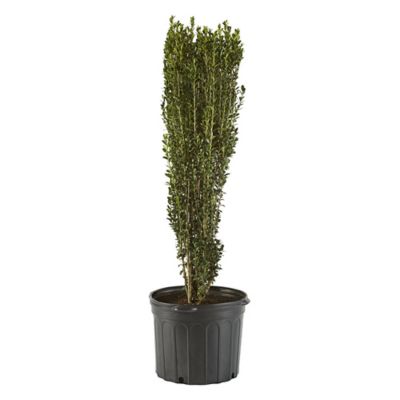
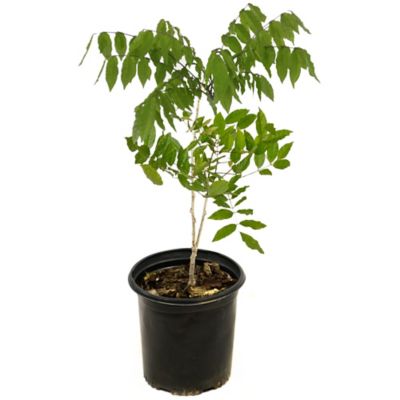
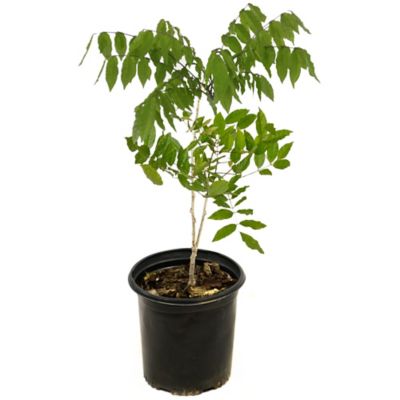
Low maintenance trees bring lasting character to a yard without turning every weekend into a pruning project. They can frame a driveway, soften the edge of a pasture, shade a sitting area or add privacy along a fence line while asking for far less fuss once they are established. The best choice depends on more than a tree’s appearance. Start by looking at the mature height and spread, then compare those measurements with the space available around buildings, overhead lines, septic systems, driveways and fences. A compact Japanese maple can fit nicely near a porch or garden path, with many types reaching roughly 10 to 25 feet and offering green, red or richly colored foliage. Crape myrtle is a strong choice for warm regions where long-lasting summer blooms and attractive bark are welcome, while eastern redbud brings bright pink-purple flowers and a manageable shape to many home landscapes. For year-round screening, a narrow evergreen such as emerald green arborvitae can grow about 8 to 12 feet tall and provide a tidy green wall without constant trimming. Italian cypress is another useful option when a tall, upright form is needed in a tight space, particularly where soil tends to dry out. Because hardiness and performance vary by location, check your growing zone and local conditions before planting, and choose a tree suited to the sunlight, moisture and winter weather your yard naturally provides.
Low maintenance does not mean completely maintenance-free, especially during the first growing season. A young tree needs a good start: loosened soil, a planting hole wider than the root ball, thorough watering and a layer of mulch spread around the root zone without touching the trunk. During hot or dry stretches, slow, deep watering is generally more helpful than a quick splash at the surface. Keep an eye on drainage as well; a tree that tolerates dry soil may struggle if its roots sit in standing water. As the weather warms and growth picks up, inspect branches for rubbing or crossing limbs and remove only what is necessary with clean, sharp tools. During the cooler months, take a closer look at the tree’s structure and clear away damaged growth, but avoid heavy pruning unless the variety and local growing guidance call for it. Choosing a tree with a naturally neat shape is one of the simplest ways to reduce future work. A narrow evergreen can help mark a property boundary, a flowering tree can anchor a lawn without demanding a formal hedge, and a slower-growing shade tree may be easier to manage near a home than one that quickly outgrows its space. Pair trees with compatible plantings, including
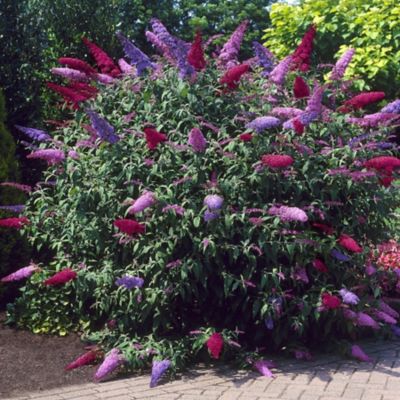
Low Maintenance Flowering Shrubs, to create a layered landscape that looks full while relying on sensible, occasional care.
Low maintenance trees also make thoughtful gifts for new homeowners, newlyweds, grandparents, or anyone settling into a place they hope to enjoy for years. A flowering tree planted near the front walk can become part of a family’s routine, greeting visitors with spring color and giving children a shady place to watch birds as they grow. An evergreen screen can help a rural home feel more private, block a plain view of a shed or driveway, or give a livestock area a softer backdrop without the upkeep of a clipped hedge. Before giving or planting a tree, consider the recipient’s property size, climate, watering habits and plans for the yard. A small ornamental tree may suit a town lot, while a row of upright evergreens may work better on a larger parcel. Trees purchased for planting should be handled gently, planted at the proper depth and protected from mower or trimmer damage around the trunk. A simple support stake may help in a windy location, but it should not remain tight against the trunk as the tree grows. With the right match and a little attention early on, these trees can settle in and become dependable parts of the landscape—offering foliage, flowers, shelter and privacy through changing seasons without demanding constant hands-on work.