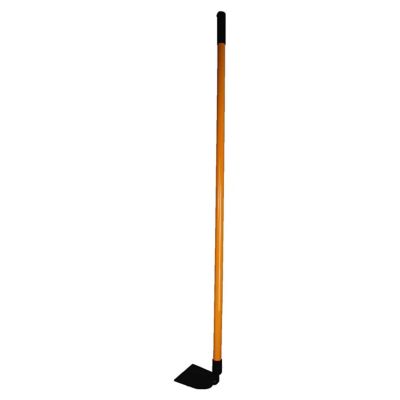
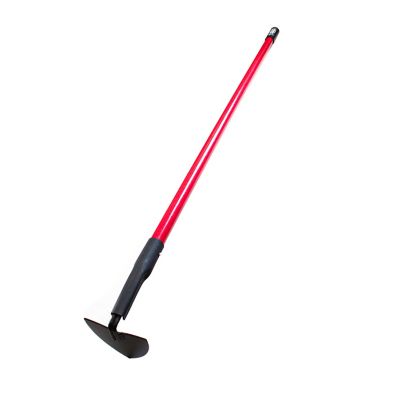
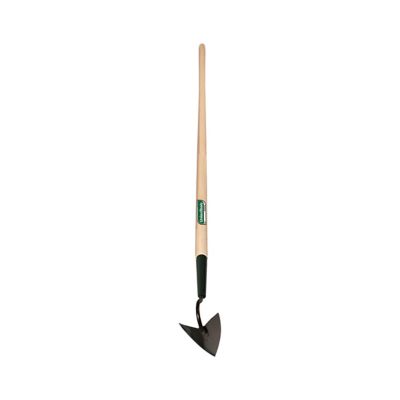
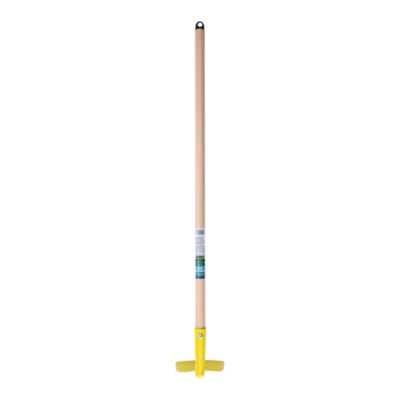
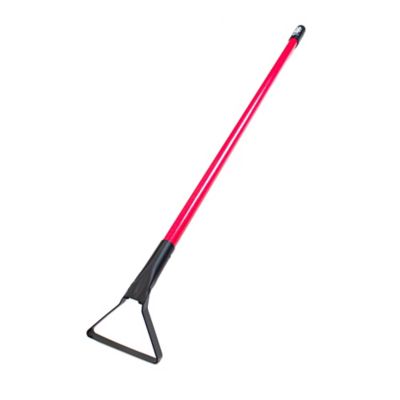
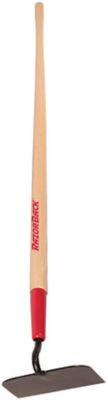
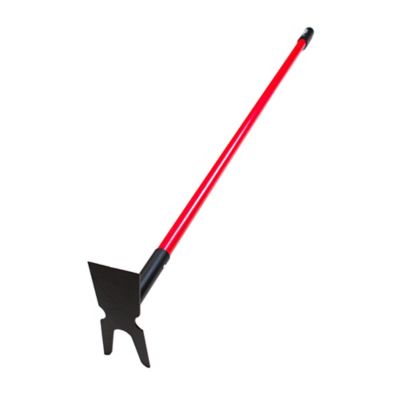
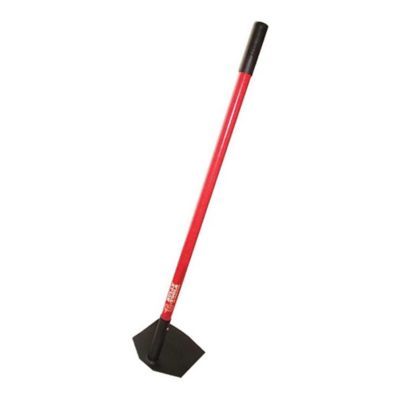
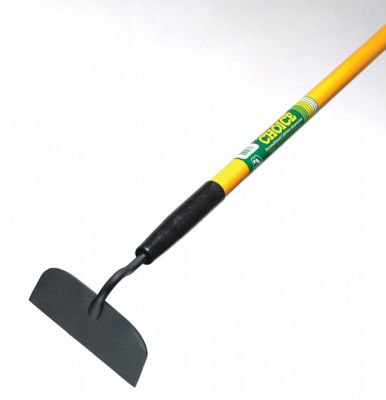
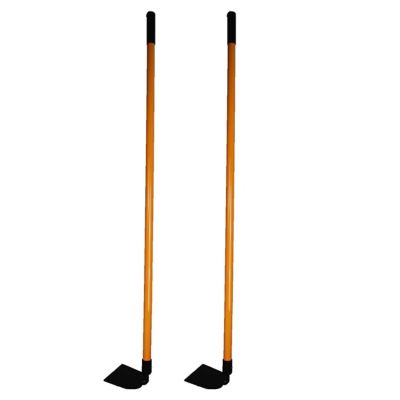
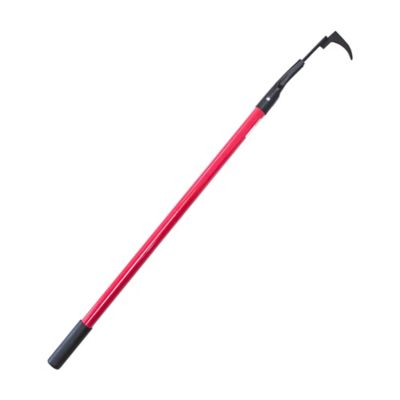
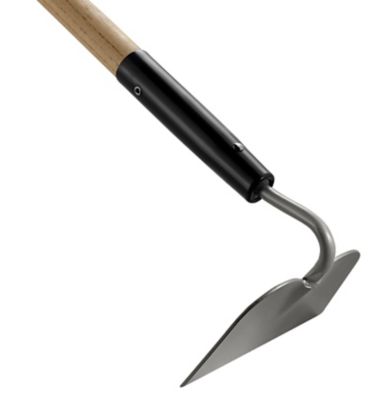
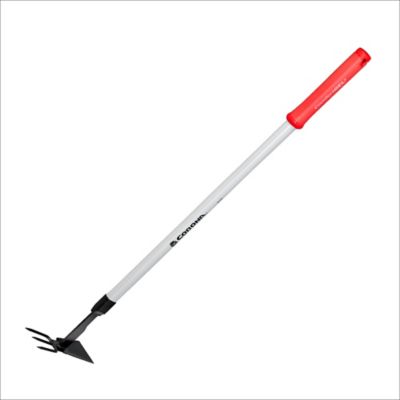
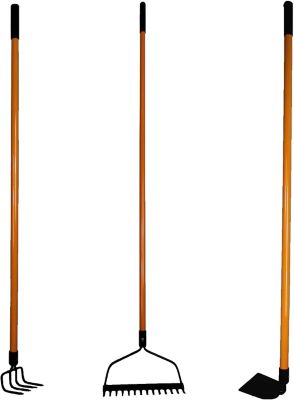
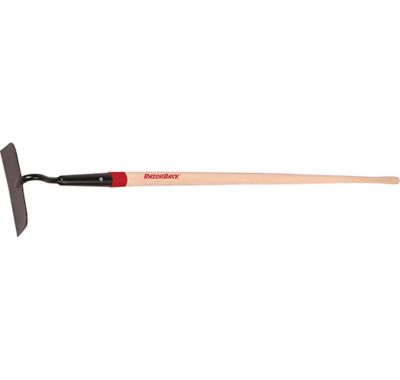
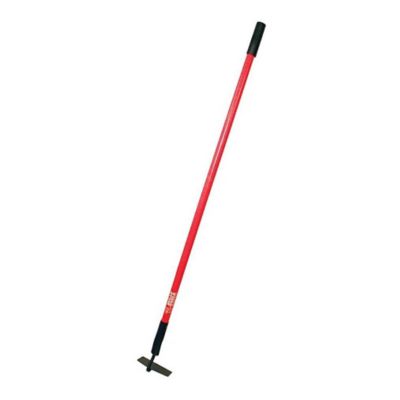
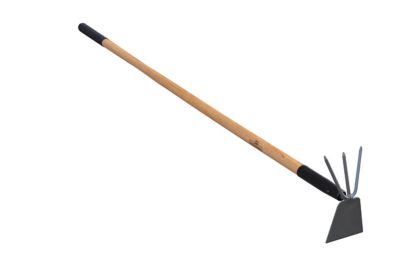
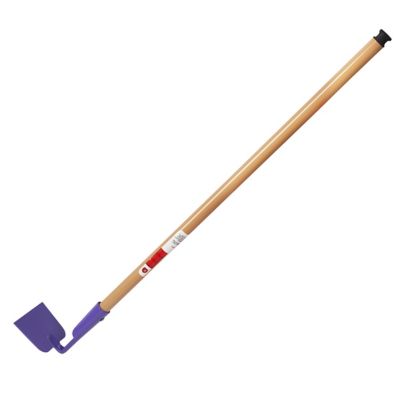
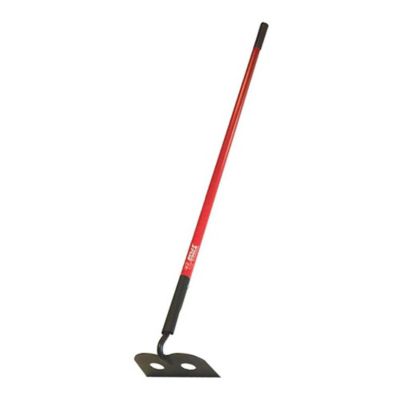
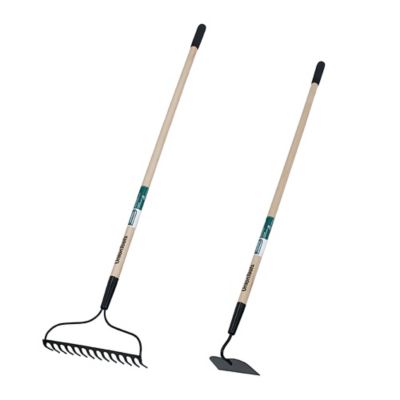
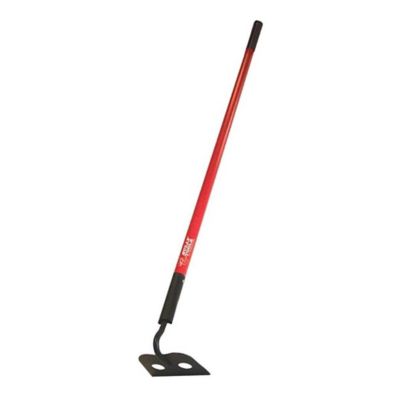
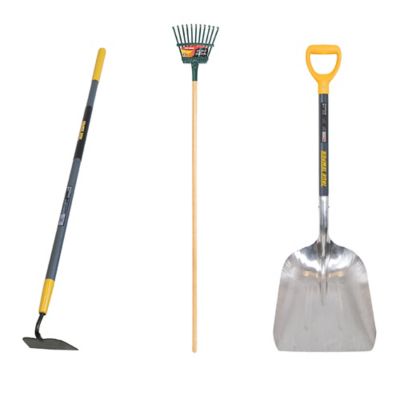
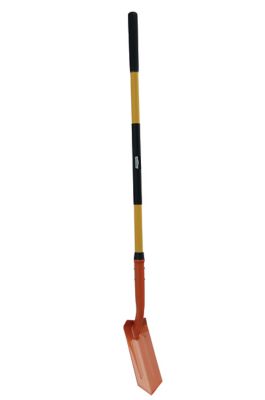
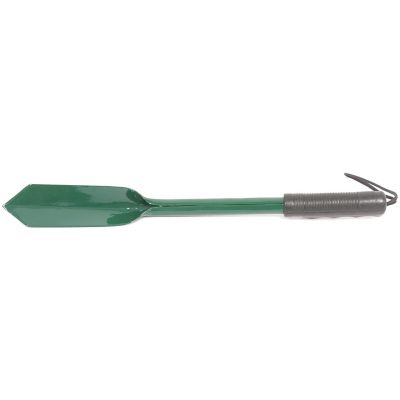
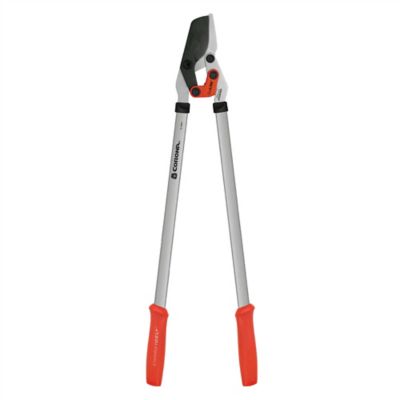
Long handle garden hoes bring extra reach to everyday weeding, shallow cultivation, and row shaping, letting gardeners work from a more upright position than a short hand tool allows. A hoe’s blade cuts or scrapes through the upper layer of soil, separating small weeds from their roots and moving loose earth where it belongs. That makes these tools a practical fit for backyard vegetable patches, roomy garden plots, flower beds, and planting rows around a homestead. The head shape makes a real difference in how the tool works. A flat-bladed draw hoe moves soil toward the gardener with a pulling stroke and handles jobs such as cutting young weeds, opening shallow planting furrows, and pulling loose soil around the base of crops that benefit from hilling. A stirrup hoe, also called a loop or scuffle hoe, slices just beneath the surface; many designs cut on both the push and pull strokes. That motion works well between established rows where the goal is to interrupt weed growth without moving much soil. Narrow or pointed heads offer more precise access for working around closely spaced plants, while wider blades cover open stretches with fewer passes. Picture a row of beans with tiny weeds coming up between the plants: a shallow-cutting head can clear those spaces without turning over the whole bed. For a planting row that needs its edges pulled back into shape, a draw hoe offers more control over the direction the soil moves. These differences matter more than choosing the biggest blade. Long handle garden hoes are primarily surface-working tools, not substitutes for a shovel in deep digging or a mattock in hard, root-filled ground. Matching the head to the task keeps the work manageable and helps protect nearby plants. Gardeners tending food plots, maintaining family vegetable gardens, or keeping paths between beds clear can all benefit from a hoe suited to the space and the soil.
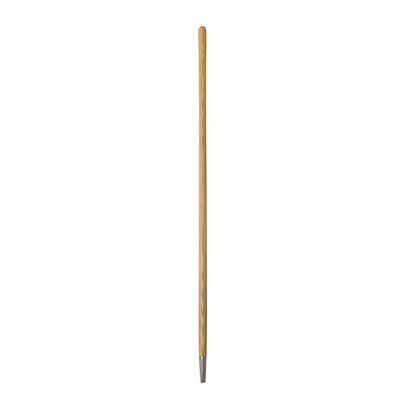
Handle length, weight, and balance determine how a garden hoe feels after several rows, not just during the first few strokes. A longer shaft can help taller gardeners reach the ground without as much bending, and it can extend access into a bed from a path. More length is not automatically better, though. An overly long handle can feel awkward beside fencing or in tight planting spaces, while a short handle may encourage a gardener to lean forward throughout the job. The best fit allows a relaxed stance, a comfortable two-handed grip, and a blade angle that meets the soil without forcing the wrists into an awkward position. Pay attention to whether a listed measurement describes the handle alone or the overall tool length, since those figures are not interchangeable. Hardwood handles offer a familiar feel and some natural flex, with the smoothness of the finish and the grain around the head connection worth a close look. Fiberglass handles resist splintering from wood grain and do not absorb moisture like bare wood, though their grip texture and weight vary by design. Cushioned grip sections can make handling more comfortable, but the grip diameter should still feel manageable with work gloves on. Steel heads provide the strength needed for routine chopping and scraping, with carbon steel and heat-treated steel common choices for cutting edges. Protective coatings help shield covered surfaces from corrosion, while exposed edges still need attention after contact with damp soil. The connection between the blade and handle deserves just as much consideration as either material. A snug socket, secure fasteners, and a well-supported head help keep the tool steady through repeated strokes. A heavier head may supply more momentum for light chopping, but it can also tire the arms during extended weeding. For someone who mainly clears small weeds along long rows, a lighter, well-balanced hoe may feel better than a heavier tool intended for more forceful work.
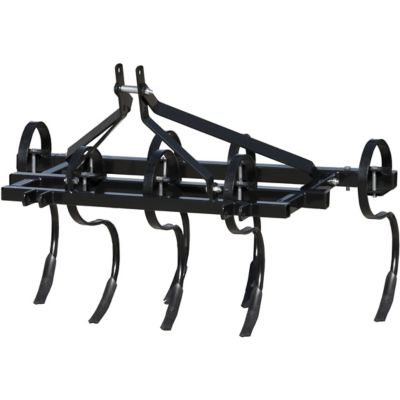
Good results also depend on the condition of the ground and the kind of growth being cleared. Small weeds in loose, workable soil usually respond to shallow strokes, while established weeds with thick roots may need a different tool or follow-up removal. Repeatedly chopping at a large root with a light garden hoe can strain the head connection without accomplishing much. Around vegetables and flowers, controlled movements help keep the blade away from stems and shallow crop roots. Reaching farther into a bed can reduce the need to step on planting soil, but stretching beyond a comfortable stance makes blade control harder. A long handle is helpful reach, not a reason to overextend. Where the main job is loosening crusted soil or working between plants with several narrow tines rather than a cutting blade,
Long Handled Cultivators offer a different approach to shallow soil work. A hoe and a cultivator can serve different roles in the same garden, especially where row spacing and soil texture vary from one bed to another. After the work is done, brushing off packed dirt and drying the head help limit rust. A light protective oil on bare steel may be appropriate when recommended by the tool maker, and wood handles benefit from an occasional check for rough spots, cracks, or a loosening fit. Any sharpening should follow the blade’s original bevel and the manufacturer’s directions; not every head needs the same edge treatment. Store the hoe securely off the ground with its blade out of walkways, and avoid leaving the handle exposed to prolonged moisture or direct sunlight. Those small habits support a longer service life and make the next round of garden work easier to start. For a practical gift, a long handle garden hoe makes sense for a vegetable gardener or someone settling into a place with room to grow, provided its reach, weight, and blade style match the person and the work ahead.