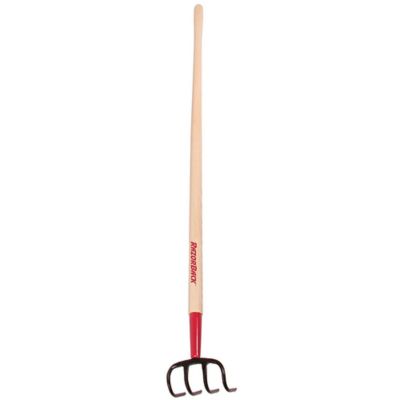
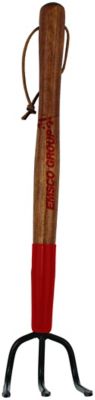
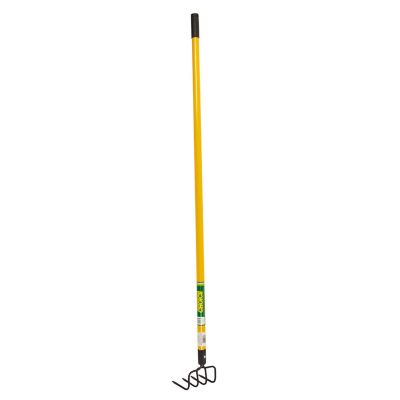
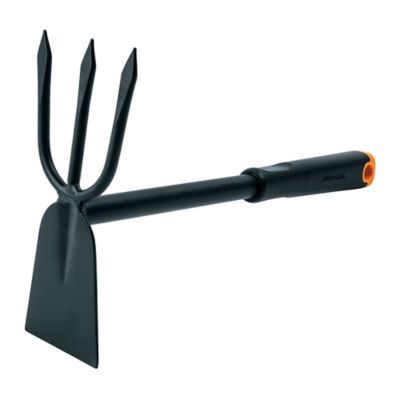
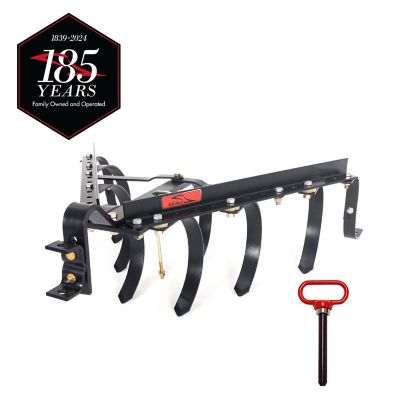
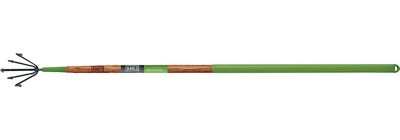
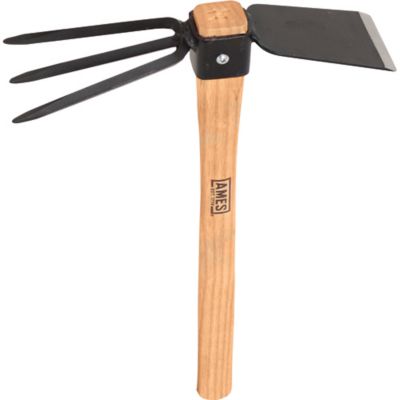
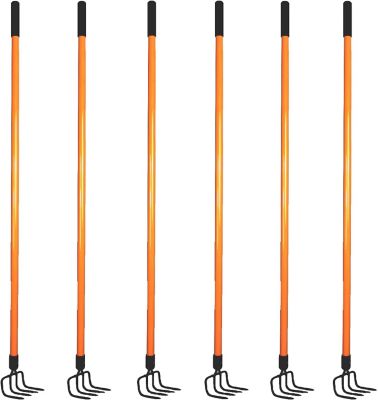
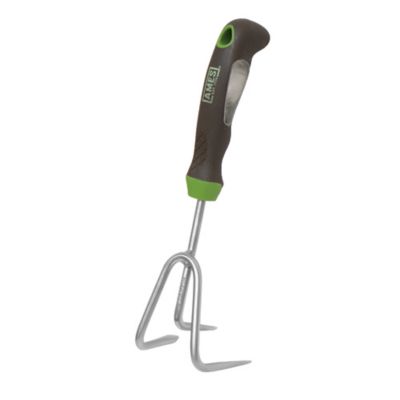
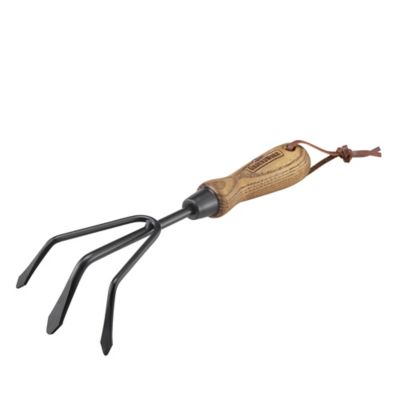
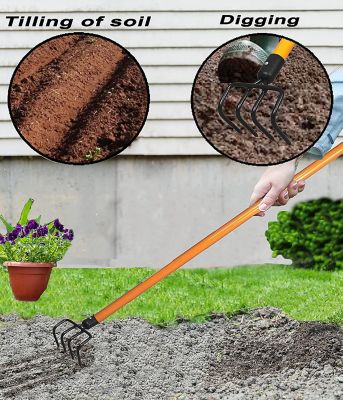
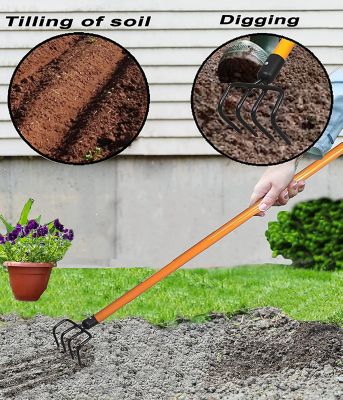
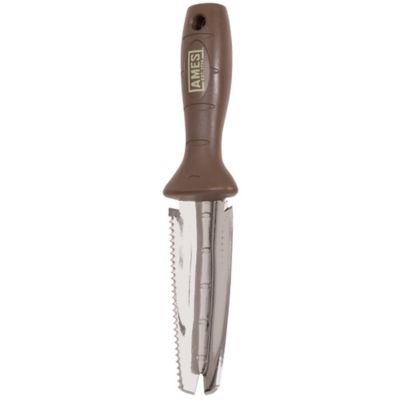
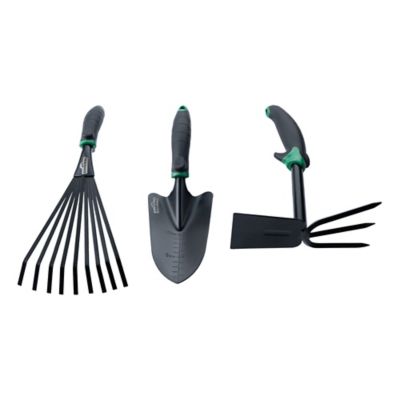
Garden cultivation tools help prepare planting areas, loosen surface soil, manage weeds and keep the ground around growing plants workable. The main types include hand cultivators, garden hoes, digging forks, spades, trowels and soil rakes, with each shape suited to a different part of the job. A hand cultivator has a small set of curved tines that scratch through the soil between plants, while a hoe works across a wider stretch of ground to cut weeds or shape rows. Digging forks reach deeper to lift and loosen soil, and spades cut defined edges or open planting spaces. Trowels handle smaller holes and close work around transplants. A soil rake breaks apart loose clods and levels the surface after digging. Together, these tool categories cover everything from tending a few containers beside the back steps to working a sizable garden behind the house. The right match depends less on the size of the tool collection than on the ground and the work ahead. Narrow heads fit between closely spaced plants, while wider heads cover open beds with fewer passes. Stout tines suit heavier digging better than thin teeth intended for light surface work. For ground threaded with established roots, a smaller working head offers more control than a broad blade swung through the row. Cultivation also differs from pruning and watering: its main focus is the soil and unwanted growth at ground level, rather than trimming stems or delivering moisture. That distinction helps keep a garden setup practical, with tools chosen for tasks that come up repeatedly. A flower grower may need close control around crowded stems, while someone tending long vegetable rows may value reach and a comfortable standing position. Gardeners working food plots near the house can also explore
vegetable garden tools for related tasks around edible crops. Whether the planting space holds beans, flowers or kitchen herbs, a well-matched cultivation tool helps put effort where it belongs without disturbing more ground than necessary.
Materials, construction and fit make a noticeable difference once a tool meets resistance. Steel heads bring strength to digging, chopping and prying within the tool’s intended limits. Carbon steel can hold a working edge well, but it benefits from cleaning, drying and protection against rust. Stainless steel resists corrosion, though performance still depends on the shape, thickness and construction of the head. Aluminum keeps some smaller tools light and easy to carry, but it is generally better suited to loose soil than forceful work in hard ground. A firmly seated head and a sound connection to the handle matter just as much as the metal itself. On hand tools, a tang that extends into the handle helps transfer force; on long-handled tools, the socket and its fastening deserve a close look. Wood handles offer a familiar feel and may be replaceable, depending on the design. Fiberglass handles resist moisture and bring a different balance, while metal handles can add strength along with weight. Grip shape matters during repetitive work, especially when hands are gloved or the task calls for twisting and pulling. A thick grip may feel comfortable in a larger hand but tiring in a smaller one. Cushioned surfaces can soften contact, although grip security and wrist position remain important. Handle length affects posture, reach and leverage rather than simply making a tool larger or smaller. A long handle can reduce bending in an open bed, while a short handle gives closer control from a seated or kneeling position beside a raised bed. D-shaped grips offer a firm handhold for lifting and turning, but their opening needs enough room for a comfortable grasp. Weight is another trade-off: a heavier head may help a hoe bite into the surface, yet feel cumbersome when carried from bed to bed. Good fit is the combination that lets the gardener control the working end without an awkward reach or a strained wrist.
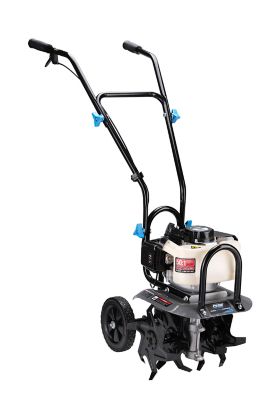
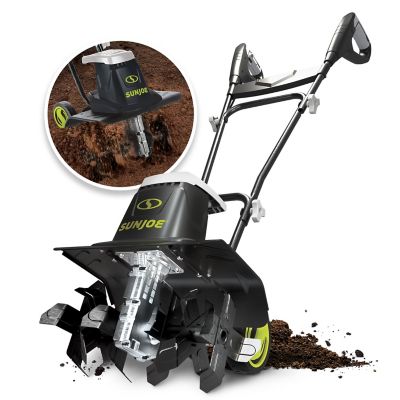
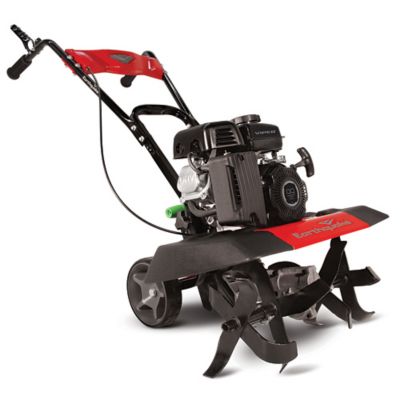
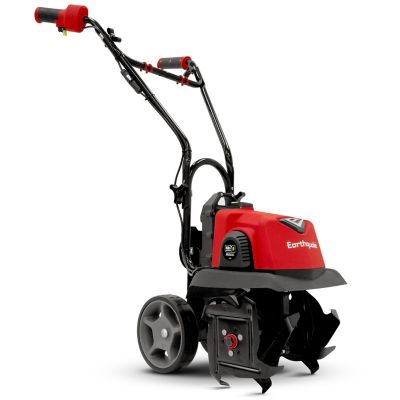
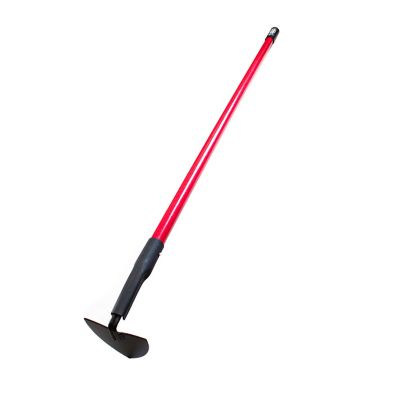
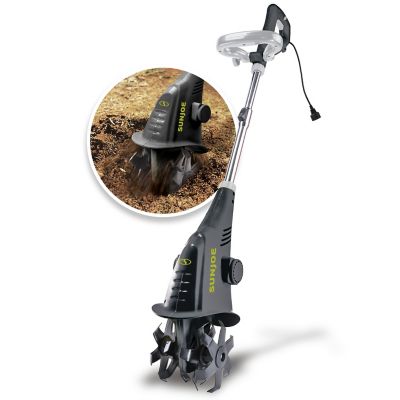
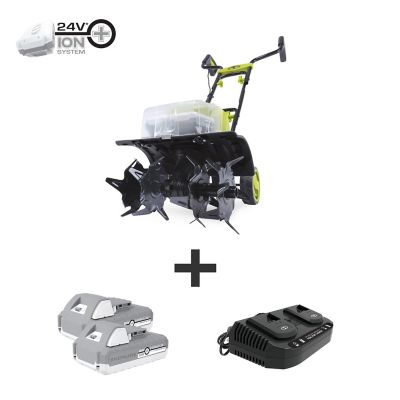
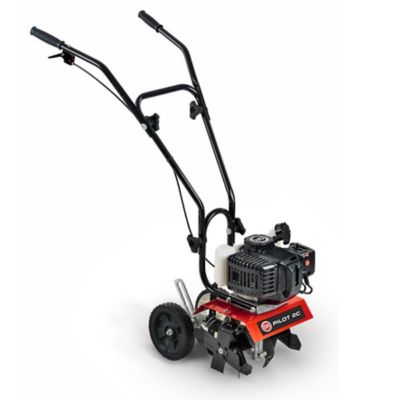
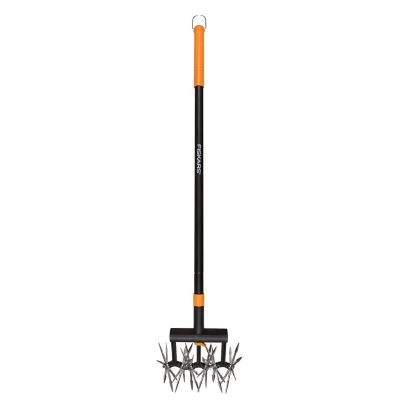
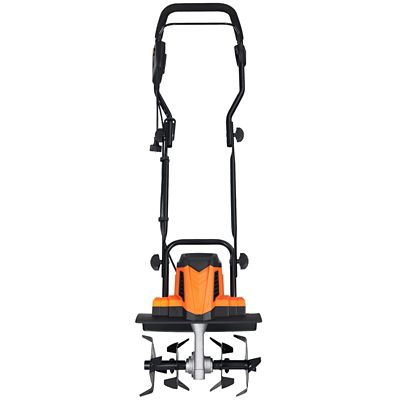
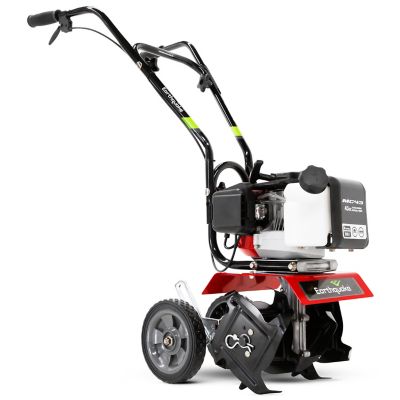
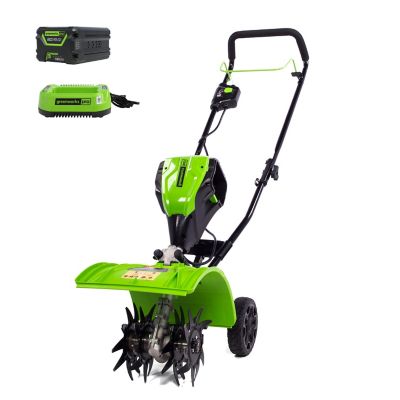
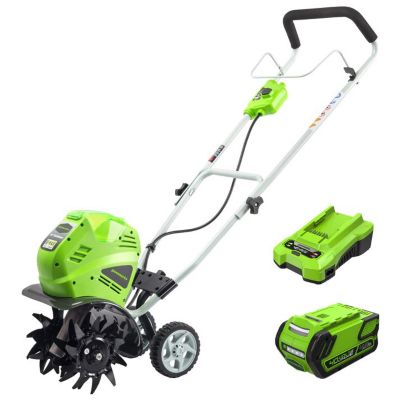
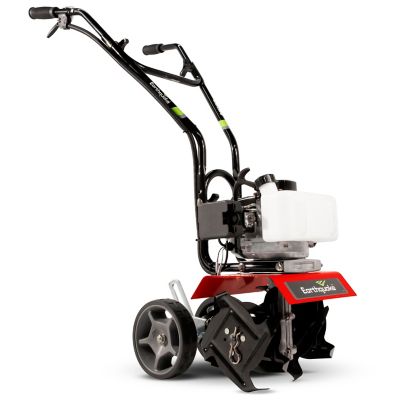
Intended use is especially important when choosing among tools that look similar on a rack. A digging fork has substantial tines for lifting soil, unlike a lighter fork meant to move loose material. A bow rake works loose earth with firm teeth and a rigid head, while a flexible leaf rake handles gathering work rather than breaking clods. Hoe designs vary, too. A broad chopping blade suits clearing open patches and drawing soil into rows; a stirrup-style head cuts small weeds near the surface with a back-and-forth motion. Neither takes the place of a digging tool when deeper preparation is needed. In an established bed, shallow cultivation can interrupt young weeds without bringing large amounts of buried seed to the surface. Deep or repeated disturbance close to plants can damage feeder roots, so working depth deserves as much attention as blade width. Picture the difference between scratching a narrow strip beside a row of onions and opening an untouched patch of ground: the first calls for restraint and precision, while the second may call for stronger construction and more leverage. For larger spaces, powered cultivators may reduce repetitive hand work in previously worked soil, but their working width, depth controls, weight and power requirements need to fit the site. They are not interchangeable with heavier equipment intended to break new ground. Across both hand and powered categories, care helps preserve function and service life. Soil packed into sockets or around moving parts can hide wear, and damp residue left on metal encourages corrosion. Cleaning away dirt, drying surfaces and storing tools securely keeps working parts easier to inspect. Cutting edges benefit from maintenance appropriate to their design, and cracked handles or loose heads need attention before another job. For someone setting up a first garden, a few well-matched tool types can be more useful than overlapping functions. For a gardener receiving a gift, familiar handle lengths, comfortable grips and the kind of beds they tend provide sensible starting points. The best fit is equipment that earns its place through everyday work, from opening a planting hole to leaving a row neat enough for the next pass.