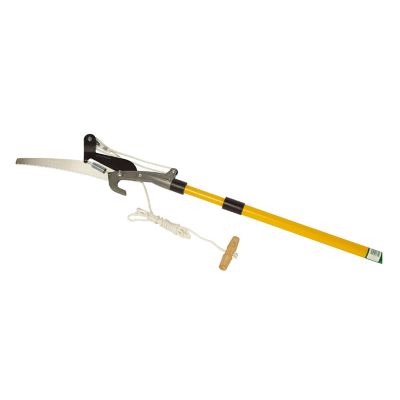
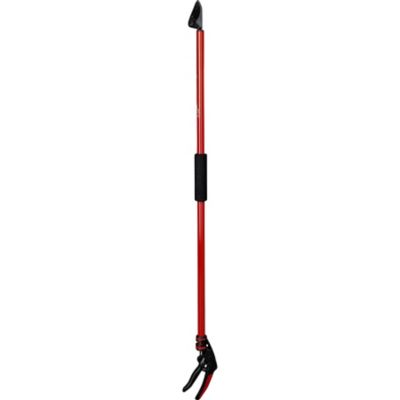
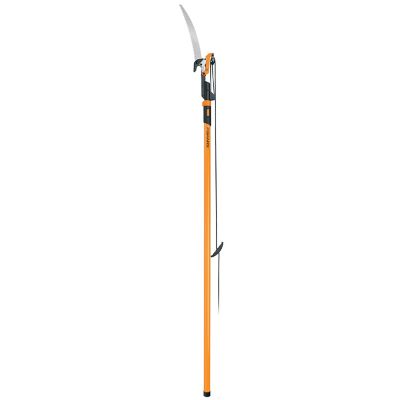
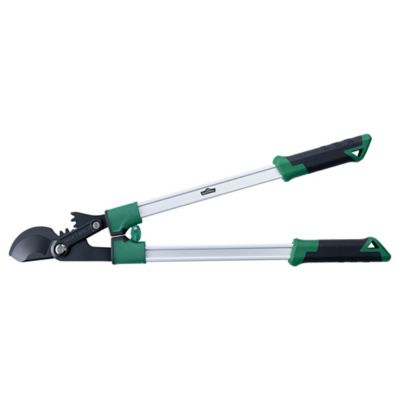
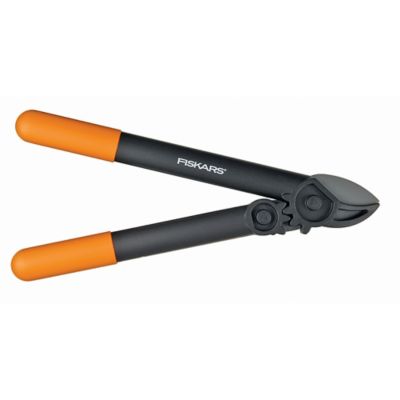
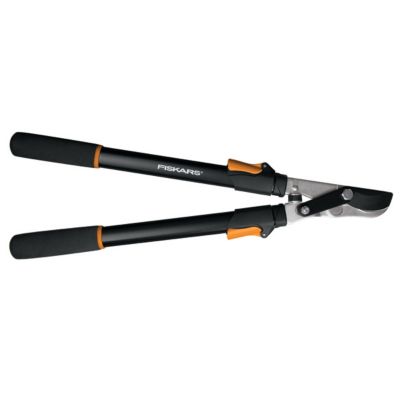
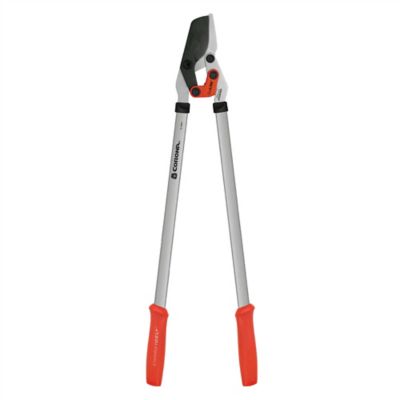
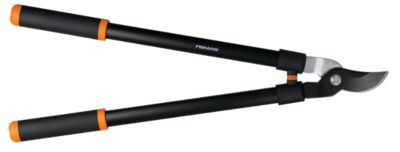
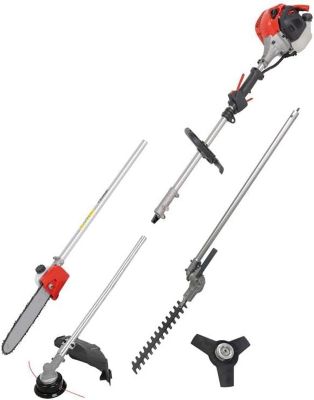
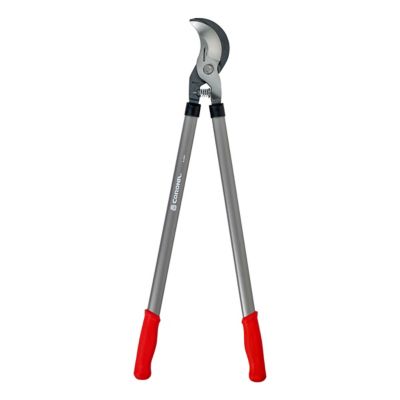
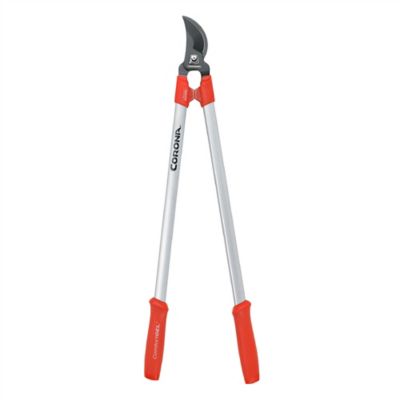
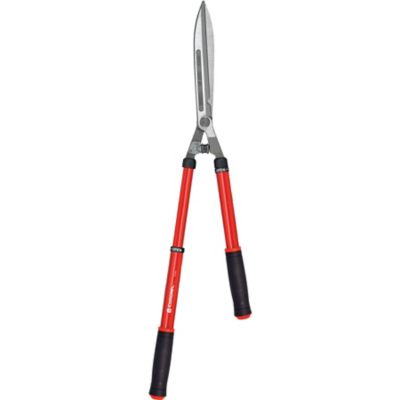
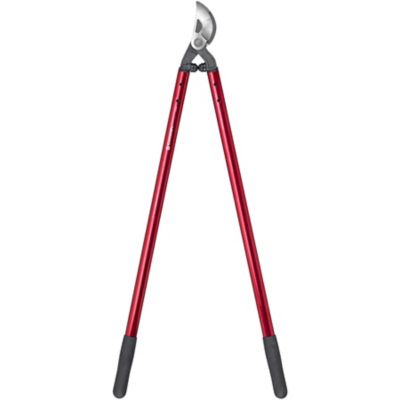
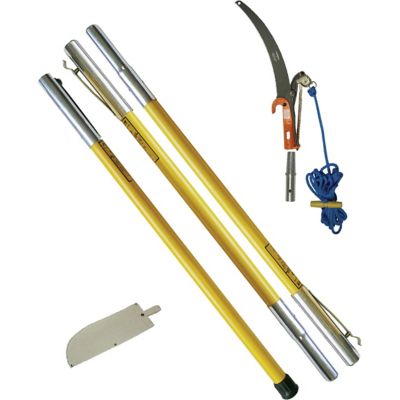
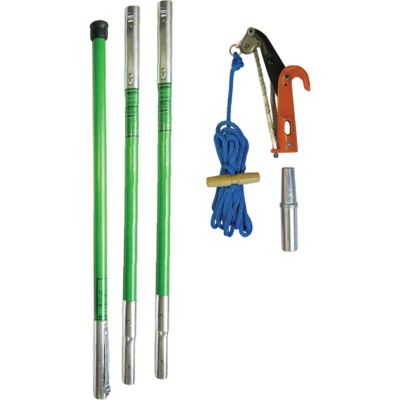
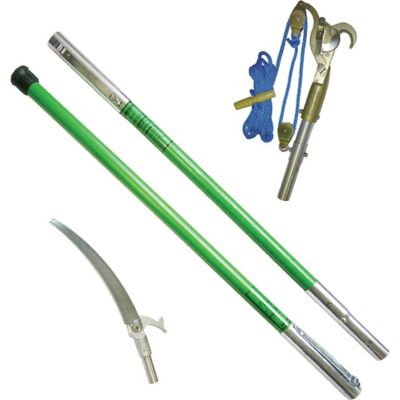
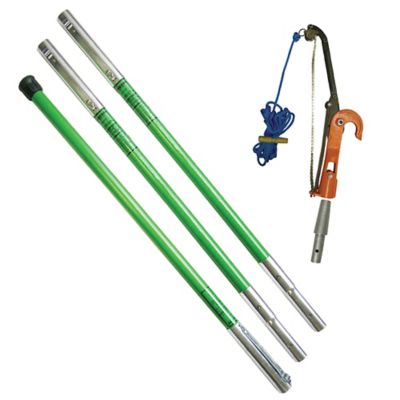
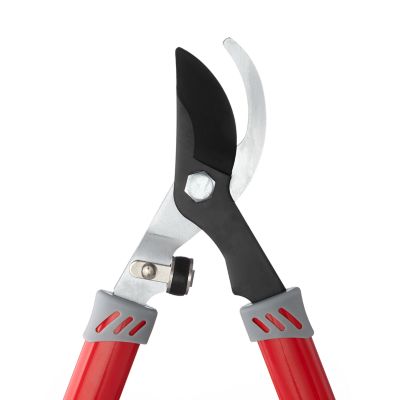
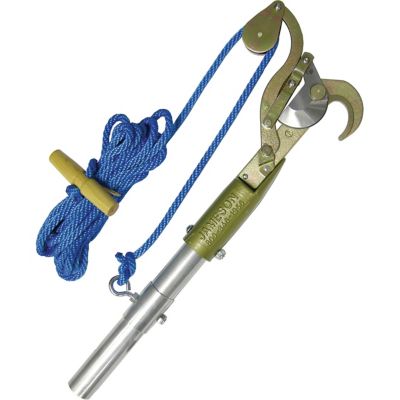
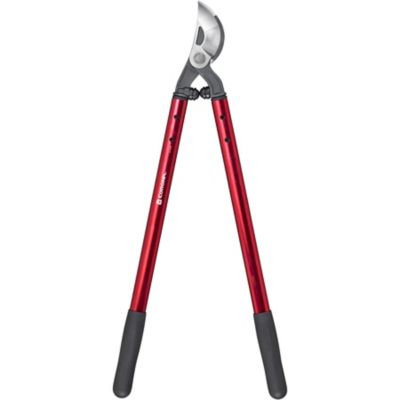
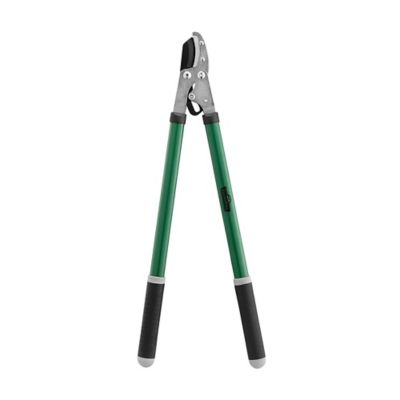
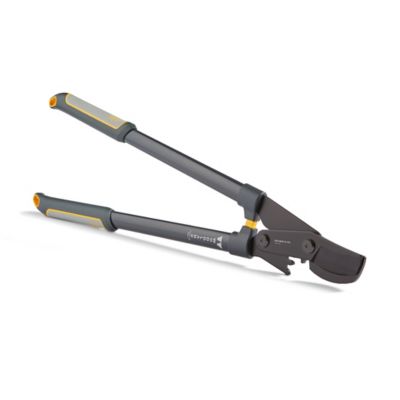
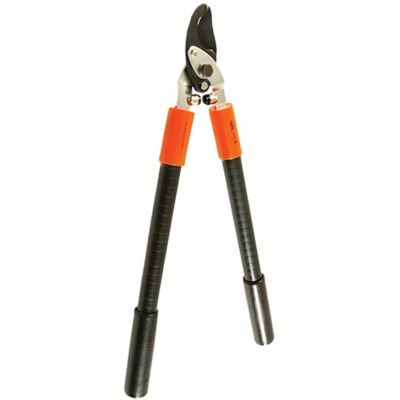
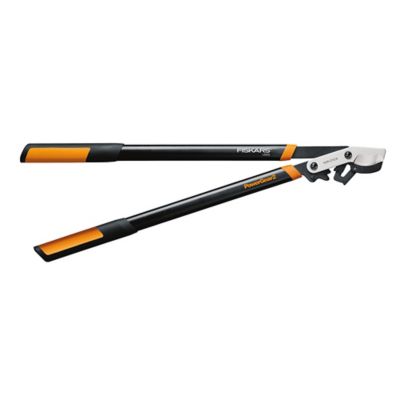
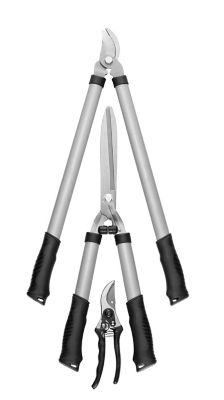
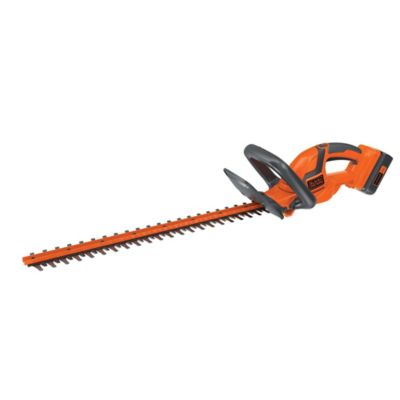
Long handle pruning shears make it easier to keep trees, shrubs, vines, and other woody plants in shape without reaching, stretching, or climbing for every cut. The extended handles give you added leverage and reach, making them a handy choice for trimming higher branches and thicker growth from the ground. They can help tidy up overgrown lilacs, rose bushes, fruit trees, hedges, grapevines, and ornamental shrubs around the house, barn, garden, or fence line. For many folks, the biggest advantage is being able to work with both feet planted firmly on the ground. That extra stability matters when the soil is soft, the grass is slick, or a branch is sitting above shoulder height. When comparing long handle pruning shears, pay attention to the overall reach, handle shape, grip comfort, weight, and cutting capacity. A tool that feels manageable in the store may feel considerably heavier after an hour of clearing growth, especially when it is held overhead. Lightweight construction can reduce fatigue, while sturdy handles and a solid pivot help the shears hold up through repeated use. Look for comfortable grips that stay secure in gloved hands and a handle length that matches the plants you regularly maintain. A locking feature can help keep the blades closed during storage, and a clean, sharp cutting edge generally makes pruning smoother than forcing dull blades through branches. It is also helpful to consider the types of wood in your yard. Small, green stems may cut easily, while older, dry, or unusually thick branches can require a different tool made for heavier work. Staying within the intended cutting capacity helps protect the shears and keeps the job from turning into a wrestling match with a stubborn limb.
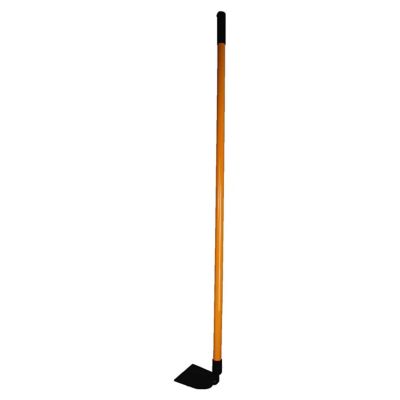
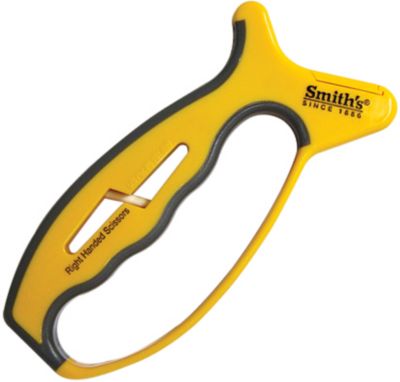
These shears are useful for homeowners, gardeners, orchard keepers, property managers, and anyone who spends time caring for trees or brush. They can be especially helpful on larger rural properties where a few overgrown branches can quickly become a nuisance along a driveway, pasture edge, garden row, or outbuilding. A long reach also comes in handy for trimming dead growth away from walkways and clearing low-hanging limbs that brush against equipment, trailers, or livestock areas. During the cooler months, many plants naturally slow down, and it can be easier to see the shape of bare branches and identify damaged, dead, or crossing growth. Light cleanup during that season can help keep paths open and make the yard look neater without disturbing the lively growth that appears when the weather warms. Always take a moment to inspect the area before cutting. Check for hidden wire, fencing, bird nests, utility lines, and branches that may shift once the weight is removed. Make deliberate cuts rather than twisting the handles, and keep your hands, feet, and other people clear of the drop zone. Safety glasses, sturdy footwear, and gloves are sensible choices, particularly when dry twigs snap back or thorny branches are involved. After use, brush away sap and plant debris, wipe the blades dry, and follow the care instructions for the tool. A small amount of proper maintenance can prevent rust, preserve smooth movement, and make the next pruning job much less frustrating. If you are also clearing ground-level weeds, roots, or compacted soil around beds,
Long Handle Garden Hoes can complement a pruning setup by giving you extra reach for work closer to the ground.
Long handle pruning shears can make a practical gift for a new homeowner, a backyard gardener, a parent who enjoys tending fruit trees, or a neighbor who is always cleaning up the hedgerow. They are the kind of useful present that may spend a little time leaning in a shed corner, then become a regular part of yard work once the first overgrown branch catches someone’s eye. Before choosing a pair, think about who will use them and where they will be stored. Someone with a small yard may prefer a lighter, more compact option, while a person caring for mature trees or a large homestead may appreciate extra reach, stronger construction, and handles that remain comfortable through bigger jobs. Storage is worth considering as well; keeping the shears in a dry shed, garage, or tool area helps protect the cutting surfaces and moving parts from moisture. Avoid leaving them in wet grass, exposed to rain, or tossed beneath loose tools where the blades can be damaged. It is also wise to have a clear plan for the cut branches before starting, whether that means stacking them for a brush pile, feeding suitable trimmings into a chipper, or hauling them away from the work area. With the right reach and a comfortable grip, these shears can turn a tangled corner of the property into a cleaner, more open space while saving time and strain. From shaping shrubs near the porch to removing dead limbs along a country lane, they are a dependable addition to a well-used collection of yard and farm tools.