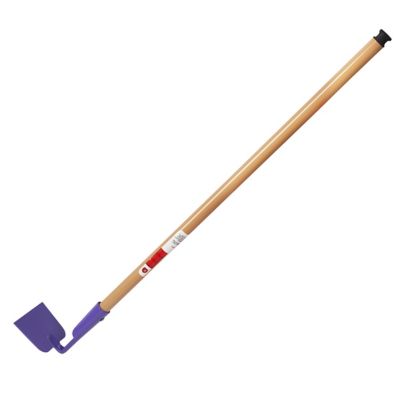
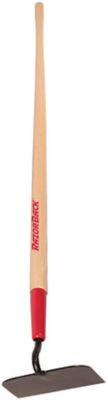
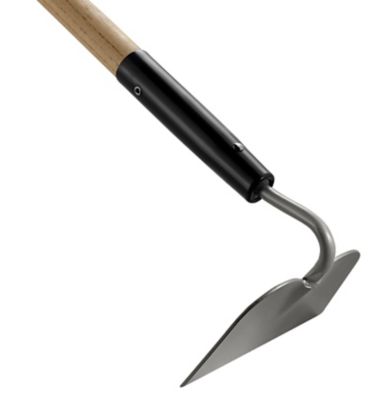
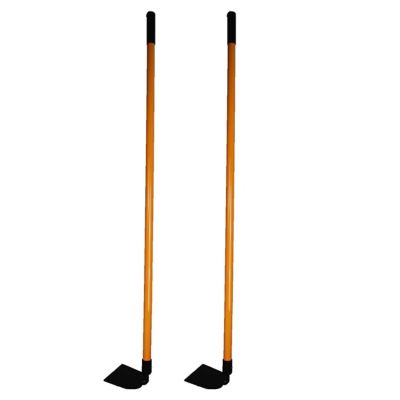
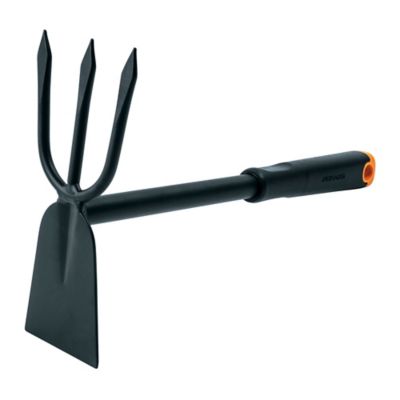
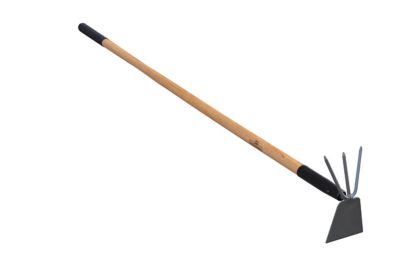
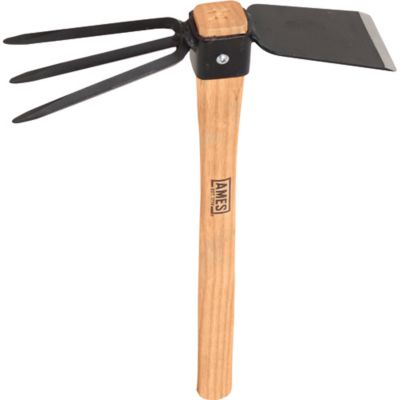
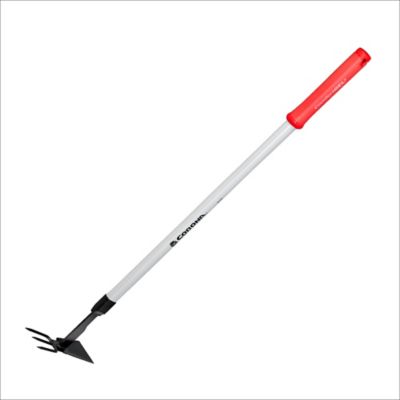
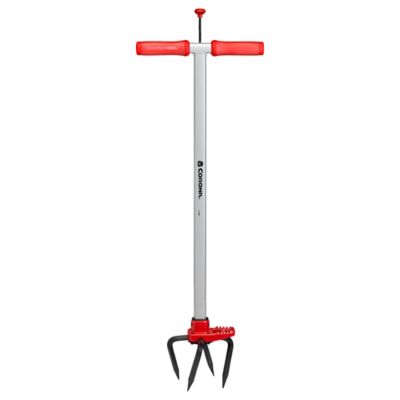
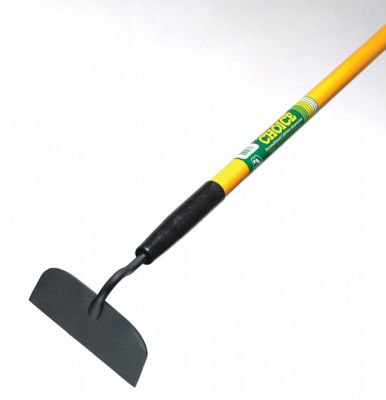
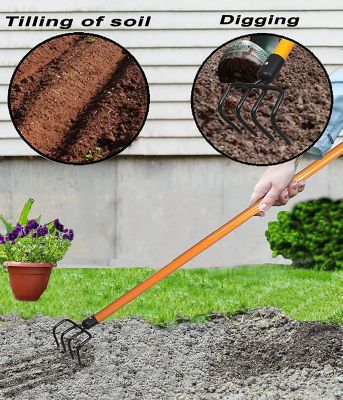
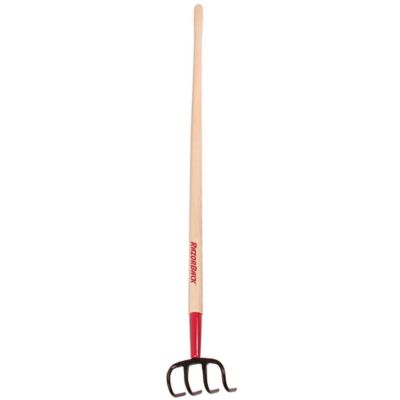
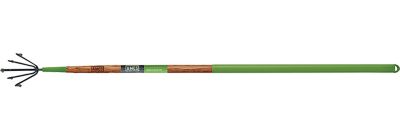
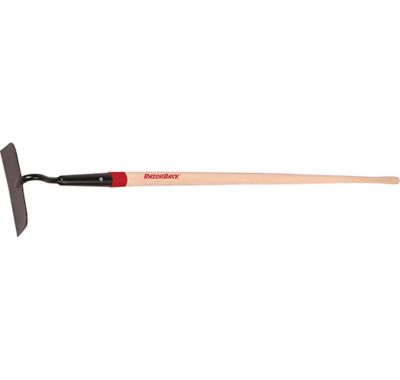
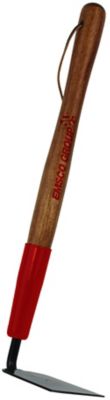
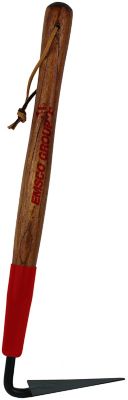
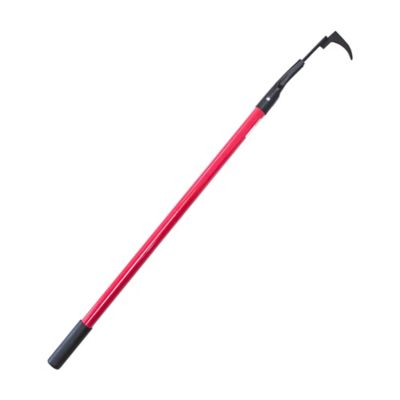
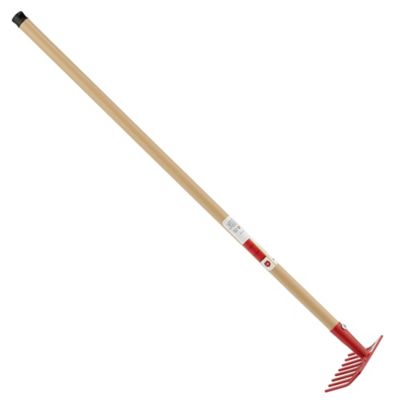
A garden hoe is a long-handled tool that helps turn a weedy, packed-in patch of ground into a cleaner, more workable garden bed. Its blade can chop through young weeds, loosen the top layer of soil, open narrow planting furrows, and shape soil around rows of vegetables, herbs, flowers, or small fruit plants. For many growers, a hoe is one of the first tools to reach for after a stretch of warm weather, when weeds seem to appear overnight between corn rows, along fence lines, and around raised beds. The right garden hoe depends on the work at hand. A draw hoe, sometimes called a standard hoe, has a flat blade set at an angle to the handle and is suited to chopping through firm soil, cutting roots, breaking crusted ground, and pulling soil toward a row. A Dutch hoe, also called a push hoe, slides just beneath the soil surface to sever small weeds without turning over a large amount of earth. A stirrup or action hoe has a loop-shaped blade that moves across the ground on both the push and pull strokes, making it handy for covering open stretches of garden quickly. A Warren hoe has a pointed, arrow-shaped blade that can open planting furrows and reach into tight spaces near growing plants. Narrow blades are helpful where seedlings stand close together, while wider blades can cover more ground between rows. For hard-packed areas, look for a strong metal head and a handle that gives you enough leverage without feeling awkward. For light surface weeding, a slimmer head may help you work with a steady, controlled motion and avoid disturbing nearby roots.
When choosing a garden hoe, start with the soil and the jobs you expect to handle most often. Heavy clay, recently neglected beds, and ground filled with grass roots call for a stout head and a handle long enough to let you work from a comfortable standing position. Loose soil and small garden rows may call for a lighter tool that is easier to guide around tender plants. Handle length matters more than many people expect. A handle that is too short can leave you bent over for long stretches, while one that is too long may feel unwieldy in a narrow bed or greenhouse. Hold the tool as if you were making a shallow pass through soil and consider whether the grip feels natural, balanced, and easy to control. Wood handles bring a familiar feel and can be pleasant in the hands, while fiberglass handles are often selected by shoppers who want a low-maintenance option for regular outdoor work. A cushioned grip may be helpful when tackling a long row, and a head that is firmly attached to the handle can help the tool feel steady as you chop, draw, or push. Gardeners who maintain large plots, homesteaders tending food crops, and homeowners clearing weeds from fence edges may all reach for a hoe for different reasons. It can also make a practical gift for a new gardener, a neighbor starting raised beds, or someone who enjoys spending cool mornings getting a yard ready for the next growing season. Pairing a garden hoe with other
Garden Cleaning Tools can help cover the full range of outdoor chores, from clearing loose leaves and plant debris to tidying paths and bed edges.
A little care after each job can help keep a garden hoe ready for the next round of work. Knock soil from the blade before it dries, then brush away remaining grit and moisture. If the head becomes damp, drying it before storage helps limit rust and keeps the metal in better shape. Store the hoe under cover, with the blade away from walkways and the handle supported so it will not become a tripping hazard. Check the connection between the head and handle from time to time, especially after chopping into firm ground or roots. A sharpened edge can make light weeding smoother, but it should be maintained with care and kept away from children and pets. During the cooler months, a hoe can still earn its place in the shed for preparing beds, opening soil around late plantings, clearing small weeds on mild days, and handling chores around outbuildings or fence rows. As the weather warms, it becomes useful for breaking a shallow crust after rain, opening straight furrows for seeds, and keeping young weeds from taking hold. Work when the soil is moist but not soggy; ground that clings heavily to the blade can make even a good tool tiring to handle, while bone-dry soil may take more force than the job requires. Short, controlled strokes are often easier on your back than swinging hard, and clearing weeds while they are still small usually takes less effort than waiting for deep roots and thick stems to settle in. With the right blade shape, handle length, and storage routine, a garden hoe can fit neatly into everyday work on a backyard plot, a family garden, a farmstead, or a few containers along the porch.