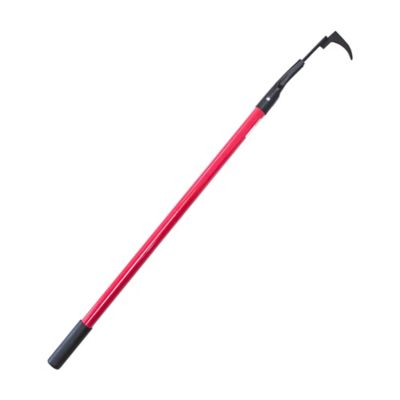
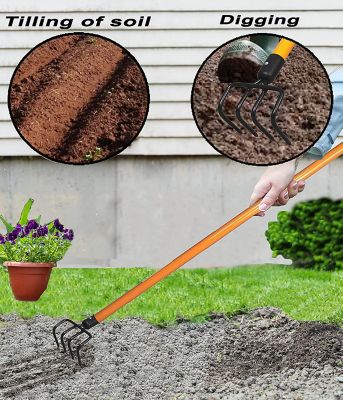
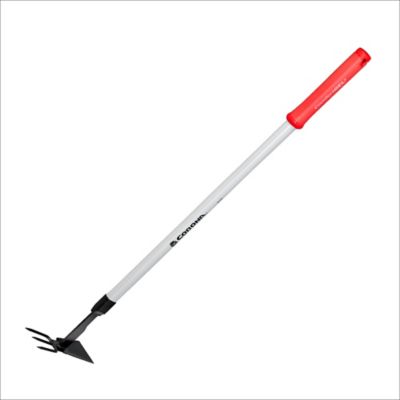
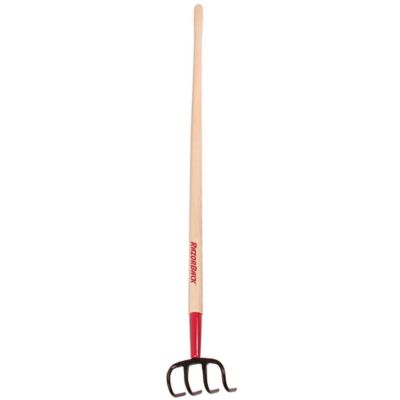
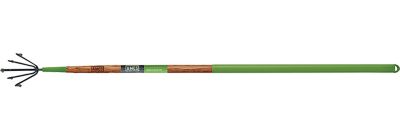
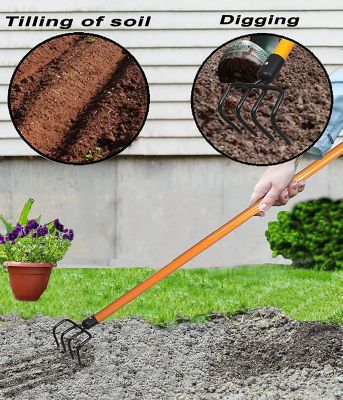
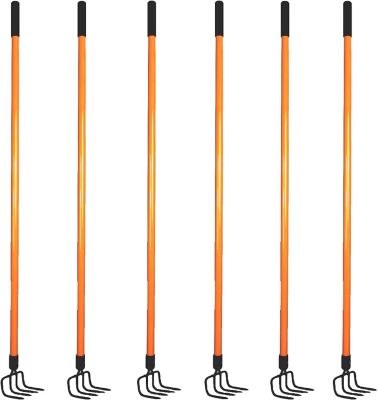
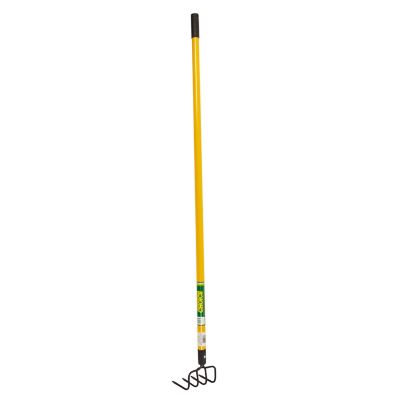
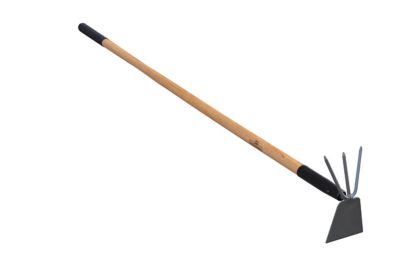
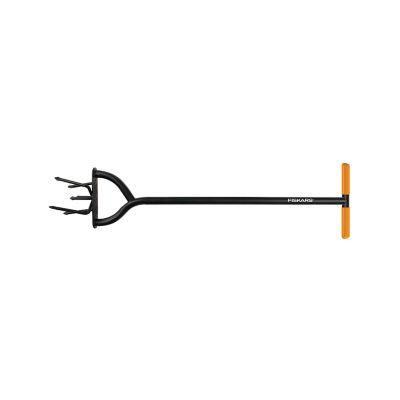
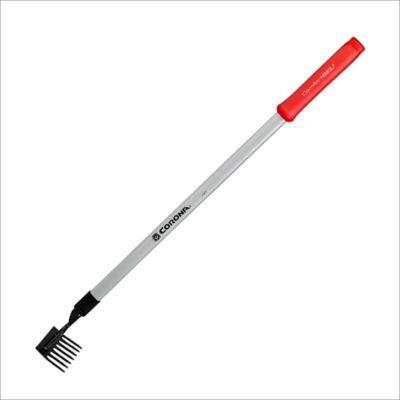
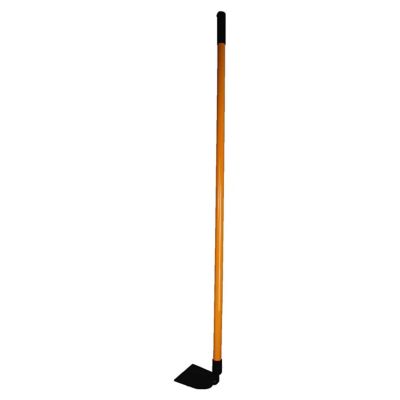
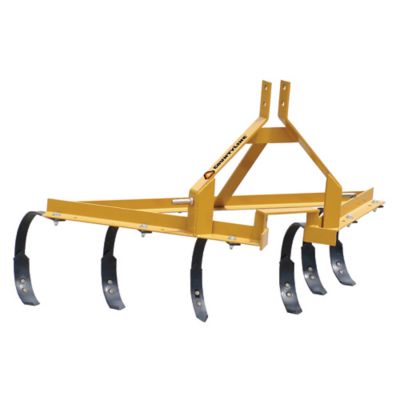
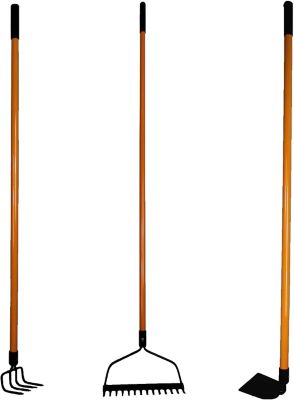
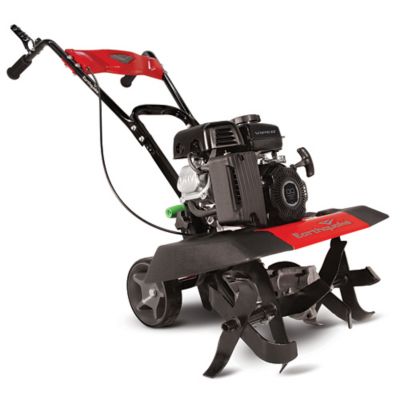
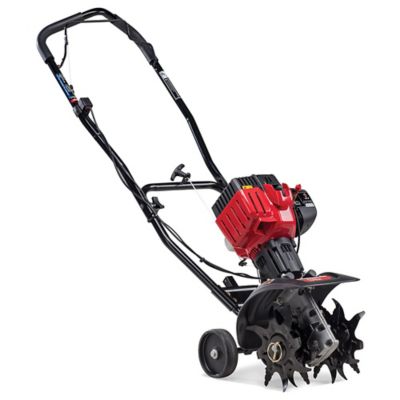
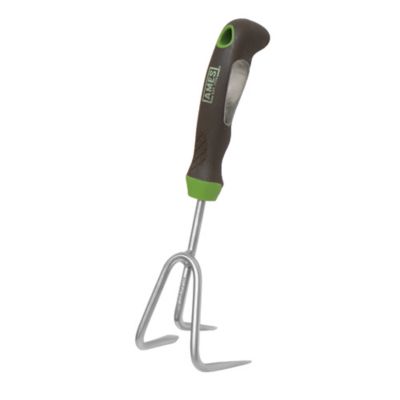
Long Handled Cultivators are handy garden tools for loosening surface soil, pulling shallow-rooted weeds and blending compost without making you spend the whole job bent over or down on your knees. A typical long-handled cultivator has a shaft in the 40- to 60-inch range, with a metal head shaped with three or four curved tines, claws or prongs. That extra reach lets you work from a standing position in vegetable rows, flower beds, raised beds and around established plants. The tines scratch through the top layer of dirt, break apart small clods and open pathways for air and water to reach plant roots. They can also help lift weeds before those weeds have time to flower and scatter more seed. During the warmer part of the growing season, a cultivator is useful for tidying soil that has crusted over after rain or watering. As the weather cools, it can help clear out tired annuals, loosen planting areas and mix in compost or other approved soil amendments before beds settle in for the colder months. For gardeners who deal with stiff clay, compacted paths or soil that gets packed down around frequently watered plants, the leverage of a long handle can make routine maintenance feel less like a wrestling match. It is still important to let the tool do the work: set the tines into the soil, use a steady pulling or rocking motion and avoid forcing the head into ground that is too hard or filled with large roots and stones. Watering dry soil lightly ahead of time can make cultivation easier, while working soil that is soaking wet may leave it smeared and compacted instead of nicely loosened.
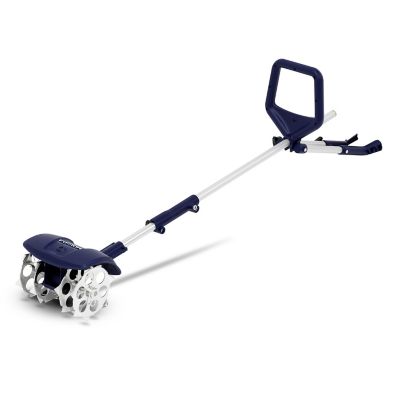
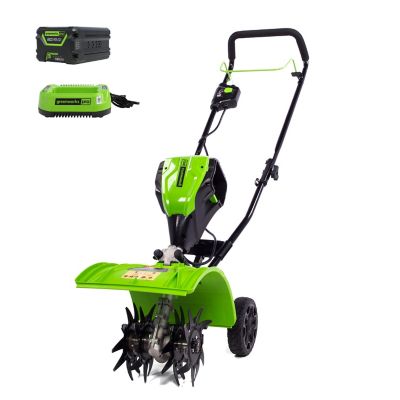
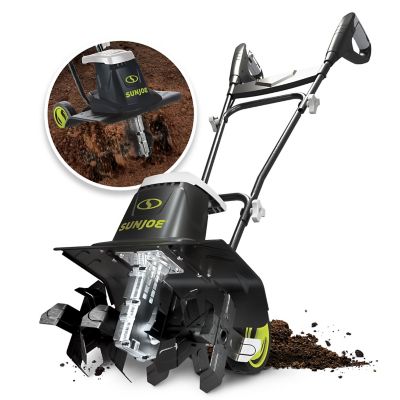
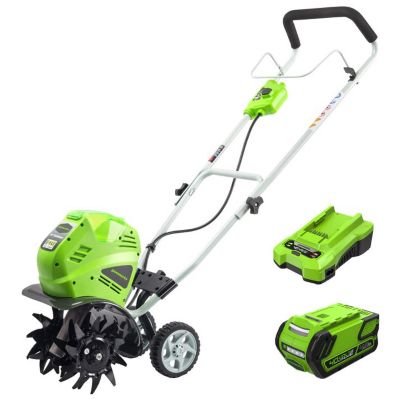
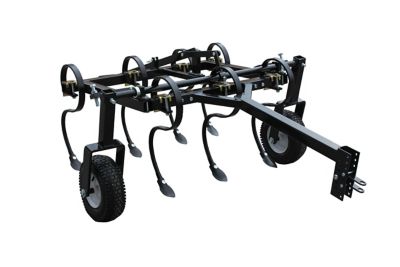
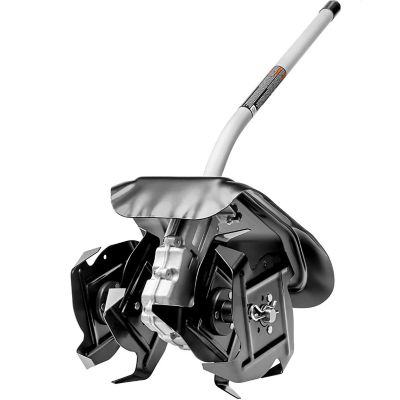
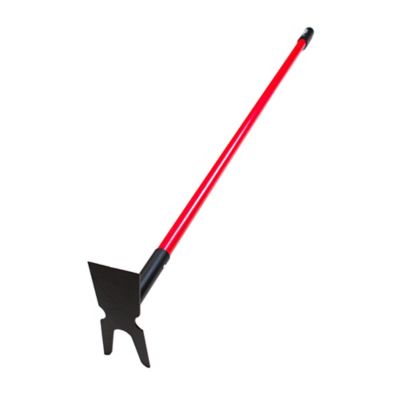
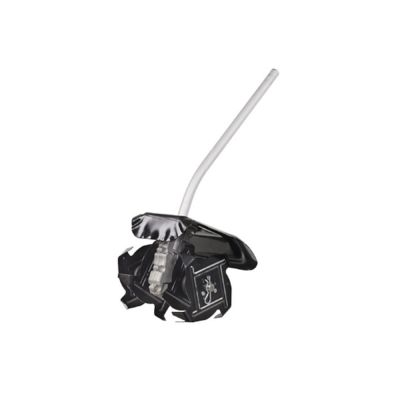
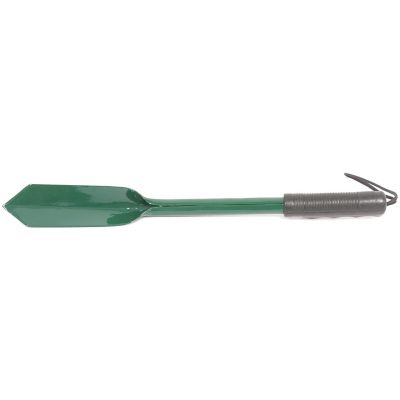
Different Long Handled Cultivators suit different kinds of garden work. A claw or tine cultivator is a straightforward choice for scratching the surface, breaking up light crusting and raking loose weeds toward the edge of a bed. Curved prongs can reach between rows and around plants, though care is needed near shallow roots and delicate stems. A rotary cultivator or twist-style tool uses star-shaped wheels, rotating teeth or a push-and-twist action to churn the upper soil as you move along. This type can cover a little more ground and may be useful for preparing open rows, mixing in compost or refreshing soil that has settled. When comparing tools, look at the handle material, head construction, overall weight and grip style. Hardwood handles have a familiar feel and can provide a little natural flex, while fiberglass and tubular steel handles are often chosen for their durability and resistance to weather-related wear. A forged carbon steel or boron steel head is built for regular contact with soil, but even a sturdy head benefits from being rinsed clean and dried after use. Check that the connection between the shaft and head feels solid, with no looseness or movement where the two meet. Handle length matters, too. Taller gardeners may prefer a longer shaft that keeps the shoulders relaxed and limits stooping, while a shorter gardener may have better control with a more compact option. A comfortable grip can make a noticeable difference when clearing a wide bed, especially if the job involves repeated pulling. Look for a handle that feels balanced rather than top-heavy, and choose a tool you can lift, turn and place accurately without straining your wrists. For smaller planting jobs or tight spaces, a handheld tool such as
Long Handled Trowels may complement a full-size cultivator by reaching into containers, narrow beds and other spots where a wide tine head cannot easily fit.
Long Handled Cultivators are a practical addition to a shed, garden cart or barn workbench because they serve many gardeners without requiring much setup. Home gardeners can use them to freshen the soil around vegetables, herbs, berries and ornamental plants, while community garden volunteers can use them for quick maintenance between watering and harvesting tasks. They are also useful for older gardeners or anyone trying to reduce kneeling, bending and repeated lifting during outdoor work. A long shaft does not remove every bit of effort, but it can help keep the back in a more upright position and provide leverage when shallow soil needs loosening. Gardeners who are just starting out may appreciate a cultivator as a simple, versatile tool that teaches the feel of good soil preparation without taking up much storage space. It can make a thoughtful gift for someone moving into a new home, setting up a raised-bed garden or spending more time tending a backyard plot. Pairing one with gloves, soil amendments or a garden basket can make a useful gift for a friend who enjoys hands-on work outdoors. For everyday use, clear away heavy stems and large debris before cultivating, and take care around irrigation lines, landscape fabric and buried cables. Use light strokes near seedlings and established roots, then smooth the loosened soil with the back of the head or another suitable garden tool. Afterward, knock off dirt, rinse away residue and store the cultivator under cover where the handle and metal head can dry fully. A little care helps protect the finish, reduce rust and keep the tines ready for the next round of weeding, planting or compost mixing. From a small flower bed beside the porch to long rows behind the barn, the right long-handled cultivator can turn ordinary soil maintenance into a more comfortable, manageable part of the garden routine.