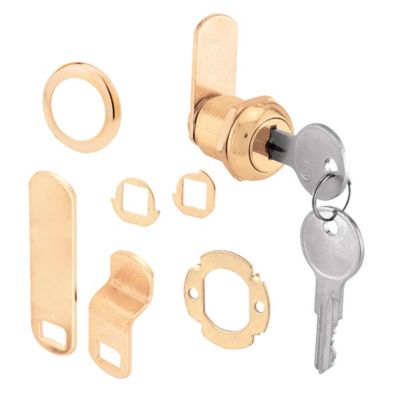
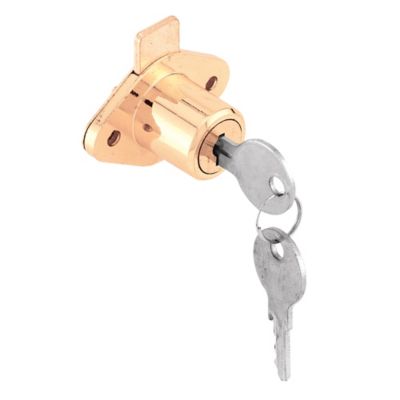
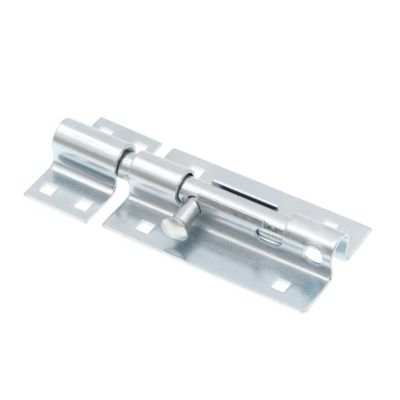
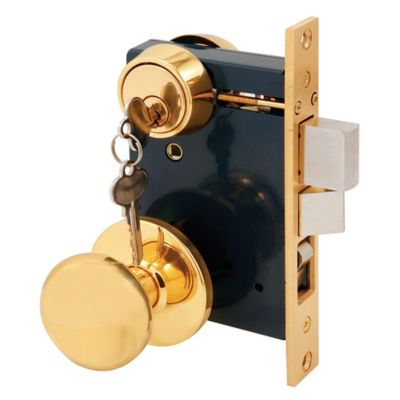
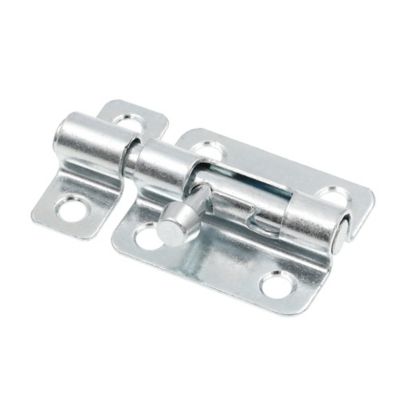
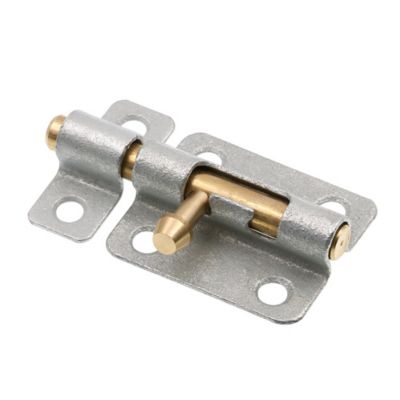
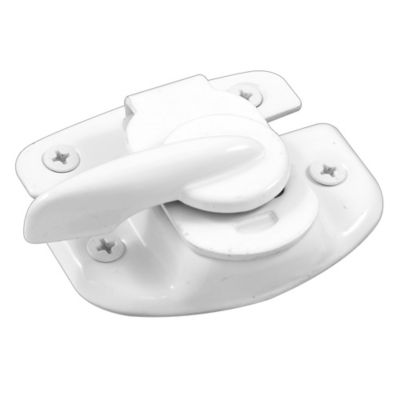
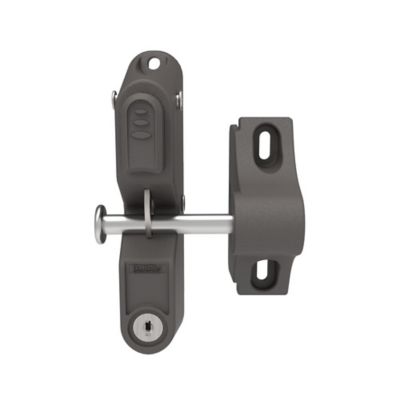
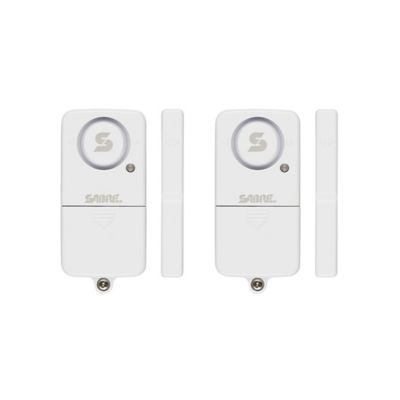
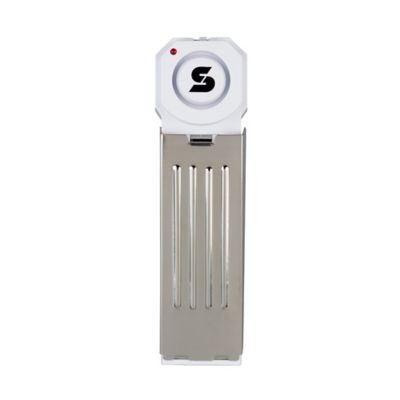
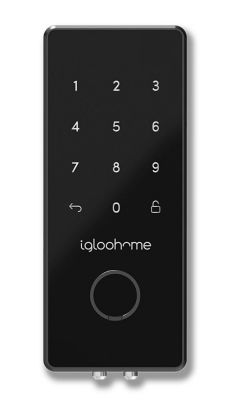
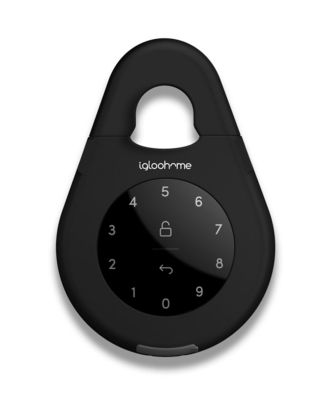
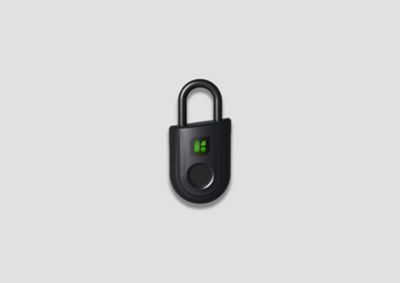
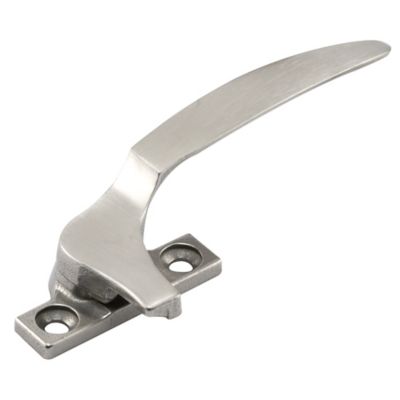
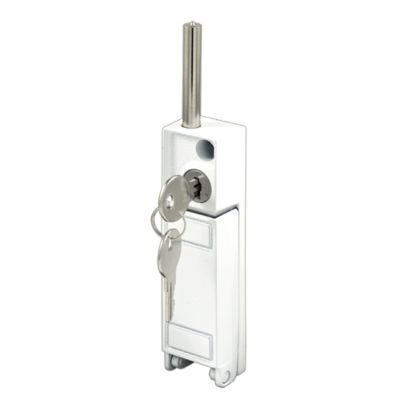
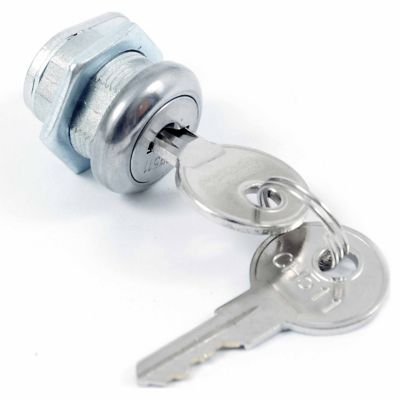
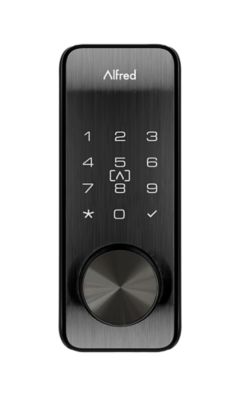
Locking hardware includes the mechanisms that hold doors, gates, cabinets, and storage compartments shut while controlling who can open them. Door knobs, levers, deadbolts, padlocks, and locking hasps all serve that purpose, but each suits a different opening and daily routine. Around a home, farm, or workshop, the right setup helps keep tools behind a closed shop door, limits access to a tack room, and adds a layer of security to equipment storage. A locking knob or lever combines a handle and lock in one assembly, while a deadbolt extends a separate bolt into the door frame. Padlocks work with compatible hasps, chains, or gate fittings, making them useful where a built-in door lock would not fit. Keyed mechanisms require a matching key, combination mechanisms open with a sequence, and electronic entry hardware may use a keypad or another approved credential. These differences matter when several family members need access to a building or when a work crew shares equipment throughout the day. A keyed-alike arrangement can reduce the number of keys on a ring, while separate keying can keep access to one area from extending to another. Combination access removes the need to pass around a physical key, though the code still needs careful handling. For a shop entrance opened dozens of times a day, comfortable operation can matter as much as the locking method. For storage that stays closed between jobs, resistance to cutting, prying, and tampering may carry more weight. No lock makes an opening impossible to breach, and security depends on the whole assembly, including the door, frame, hinges, fasteners, and surrounding structure. A stout lock on a loose hasp or weakened jamb leaves an obvious weak point. Locking hardware works best when its strength and function match both the opening and what sits behind it, whether that means household belongings, feed-room supplies, or the tools that keep chores moving.
Fit makes the difference between a lock that operates smoothly and one that needs a shoulder against the door every time the key turns. For door-mounted locking hardware, important dimensions include door thickness, the size and spacing of the mounting holes, and the backset—the distance from the door edge to the center of the lock opening. Latch shape, bolt length, strike placement, and door handing can also affect compatibility. A replacement that looks close from the outside may still require a different cutout or mounting arrangement, so existing measurements and manufacturer specifications deserve a close look. On gates and storage doors, the gap between moving and fixed parts matters, along with enough clearance for the lock body and key. Padlock fit depends on shackle diameter, inside width, and inside height; the shackle must pass through the fitting without leaving more exposed space than the application needs. A longer shackle provides reach but may also leave more room for tools to get around it. Materials and construction deserve the same attention as dimensions. Steel, brass, stainless steel, and zinc alloys each bring different properties to a lock assembly, while plating and other finishes can help protect exposed surfaces. Material names alone do not tell the whole story: body construction, shackle treatment, cylinder design, and the strength of the mounting hardware all influence performance. Corrosion resistance matters around damp concrete, wash areas, and other places where metal stays in contact with moisture. Finish compatibility is worth considering, too, especially when hardware mounts against another metal. On a working gate, repeated movement and pulling can place stress on attachment points, so the fasteners and mounting surface need to suit the load. A lock is not a substitute for a gate latch that holds the gate properly closed, and it should not be expected to correct sagging hinges. Straight alignment keeps pressure off the locking parts and helps extend their service life.
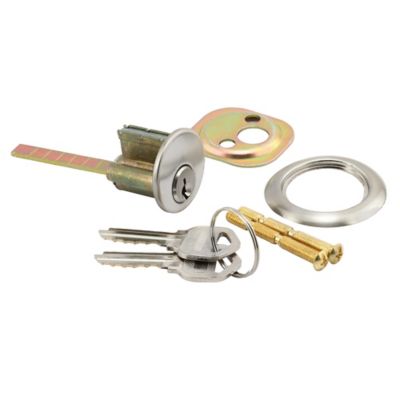
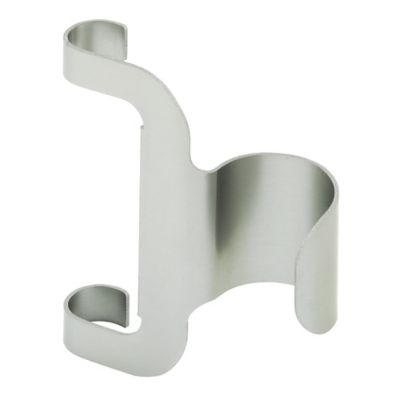
Day-to-day handling is another part of choosing locking hardware that fits life around the place. A lever can be easier to operate than a round knob when a grip is limited, though access and safety requirements depend on the building and application. Larger, easy-to-handle keys and clearly marked controls can make a difference at a frequently opened shop or utility room. For shared spaces, access arrangements should account for who needs entry, who keeps spare keys, and how access will change when a key goes missing or a code is shared too widely. Rekeyable cylinders can allow the key arrangement to change without replacing an entire assembly, when the hardware supports that service. Keeping keys labeled by a system that does not openly identify the secured location adds a sensible layer of caution. Related components matter as well: replacement keys, compatible cylinders, mounting pieces, and other
Lock Accessories can support an existing setup, provided the specifications match. Routine care usually centers on keeping the mechanism clear of dirt, checking for loose screws, and addressing a latch that begins to drag before forcing it causes damage. Fine dust from a workshop or feed area can collect around openings, so cleaning methods and lubricants should follow the lock maker’s directions; not every oil or spray belongs inside a cylinder. A bent key, loose strike, or shifting gate can cause trouble that looks like a failed lock. Checking the surrounding assembly helps separate an alignment problem from a worn mechanism. For occupied buildings, locking arrangements must also meet applicable fire, accessibility, and exit requirements, with people able to leave as required. Storage containing chemicals, sharp tools, or other hazards may call for additional safeguards beyond a standard lock. Around livestock, a secure closure also needs to suit the gate and the animals, rather than relying on a lock alone. Whether the opening leads to a house, barn, garage, or tool cabinet, well-matched locking hardware brings together controlled access, straightforward operation, and a sound mounting surface without making every trip through the door a wrestling match.