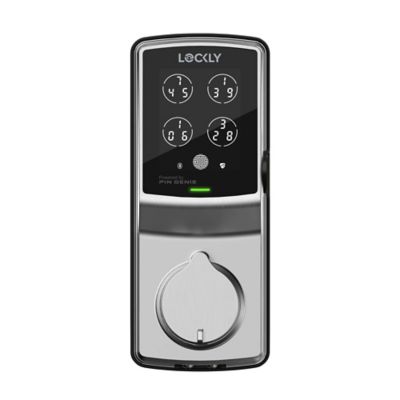
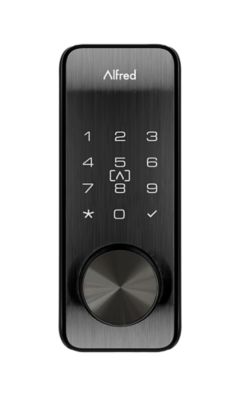
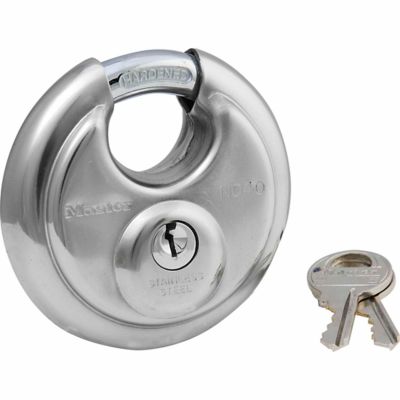
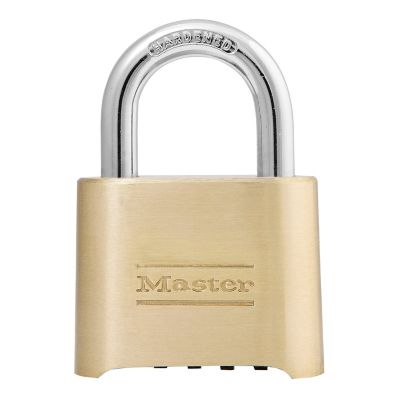
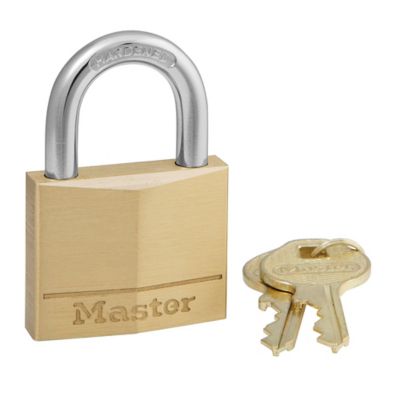
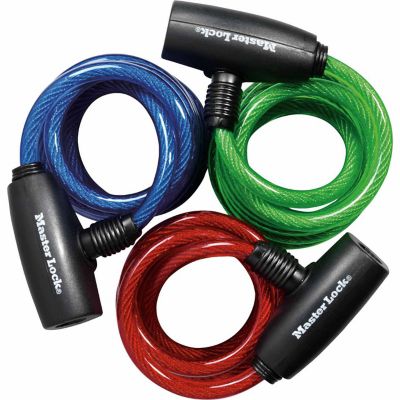
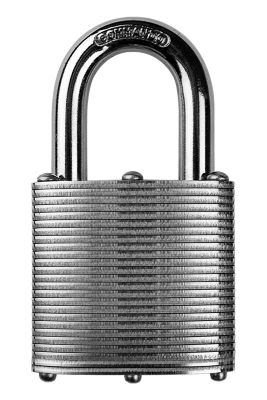
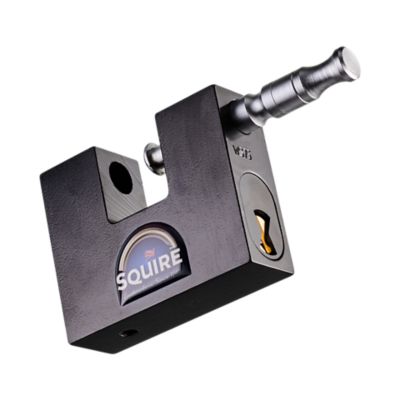
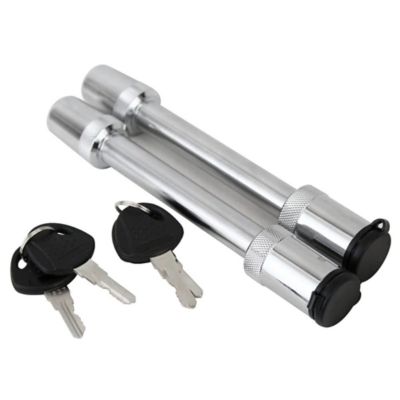
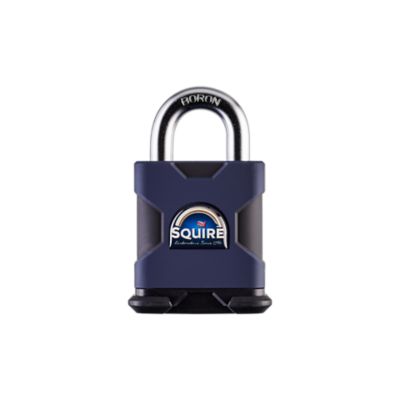
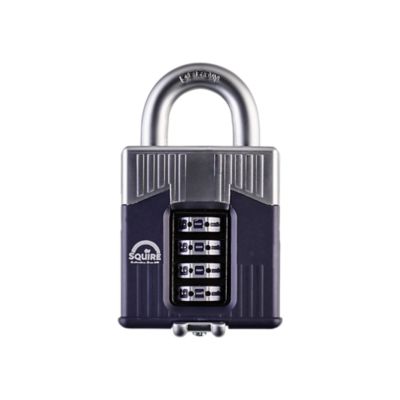
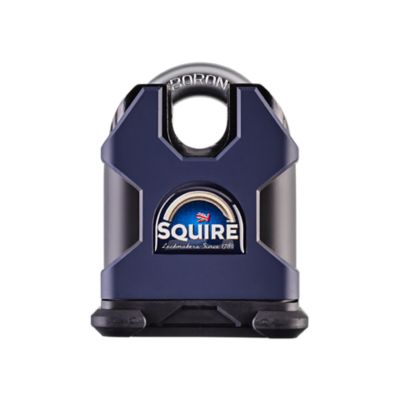
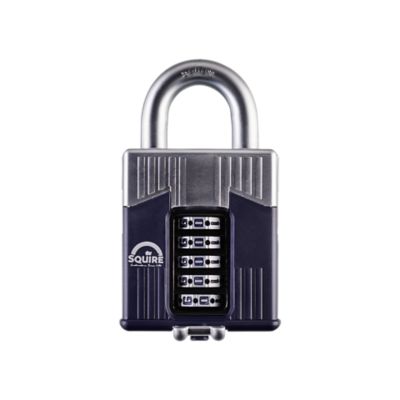
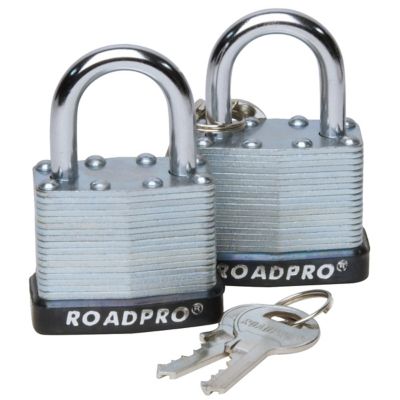
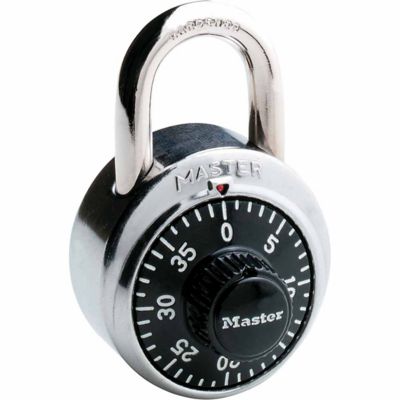
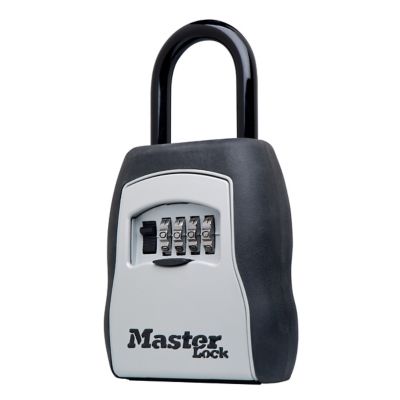
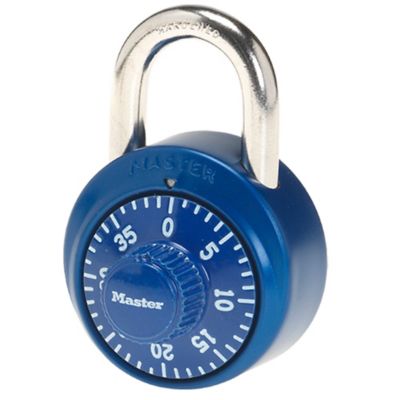
Secure locks help keep the everyday business of a home, farm, or workshop in the right hands. A latched gate marks a boundary, but a properly matched lock adds another layer between your property and unwanted access. That matters whether the space holds fencing tools, a mower, tack, power equipment, or supplies that need to stay out of reach of children and visitors. Different jobs call for different locking arrangements: a padlock can suit a shed hasp or chain, a door lock can control entry to an enclosed workspace, and a cable or chain locking system can help secure equipment that cannot be tucked behind a door. The right choice depends on what needs protection, how often someone needs access, and the strength of the surrounding hardware. A substantial lock works best with a sound gate, a firmly mounted hasp, or a door and strike plate that fit together properly. No lock makes a space impossible to enter, but a well-matched setup can discourage casual interference and make access more deliberate. For a feed room opened several times a day, convenience matters alongside security; for a storage building across the property, a more restricted key arrangement may carry greater weight. Locks also have different security ratings, and those ratings make the most sense when considered alongside the intended application rather than appearance alone. A heavy body or thick shackle may look stout, but construction, locking mechanism, and installation all play a part. Folks managing a few outbuildings have different needs from someone securing a single toolbox, yet both benefit from a lock that suits the job without making daily chores a struggle. Clear descriptions of intended use, operating requirements, and compatible hardware help narrow the field to practical choices. That balance is the heart of secure storage: keeping tools and equipment protected while leaving the people responsible for them a straightforward way to get on with their work.
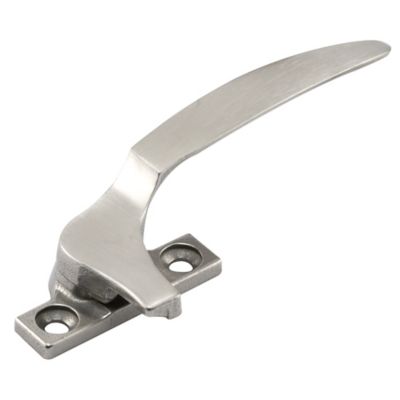
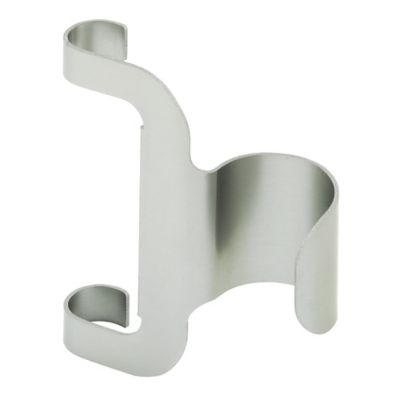
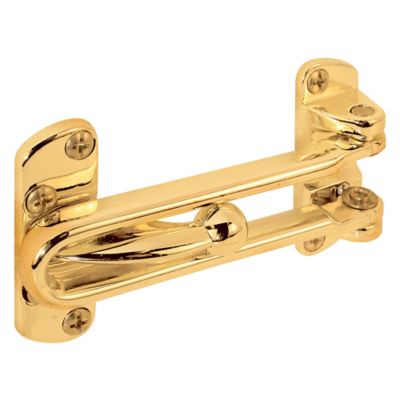
Materials and fit have a lot to do with how a lock holds up through repeated opening, closing, carrying, and contact with other hardware. Steel, stainless steel, brass, and protective finishes each bring different strengths, though the construction of the complete lock matters more than the body material by itself. Hardened components can add resistance to cutting or force, while corrosion-resistant materials and finishes help protect parts from deterioration. Around a barn or shop, dust, grit, and residue can collect near moving parts, so covered keyways and enclosed mechanisms may be worth considering where the application calls for them. A lock body also needs enough room to sit naturally without being jammed against a latch, bracket, or door frame. With padlocks, shackle diameter determines whether the shackle passes through the opening, while its inside height and width determine whether it clears the hardware. A longer shackle can reach around a wider connection, but extra exposed length can leave more room for unwanted leverage. A shorter shackle or a design that shields more of it may offer a closer fit when the attachment points allow. Door hardware brings its own measurements, including door thickness, bore spacing, backset, and the relationship between the latch and strike. Those details matter on a shop entry just as much as they do on a house door; a lock should engage smoothly rather than depend on lifting or pulling the door into place every time. On equipment and trailers, movement and vibration make compatibility with the intended mounting point especially important. Matching attachment hardware and
Lock Accessories can help complete a setup without forcing parts together or leaving a weak connection. Even a small detail, such as room to turn a key without scraping a knuckle against a post, can make a noticeable difference when that lock becomes part of the daily routine. A thoughtful fit supports both smoother operation and a longer service life.
Access preferences matter just as much as the hardware itself, especially when more than one person handles chores or maintains equipment. Keyed locks keep operation familiar, while combination locks remove the need to carry a separate key for that access point. Neither arrangement is automatically the better choice; the useful distinction is how access will be managed. A shared combination can suit a work area with several authorized people, while separate keys may make more sense for spaces with tighter access rules. Where supported by the lock design, resettable combinations allow a code change when responsibilities change, and keyed-alike arrangements can reduce the number of keys needed across several locks. That convenience also has a trade-off: one misplaced key may affect more than one secured space. Electronic locking options bring another set of considerations, including power requirements, backup entry methods, and whether the controls suit the people opening the door. For any arrangement, spare-key storage and a clear plan for granting or removing access are part of keeping the system useful over time. Care is generally straightforward, but it needs to match the mechanism and manufacturer’s directions. Lock-approved lubricants, clean keyways, and occasional checks for loose mounting hardware can support smooth operation without introducing a product that attracts debris or interferes with internal parts. A key that begins to bind, a shackle that will not seat fully, or a latch that scrapes against its strike can signal that something needs attention rather than more force. Keeping those small problems from becoming daily habits helps preserve the lock and the hardware around it. For homeowners, livestock owners, property managers, and tradespeople, the best fit is a lock that makes sense for the space, the people entering it, and the equipment behind it. From a gate by the lane to a cabinet in the shop, a well-chosen locking setup adds a practical measure of control without turning every trip for a tool into another chore.