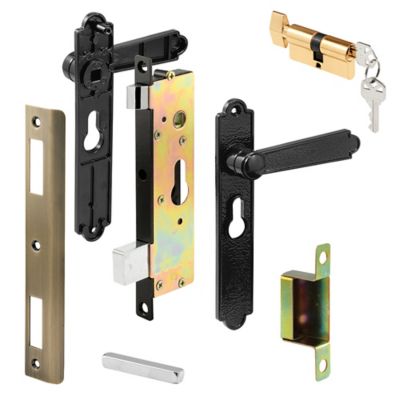
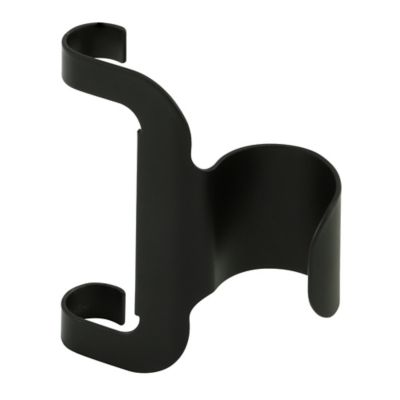
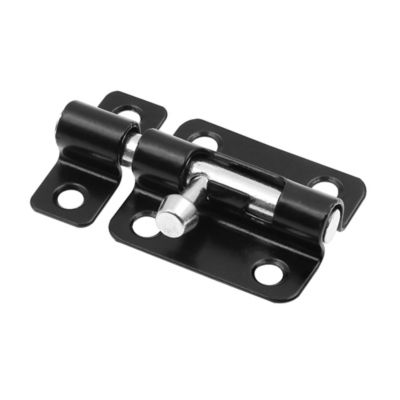
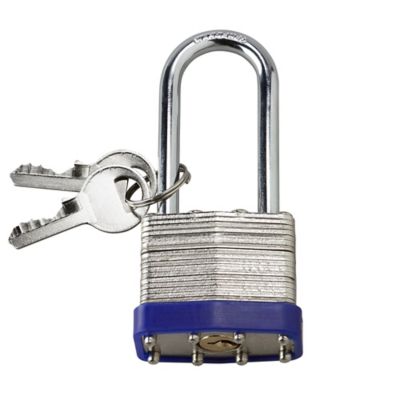
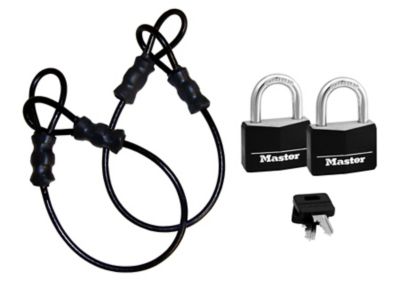
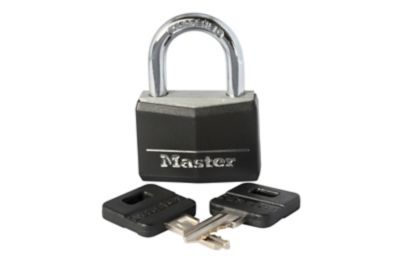
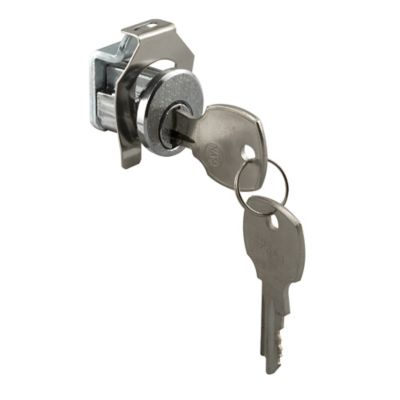
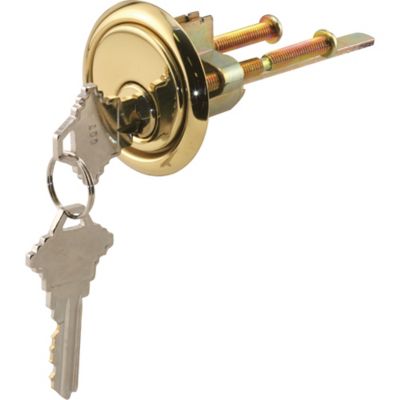
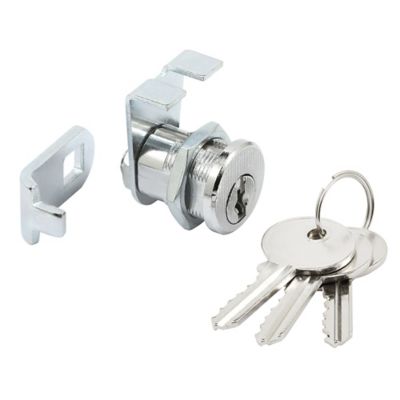
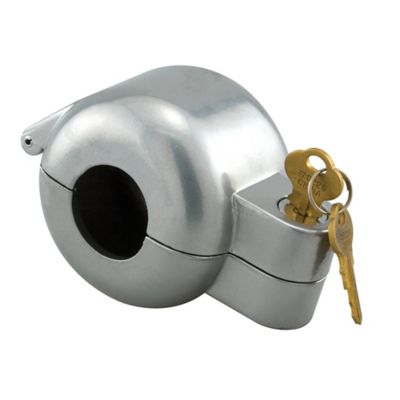
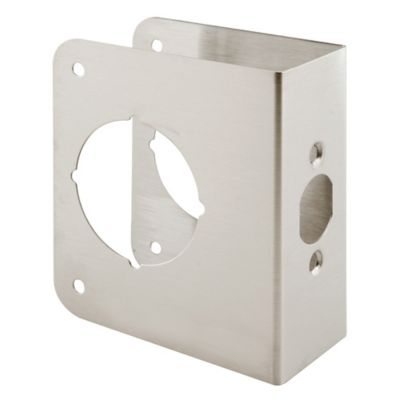
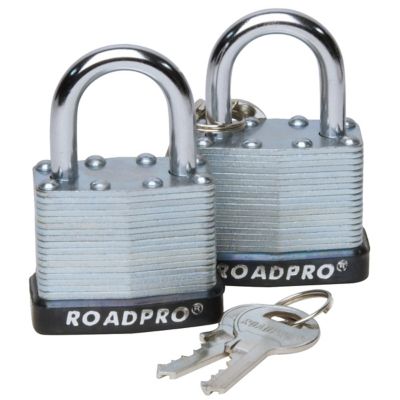
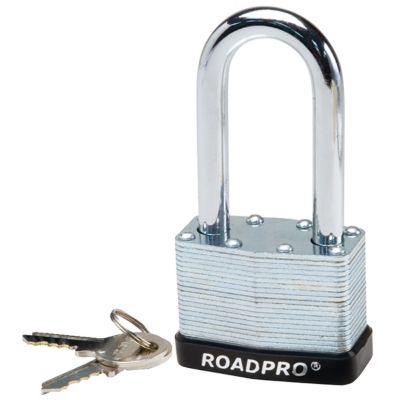
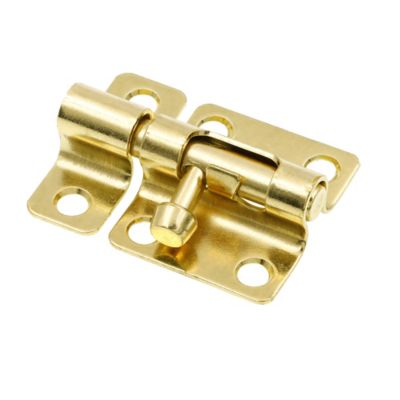
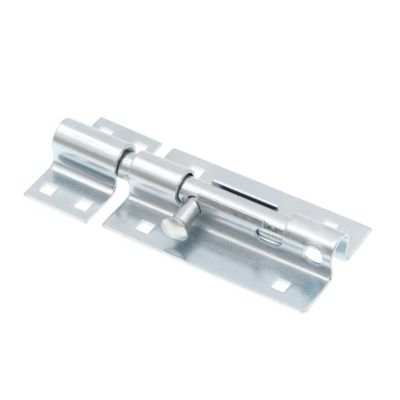
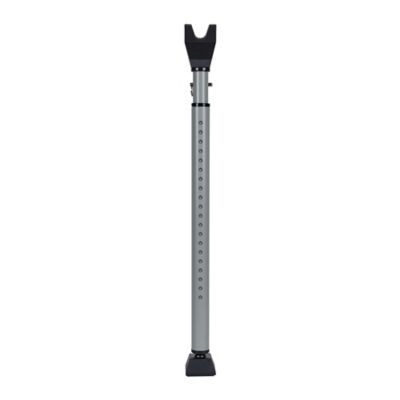
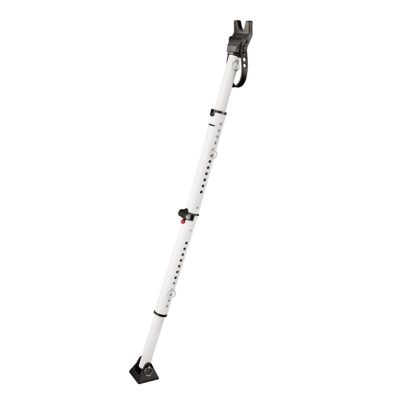
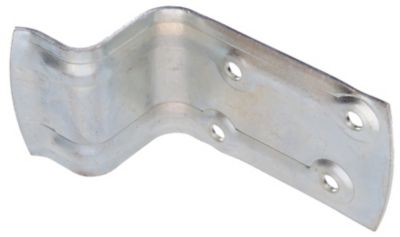
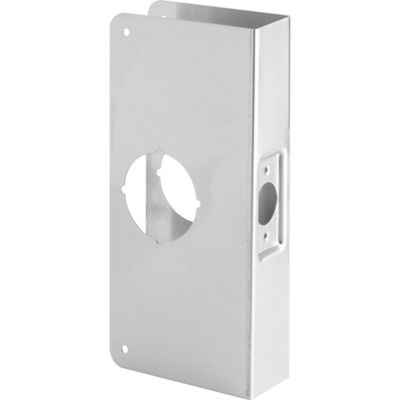
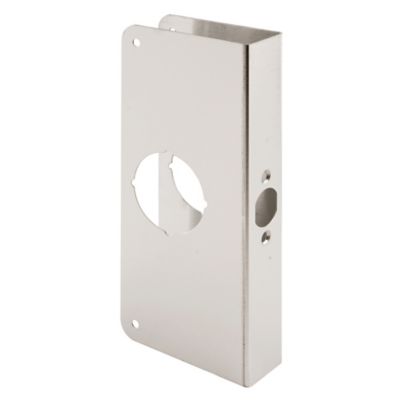
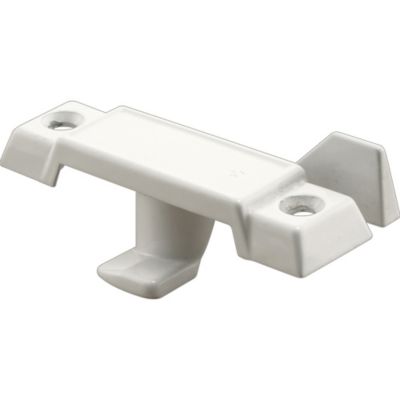
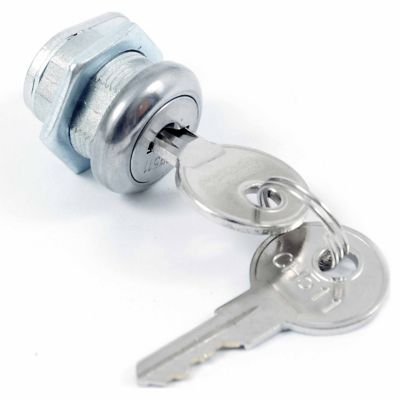
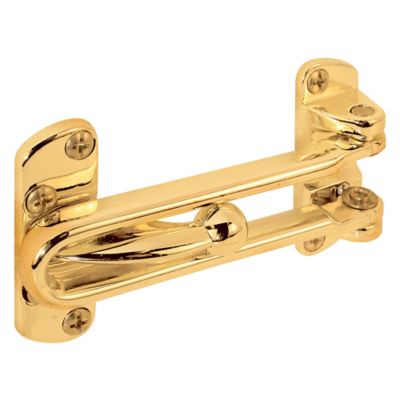
Lock accessories are the replacement parts, mounting hardware, and maintenance supplies that help door locks fit, latch, and operate as intended. They support installation, repair, rekeying, and upkeep without always calling for a whole new lockset. Depending on the lock design, this category can include strike plates, replacement latches, cylinders, reinforcement plates, trim rings, fasteners, and lock care supplies. Each part has a different job: a strike plate receives the latch or bolt at the frame, a latch holds the door closed, and a cylinder contains the mechanism operated by the key. Trim and cover plates can conceal gaps around an opening, while reinforcement hardware helps support the area surrounding a lock or strike. Around a home, workshop, tack room, or farm office, these details matter every time a door gets opened with an armful of supplies. A latch that catches cleanly and a key that turns without a struggle make everyday access a lot less of a chore. Fit starts with the existing door and lock, not just the appearance of the replacement piece. Door thickness, hole diameter, screw spacing, and backset—the distance from the door edge to the center of the lock opening—can all affect compatibility. The shape of the latch faceplate and the depth of the frame opening matter, too. Some components fit only a particular lock series, even when another part looks nearly identical. Matching those details helps avoid a replacement that sits crooked, leaves a gap, or keeps the bolt from extending fully. Door alignment deserves the same attention. A shop door that needs a hard pull before the deadbolt turns may have loose hinges or a shifted strike rather than a worn-out cylinder. The right accessory addresses the actual trouble spot while allowing the rest of the door assembly to work together.
Materials and construction help determine where lock accessories belong and how they hold up to daily handling. Steel provides strength for many strikes and reinforcement pieces, while stainless steel and brass offer corrosion resistance suited to certain applications. Plated finishes add another protective layer, although their performance depends on the underlying metal, the coating, and the conditions around the opening. A utility-room door near a wash area faces different exposure than an interior office door, and hardware for an exterior entrance needs to be rated for that location. Finish also affects how replacement parts blend with the knob, lever, hinges, and nearby hardware. Matching finishes can give a repaired door a tidy appearance, but matching dimensions and function comes first. Fasteners deserve more attention than they often get. Their diameter, length, head shape, and intended mounting material all influence how firmly a component stays attached. Solid wood, hollow metal, and other door or frame constructions may call for different fastening methods. Longer screws are not automatically the answer; the screw needs a suitable anchor point and clearance from anything behind the mounting surface. Care is usually straightforward when it follows the lock manufacturer's recommendations. Dust and grit around a keyway or latch can interfere with movement, especially near a busy shop entrance. Gentle cleaning of exposed surfaces helps keep buildup from spreading into moving parts. For internal lubrication, the proper lock-specific formula matters more than applying a generous amount. Graphite, dry-film lubricants, and other formulas are not interchangeable for every mechanism, and mixing them can leave residue behind. A key that bends, sticks, or needs extra force is a reason to check the fit and condition of the parts rather than keep twisting. Routine attention to loose screws, rubbing latches, damaged keys, and worn finishes can help extend service life and catch small problems before they interrupt the workday.
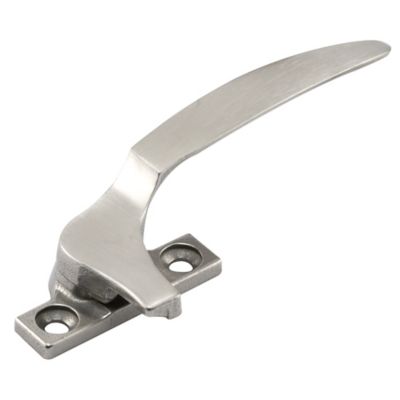
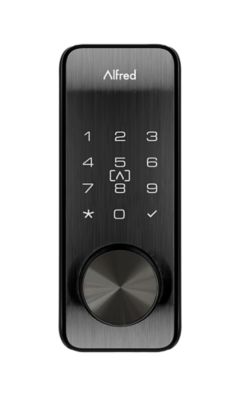
Access needs vary from one building to the next, so lock accessories should suit both the opening and the people carrying the keys. A family home may need smooth everyday operation, while a shared workshop may call for tighter control over who can enter a tool room. Rekeying accessories support changes to the keying of compatible cylinders, allowing a different key to operate the lock without necessarily replacing the entire assembly. Compatibility is especially important here: keyways, cylinder designs, pinning systems, and rekeying procedures differ. A matching key blank also needs the correct profile before it can be cut for a lock. For a property with several buildings, a planned key arrangement can make access easier to manage, but keyed-alike setups and master-key systems require compatible hardware and the appropriate setup. A locksmith can help when the existing hardware is unfamiliar or access arrangements are more involved. Electronic locks bring another set of fit requirements. Battery holders, covers, connection parts, and related accessories generally need to match the exact lock model, and electronic connections may also depend on the manufacturer's supported system. Mechanical trim that looks right does not establish electronic compatibility. For a project that also calls for a replacement grip or lever, browse
Locking Handles alongside the hardware needed for the opening. Handles, cylinders, latches, and strikes need to function as a complete assembly rather than a collection of separate fixes. That matters on a frequently opened feed-room door just as much as on an entry beside the house. Security also depends on the condition of the door, frame, hinges, and mounting points; an added plate cannot make up for a failing frame. Homeowners, property managers, farm operators, and maintenance crews all benefit from parts selected around the same basics: correct fit, suitable materials, clear compatibility, and straightforward upkeep. Those details help keep doors closing properly and everyday access running smoothly.