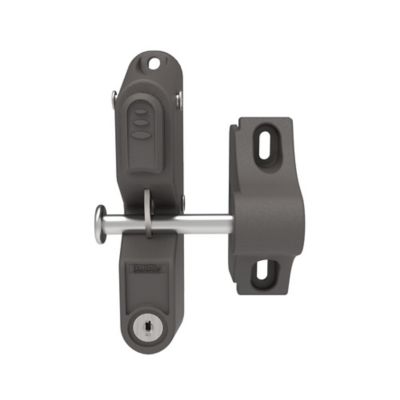
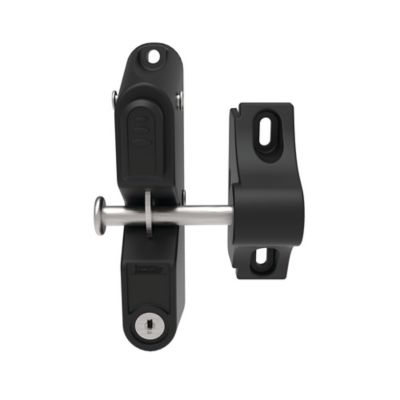
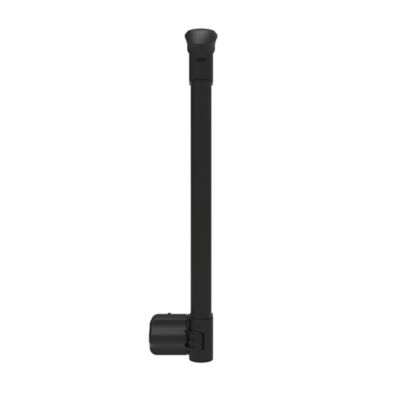
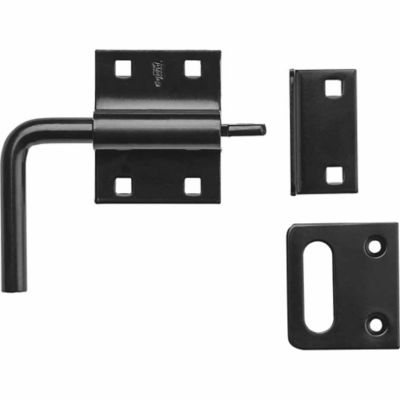
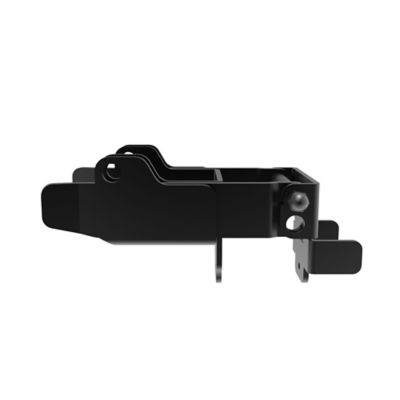
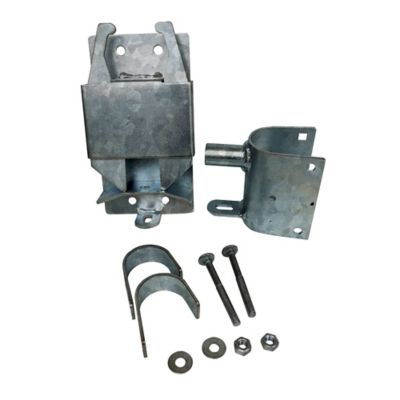
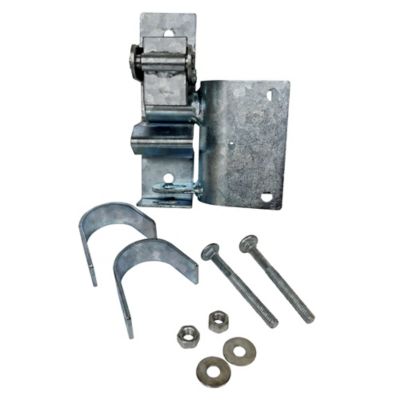
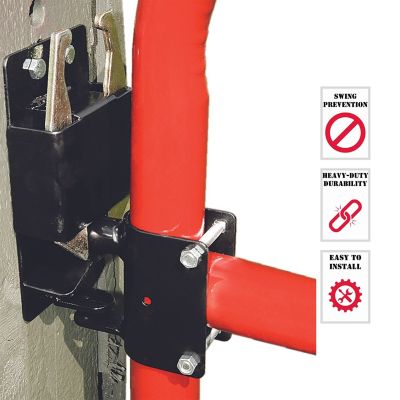
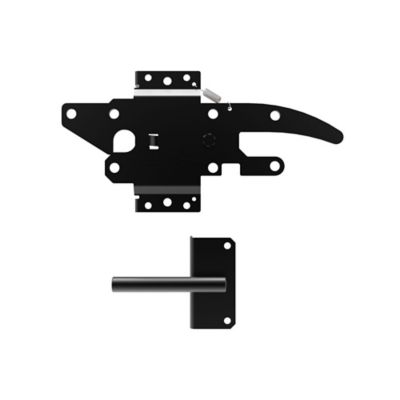
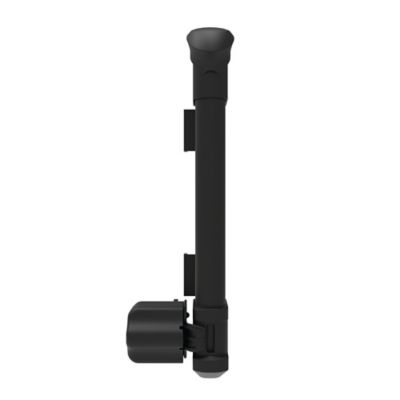
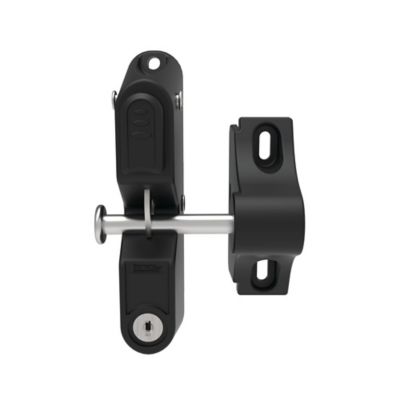
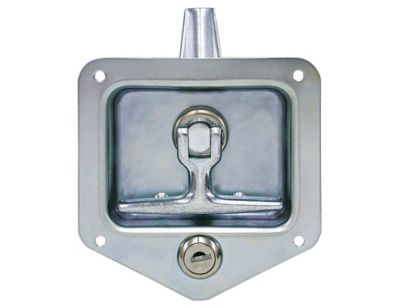
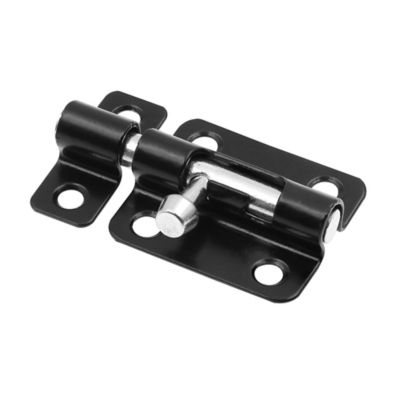
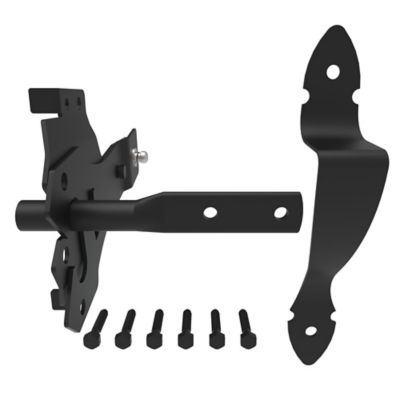
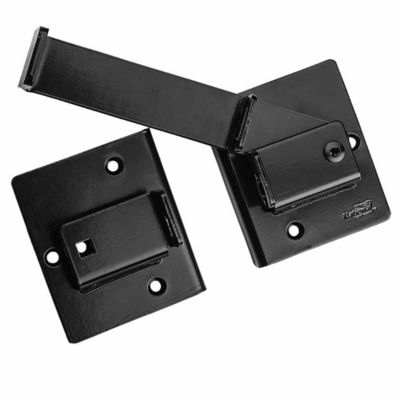
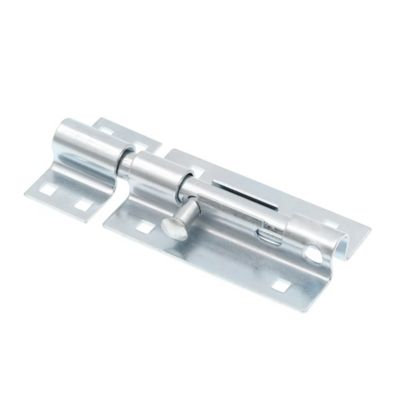
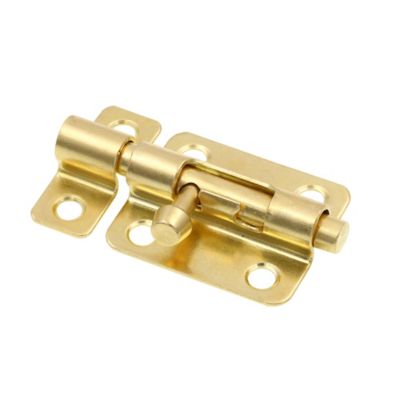
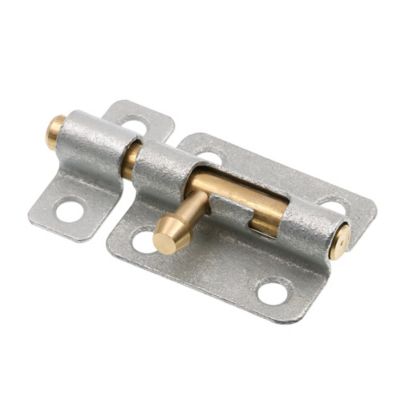
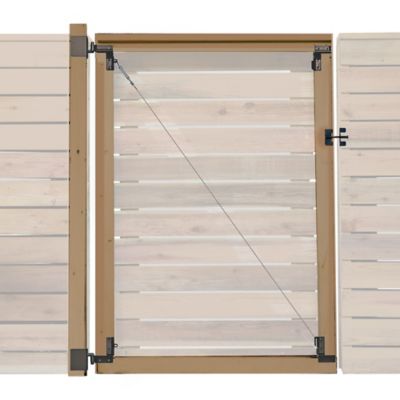
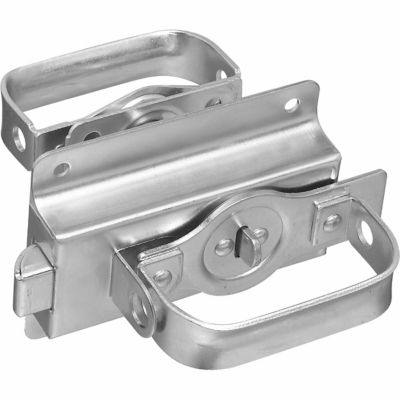
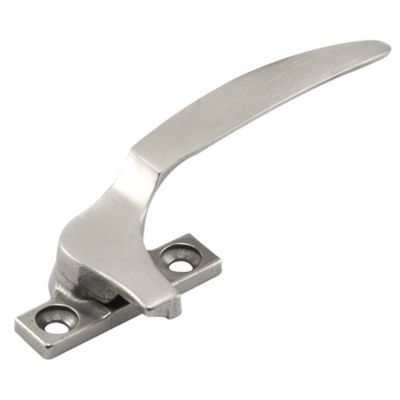
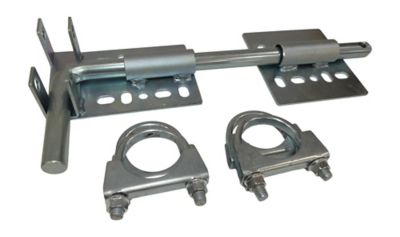
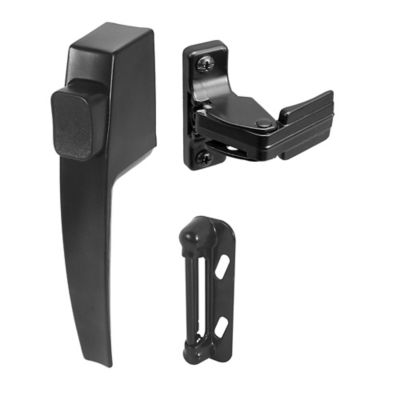
Lockable latches give gates, doors, boxes and storage compartments a dependable way to close securely while adding an extra layer of control. Unlike a basic latch that simply keeps a door or gate from swinging open, a locking latch uses a key cylinder, push-button blocker, cam, or padlock eye to prevent the handle or release arm from moving. That makes this hardware useful around farms, homesteads, workshops, barns, garages, trailers and utility areas where a simple closure is not always enough. Fence gates are a common place to use them, especially when you want to keep livestock in, pets out of a garden, children away from equipment, or visitors from entering a private area. Some gate latches use a gravity-style closing action, while others use a spring-loaded bolt or angled arm that slides into a strike plate and snaps into place as the gate closes. A built-in key lock can keep the gate secured without a separate padlock and chain, while a padlockable design gives you the flexibility to use a lock you already have or share access with family members and trusted helpers. Look for a latch made for the gate’s construction, including wood, metal, vinyl or tubular framing, and check whether it is intended for left-hand, right-hand or reversible installation. The latch should line up cleanly with the strike or receiver, leave enough room for normal movement, and be mounted to solid material rather than a loose board. A little extra attention during installation helps prevent a gate from dragging, rattling or failing to catch when the ground shifts or the hinges settle.
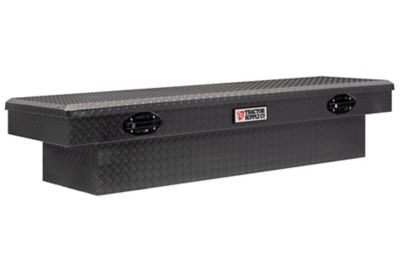
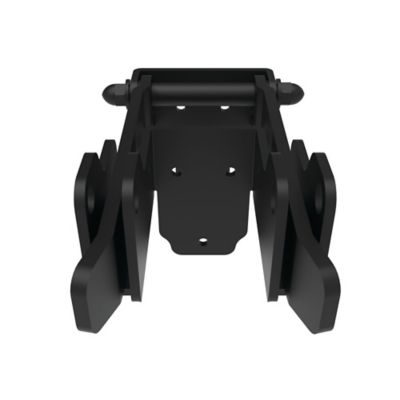
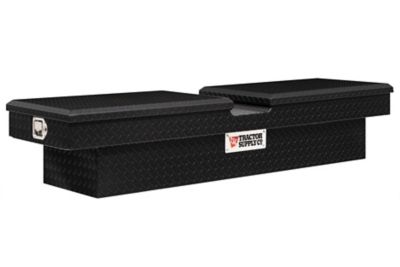
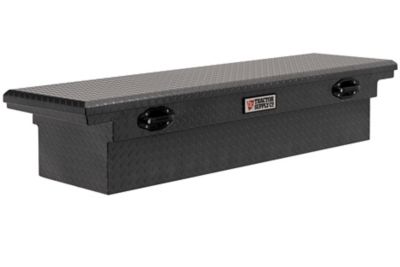
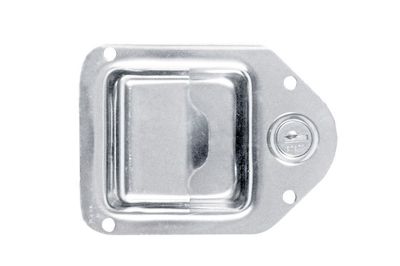
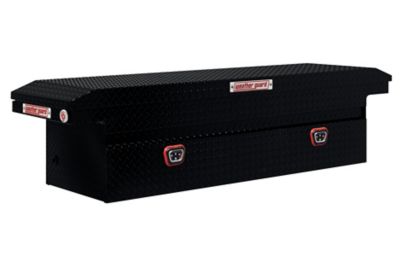
The right lockable latch depends on what you are securing and how often it will be used. Surface-mounted night latches and rim-style door latches are suited to entry doors, sheds, outbuildings and other access points where the locking mechanism mounts on the inside face of the door and a key is used from the outside. Many automatic designs throw the bolt when the door closes, which can be handy when your hands are full of feed, tools or firewood, but that feature also means everyone who needs access should have a key or another approved way to enter. For cabinets, tool chests, job boxes, road cases and truck storage compartments, compact draw latches and toggle latches hold two panels together under tension. These latches pull the surfaces tight, helping reduce vibration and keeping dust, dirt and moisture from working into the enclosure. A built-in lock or padlock eye can add security to tools, small equipment and supplies stored in a pickup bed, trailer or detached shop. When comparing options, measure the gap between the two surfaces, the available mounting space and the distance from the edge of the door or lid. Pay attention to the latch’s holding capacity, bolt travel, mounting-hole pattern and overall size so the hardware does not interfere with hinges, handles, weather stripping or nearby framing. Steel is a practical choice for heavy-duty use, while stainless steel and corrosion-resistant finishes are helpful in damp locations, wash areas and places exposed to changing weather. Durable polymer components can be a good fit for outdoor gates because they resist rust and offer smooth operation. Even weather-resistant hardware benefits from occasional cleaning and a light application of lubricant at moving points. During the warmer part of the year, dust and grit can collect around a gate or shop door, and during cooler, wetter weather, swelling wood, mud and surface corrosion can affect alignment. A quick check of the strike plate, fasteners and locking action can help keep the latch working smoothly through the seasons.
Lockable latches are a practical choice for property owners, renters, farmers, ranchers, contractors, hunters, campers and anyone who wants a more secure closure without replacing an entire gate, door or storage box. They can also make a thoughtful housewarming gift for someone settling into a rural property, building a workshop or improving an older barn one project at a time. A useful latch can turn a loose garden gate into a controlled entry point, keep a feed room closed between chores, or help protect hand tools that ride in a truck every day. Before buying, consider who will use the latch, how often it will be opened, whether it needs to be operated with one hand, and how much exposure it will face from rain, sun, mud, dust or livestock. A keyed latch may suit a private gate or shed, while a padlockable style can be more convenient when several people need access or when the lock may need to be changed later. If you are updating several areas, matching the hardware finish and choosing compatible keys or locks can make routine chores simpler. For more ways to secure doors, gates, cabinets and other access points, browse
Locking Hardware to compare related solutions. Whether the job is protecting a pasture entrance, securing a trailer compartment or keeping a workshop cabinet closed, a properly sized lockable latch offers a straightforward blend of convenience, durability and everyday peace of mind.