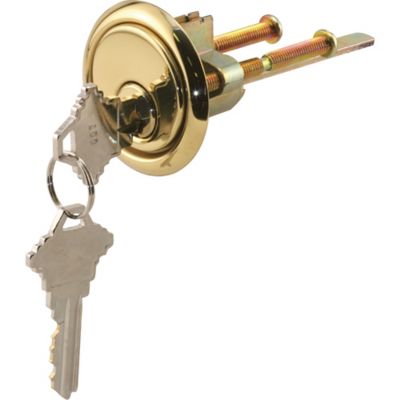
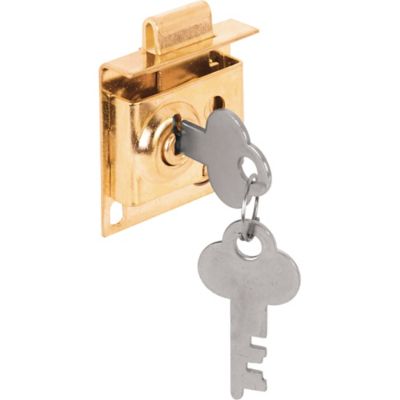
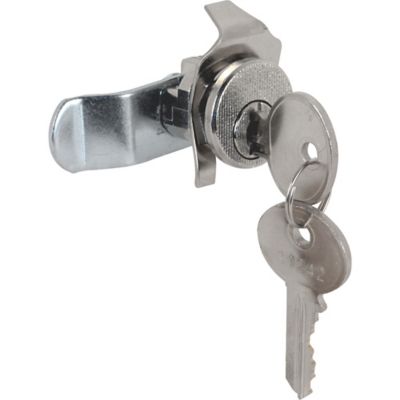
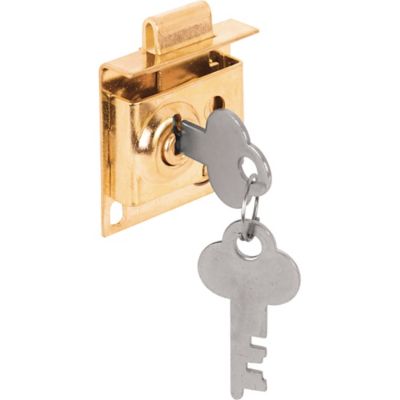
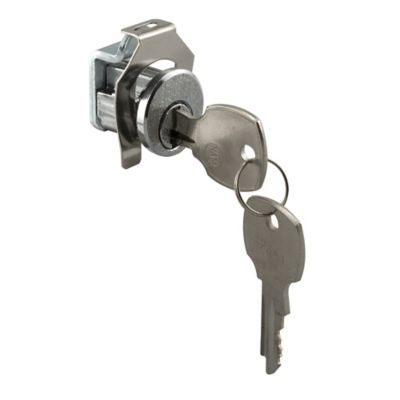
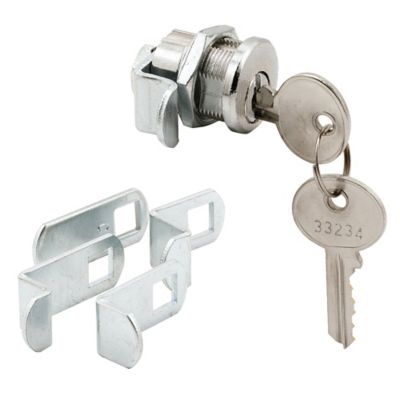
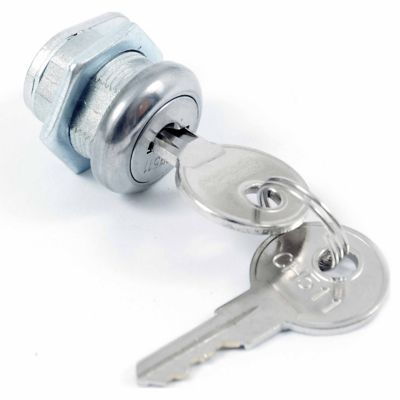
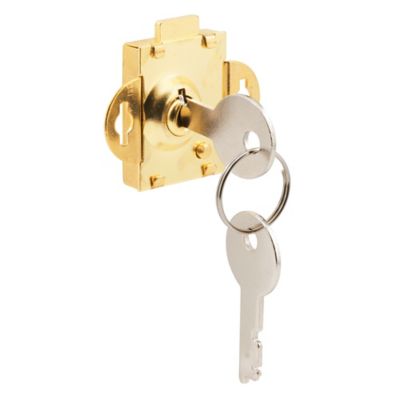
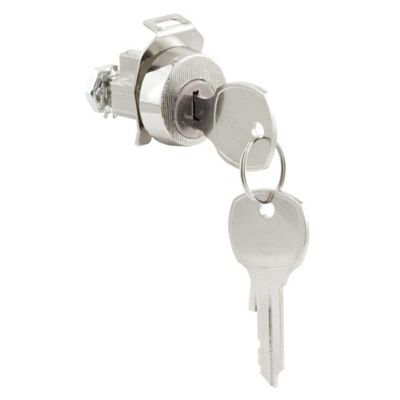
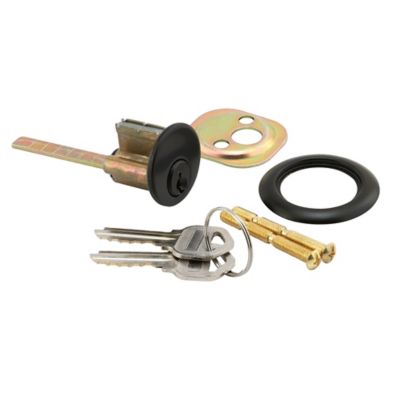
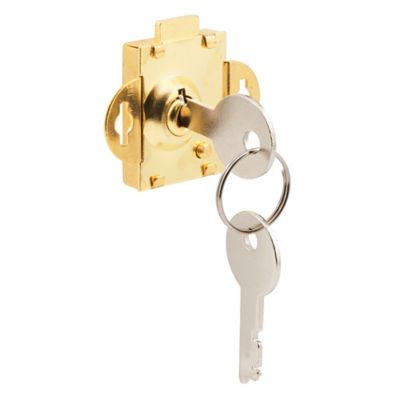
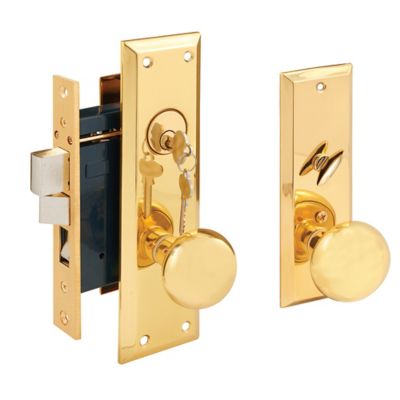
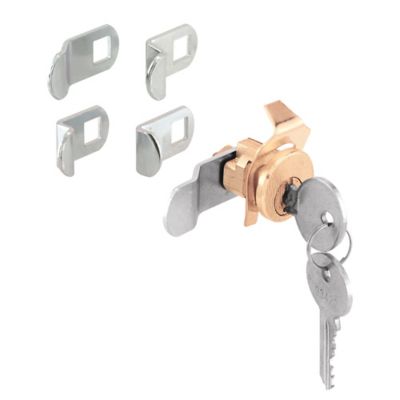
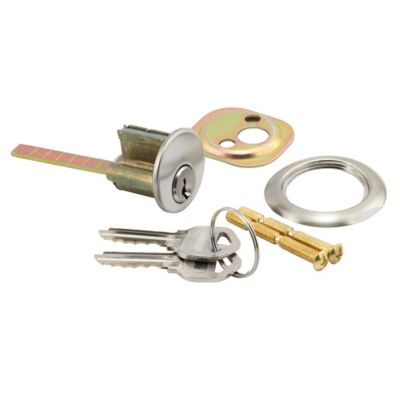
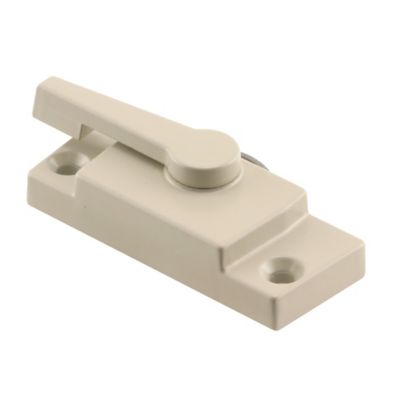
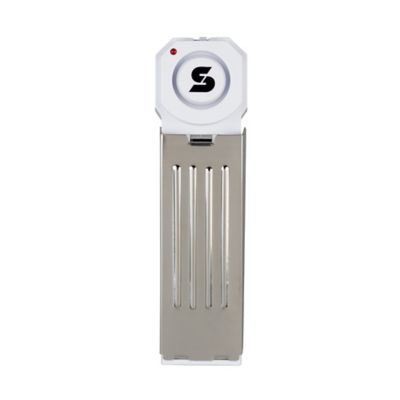
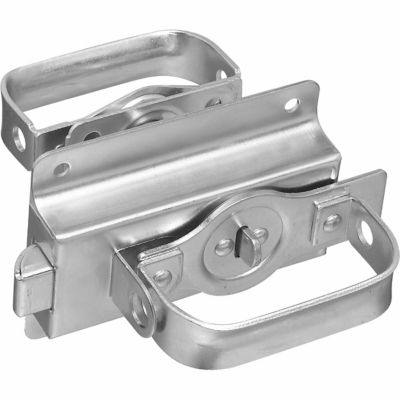
Lock replacements help restore smooth, dependable access when an old lock becomes stiff, loose, damaged or simply no longer fits the way your household uses a door. They’re useful for homeowners, renters with permission to make hardware updates, landlords, property managers, workshop owners and anyone getting a house, barn, shed or outbuilding ready for regular use. Replacing worn hardware can also make sense after moving into a new place, changing who has access or finishing a door repair. Before choosing a replacement, look closely at the door and the hardware already installed. Standard pre-bored residential doors commonly use a round hole through the door and a second opening along the edge for the latch. Measure from the edge of the door to the center of the main hole to confirm the backset, which is often 2-3/8 or 2-3/4 inches. Measure the door thickness as well, and check whether the new hardware is intended for the handing and style of your door. A replacement that matches the existing hole pattern usually makes the job much easier and helps avoid drilling, patching or adjusting the door. For gates, utility areas and other places that see dust, moisture or heavy use, look for durable materials and finishes suited to the environment. Browse options such as
Steel Locks when a sturdy construction is an important part of the setup.
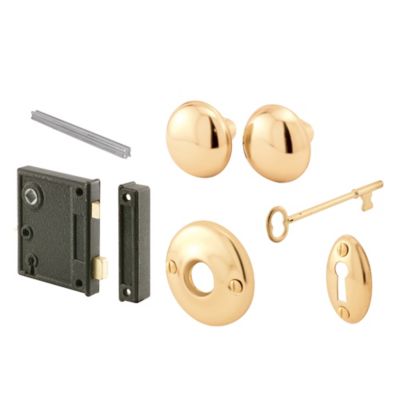
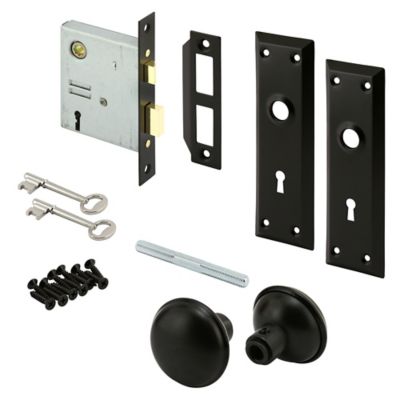
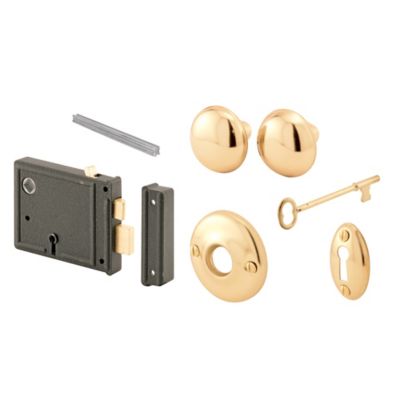
It helps to identify the kind of lock being replaced before adding anything to your cart. A common entry door may have a keyed exterior side with an interior turn piece, while an interior room may use a simpler privacy arrangement. Older homes, farmhouses and outbuildings can have different cutouts, deeper hardware or mortise-style parts that do not swap directly with modern pre-bored hardware. Doors made from wood, metal, fiberglass and composite materials may also call for different screws, plates or installation details. Pay attention to the latch shape, the size and outline of the faceplate, the location of the screw holes and whether the replacement is designed for an exterior or interior application. If the existing door has settled over time, the latch may rub against the strike opening even when the lock itself is in good shape. In that case, a replacement may need a little alignment work so the bolt or latch moves freely. Keep the door open while checking the fit, and operate the key and interior turn piece several times before closing it. The latch should extend and retract without binding, and the key should turn smoothly without forcing it. A Phillips head screwdriver handles many basic residential replacements, but older or heavily painted hardware may need extra patience, penetrating oil or a different driver. Keep the original screws nearby until the new hardware is fully fitted, since they can help compare length and thread style during installation.
Lock replacements can be especially handy around rural properties, where one household may have several access points to keep track of. A side door to the mudroom, a storage building, tack room, workshop or equipment area may each need hardware suited to its traffic and exposure. A lock that works well on a protected interior door may not be the right choice for a gate or an exterior entry exposed to rain, grit and temperature swings. Consider who needs access, how often the door is used and whether the lock will be handled with clean hands, work gloves or cold fingers. Households with children, older family members or visitors may prefer an easy-to-operate interior turn piece, while a rental or guest space may benefit from a setup that allows access to be changed when occupants come and go. Replacement hardware can make a thoughtful practical gift for someone settling into a new home, fixing up a hunting cabin or getting a workshop ready before the cooler months. It can also be a useful addition to a move-in, renovation or property-maintenance supply list. Take your time comparing dimensions rather than choosing by appearance alone. A finish that coordinates with the door is nice, but proper fit, solid construction, weather suitability and smooth operation matter most. Once installed, check that the door closes fully, the latch meets the strike cleanly and the lock engages without pressure. If the door, cutout or existing mechanism is unusual, bringing measurements and photos to a hardware professional can help confirm compatibility before installation.