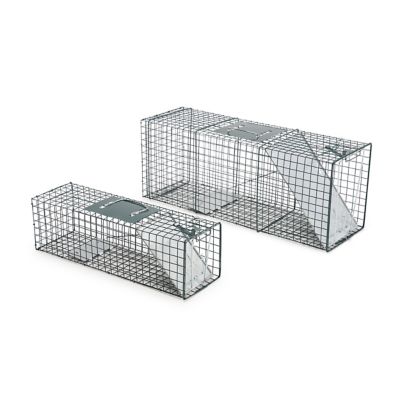
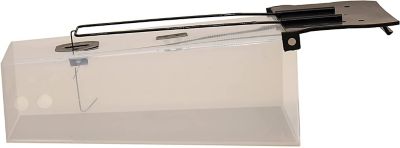
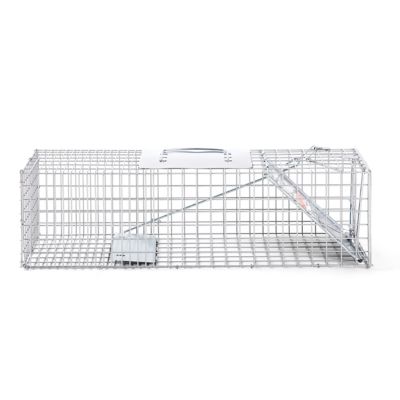
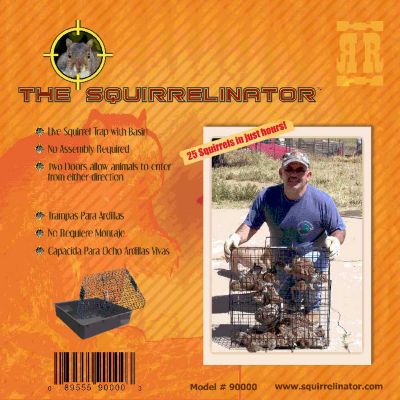
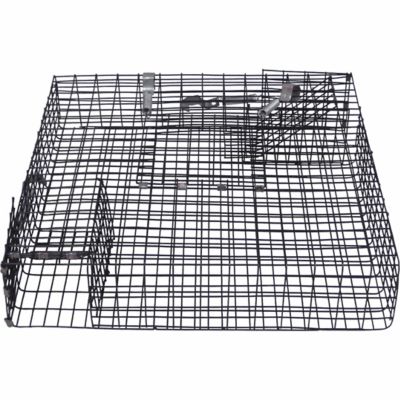
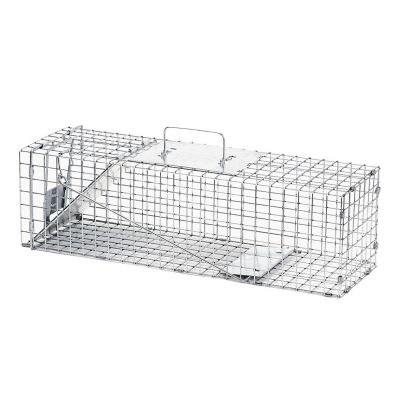
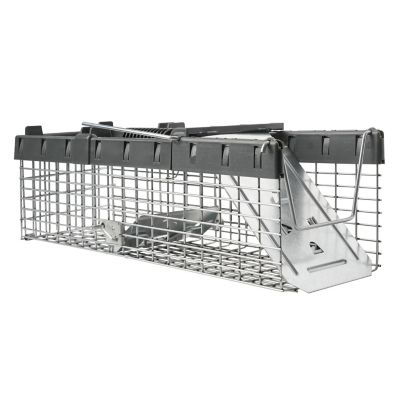
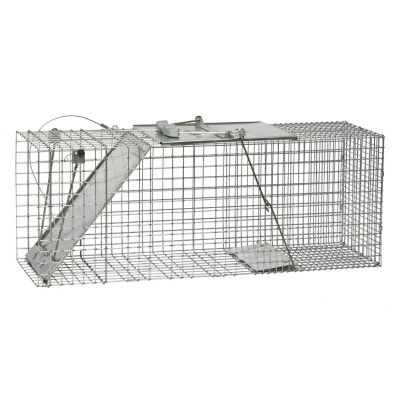
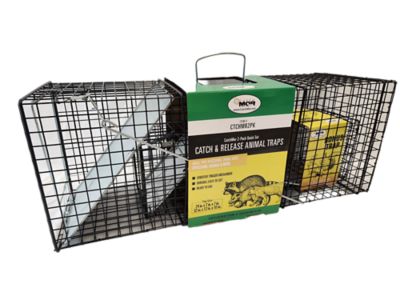
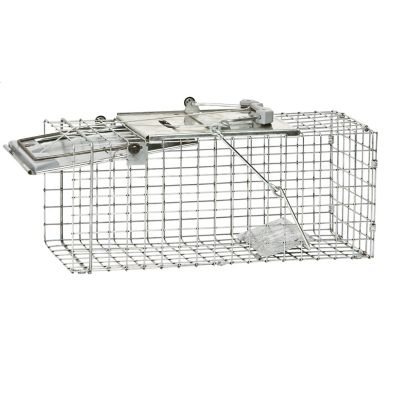
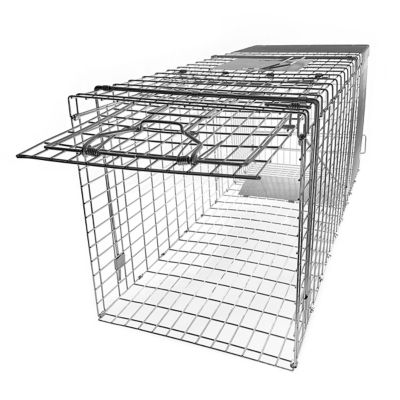
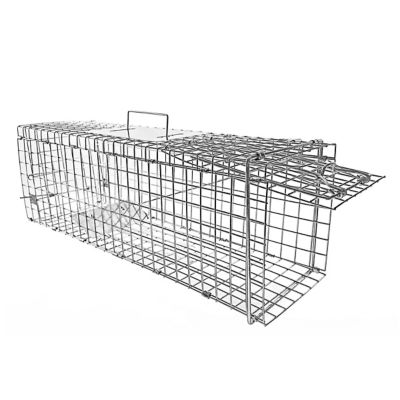
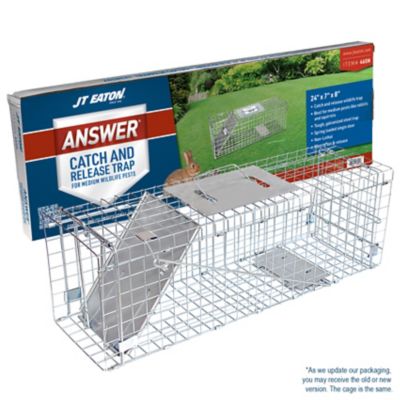
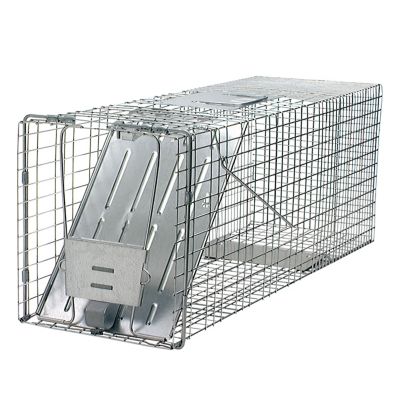
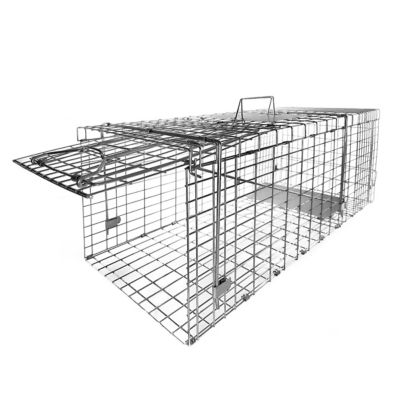
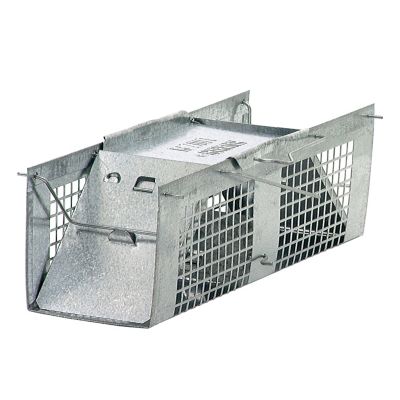
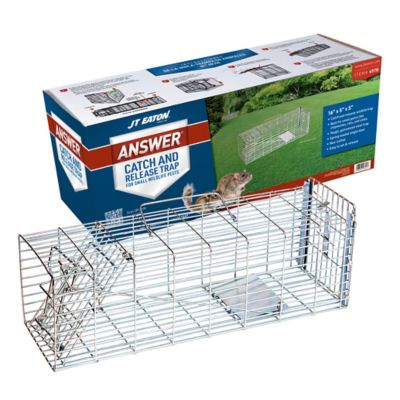
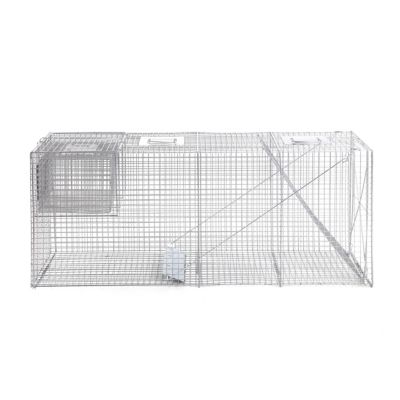
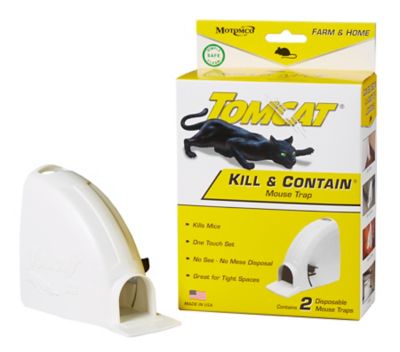
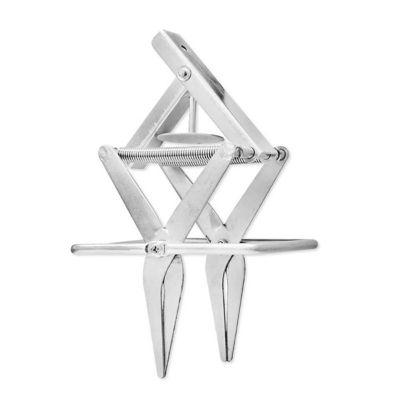
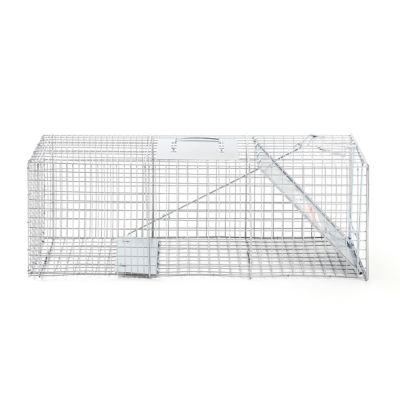
Live animal traps for squirrels can be a practical choice for homeowners, gardeners, farmers and property managers who need to move a squirrel away from a garden, shed, attic access point, deck or other trouble spot without using a lethal method. These traps are built around a simple idea: a squirrel enters a wire cage to reach bait, steps on a trigger plate or activates a mechanism, and the door closes behind it. When shopping, look for a small-to-medium cage trap with enough room for the animal to move but not so much open space that it can avoid the trigger. Many suitable squirrel traps measure roughly 17 to 26 inches long, with sturdy wire and openings around 1 inch by 1 inch or smaller. Fine mesh helps prevent an animal from squeezing through or chewing its way out, while a strong latch and smooth interior reduce the chance of injury. A single-catch trap may suit an occasional visitor around a home, while a repeating or multi-catch style can be useful where several squirrels are active along a barn, garden edge or wooded property. Check the door, hinges, handle and trigger before setting the trap, and choose a design that is easy to carry while wearing work gloves. Traps with protective handles or covered hand areas can add peace of mind when a lively animal is inside. If you are comparing options for broader nuisance-wildlife concerns, the
Pest Control Traps collection can help you look at related solutions for different animals and situations.
Good placement often makes more difference than fancy features. Squirrels tend to follow familiar routes, so set a trap on a flat, stable surface near a wall, fence, tree, deck edge or other place where you have noticed scratching, droppings, chewed plants or damaged insulation. Positioning the cage with the opening facing the travel path can make it feel like part of the animal’s normal route instead of an unfamiliar object in the middle of the yard. Shade is especially important during warmer weather; direct sun can turn a wire cage into a hot box, even when the air feels comfortable. A covered, sheltered location away from rain, strong wind, children and household pets is usually a better choice. Whole unsalted peanuts in the shell are a familiar bait for many squirrels, and a small smear of peanut butter on or behind the trigger plate can add scent. Pieces of apple or orange may provide moisture, but fresh food should not be left to spoil. Place the main bait beyond the trip plate so the squirrel has to move fully inside to reach it, and avoid scattering so much bait around the entrance that the animal can eat without entering. Before committing to a trap, watch the area for a little while and look for the freshest signs of activity. A garden bed with newly dug soil, a chewed bird feeder or a pile of nutshells can point to the route being used. Keep in mind that squirrels are quick, observant animals; giving a new trap time to blend into the setting and checking that it sits level can help it work as intended.
A live trap needs regular attention from the moment it is set. Inspect it at least twice a day, including in the morning and again later in the day, and check more often during periods of extreme heat, cold or severe weather. Never leave a captured squirrel sitting unattended for long stretches. Once an animal is inside, approach calmly, keep children and pets away, and drape a light towel or cloth over the cage to provide shade and help reduce activity. Wear thick work gloves when moving the trap, keep your fingers away from the mesh and door, and carry it level by the handle. Do not open the cage indoors, near a roadway or in an unfamiliar place. Relocation rules vary widely by state, county and municipality, and some areas restrict moving wildlife or require permission, a permit or release at a specific location. Check with local wildlife officials, animal control or your state’s natural resources agency before trapping, and follow all requirements for transport and release. A trap is only one part of solving a squirrel problem. Seal openings around roofs, soffits, vents and outbuildings after confirming that no animals are inside, trim branches that provide easy access, protect gardens and remove food sources such as spilled feed or unsecured trash. Take care around nesting seasons and avoid disturbing young animals that may be left behind. These traps are generally purchased by people caring for a country home, rental property, orchard, chicken yard or backyard garden, and they can be a thoughtful practical gift for a new homeowner or someone who spends weekends tending land. With the right size, sturdy construction, sensible bait placement and close monitoring, a live squirrel trap can support a more careful approach to managing unwanted activity around rural and residential property.