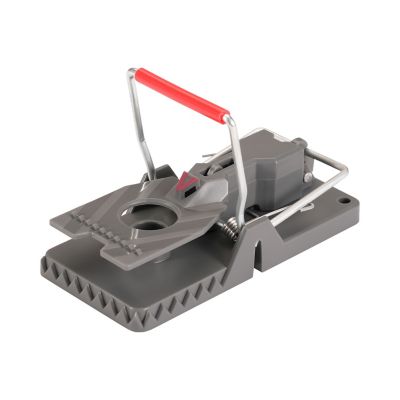
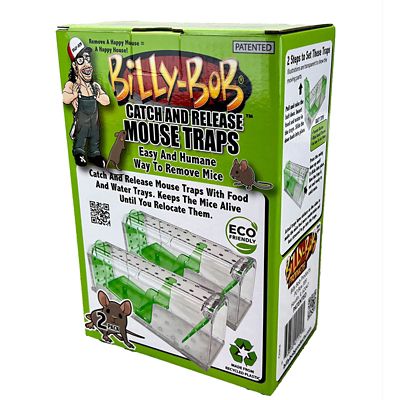
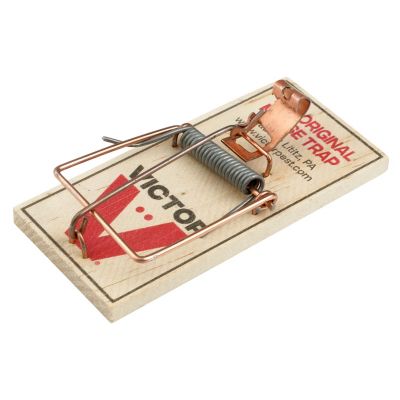
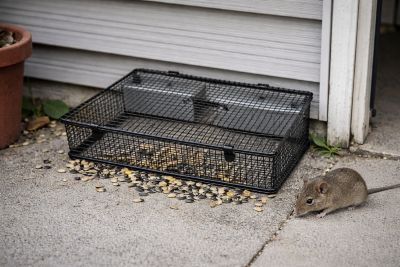
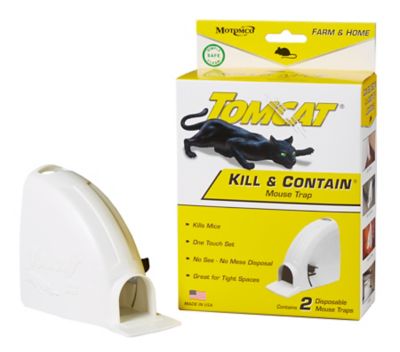
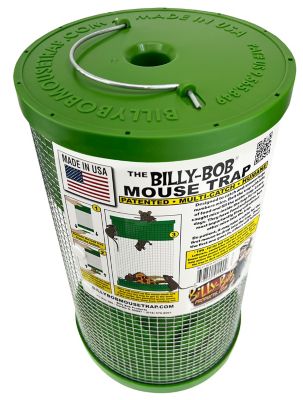
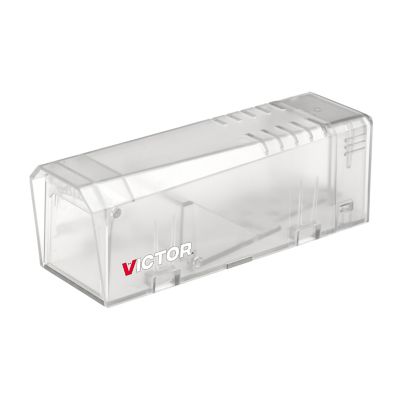
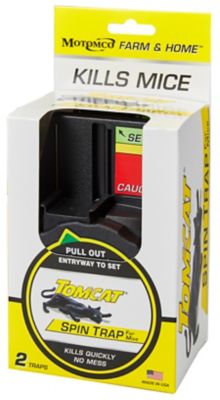
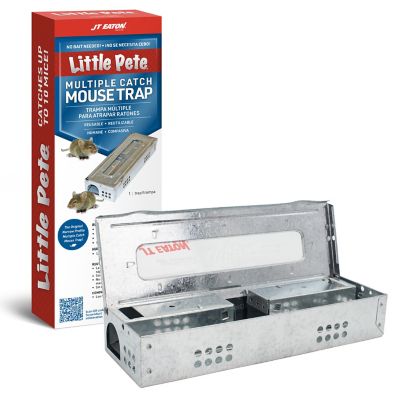
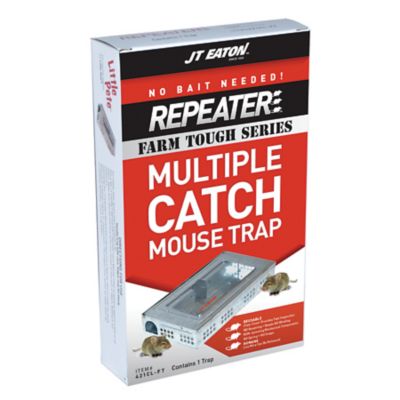
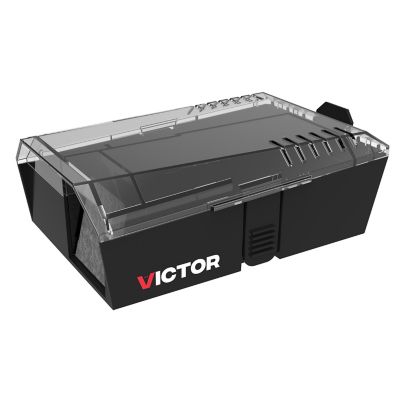
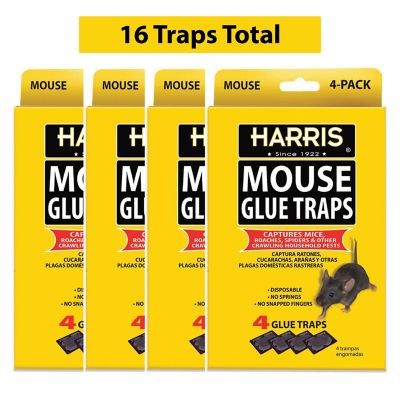
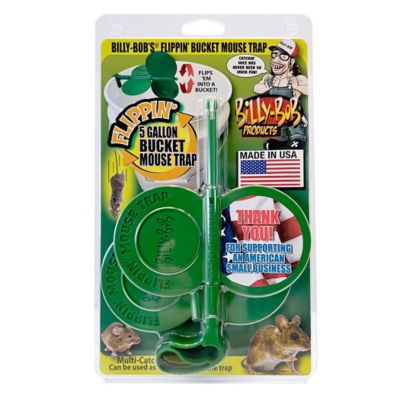
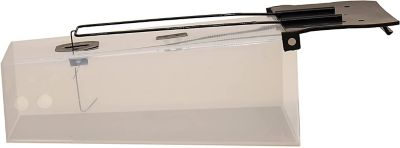
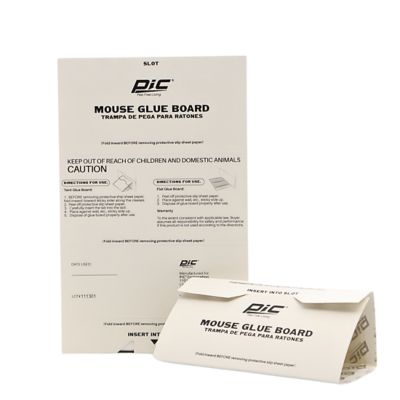
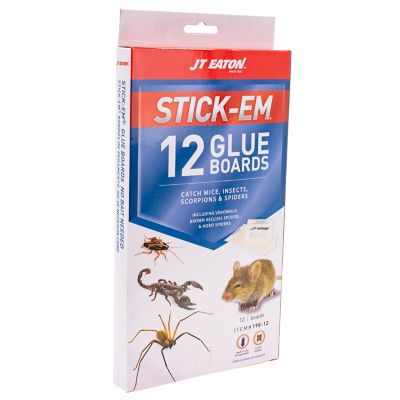
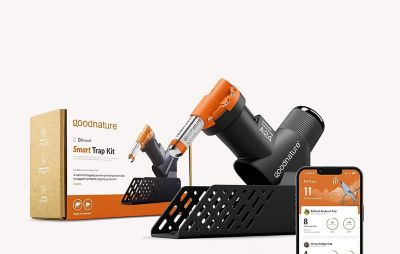
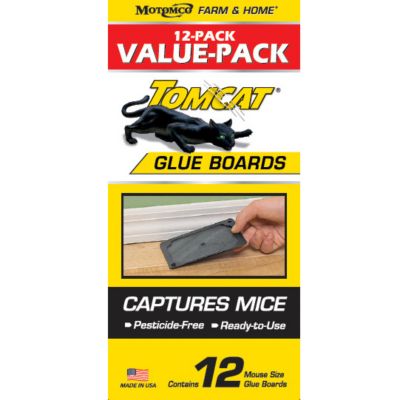
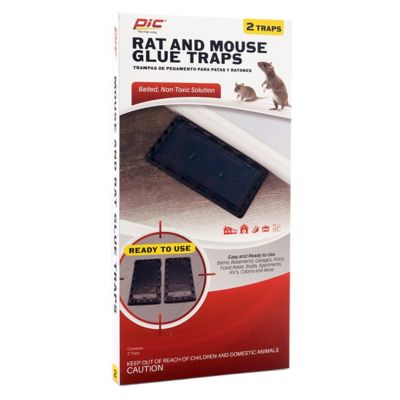
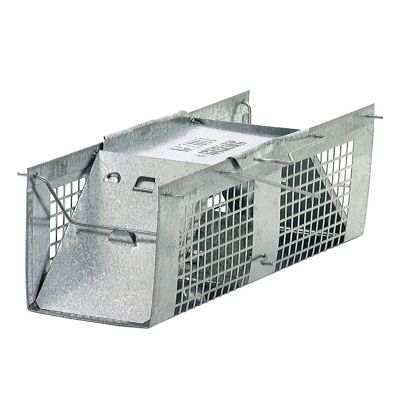
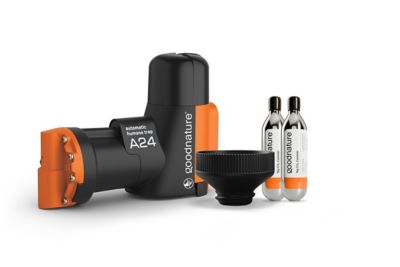
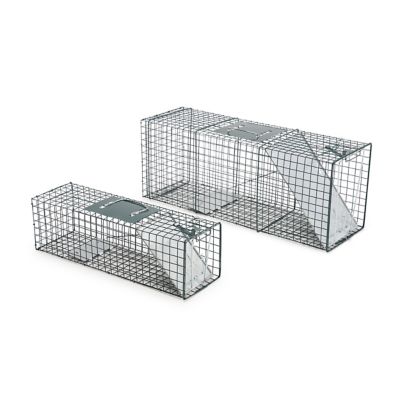
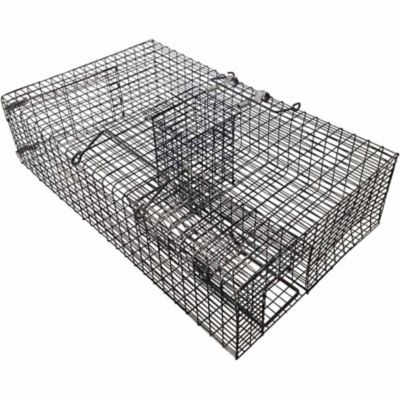
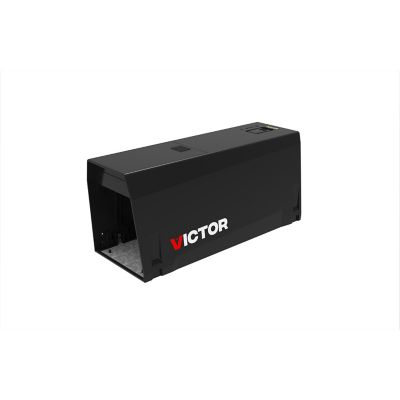
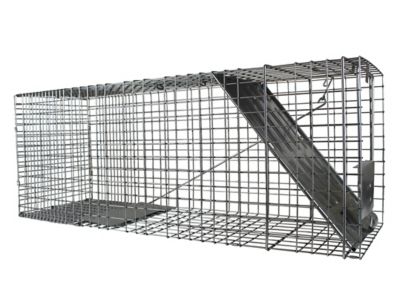
Mouse traps help control mice around the house, garage, workshop and farm buildings, where small rodents can chew packaging, damage stored belongings and contaminate feed or food. The main types include snap traps, electronic traps, glue boards and live-catch traps, with differences in how they capture mice and how much handling they require afterward. Snap mouse traps have a spring-driven mechanism designed to kill a mouse quickly when it activates the trigger. Traditional styles pair a wooden base with metal hardware, while molded-plastic designs may feature broader trigger surfaces, enclosed jaws or levers that keep fingers farther from the working parts during setup. Electronic mouse traps draw mice into a chamber that delivers a lethal electric shock; battery requirements, indicator lights and access for emptying the chamber are useful points of comparison. Many electronic designs are intended for indoor locations, so the label matters when choosing one for a shed or other outbuilding. Live-catch mouse traps hold mice inside a box or cage rather than killing them at capture. These require frequent checks, careful handling and a plan that follows local rules for handling captured wildlife; capture and release are not automatically harmless to the animal. Glue boards hold mice on an adhesive surface, but they can cause prolonged distress and catch animals other than mice, making those concerns important when comparing trap styles. For many homes and farm spaces, a properly sized snap trap is a straightforward starting point. Across the different types, wood, plastic and metal affect weight, cleanup and how well the trap stands up to repeated handling. A washable plastic body can simplify care when the manufacturer permits cleaning, while a metal cage needs sound doors, smooth-moving parts and mesh openings suited to mice. The best fit depends on the space, the level of contact a person is comfortable with and whether the trap is intended for disposal or repeated service.
Choosing mouse traps also means looking closely at where they will sit. A narrow stretch behind a refrigerator calls for a different shape than an open shelf in a feed room, and a low-profile trap may fit where a taller enclosed chamber will not. Mice commonly travel beside walls, along cabinet edges and behind stored supplies rather than crossing open floors. That makes the route between a wall and a stack of feed sacks more relevant than the middle of an otherwise empty room. Fresh droppings, gnawed packaging and rub marks can help identify those routes, although droppings alone do not establish which rodent is present. Mouse traps and rat traps are not interchangeable: trigger sensitivity, opening size and striking force need to match the target animal. With many conventional snap traps, placement perpendicular to a wall with the trigger end nearest the wall helps put the working end in the mouse’s path; other designs have different placement directions. A small dab of bait, such as peanut butter when permitted by the trap instructions and appropriate for the household, can encourage contact with the trigger without covering the mechanism. More bait is not necessarily better, especially if a mouse can reach it without entering or activating the trap. In spaces with several signs of activity, multiple well-positioned traps can cover separate travel routes better than one trap in a convenient corner. For households with children, barn cats, dogs or other animals, location and enclosure design deserve particular attention. An enclosed trap can limit access to the mechanism, but no enclosure should be assumed childproof or petproof. Traps belong where children, pets, poultry and livestock cannot reach them, including through fencing, under gates or behind loosely stacked supplies. A protected location also keeps a trap from becoming a nuisance underfoot during chores.
The day-to-day side of mouse control is worth weighing before choosing a trap style. Someone checking a workshop before heading out to the barn may prefer a clear status indicator or an enclosed chamber, while another person may want a simple mechanical trap with no batteries to maintain. A catch-release lever can reduce direct contact with a rodent, though gloves and careful handling still matter. Traps need checks at least daily, and live-catch designs need more frequent attention so animals are not left confined without care. Electronic models also need battery checks and maintenance according to their instructions; a light or sensor is useful only when the unit has power and its contacts are clean. For traps intended for repeated service, manufacturer directions should determine the cleaning method, drying requirements and whether any parts need replacement. Cracked housings, bent bars, loose triggers or doors that no longer close freely can interfere with operation. Dust, spilled grain and nesting material can also obstruct moving parts, so a trap needs a clear working area rather than a spot buried beneath clutter. Handling a catch and cleaning nearby contamination call for care: wear gloves, wet droppings and contaminated surfaces with an appropriate disinfectant according to its label, and avoid dry sweeping or vacuuming rodent waste. Follow public health guidance and local disposal rules for captured rodents. Trapping works best alongside closed feed containers, prompt cleanup of spilled grain and repairs to entry gaps around pipes, doors and foundations. Keep traps separate from food-preparation surfaces and from places where feed could spill into the mechanism. Larger animals require equipment sized for their bodies and behavior;
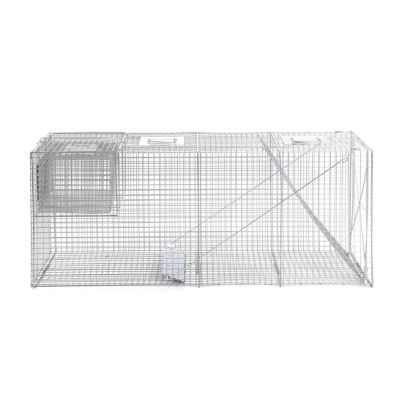
Live Traps for Groundhogs address a different trapping need and are not a substitute for mouse-sized equipment. Around a home or farm, the right mouse trap fits both the rodent and the routine: it belongs in the intended setting, allows sensible checks and cleanup, and works alongside the everyday habits that keep feed rooms, cupboards and storage spaces less inviting to mice.